Hazmat Spill Response city guides
Local context, authority links and the questions to verify with any provider.
50 city guides currently meet our publication standard. Each combines location-specific property and access context, authority links, documentation requirements, and questions to verify with a provider.
Get an email reply about hazmat spill response
Send a short message and get an instant email confirmation. A coordinator then replies by email. This form does not send emergency help; call 911 first if anyone is in danger.
Research before reach
A location is published only when its page includes meaningful local property, access, climate, jurisdiction, or documentation considerations.
Everything for one city on one page
Planning, safety, insurance, provider questions, sources, and documentation for each city sit together on a single guide.
No invented local offices
A city guide does not claim a storefront, parked crew, guaranteed arrival, job count, rating, or credential that has not been independently verified.
Published city guides
These are educational planning resources, not proof that the network owns an office or dispatches a dedicated crew in each city.
Not sure where to start?
Send a short message about your situation. You get an instant email confirmation, then a coordinator replies by email.
You get an instant email confirmation, then a coordinator replies by email.
If anyone is hurt or in danger, call 911 first.
Why location matters for hazmat spill response
A gallon of solvent on a warehouse floor in one county can set off a different set of calls and paperwork than the same gallon a few miles away. States run their own environmental programs. Many add spill reporting rules, waste size categories, or cleanup standards on top of the federal rules. Local fire codes shape how liquids that burn must be stored. They also shape what a fire marshal expects after a spill. Land and water matter too. A site near a creek, wetland, or shallow groundwater gets closer attention than one surrounded by pavement. Limestone ground with sinkholes or sandy soil can carry fuel underground fast. Heavy rain can push a parking-lot spill into drains within minutes. Hot weather makes vapors rise faster and raises the risk of fire inside closed bays.
Several agencies may have a role in a single spill. Learning their names before an incident saves precious time. The local fire department usually leads the first emergency response. It may call in a regional hazmat team. Your state environmental agency usually takes spill reports and oversees cleanup of soil and water. It also regulates businesses that make hazardous waste. The local emergency planning committee keeps chemical storage records for your county. It can explain what the public should be told. A city stormwater or public works office runs the drain system your site empties into. The sewer utility cares a great deal about anything that reached a floor drain. For spills that could reach rivers, lakes, or the sea, the federal National Response Center takes reports. Look up each contact on official government sites. Keep the list with your emergency plan.
An online listing cannot tell you if a spill contractor is ready for the chemicals you really store. Share your product list. Ask which of those materials the company has handled and how it would deal with each one. Ask to see its written emergency response program. Ask how it picks the person who takes charge when the crew arrives. Ask for the name of the licensed hauler and disposal site it would use for your waste. Then confirm their status with your state environmental agency. Ask for a final report from a past job, with private details removed. Check whether it includes waste records, waste shipping records, and the test results used to allow people back in. Ask your local fire department or emergency planning committee which contractors they see working safely in your area. Rules vary by state and county, so check every claim with the local agency.
What to verify locally
- The spill reporting rules your state environmental agency applies to the products stored at your site. Include any lower limits for spills that reach soil or water.
- Where each storm drain and floor drain on your property really empties. Confirm it with the city stormwater office or the sewer utility.
- The name and registration of the hazardous waste hauler and disposal site your contractor plans to use. Check them directly with the state program.
- Whether your local fire marshal must check or approve the area after cleanup. This matters before you store liquids that burn, pump fuel, or weld or do other hot work there again.
- Your site's current hazardous waste status with the state. Ask whether a single spill could change the rules that apply to you for a while.
- Whether your county emergency planning committee or fire department expects updated chemical storage records after a spill. Note who at your site sends them.
National figures for context
These are national or research figures, not data for any one city.
- 155%
Hazmat incidents involving big rigs rose 155 percent over ten years, and truck incidents outnumber train hazmat incidents 33 to 1, per PHMSA data.
Read with care: News analysis of PHMSA data; part of the rise reflects improved electronic reporting.
Source: PHMSA data (via CBS News) (2023)United States, PHMSA incident reports, roughly 2013-2023
- 382
382 of 12,855 RMP facilities reported at least one accident during 2016-2020, about 3 percent of regulated sites.
Read with care: Only accidents meeting RMP reporting criteria are counted.
Source: EPA (2024)United States RMP facilities, 2016-2020
- 8 / 24 hours
Emergency responders at the first-responder operations level require at least 8 hours of training, and hazardous materials technicians at least 24 hours.
Read with care: Competency, not just hours, is the regulatory test.
Source: OSHA (2024)United States, 1910.120(q)(6)
These figures are public research and agency data, not this network's own job records. Keep each number with its population, year and limits; none of them predicts cost, timing or outcome at a specific property.
Local questions about hazmat spill response
Who do I notify locally after a chemical spill at my facility?
Call emergency services first if anyone is exposed, the material is unknown, or fire is possible. After that, the list depends on the product, the amount, and where it went. Your state environmental agency often takes reports. Spills that reach waterways may also go to the National Response Center. Some counties expect a call to the local emergency planning committee or fire department. Rules vary by state and county. So confirm the order of calls with those agencies and keep it in your written plan.
Does the location of a spill change how a contractor must clean it up?
Yes. A spill that stays on sealed concrete indoors is handled differently from one that reached gravel, soil, a ditch, or a drain. Once liquid enters the ground or water, your state environmental agency may set cleanup goals. It may ask for test samples or require a written report before the case is closed. Nearby wells, schools, or protected wildlife areas can raise the level of oversight. Share a site map with your contractor so it can plan for the paths a spill could take on your property.
Can a contractor from a neighboring state handle a spill at my site?
Often it can, as long as it follows the rules where the spill happened. The company hauling your waste must be allowed to operate on that route. The disposal site must accept your type of waste. Some states also register or license spill response contractors. Ask the company how it meets your state's rules. Then confirm with your state environmental agency. Distance also affects how long your site waits for the crew to arrive. That matters when vapors or runoff are still active.
What changes when a spill happens on a public road instead of my property?
A spill on a road brings in the police, the fire department, and often the agency that maintains the road. The person in charge at the scene directs what happens next. Shipping papers and warning signs on the vehicle help name the product. Trucking companies usually stay responsible for their cargo. So the trucking company, its insurer, and the shipper usually join the conversation. As a fleet manager, your role is to help name the product and provide papers. Work with your contractor through the person in charge, not on your own.
How does weather at my location affect spill response?
Rain can carry spilled product across pavement and into drains before containment is in place. So drain covers and small barriers matter most in wet places. Heat speeds up evaporation and can raise vapor levels in closed bays. Wind shifts can move a vapor cloud toward neighbors. Freezing weather can make absorbents work less well and slow the cleanup. Ask your contractor how it changes its setup and containment for local weather. Include seasonal concerns in your drills.
Should I call the sewer utility if something went down a floor drain?
Yes, and quickly. Floor drains in older buildings may connect to the sewer, a septic system, or even a storm drain line. Each path has different results. The sewer utility needs to know because solvents, fuels, or corrosives can harm the treatment process or create explosive conditions in pipes. Be honest about what went down the drain and about how much. The utility can tell you what testing or flushing it expects and whether it will work with the state.
How can I find out whether my county has special hazardous materials rules?
Start with your county or city fire department. Ask for the fire prevention or hazardous materials office. Then contact your local emergency planning committee, which is usually listed on the county emergency management website. Your state environmental agency can explain the spill reporting and waste rules that apply across the state. Some cities also run their own approved programs for storing hazardous materials. Write down each person you speak with and the date. File those notes with your emergency plan.
More on hazmat spill response
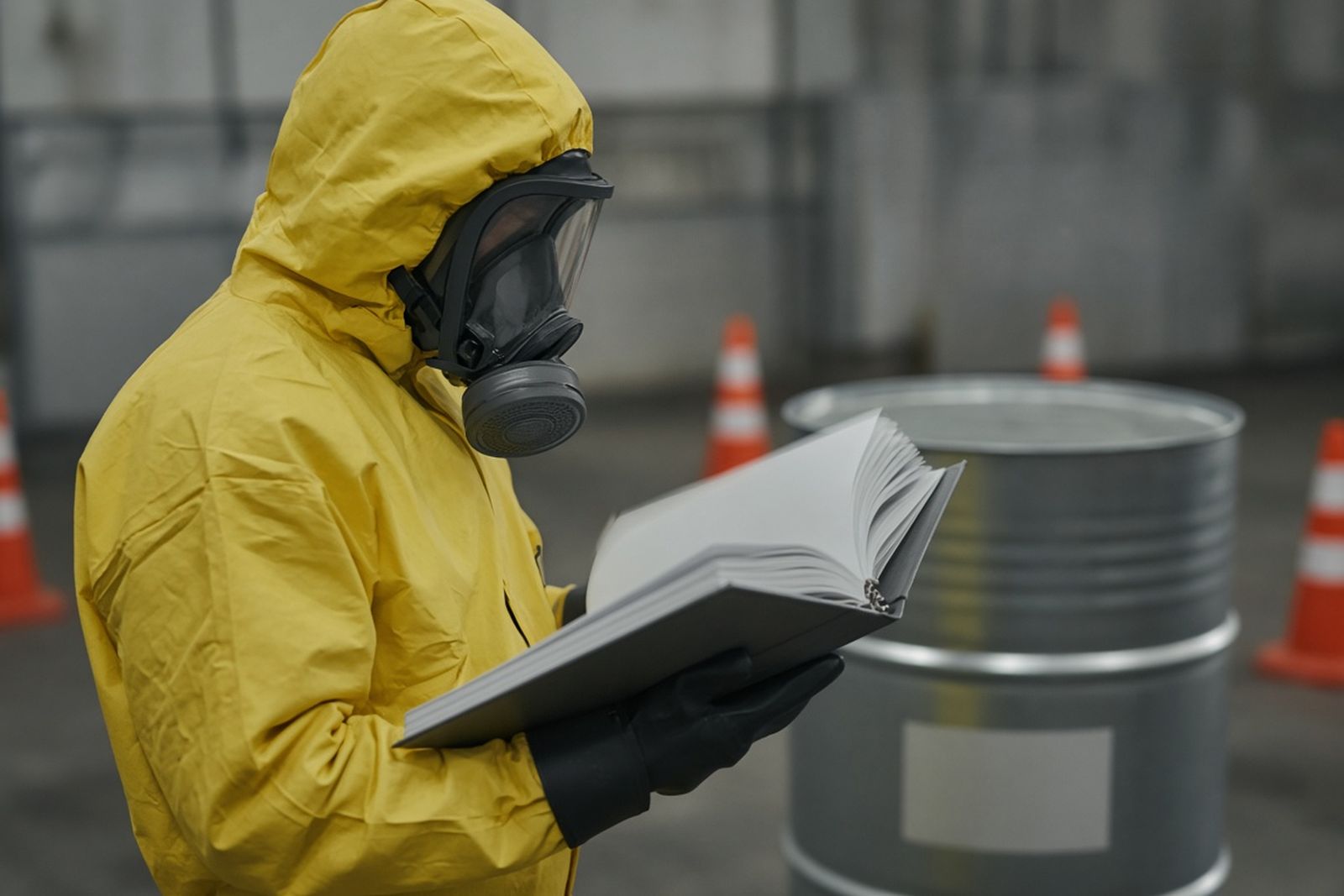
Hazmat Spill Response services
Learn how spill response works for chemicals, fuel, oil, and unknown products. It runs from closing off the area and reading the SDS to waste disposal and reopening.
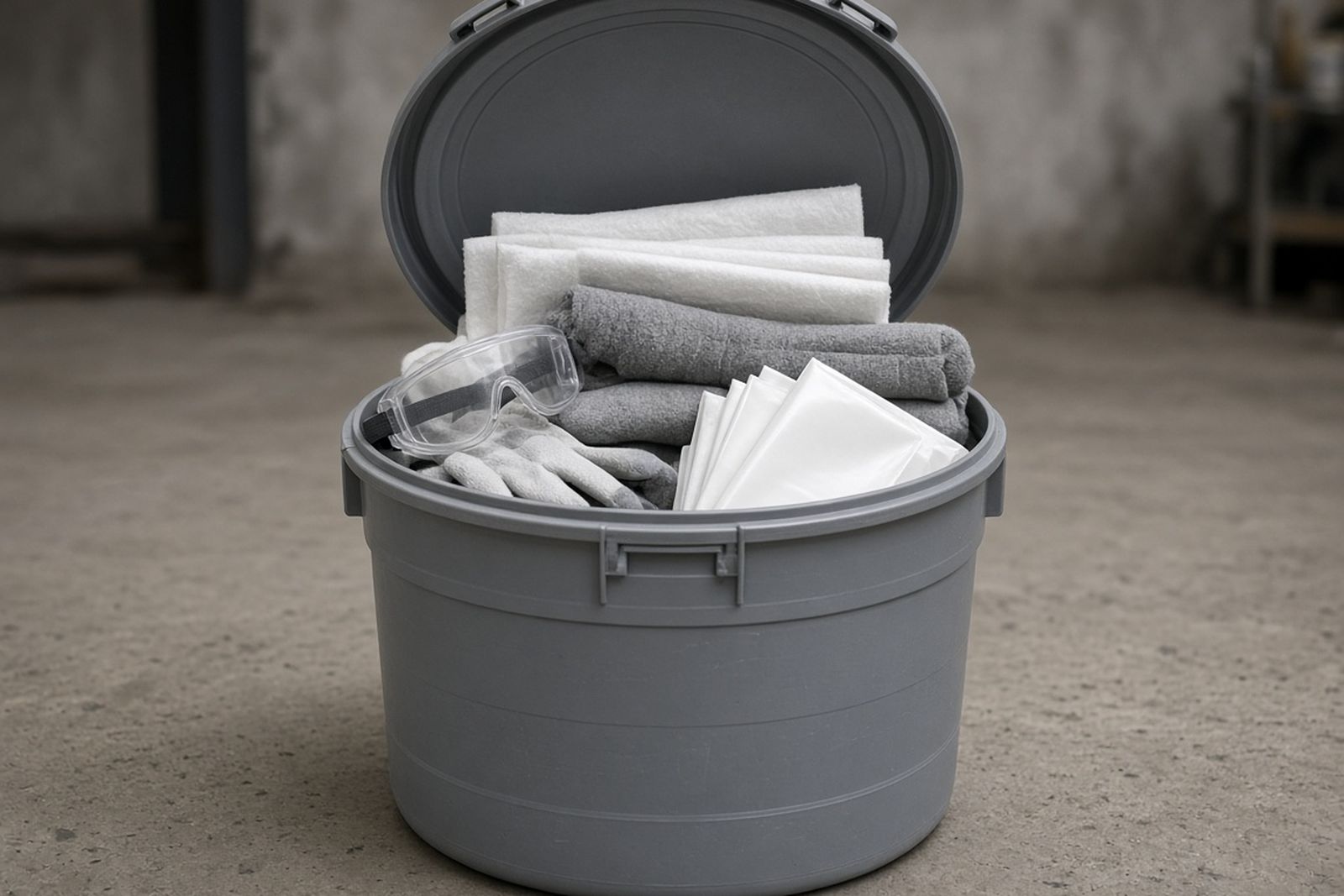
Costs explained
What drives the price, published cost ranges, and how to read a written quote line by line.
Insurance and payment
Which policies may respond, how to document a claim, and what to do if coverage is denied.
Planning tools
Hands-on planners help you order the first day, judge staff risk, check contractors, sort spill waste, and organize a claim.
Community polls
Compare your spill planning and response choices with facility, fleet, and property managers who faced similar spills and learned from them.
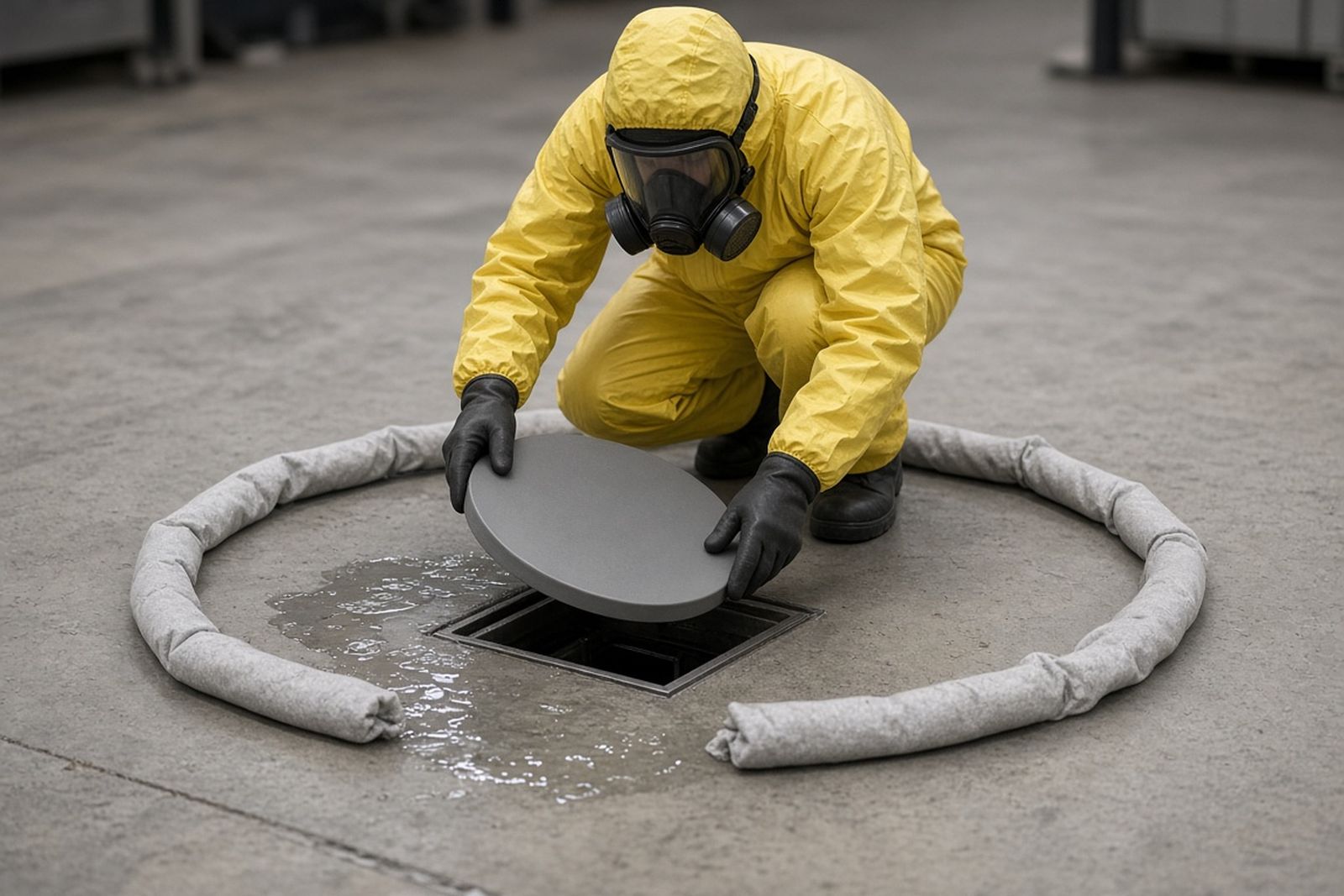
Knowledge quiz
Check what you know about spotting hazards, who is in charge, containment, cleanup, waste, and records with a short quiz for managers.
Articles and resources
Useful articles on spill kits, guarding storm drains, battery spills, and who must report. Learn to build a spill file that holds up when an insurer or agency checks it.