Why are coastal Malibu properties especially sensitive during a hazmat spill?
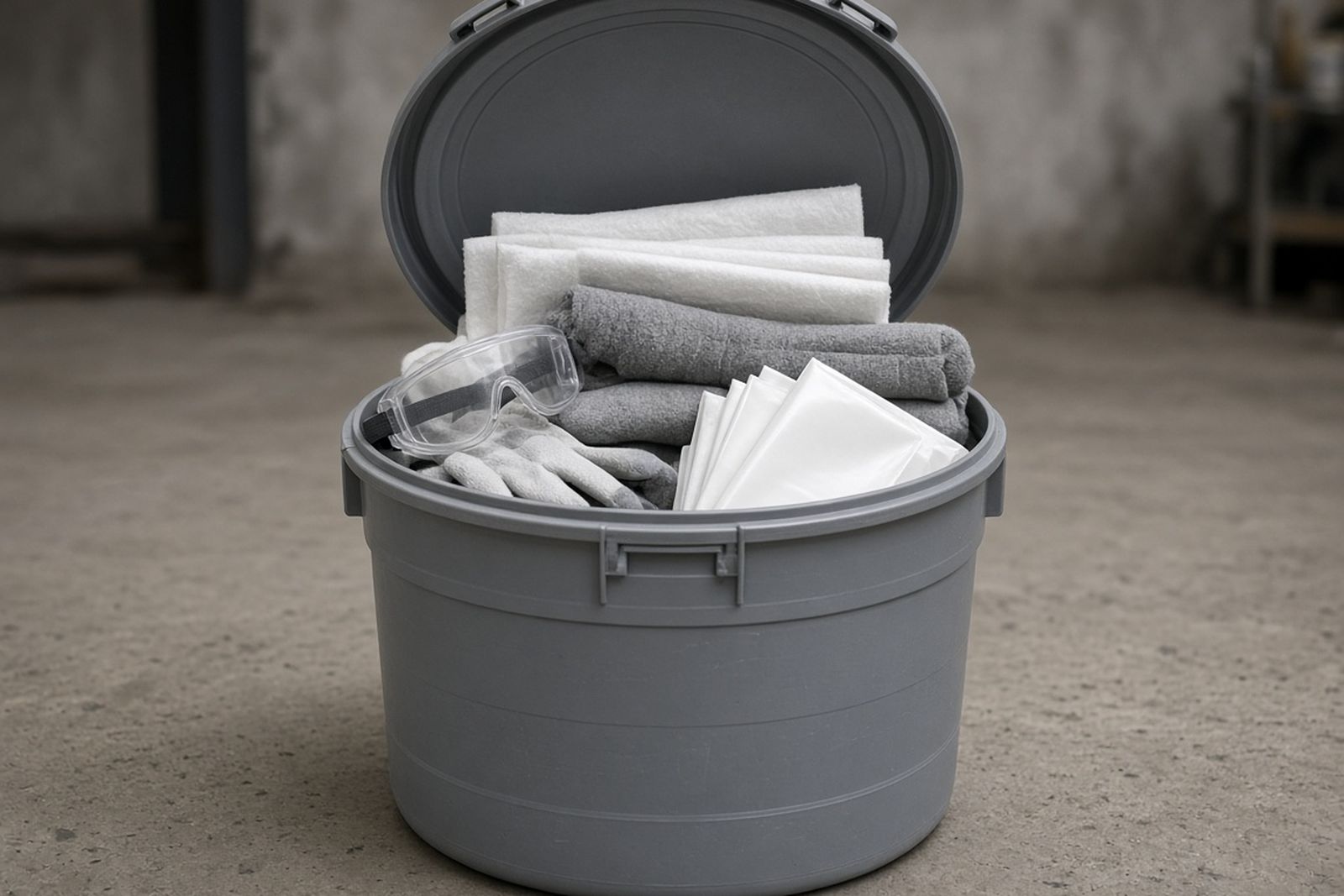
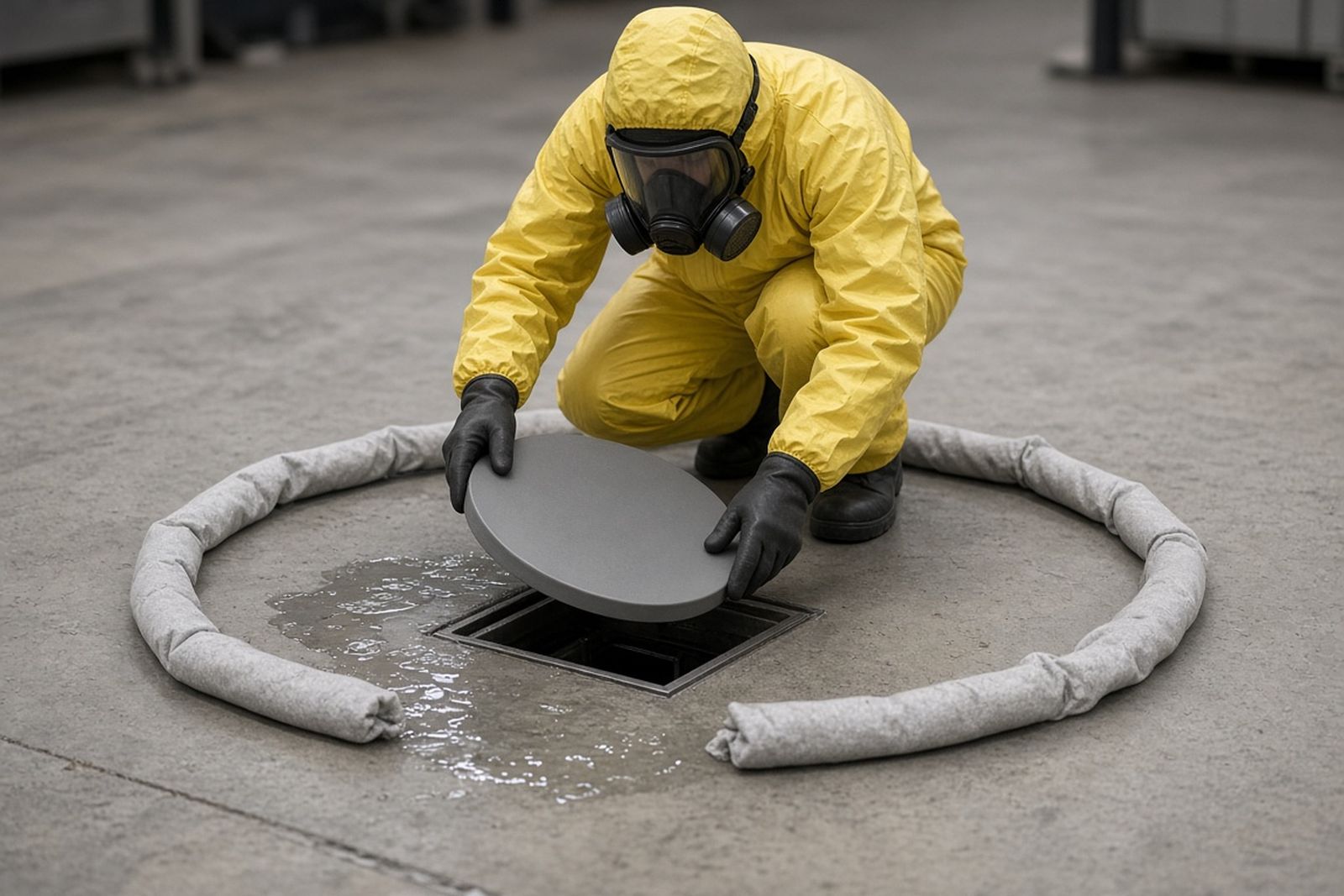
Coastal and canyon drainages can move product toward creeks, storm outfalls, or the ocean fast. A spill on a private pad can then become an environmental release that must be reported. Narrow roads also slow equipment. That makes early closing off and drain protection even more important. Do not hose a slick downhill or into a culvert. Fire and environmental officials may share control when water is at risk. Costly coastal homes often store fuels and solvents, and their fumes can catch fire in closed hillside garages. Keeping people safe and guarding the water come before making things look clean. Records of barrier placement and recovered amounts help with both the rules and your insurance. Malibu's coastal risk is about drainage paths and reporting. It has nothing to do with ads about local crews.
What should I do if I find an unlabeled drum after a storm on a Malibu lot?
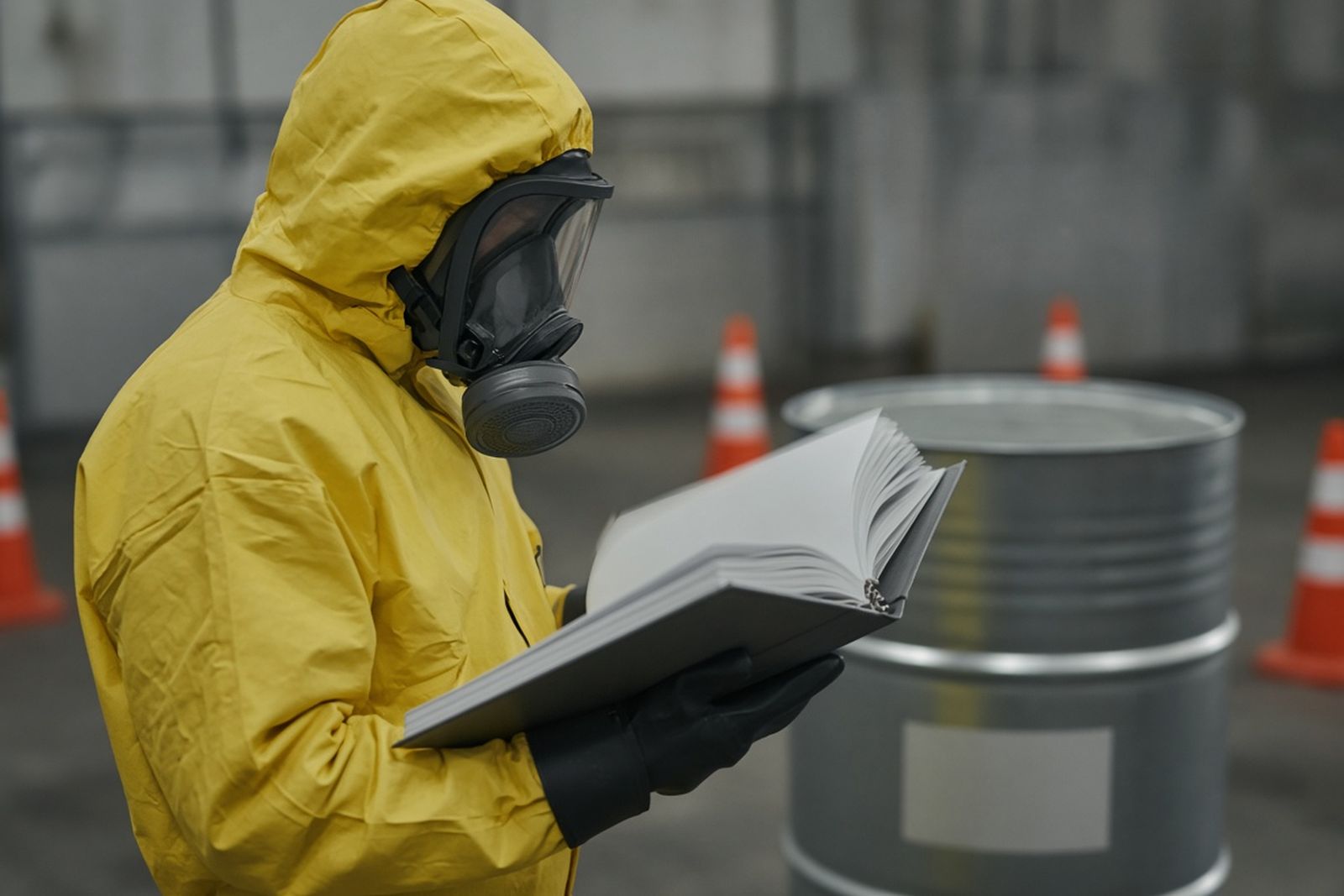
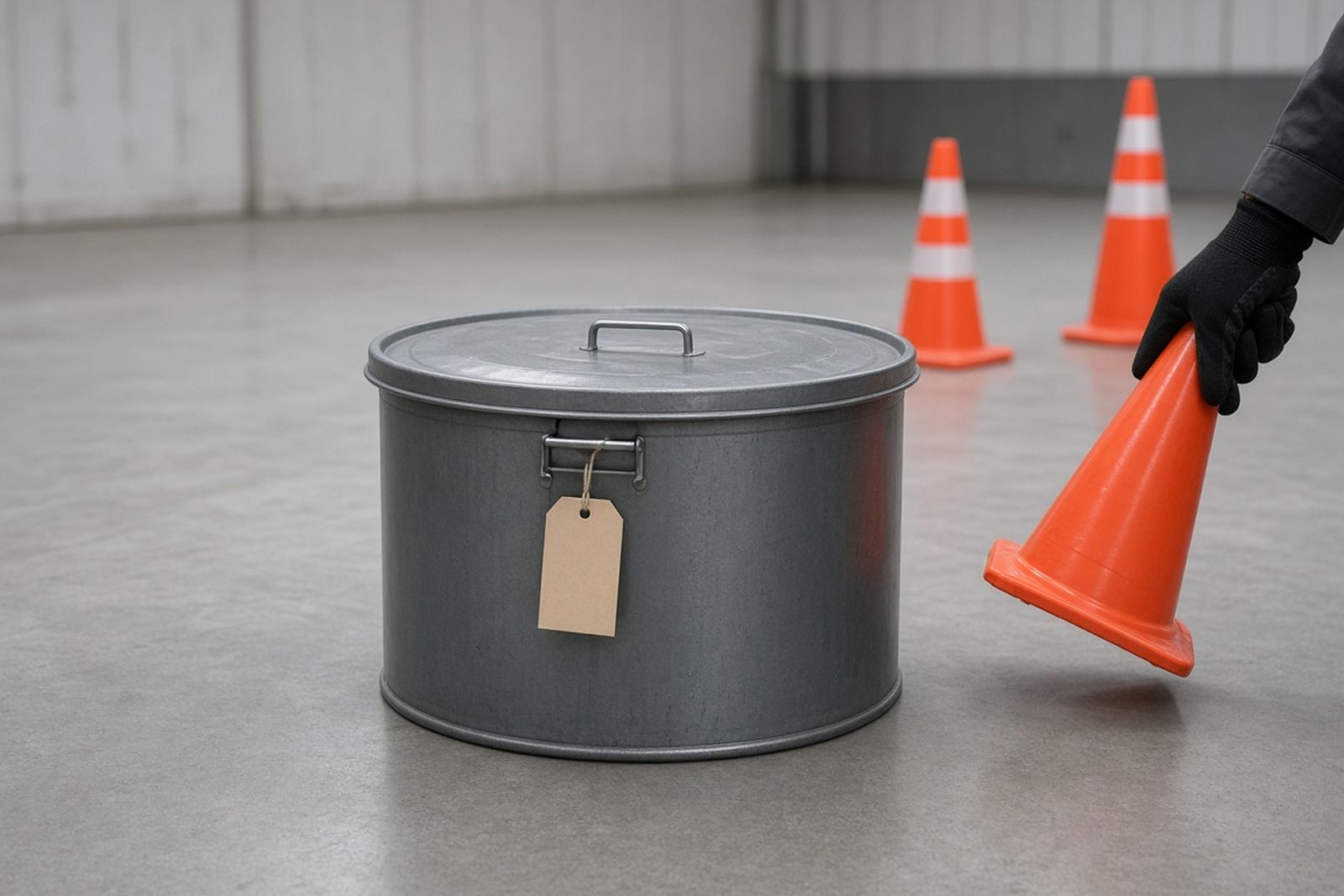
Do not open, tip, sniff, or move the drum to get it off the beach side. Close off the area. Keep people and pets away. Call emergency services or environmental officials for advice so trained crews can sort out the hazard. Take photos from a distance if it is safe. Share what you know, such as when it showed up and whether contractors were there, without touching it. An unknown drum may hold something that burns skin, catches fire, is toxic, or reacts. Moving it can break the seal and spill it into coastal drainages. If there is a label, the SDS helps name it. Without a label, qualified people must check it in the field. Wait for that before planning any cleanup.
How should ignition risks be handled near fuel vapors in hillside garages?
Assume fuel fumes can catch fire from sparks, static, pilot lights, or starting a car until responders say otherwise. Keep box fans and blowers off, since moving air can carry fumes to the breaker panel. Do not start generators or cars in that space. Put out open flames only if it is clearly safe. The fire department decides when sparks, cutting, or turning power back on is allowed. Some Malibu hillside homes put equipment in small rooms where fumes build up. Getting out safely beats saving property. Once the product is known, airing out and recovery follow a plan that fits how easily it burns. Never use air freshener to hide a fuel smell in place of air testing. If ocean winds shift, crews may need to move the perimeter and change spark rules. That is their call, not the homeowner's.
What cleanup verification is reasonable after a slope or drain-involved release?
Wiping a slick off concrete may miss product in the soil, gravel, or plants below. Trained crews and environmental experts may suggest sampling or digging when they think product spread. Air tests support moving back indoors when there were fumes. Keep the lab or field test records with the waste shipping record. Close out any agency conditions in writing. Do not reopen guest spaces on a coastal lot just because the garage floor looks dry. The checks depend on the type of chemical and where it went, not on a set date. If long-term cleanup goes beyond the emergency, write down that handoff clearly. That way no one mistakes the emergency shipping records for the final sign-off on a slope or drain path.
Who coordinates notifications when Malibu runoff may reach water?
Emergency services and environmental officials decide who must be told. Property owners should not guess alone how much spilled product must be reported. Share what you know: the product name from the SDS if known, a rough amount, and the paths you saw it take. The National Response Center takes certain reports of oil and hazardous substance spills. California agencies may have their own reporting duties too. Telling your insurer is a separate step from environmental reporting. Keep reference numbers in the property file. Spills that touch water draw closer review, so a clear timeline and photos of drain paths help. Do not hold off on calls to keep it private if product is entering the water. These calls are part of following the rules, not public relations.
How does wildfire season affect spill planning on a Malibu property?
Fire season adds fire worries to any fuel or solvent spill. Generators, gas cans, and backup fuel kept for power outages can leak during an evacuation or a heat wave. Dry brush grows close to many canyon garages. If you smell fuel, stay away from switches, tools, and engines nearby, and call emergency services. Before fire season, check that fuel containers are sealed, labeled, and stored away from brush and hot equipment. Keep SDS copies where you can grab them on your way out.
Can a spill on a Malibu hillside lot affect the property below mine?
Yes. Steep grades and canyon drainages can carry fuel or chemicals onto a lot below, into a shared road ditch, or toward a creek faster than on flat ground. If product is flowing off your land, tell emergency crews exactly where it is heading. Let them decide if neighbors need a warning. Do not dig trenches or try to turn the flow yourself. Later, a trained team may check the soil and paving on both sides of the property line.