Hazmat Spill Response community polls
See how other people handled the same decisions, then add your own answer.
Spill response is a duty that facility and fleet managers hope never to use. That is exactly why shared experience is so useful. The polls on this page gather what real managers did in the first minutes of a spill. They also show what managers wish they had set up in advance and how their contractors did. And they show where reporting and insurance caught people off guard. Reading those answers helps you spot gaps in your own plan. One example is a spill kit nobody has opened in years. Another is an unclear rule about who may call the fire department. Poll answers cannot replace your written emergency plan. But they can show which parts of a plan tend to fail under pressure.
Get an email reply about hazmat spill response
Send a short message and get an instant email confirmation. A coordinator then replies by email. This form does not send emergency help; call 911 first if anyone is in danger.
Vote on the questions that matter here
Every count is a real visitor vote; nothing is seeded or padded. One vote per poll per device, and you can change your answer.
How prepared is your site for a chemical or fuel spill right now?
In your most recent spill, what was the first action taken?
Which part of spill response cost more than you expected?
How sure are you about when a spill must be reported to an agency?
Do you know where your site's storm drains discharge?
What matters most when choosing a spill response contractor?
Why opinions matter in hazmat spill response
A manager faces many choices around a spill, and they often stack up. Before an incident, you decide what to stock, who to train, and which contractor to keep on file. You also decide whether to map where your storm drains empty. During an incident, you decide whether to clear the area and whether staff may try to contain the spill. You decide when to call outside help and whether an agency may need to be told. Afterward, you decide how to document, what to claim, and what to change. Polls show how others handled each of these moments, including the choices they regret. That view is hard to find elsewhere without learning a costly lesson yourself.
Use poll results with care. A common answer is not always a correct answer. A habit many managers share may not fit your chemicals, your building, or your local rules. Reporting limits and response rules vary by state and county. Other voters cannot tell you whether a spill at your site needed a call. Let the results raise questions for your safety adviser, your contractor, your insurer, and your state environmental agency. If a poll leans one way and your written plan says another, review the plan with a qualified person. Do not quietly change what you do just to match the crowd.
How to read poll results
A poll on this page shows what visitors chose when asked. That reflects their memory, their line of work, and the size of the spills they have seen. A sourced statistic comes from an agency, a reviewed study, or an industry report with a stated method. Say a poll suggests most people contained a spill with their own staff. That only describes what some visitors say they did. It is not proof that doing it in-house is typical or safe. Use polls to understand opinions and to shape questions. When you need facts you can defend in a budget request or a safety review, rely on the cited figures elsewhere on this site.
Think about who is likely voting and why. Managers who just had a bad experience are more eager to take part. So answers about contractor reliability or insurance fights may lean negative. Small numbers of votes shift easily. The category label on each poll tells you whether it is about safety, cost, process, or a judgment call. That helps you weigh it. None of this makes the results useless. It means they belong beside your own incident history, your SDS library, and your contractor's advice, not above them.
How voting works
One vote per poll per device; you can change your answer. Votes are stored as anonymous counts with a salted, hashed identifier and never linked to a name, email or form submission.
Opinion versus observation
Findings from published studies of people and properties in situations like this one. They describe what researchers observed in a specific group; they are not predictions for your case.
Survey and medical reports described adverse effects associated with flushing.
Delayed insurance assessments were described as obstructing timely remediation.
Sourced numbers next to the opinions
Polls show what visitors think. These figures come from published research and agency data, so you can compare perception with evidence.
- 8 hours
Facilities must report qualifying accidental chemical releases to the Chemical Safety Board within 8 hours; PG&E paid a $45,273 penalty in 2025 for a late report.
Read with care: Law-firm summary; applies to releases causing death, serious injury or substantial damage.
Source: EPA/CSB (via Spencer Fane) (2025)United States, 40 CFR Part 1604; first enforcement settlement July 2025
- 34
Hazmat transportation fatalities fell from 60 in 2011-2015 to 34 in 2016-2020, almost all of them on highways.
Read with care: Five-year totals, not annual figures.
Source: PHMSA Incident Statistics Portal (via ICC Compliance Center) (2021)United States, all modes, 2011-2020
- 52
Over ten years, 52 people died and 160 were injured in hazmat incidents involving tractor-trailers in transit, with human error behind 18 percent of incidents.
Read with care: Counts depend on carrier self-reporting.
Source: PHMSA data (via CBS News) (2023)United States, PHMSA in-transit truck incidents, ten years
- 46
The Chemical Safety Board received 46 accidental release reports in the three months ending November 2025, the first time its three-month average exceeded 14 events per month.
Read with care: Short window; CSB attributes part of the rise to better compliance.
Source: U.S. Chemical Safety Board (via Safety+Health) (2025)United States, CSB-reportable releases, Sept-Nov 2025
These figures are public research and agency data, not this network's own job records. Keep each number with its population, year and limits; none of them predicts cost, timing or outcome at a specific property.
Questions about hazmat spill response polls
Who participates in these polls?
Voters are usually facility managers, fleet supervisors, property managers, safety staff, and business owners. Some are getting ready for a spill. Others are recovering from one. Voting is open and anonymous. No one checks a voter's job or location. So results describe the people who chose to vote, not a defined group. Read them as opinions, not as a fair sample of everyone.
Can poll results tell me whether my spill was reportable?
No. Whether a spill must be reported depends on the exact substance, how much spilled, and where it went. It also depends on the federal, state, and local rules that apply at your site. Only your written plan, the SDS, and the right agency can answer that. Polls show how others handled doubt, not what the law required.
Why do so many polls ask about the first few minutes?
The earliest choices matter most for how things turn out and what they cost. These include clearing the area, removing things that could spark, and protecting drains. Polls on those moments show where managers pause or make it up as they go. That helps anyone building a plan or a drill. They also point out common mistakes, like sending staff back in to grab gear.
Are contractor experiences in the polls reliable?
They are honest opinions. But they are not reviews of certain companies, and no one can check them. Use them to learn which service traits matter to other managers, such as clear scopes or waste paperwork. Then check any contractor you are thinking about. Use the vetting checklist, and confirm their training and insurance directly with them.
How should I use polls in staff training?
Polls can make a practice drill more lively. Show what other managers chose in a similar case before your team talks about its own answer. Present them as talking points, not correct answers. Always end the drill with your written plan and the right SDS. That way the lesson your team takes away is your own procedure, not the crowd's.
Do the polls address fleet and vehicle incidents?
Yes. Several questions focus on fuel islands, yard spills, battery incidents, and spills on the road. Fleet managers face different limits than a warehouse or a lab does. Their answers are grouped under the same categories. That lets you compare how vehicle concerns differ from concerns at a fixed site. Road incidents get their own questions as well.
Do results change after voting closes?
No. Once a poll is retired, its count is frozen and stays visible for reference. New polls are added when reader questions and changes in the field suggest good topics. Examples include new battery types or new absorbent products. Older results can show how opinions shifted over time. Nothing is edited after the fact.
More on hazmat spill response
Hazmat Spill Response services
Learn how spill response works for chemicals, fuel, oil, and unknown products. It runs from closing off the area and reading the SDS to waste disposal and reopening.
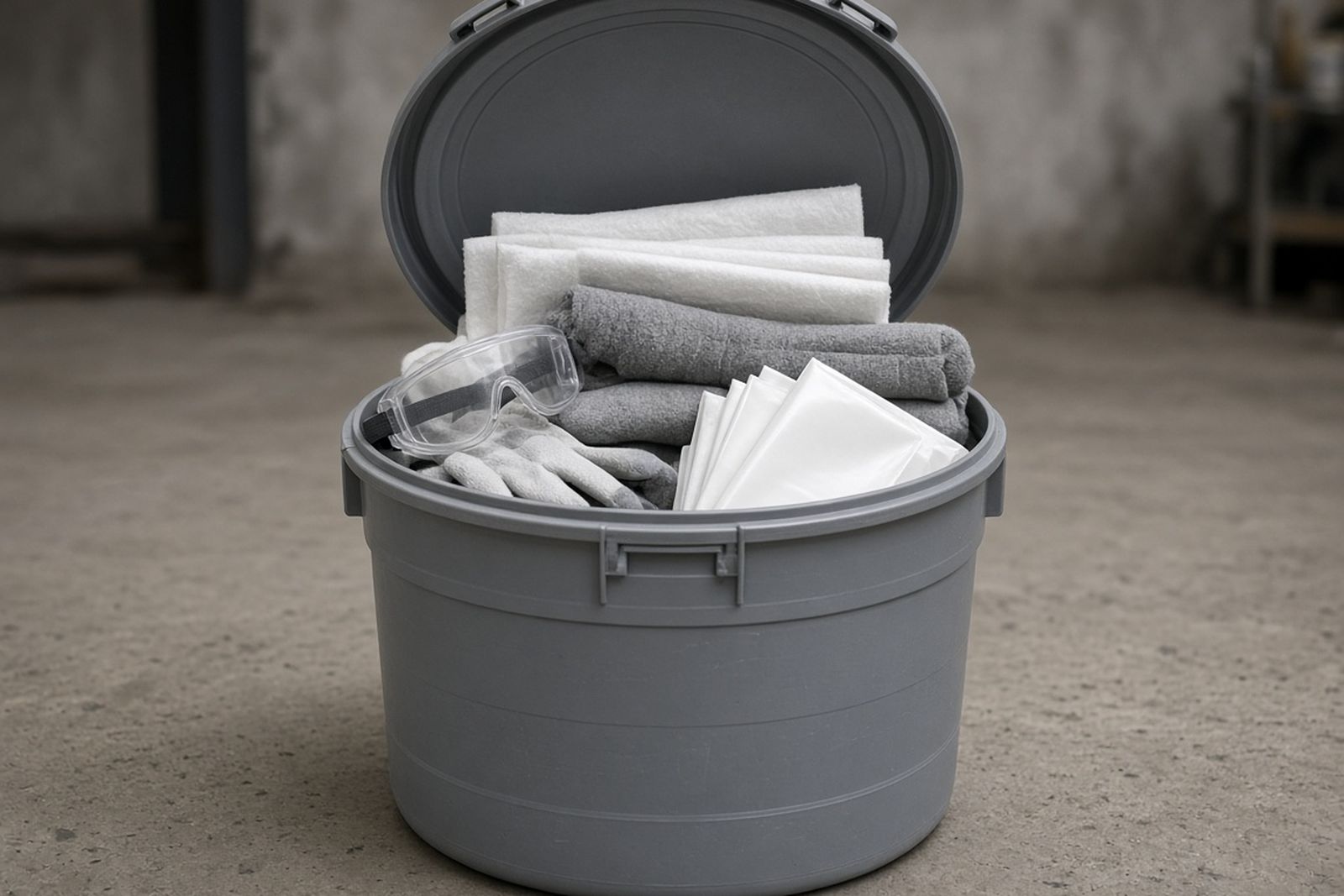
Costs explained
What drives the price, published cost ranges, and how to read a written quote line by line.
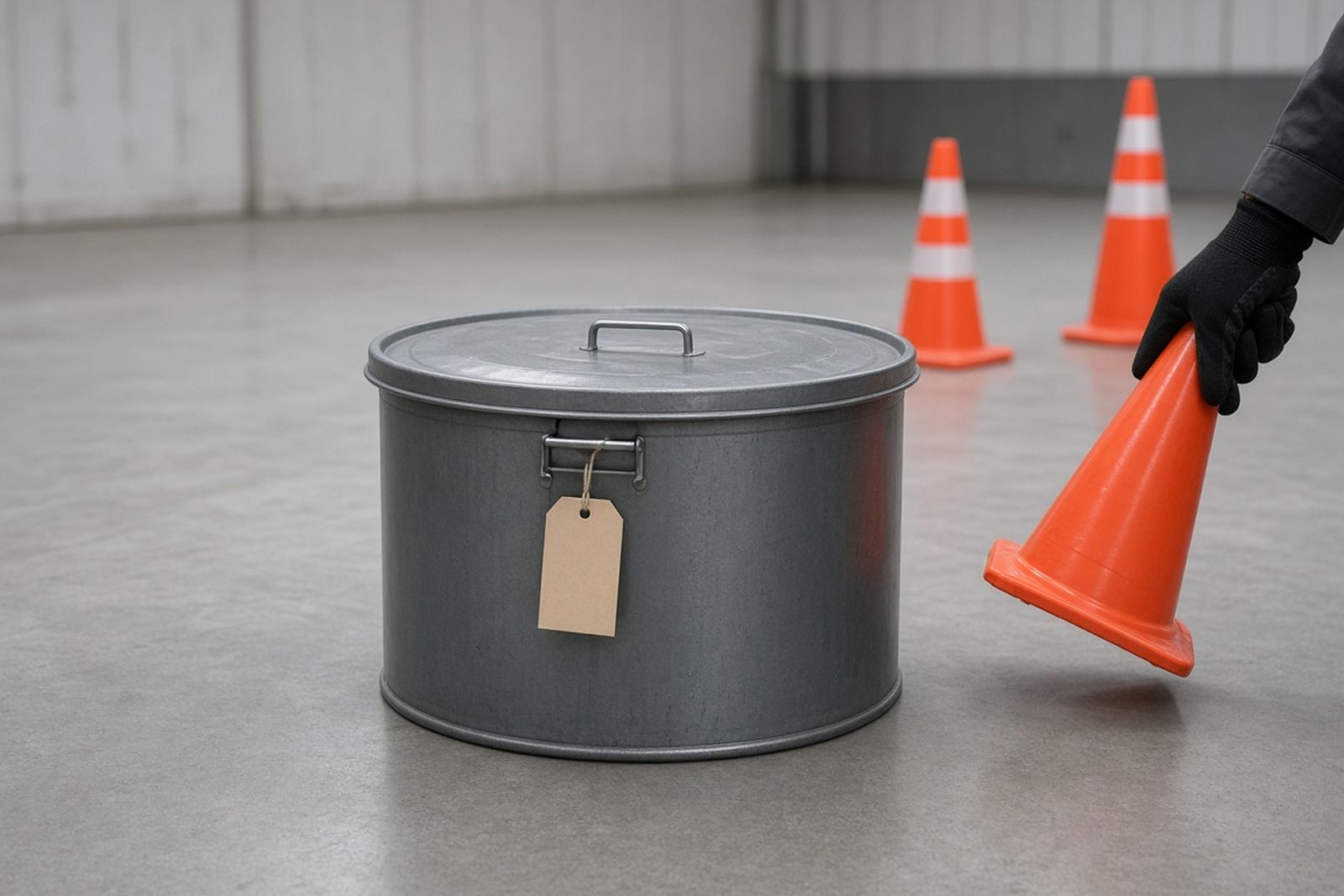
Insurance and payment
Which policies may respond, how to document a claim, and what to do if coverage is denied.
Planning tools
Hands-on planners help you order the first day, judge staff risk, check contractors, sort spill waste, and organize a claim.
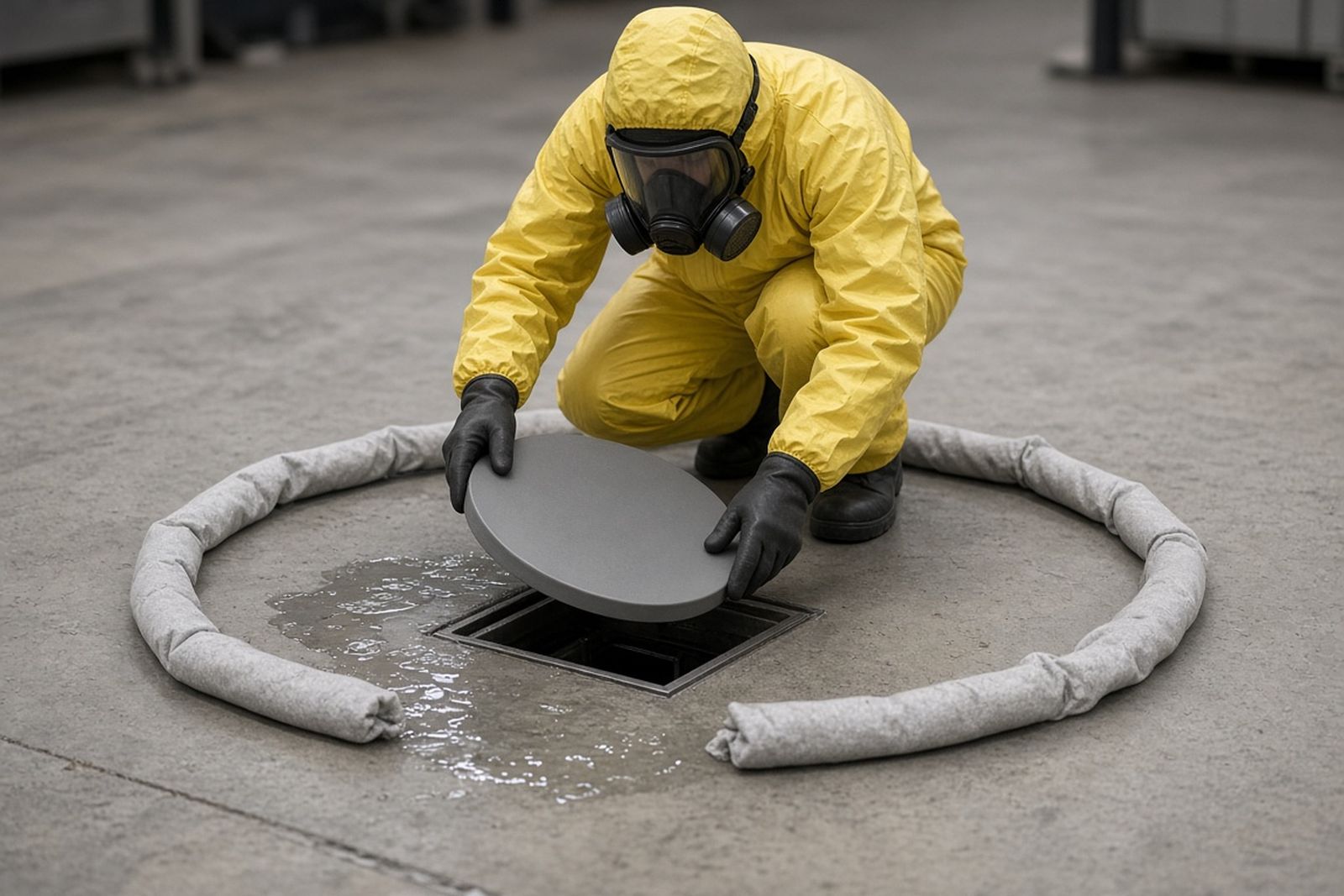
Knowledge quiz
Check what you know about spotting hazards, who is in charge, containment, cleanup, waste, and records with a short quiz for managers.
Articles and resources
Useful articles on spill kits, guarding storm drains, battery spills, and who must report. Learn to build a spill file that holds up when an insurer or agency checks it.
City guides
Find learning resources and spill response contractor listings for your state, county, and city. See which agencies handle spill reports there, too.