South · US

Hazmat Spill Response in Washington, DC

Planning hazmat spill response in Washington, DC

DC federal and Metro spill guide: clear garages first, SDS not porter chemistry, berm Anacostia inlets, FEMS/DOEE notice, waste and air reopen files. This is planning guidance, not a claim of a local office or crew in Washington.

Get an email reply about hazmat spill response

Send a short message to the follow-up inbox. A coordinator can reply by email. This form does not send emergency help; call 911 first if anyone is in danger.

Tell us what you need help with. Share a short description; please leave out medical details, access codes, and other sensitive information.

A request does not confirm a booking. For immediate danger, contact local emergency services.

Or email info@prompartybuses.com

Direct answer

The short answer for Washington, DC

In the District, federal freight courts, garages beside Metro tunnels, Anacostia outfalls, and service alleys on Embassy Row see generator diesel, remodel solvents, battery fluid, and unlabeled overnight totes. Security screening there can slow fire trucks. Move people away first. Pull the Safety Data Sheet (SDS) instead of letting porters try chemistry. Put barriers at inlets the District Department of Energy and Environment (DOEE) watches closely. DC Fire and EMS (FEMS) works with District environmental staff. Drums leaving through the security gate go with a waste shipping record. Under RCRA, the federal waste law, those drums may be regulated. Buildings with many tenants stay closed until air targets are written down.

Editorial guide · Biohazard Remediation NetworkUpdated 2026-07-22Location focus: Washington, DC

Local planning context

Loading courts at federal offices, embassy service yards, and parking stacks tied to Metro stations create a District mix. Think diesel day tank transfers, lithium residue on charger decks, paint stocks for overnight renovations, and unlabeled vendor drums left next to the metal detector lines. Security often hears about a chemical smell near the freight door before anyone has an SDS. Clear the loading court and keep visitors at the screening line. Credential checks for fire trucks are real, so list escort contacts ahead of time.

Combined sewer overflows, where storm water and sewage share pipes, plus Anacostia outfalls and Rock Creek storm lines raise the District's reporting stakes when product leaves a pad. Rinsing the court before staff arrive can push product toward the Anacostia and into a District report. Follow DC Fire and EMS on whether to stay put or leave.

Building managers and federal facility contacts should share one plain script. It says which floors empty, which curb inlets are off-limits, and who walks engines through screening. Write down garage height limits and who holds dock badges. A hearing or a tour group does not speed up cleanup.
Property considerations

Security screening lines need a named escort so fire trucks are not held up at the curb.

Garage stairs next to Metro must stay clear for riders while a freight bay is closed off.

Curb cuts under unbroken pavement that drain to the Anacostia give a spill little time before it travels.

Cleaning contracts at federal buildings should keep chemical spills out of the porters' duties.

Alleys along Embassy Row pack remodel solvents next to parked motorcades.

Utility shafts in federal buildings can lift loading-court vapor to office floors, and box fans make it worse.

Response-planning framework

Hold the freight door; keep visitors outside the credential line

Guards who notice burning eyes or a spreading film should close the court and call 911. Leave blowers off near elevator lobbies and the vents by Metro tunnels. In federal and embassy buildings, tape off the spill plus any mechanical room or screening area that shares its air.

Contractor SDS packets beat hallway neutralization

Contractor SDS packets and delivery papers should come from the security office or a trailer. Never open drums next to the metal detector line to find them. When nothing is labeled, trained crews sort out the hazard in the field before choosing absorbents. Overnight porters should never experiment with bleach or degreaser on a federal loading dock.

Anacostia and Rock Creek inlet berms with DOEE

District streets drain fast toward the Anacostia and Rock Creek. So crews protect nearby inlets once they know the product. DC Fire and EMS will involve District environmental staff when storm water or soil is affected. Oil in the Anacostia may also mean a call to the National Response Center. Motorcades, hearings, and heavy traffic never reduce those duties.

Multi-tenant air criteria before lobby reopen

Used pads from the freight court are tested, since federal waste law may treat them as hazardous. The waste shipping records are kept where building security can find them. Lobbies with many tenants and weekday garages reopen only after written air targets are met. An apron that looks dry after solvent fumes does not meet that bar, and a visitor calendar does not change it.

Documentation checklist

  1. 1Safe photos of the sheen compared to curb inlets draining to the Anacostia or Rock Creek
  2. 2Contractor SDS and purchase lists pulled from the security office, with no drums opened
  3. 3A timeline listing the security escort contacts and who called DC Fire and EMS
  4. 4DC Fire and EMS and District environmental case numbers
  5. 5Where barriers went near Anacostia-bound inlets, absorbent types, and amounts recovered
  6. 6The waste shipping record for each truck cleared out through the security gate
  7. 7Readings that allowed the lobby to reopen
  8. 8When the agency's risk office was told

Official resources

Questions for this location

Solvent odor is reported in a garage beside a Metro entrance downtown. What first?

Clear the garage level next to Metro and keep commuters behind any fire tape. Dial emergency services if riders are coughing, fumes hang in the air, or the liquid is a mystery. Do not rinse toward a trench to reopen before rush hour. From a safe landing, note vendor badges. Hand the building engineer's number and any SDS to the FEMS officer. Getting fire trucks past security matters. Security delays are no excuse for guards or porters to start cleaning.

How do federal screening rules change spill staging versus a suburban estate?

Fire trucks may wait for escorts, credentials, and height checks that gated estates rarely require. List dock contacts and garage clearances ahead of time. That logistics work never replaces closing off the area or using the SDS to name the product. Do not make up product names while waiting in a security line. District environmental reporting still applies once product leaves the garage.

Why prioritize Anacostia outfall protection during a downtown alley release?

A film in an alley can reach city inlets within minutes under unbroken pavement. Rinsing sends it toward the river. After the product is named, barriers and matching absorbents keep it from outfalls that drain to the Anacostia. Photos from a safe distance show the path. Planters are not a dumping spot. Hearing schedules do not justify a hose-down.

Which records does a District agency building need once the spill is cleaned?

For loads from a federal court or embassy yard, keep the waste test results, drum counts, hauler details, and the signed waste shipping record. Include the floor-by-floor air results that let staff back into occupied spaces, the DC Fire and EMS case number, and any District environmental reference. Keep any longer cleanup on separate paperwork, so auditors can tell the emergency work from later work.

Fumes rose from a DC building’s basement overnight. When can staff return Monday?

Staff come back when the readings pass the written limits for that product. Any stairwell or air handler path that drew fumes through the building must also be checked. Dry concrete is not enough for public lobbies. Log who approved it and the readings. Staff with headaches or sore throats keep the lobby shut. Scheduled visitors do not override the readings.

What should DC rowhouse owners do if an oil-tank leak is found during a renovation?

Stop work near the tank. Keep people out of the basement if there is a strong smell. Call emergency services if fumes are strong or oil is spreading. Tell your contractor to bring in a licensed tank professional. Ask whether any District environmental notice is required. Save every photo, invoice, and tank report for a buyer or lender later.

How should DC residents respond to a shelter-in-place order after a nearby spill?

Stay indoors with the windows shut. Ask building staff to switch off systems that pull in outdoor air. Stay in an inside room if you can. Listen to local alerts for updates. Do not go outside to look, and do not leave unless told to. Check on neighbors by phone if you can.

Contact

Get help by email

Send a short message for an email reply about hazmat spill response planning questions for the Washington DC area.

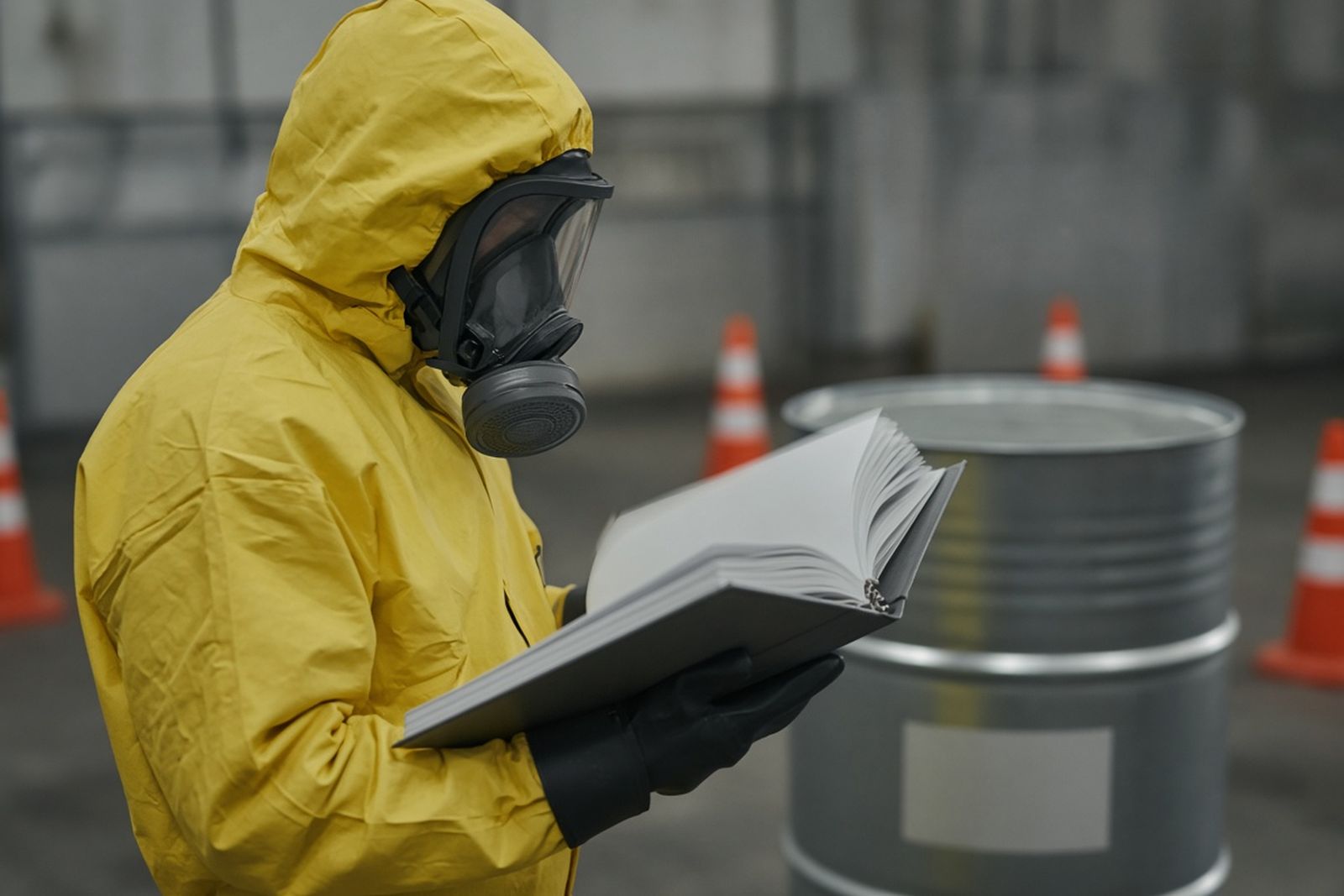
Technician in a yellow suit and respirator reading a safety data sheet binder beside a drum
Illustrative photo, not a job record. Technician in a yellow suit and respirator reading a safety data sheet binder beside a drum.
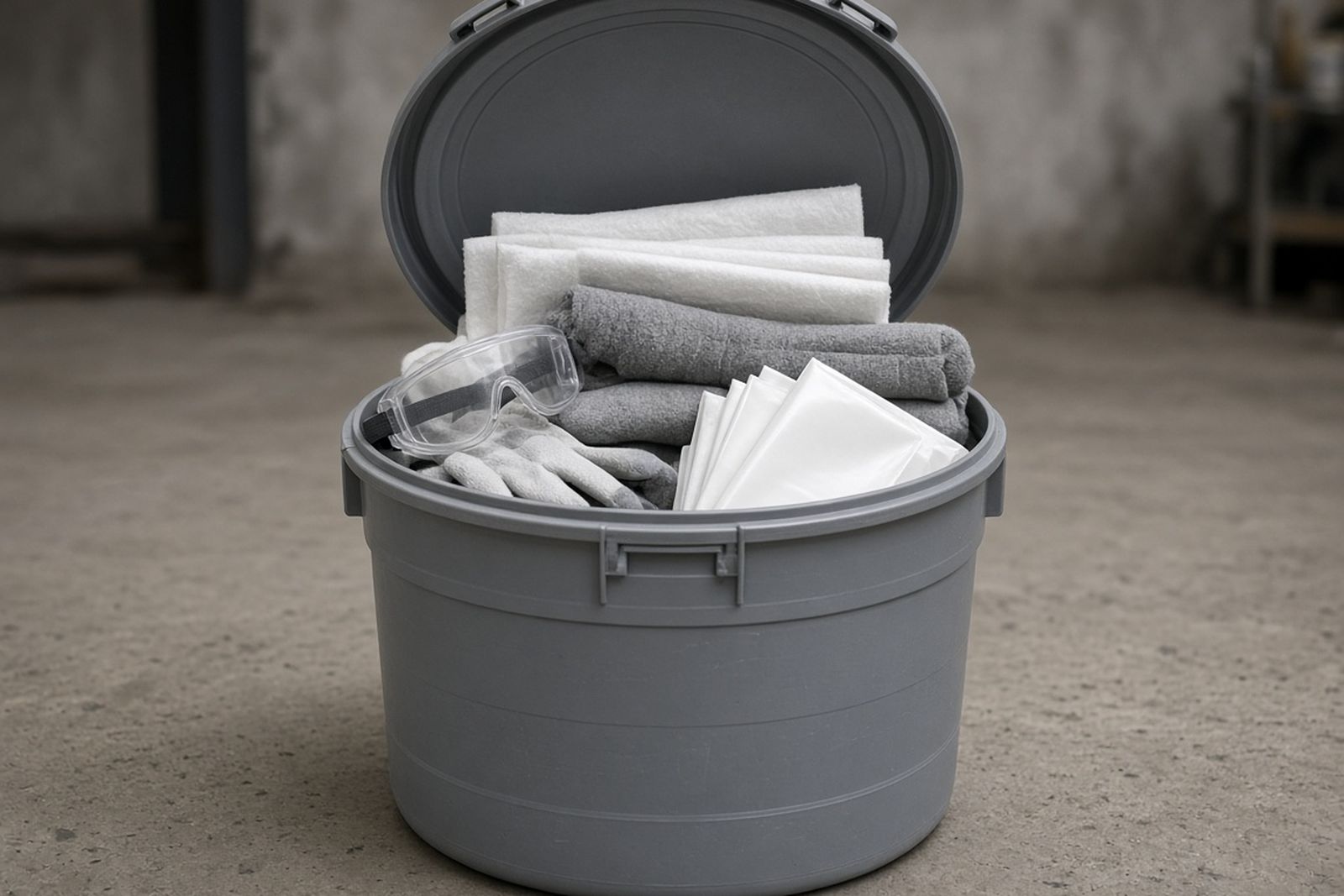
Open spill kit drum holding absorbent pads, goggles, gloves and disposal bags
Illustrative photo, not a job record. Open spill kit drum holding absorbent pads, goggles, gloves and disposal bags.

Hazmat Spill Response figures to keep in mind

National and research figures, not Washington data. Local conditions, rules and providers vary; use these for scale and context only.

52

Over ten years, 52 people died and 160 were injured in hazmat incidents involving tractor-trailers in transit, with human error behind 18 percent of incidents.

Read with care: Counts depend on carrier self-reporting.

Source: PHMSA data (via CBS News) (2023)United States, PHMSA in-transit truck incidents, ten years

34

Hazmat transportation fatalities fell from 60 in 2011-2015 to 34 in 2016-2020, almost all of them on highways.

Read with care: Five-year totals, not annual figures.

Source: PHMSA Incident Statistics Portal (via ICC Compliance Center) (2021)United States, all modes, 2011-2020

70%

70% in affected counties reported following recommended behaviours.

Read with care: Self-reported behaviour; event-specific communications.

Source: Savoia et al. (2015)690 West Virginia adults surveyed online in February 2014, including affected and unaffected areas.

These figures are public research and agency data, not this network's own job records. Keep each number with its population, year and limits; none of them predicts cost, timing or outcome at a specific property.

Plan before you reach out

Use the first 24 hours planner for immediate steps and the provider vetting checklist to confirm any Washington provider's training, insurance and waste path in writing.

What research has found

Findings from published studies of people and properties in situations like this one. They describe what researchers observed in a specific group; they are not predictions for your case.

Greater perceived risk was associated with compliance.
Who was studied: 690 West Virginia adults surveyed online in February 2014, including affected and unaffected areas.Limits: Self-reported behaviour; event-specific communications.Public response to the 2014 chemical spill in West Virginia: knowledge, opinions and beh… (2015)
Nearer-zone residents more often reported eye irritation, breathlessness and agitated behaviour attributed to exposure.
Who was studied: 204 household representatives surveyed in two distance zones, September 2012.Limits: Reported symptoms and odor; not measured individual exposure doses.Community health assessment following mercaptan spill: Eight Mile, Alabama (2014)

Hazmat Spill Response community polls

Poll results

Every count is a real visitor vote; nothing is seeded or padded. One vote per poll per device, and you can change your answer.

Safety

How prepared is your site for a chemical or fuel spill right now?

No visitor votes yet
Your experience

In your most recent spill, what was the first action taken?

No visitor votes yet

Planning cleanup in Washington?

Send a short message about the property to the follow-up inbox. A coordinator can reply by email with next steps.

Your request is sent to the follow-up inbox. A coordinator can reply by email.

If anyone is hurt or in danger, call 911 first.