Manhattan, NY

Hazmat Spill Response in Manhattan, NY

What to do, who to contact, and what to ask in Manhattan.

Spill in a Manhattan garage, hotel basement or vault? Clear the level, call 911, block the alley drains, and get readings before elevators restart.

Get an email reply about hazmat spill response

Send a short message to the follow-up inbox. A coordinator can reply by email. This form does not send emergency help; call 911 first if anyone is in danger.

Tell us what you need help with. Share a short description; please leave out medical details, access codes, and other sensitive information.

A request does not confirm a booking. For immediate danger, contact local emergency services.

Or email info@hazmatspillcleanup.online

The short answer for Manhattan, NY

In a Manhattan tower, hotel or loft building, a spill in the valet basement or a sidewalk vault can ride the elevator shafts to floors far above. Burning eyes, a headache or a spreading film means you clear that level and call 911. Do not send porters or engineers in. Then learn what FDNY needs and when elevators can restart.

What to do, step by step

  1. 1

    Clear the valet level and hold guests in the lobby

    Burning eyes, a headache or a spreading film on the valet ramp means you clear the basement, hold guests in the lobby and call 911. Do not send engineers into the fumes. Control sparks only when told to, and do not aim fans at elevator machinery. Tape off the ramp, the doors the draft is blowing toward and any machine room that shares air. Tell dispatch which side street reaches your garage entrance.

  2. 2

    Give responders the SDS and leave totes sealed

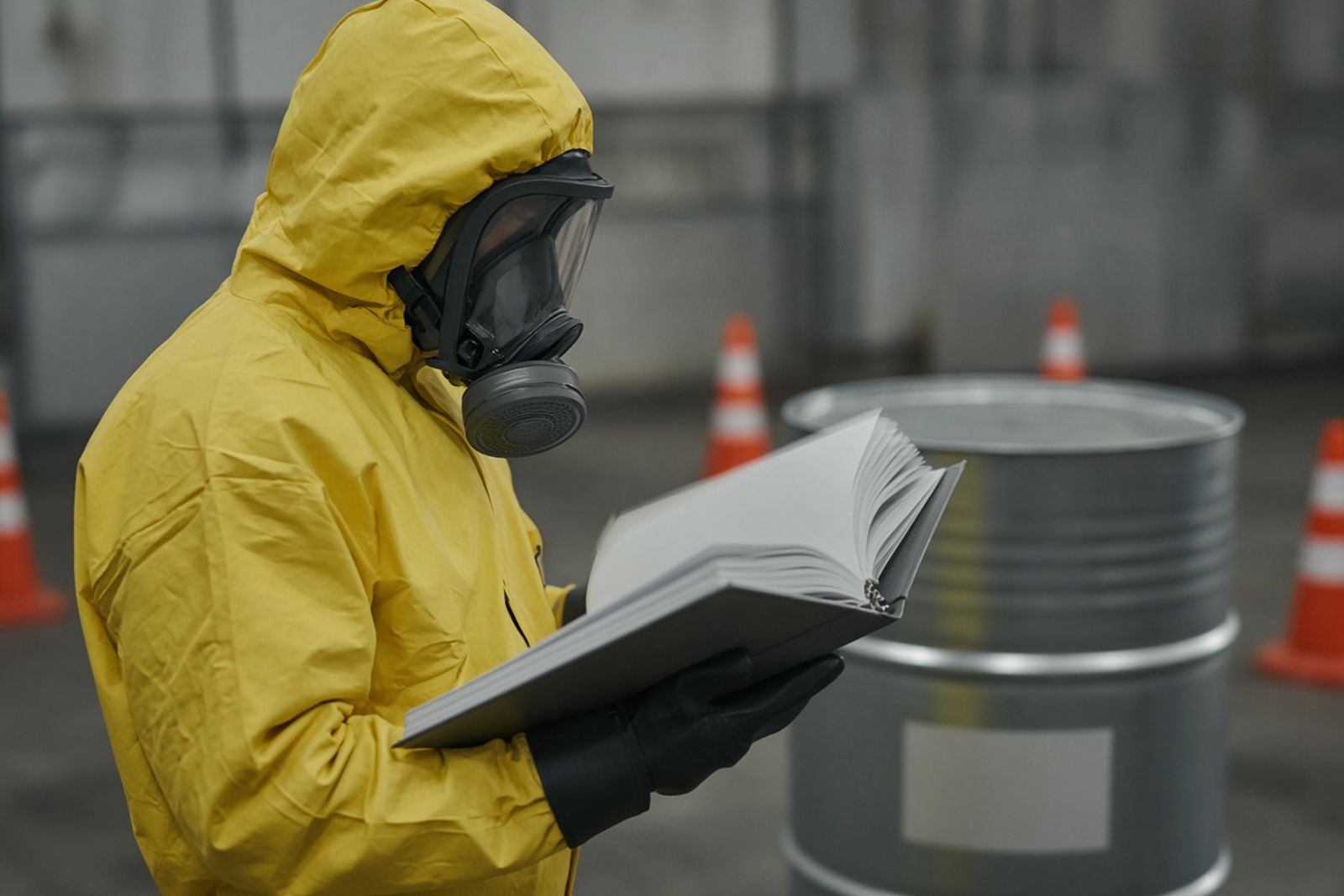
    Responders want your SDS, purchase lists and readable labels before they pick absorbents. Nobody in your building cracks totes to see what is inside, event or no event. Brand names help. Unknowns stay closed off. A porter's bleach bucket near spilled fuel in a hotel basement can start a reaction. Federal worker safety rules exist so that hotel crews never guess at chemistry. The binder in the super's office is the thing to fetch.

  3. 3

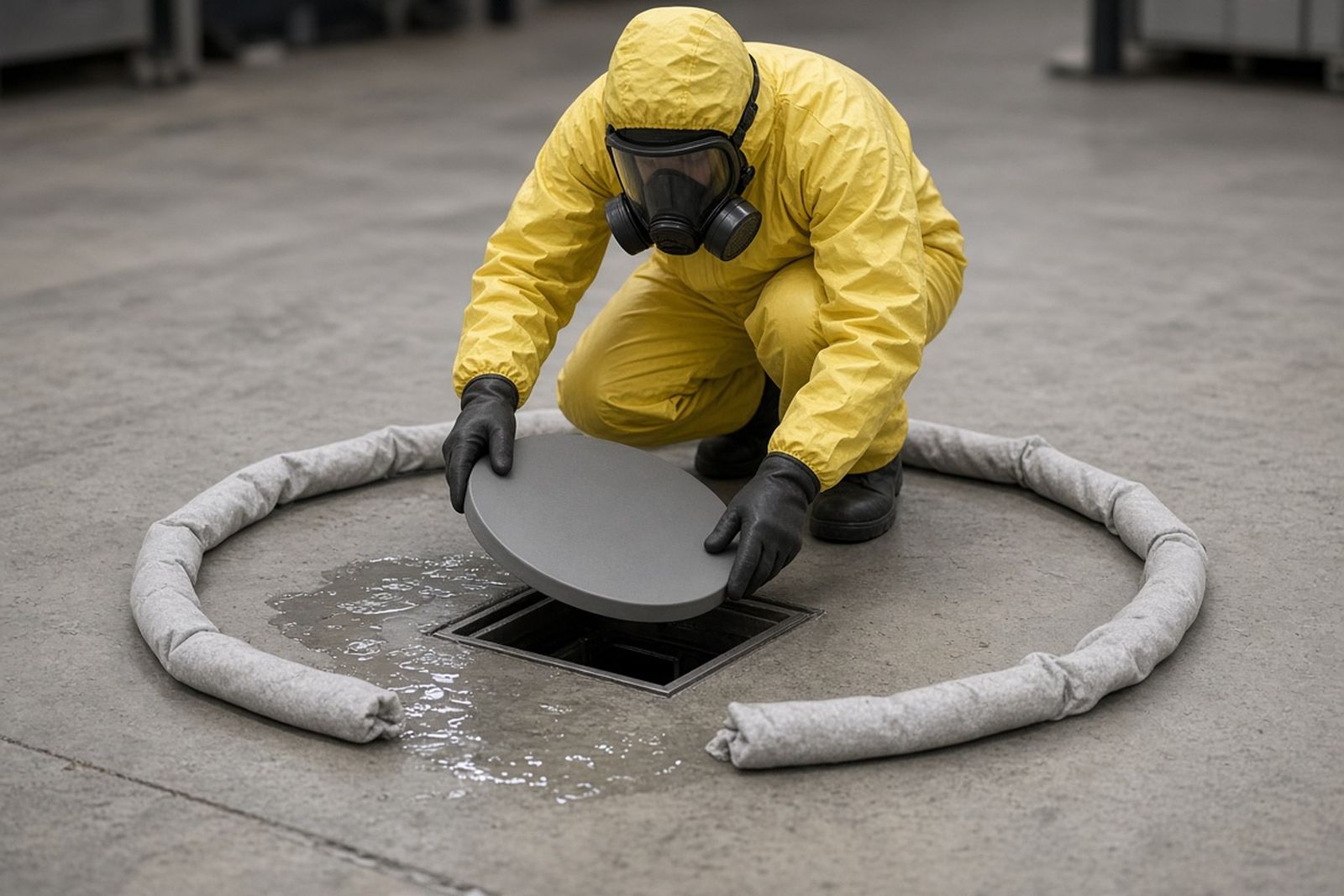
    Have the avenue catch basin and vault grates blocked

    Once the product is named, a good crew blocks the avenue catch basin and your vault grates first. If product reaches a catch basin, FDNY may bring in state or city environmental staff. Crowds of shoppers do not shrink those duties. From the sidewalk, photograph where the film was moving, because that helps the crew explain its path to state staff later. Keep your porters and their hoses well away from the ramp.

  4. 4

    Check the shafts before elevators restart

    In a Midtown tower, fumes from your valet level can ride elevator shafts and air returns to floors far above. So clearance may need readings on several floors, not just a dry slab. Log who approved restarting the garage exhaust and freight elevator, and which readings backed it. Then your condo board or hotel can answer questions from guests and insurers later. Keep the hauler's shipping records and the drum list in the same file.

What cleanup is like in Manhattan

Delivery lines on the avenues, hotel basements and loft conversions pack your spill in next to parked cars, charger banks and freight elevators, not open yards. Guests and vendors can turn one smell into many complaints within minutes. If you run the building, name the garage and freight elevator operators who will meet the fire trucks. Do it before anyone walks into fumes to check the smell. A pretty lobby never matters more than getting people out, and your staff should hear that from you ahead of time.

Sidewalk vaults and alley sumps sit a few feet from city inlets. A hose rinse toward the planters can set off a storm water event with federal and state duties. Your people come out first. Lights, chargers and car engines are left for responders to control, and porters must not pour bleach on unknowns. The contractor's SDS binder in the super's office is useful. The unlabeled bucket in the basement is not worth a trip. NYS DEC spill rules and FDNY command shape the local response, and the National Response Center (NRC) may apply to certain releases.

If you sit on a condo board or own commercial space, you will want four things. They are photos from a safe distance, closed drums left closed, a log of who unlocked what and the agency numbers. Used pads cannot go into the sidewalk bin for tonight's pickup. Ask that clearance for your elevators, valet levels and showrooms cite air or wipe targets when shafts may have pulled up fumes. The order is people, the product's name, holding it, legal waste and a written reopen. Skipping a step to please guests only moves the problem to a later date.

What to expect for your type of home

  • Valet basements: Fumes collect right beside car ignitions and light circuits. Clear the level, stop cars from moving and leave the lights as they are until FDNY arrives.
  • Buildings with freight elevator banks: Name an operator ahead of time, so crews and their gear are not stuck upstairs while the spill spreads below.
  • Hotels with a generator vault: Diesel stored with remodel solvents in one vault is an unsafe mix until the SDS is on hand. Tell FDNY both are in there.
  • Buildings with overnight porters: Put in their duties that they do not mop or hose a chemical film. They close the door and call the manager.
  • Blocks with alley trench drains: Under unbroken Manhattan pavement, these give a leak very little time before it travels. Keep hoses away from the ramp.
  • Showrooms full of fabric: Items may need to be removed rather than scrubbed hard once solvent has soaked in. Ask for a list of what was taken out.

Papers and records to keep

  • Photos from a safe spot of sheen paths into alley vaults or street inlets
  • SDS or contractor lists given to responders, never guesses based on smell
  • When the smell was reported, when the ramp was closed and who unlocked the freight elevator
  • Incident numbers given by FDNY, DEC or city environmental staff
  • What the crew used on the ramp and how much they pulled back
  • Lab profiles, package counts, haulers and the shipping record for loads that left by the avenue curb
  • Air or sample results for reopening the elevators and the lobby
  • When your condo board or hotel told its pollution carrier, and what the broker wrote back

Local offices and official help

Common questions in Manhattan

Our garage attendant smells paint thinner two levels down. What is the first move?

Get everyone up and out of those levels and call 911. Do not sniff puddles or send night cleaners to rinse toward a vault drain. From the top of the ramp, note labels and vendor names. Hand the garage contacts and any SDS to FDNY. Tell dispatch which side street reaches the garage entrance, then wait upstairs with guests. Midtown traffic can slow arrival. That is a reason to call early, not to start cleaning.
Why do fumes in the basement matter to people on the upper floors?

Elevator shafts, stair pressure systems and shared air ducts can pull basement fumes into lobbies and upper floors within minutes. An open estate pad rarely acts like a chimney that way, but a tower does. So clearance must cover the air paths, not only the slab. Scent cover-ups hide the exposure instead of fixing it. If you sit on the board, demand written air targets before the elevators restart.

What should our building do about the alley trench drain during a spill?

Treat every alley trench drain on a Manhattan block as a fast route to the harbor. Hosing the ramp sends the film into the street and can turn a small problem into one you must report. Planters are not a dumping spot either. Photos of where the film was moving, taken from the sidewalk, help crews later when they test the waste and explain its path to state staff.

What waste papers should our condo board keep?

Keep the hauler's waste shipping records and the drum list in the condo file. Attach the air results and FDNY case number to any insurance claim. If cleanup continues in phases after the emergency, keep that work separate from the emergency shipping records, in writing. Ask the management company for copies now. Papers are much harder to track down a year later, when a buyer's lawyer or an insurer asks for them.

When can our valet basement reopen after guests complained of fumes?

When targets that fit the hazard are met, and any shafts that may have pulled up fumes have been checked. Air tests are often part of this. Dry concrete is not enough. Log who approved it and the readings. If guests or staff still have symptoms, the basement stays closed. Ask whether FDNY or the state set any conditions, and see them closed out before cars go back down.

A hotel guest reports a chemical smell in the room. What should we do?

Move the guest to a room on a different floor and ask how they feel. A guest who feels unwell, or a heavy odor, means a call to 911. Engineering should check whether the smell comes through a shaft, bathroom vent or hallway, without staff lingering in it. Close the room until the source is found and cleared. Log the report, the time and the room number.

A sidewalk vault or grate near me smells of fuel. What should I do?

Move away from the grate and keep others back. Do not smoke or use lighters nearby. Call 911 if the smell is strong or spreading, or if you see liquid. For a faint smell that lasts, you can report it through 311 and let the building owner know. Do not lift the grate or open the vault. Note the nearest address so responders can find the spot quickly.

Technician in a yellow suit and respirator reading a safety data sheet binder beside a drum
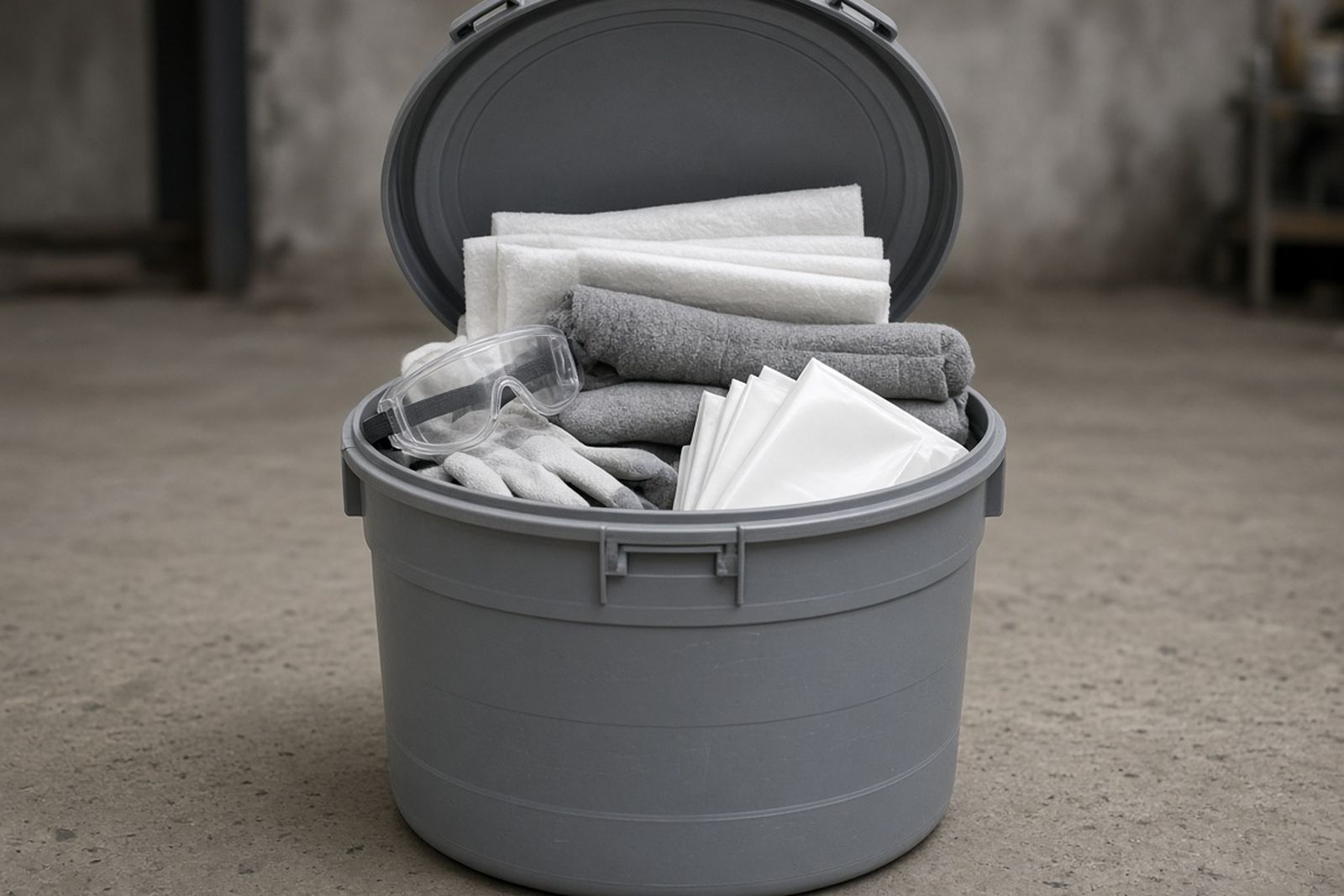
Open spill kit drum holding absorbent pads, goggles, gloves and disposal bags

Facts worth knowing

  • After a 2014 spill in West Virginia, people who got information quickly were more likely to follow the recommended safety steps.

    Why it matters: If your site has a spill, tell affected people fast and clearly; delays may mean fewer follow your safety instructions.

    Source: Savoia et al., 2015

  • In a September 2012 survey of 204 households near a chemical odor incident, 36.5% said they sought medical care for symptoms they linked to the odor.

    Why it matters: If your site releases a strong odor, expect neighbors to seek medical care; tell them quickly what was released and what to do.

    Source: Behbod et al., 2014

  • Sites must report qualifying accidental chemical releases to the Chemical Safety Board within 8 hours; PG&E paid a $45,273 penalty in 2025 for reporting late.

    Why it matters: Know before an accident who at your site will make this report, because the deadline is short.

    Source: EPA/CSB (via Spencer Fane), 2025

Tools that help right now

What would you do?

Poll results

Vote to see how other people answered. You can change your answer at any time.

Safety

How prepared is your site for a chemical or fuel spill right now?

Be the first to vote
Your experience

In your most recent spill, what was the first action taken?

Be the first to vote

Need help in Manhattan?

Send a short message about the property to the follow-up inbox. A coordinator can reply by email with next steps.

Your request is sent to the follow-up inbox. A coordinator can reply by email.

If anyone is hurt or in danger, call 911 first.