Northeast · US

Hazmat Spill Response in Brooklyn, NY

Planning hazmat spill response in Brooklyn, NY

Brooklyn warehouse and cellar spill guide: isolate bays, SDS not shop chemistry, berm Gowanus drains, FDNY/DEC notice, RCRA waste documentation. This is planning guidance, not a claim of a local office or crew in Brooklyn.

Get an email reply about hazmat spill response

Send a short message to the follow-up inbox. A coordinator can reply by email. This form does not send emergency help; call 911 first if anyone is in danger.

Tell us what you need help with. Share a short description; please leave out medical details, access codes, and other sensitive information.

A request does not confirm a booking. For immediate danger, contact local emergency services.

Or email info@prompartybuses.com

Direct answer

The short answer for Brooklyn, NY

Paving near the Gowanus, sheds at the edge of the Navy Yard, old brownstone coal-bin cellars, and warehouse bays turned into new uses all see spills. Think paint solvents, heating oil, glues, and unlabeled totes from gut renovations. Getting people clear comes first. The Safety Data Sheet (SDS) replaces chemistry on the shop floor. Barriers on paths to the canal and harbor go with FDNY and state Department of Environmental Conservation (NYS DEC) teamwork. The waste shipping record, under federal hazardous waste law (RCRA) where it may apply, and reopen notes for each bay finish the plan. There is no local crew claim and no promised arrival time.

Editorial guide · Biohazard Remediation NetworkUpdated 2026-07-22Location focus: Brooklyn, NY

Local planning context

Reused warehouses, auto repair alleys, and brownstone cellars create a mix that Midtown valet guides miss. Here you find stocks of paint and thinner, heating oil tanks, glue drums, piles of batteries, and gut renovation leftovers. Shop managers and supers often see a film on the floor before they read a label. Closing it off and calling 911 matter more than wiping it up before the next shift. Narrow streets and double-parked box trucks make staging hard. Name the bay contacts early, without walking through fumes.

Old industrial sewer lines and trenches by the canal can carry product toward the water under courtyards. Hosing down after hours is a common way a spill grows. Workers follow FDNY on whether to leave the building. An SDS from the supplier, if you can get it without exposure, helps trained crews. NYS DEC and the city DEP set the rules for environmental notice. A big enough oil or chemical release in the canal area may also go to the National Response Center (NRC).

Co-ops and small manufacturers share alleys, so keep messages to the facts: which bay is closed, which drains to avoid, and who waits for fire officials. Log units, staging limits, and who unlocked doors. After recovery, keep the waste test results, the waste shipping record, and written reopen targets for porous brick cellars. A rush order on the shop floor never skips a step.
Property considerations

Brownstone coal-bin cellars trap heavy fumes at the stair landings. Get out before trying any window tricks.

Warehouse trench drains may tie into old industrial sewer lines that head toward the canal.

Paint, thinner, and fuel kept in one bay should be treated as a bad mix until the SDS is found.

Shop contracts near the Gowanus should forbid washing spills into nearby grates.

On narrow blocks, name a hydrant and a bay contact outside the danger zone before trucks arrive.

Bare brick and dirt floors may need to be removed rather than scrubbed hard once product has soaked in.

Response-planning framework

Empty the warehouse bay and cellar stairs first

If apprentices feel sick or the thinner keeps spreading, clear the shop and call 911. Skip shop fans pointed at electric panels. Tape off the bay, the doors downwind, and the cellar stairs that connect to it.

Supplier SDS and trade names—no thinner “tests”

Pass labels and the SDS from a safe office. Do not open drums to check the color or smell. Field checks fill the gaps. Absorbent pads come out only once someone knows the product. OSHA's rules on chemical labels and emergency cleanup explain why shop floor chemistry fails.

Canal-edge berms with DEC and fire notice

After the product is named, trained crews stop it with barriers and matching absorbents before it reaches alley drains near the Gowanus. State environmental staff may follow up there. Federal reporting limits and National Response Center calls may apply. A block's industrial past does not shrink those duties.

Bay-by-bay waste files and porous-brick clearance

Old brick cellars in brownstones and converted warehouses soak up oil and thinner. So clearance may need air or wipe results, not just a patched floor that looks dry. Keep a separate reopen note for each unit or bay. Pads and recovered liquid are tested and shipped with the waste shipping record. The co-op or shop owner keeps copies with the building's records.

Documentation checklist

  1. 1Safe photos of the sheen compared to courtyard, alley, or canal-edge inlets
  2. 2Paint, fuel, or glue SDS handed over, with no guesses based on smell
  3. 3Who opened the warehouse or cellar for firefighters
  4. 4Fire and DEC or environmental reference numbers
  5. 5Where barriers went in the bay or cellar, absorbent types, and amounts recovered
  6. 6Lab profiles, drum counts, haulers, and the waste shipping record for loads from the bay or cellar
  7. 7Readings that allowed the shop or cellar to reopen
  8. 8Dates the shop or co-op filed a pollution or property claim

Official resources

Questions for this location

Paint thinner pools in a waterfront warehouse bay. What should the shop lead do?

Get everyone out of the warehouse bay, and call 911 if the fumes are heavy. Do not rinse toward a trench drain after hours. From outside, note drum labels and which contractors are there. Hand bay contacts and the SDS to responders. Notes on staging in narrow streets help. They never give permission for home hazmat work or promise a private arrival time.

Why is a Gowanus-adjacent plan unlike a Midtown valet playbook?

Old industrial sewer lines, a sensitive canal edge, porous brick cellars, and blocks that mix shops and homes replace fancy underground valet scenes. Clearance and spread must account for bare floors and courtyard drains. Do not copy examples about avenue freight elevators wholesale. Production deadlines still never pause DEC notice when product leaves the pad.

Can a shop push solvent residue into a courtyard drain to reopen for morning shift?

No. Courtyard drains can feed city or canal-side systems, which widens what must be reported. The right control is barriers and matching absorbents once the product is known. Photos are worth more than a rinsed floor with no records. Protecting paths to the water is not a quick tidy-up before the shift.

What should a coop archive after cellar heating-oil recovery?

Keep the waste shipping records. Pads soaked with paint thinner or heating oil in a brownstone cellar often fall under federal hazardous waste rules that may apply. Add the cellar air readings to the claim. Write up any longer cleanup separately from the emergency waste files.

How is reopen decided for a brownstone cellar after solvent vapors?

Use targets that fit the hazard, often including air tests. This matters even more with porous brick and bare floors. Check the paths through the stairs and air ducts. Record who approved it and the readings. If the smell stays, the cellar stays closed. Rent due dates do not replace written science or open agency conditions.

What should a Brooklyn brownstone owner know about old heating-oil tanks in the cellar?

Many older homes have oil tanks that may still hold fuel, even if the heat was switched over. A rusted or leaking tank can release oil into the cellar floor or soil. If you smell oil or see stains, call your oil company or a tank contractor. Call emergency services if the smell is strong. Before selling or renovating, ask a qualified contractor about the tank and whether it should be removed.

How should Brooklyn makerspaces and small shops store paints and solvents?

Keep liquids that burn in closed, labeled containers. Use a fire-rated cabinet if you have one, away from heaters and exits. Store only what you need for a few days. Keep Safety Data Sheets in a binder by the door. If a container leaks or spills, stop work and clear the room. Call for help if the fumes are strong. Do not pour leftovers down sinks or into alley drains.

Contact

Get help by email

Send a short message for an email reply about hazmat spill response planning questions for the New York City area.

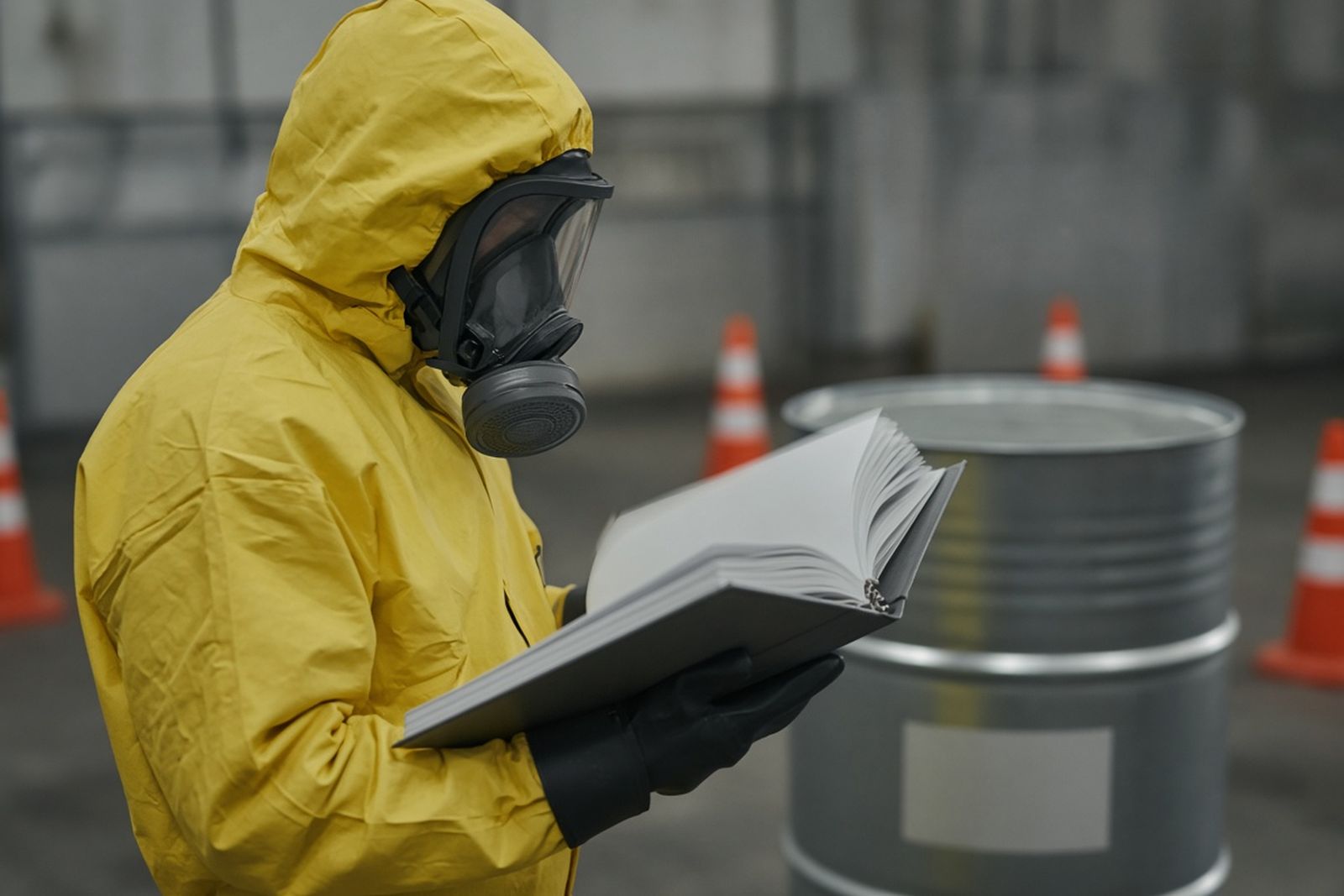
Technician in a yellow suit and respirator reading a safety data sheet binder beside a drum
Illustrative photo, not a job record. Technician in a yellow suit and respirator reading a safety data sheet binder beside a drum.
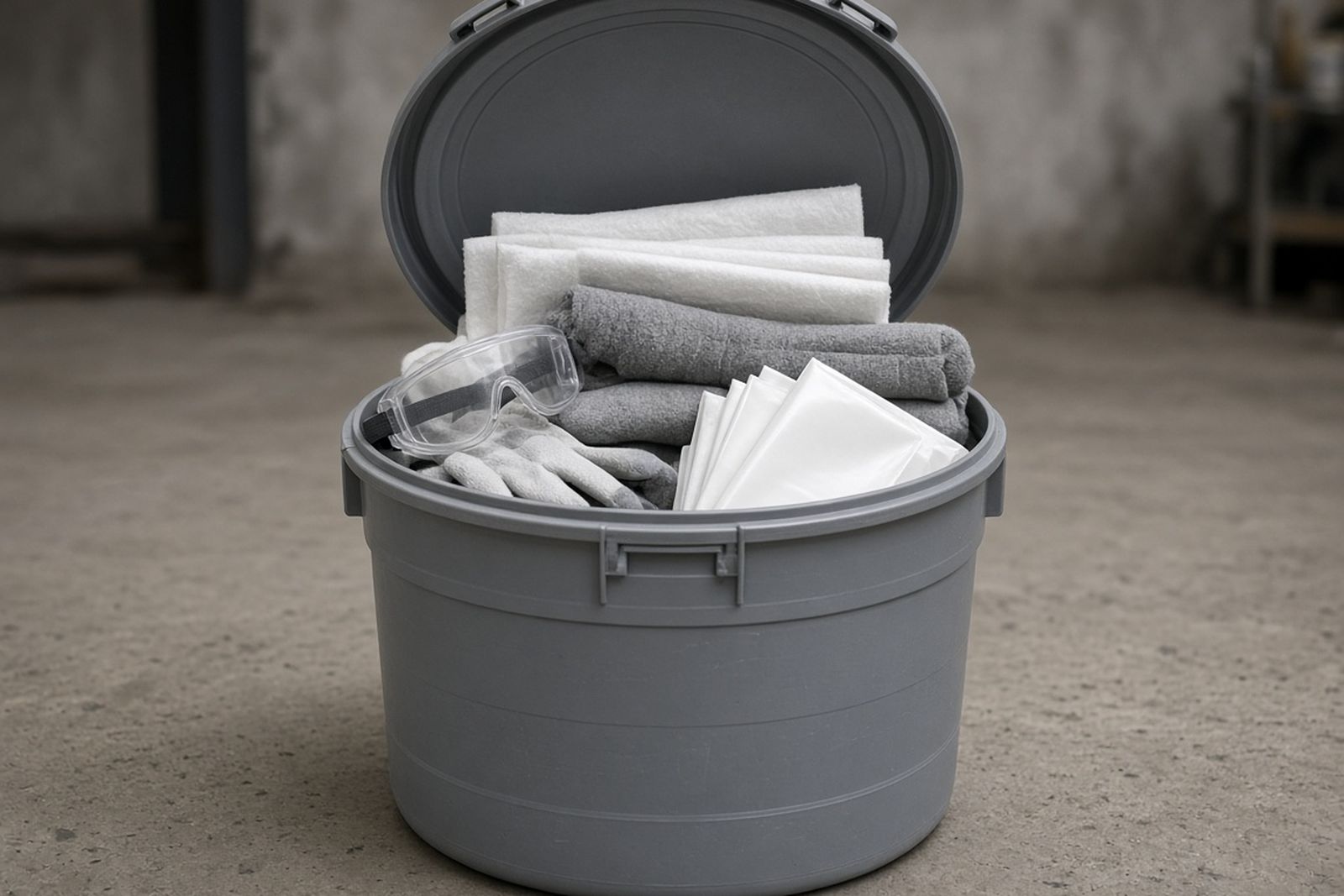
Open spill kit drum holding absorbent pads, goggles, gloves and disposal bags
Illustrative photo, not a job record. Open spill kit drum holding absorbent pads, goggles, gloves and disposal bags.

Hazmat Spill Response figures to keep in mind

National and research figures, not Brooklyn data. Local conditions, rules and providers vary; use these for scale and context only.

$512 million

Tractor-trailer hazmat accidents accounted for 64 percent of all hazmat transportation damages, almost $512 million, over ten years of PHMSA data.

Read with care: Damage figures are carrier-reported estimates on Form 5800.1.

Source: PHMSA data (via CBS News) (2023)United States, PHMSA incident reports, ten-year window ending 2023

11,740

Approximately 11,740 facilities hold current Risk Management Plans with EPA for handling extremely hazardous substances.

Read with care: Count fluctuates as facilities register or deregister.

Source: EPA (2024)United States, RMP-regulated facilities at time of 2024 rule

8 / 24 hours

Emergency responders at the first-responder operations level require at least 8 hours of training, and hazardous materials technicians at least 24 hours.

Read with care: Competency, not just hours, is the regulatory test.

Source: OSHA (2024)United States, 1910.120(q)(6)

These figures are public research and agency data, not this network's own job records. Keep each number with its population, year and limits; none of them predicts cost, timing or outcome at a specific property.

Plan before you reach out

Use the first 24 hours planner for immediate steps and the provider vetting checklist to confirm any Brooklyn provider's training, insurance and waste path in writing.

What research has found

Findings from published studies of people and properties in situations like this one. They describe what researchers observed in a specific group; they are not predictions for your case.

Greater perceived risk was associated with compliance.
Who was studied: 690 West Virginia adults surveyed online in February 2014, including affected and unaffected areas.Limits: Self-reported behaviour; event-specific communications.Public response to the 2014 chemical spill in West Virginia: knowledge, opinions and beh… (2015)
Nearer-zone residents more often reported eye irritation, breathlessness and agitated behaviour attributed to exposure.
Who was studied: 204 household representatives surveyed in two distance zones, September 2012.Limits: Reported symptoms and odor; not measured individual exposure doses.Community health assessment following mercaptan spill: Eight Mile, Alabama (2014)

Hazmat Spill Response community polls

Poll results

Every count is a real visitor vote; nothing is seeded or padded. One vote per poll per device, and you can change your answer.

Safety

How prepared is your site for a chemical or fuel spill right now?

No visitor votes yet
Your experience

In your most recent spill, what was the first action taken?

No visitor votes yet

Planning cleanup in Brooklyn?

Send a short message about the property to the follow-up inbox. A coordinator can reply by email with next steps.

Your request is sent to the follow-up inbox. A coordinator can reply by email.

If anyone is hurt or in danger, call 911 first.