South · US

Hazmat Spill Response in Alpharetta, GA

Planning hazmat spill response in Alpharetta, GA

Alpharetta GA Windward tech-park spill guide: freeze freight docks, EHS SDS support, berm Big Creek ponds, Georgia EPD notice, lab reopen files. This is planning guidance, not a claim of a local office or crew in Alpharetta.

Get an email reply about hazmat spill response

Send a short message to the follow-up inbox. A coordinator can reply by email. This form does not send emergency help; call 911 first if anyone is in danger.

Tell us what you need help with. Share a short description; please leave out medical details, access codes, and other sensitive information.

A request does not confirm a booking. For immediate danger, contact local emergency services.

Or email info@prompartybuses.com

Direct answer

The short answer for Alpharetta, GA

Tech docks at Windward and North Point, loading courts at Avalon, data center day tanks, and school annex closets see lab instrument solvents, diesel films, battery fluid, and unlabeled midnight totes. Guards on patrol usually catch the odor before the campus safety team (EHS) gets there. Stop the freight elevators first. EHS brings its binder of Safety Data Sheets (SDS); nobody grabs a mop. Put barriers at ponds that drain to Big Creek. If a Big Creek pond is hit, state staff at the Georgia Environmental Protection Division (EPD) may get involved. Campus pads could fall under RCRA, the federal waste law. Labs and classrooms reopen on written air targets.

Editorial guide · Biohazard Remediation NetworkUpdated 2026-07-22Location focus: Alpharetta, GA

Local planning context

Tech and mixed-use campuses in North Fulton differ from Buckhead's valet towers. Windward and North Point docks hold lab instrument solvents and battery cabinets. Avalon loading courts take in glues overnight. Data center pads keep large diesel day tanks behind landscaped berms. School annex closets still store teaching chemicals. Empty the bay, stop janitors from going in, and call emergency services. Facility leads do not sniff-test unknowns. On weekdays, campus traffic and school pickup make slow taping more costly.

Decorative wet ponds and trenches in the paving can carry a film toward Big Creek and streams that feed the Chattahoochee faster than a home dry well. Follow fire officials' direction. Lab hoods and data hall fans stay as they are until the fire crew decides. Campus EHS can pull SDS binders from an upstairs office instead of opening drums on the dock.

Campus EHS, school facilities, and Avalon landlords should decide ahead of time which suites empty, which visitor lots freeze, and who meets engines away from the GA 400 ramps. Log dock key cards. A product launch or a school day does not change the order.

Property considerations

Data center day tanks hold large amounts of fuel next to landscaped berms that look decorative until a sheen shows up.

Freight elevators on North Point campuses can lift fumes to labs upstairs.

Avalon's mixed-use alleys pack remodel glues next to shops that are open for business.

North Fulton school storerooms may shelve chemicals that react badly side by side. Treat them as unknown.

Pond grates that drain to Big Creek deserve a barrier sketch before any pressure washing.

Response-planning framework

Freeze Windward freight cars and keep students off aprons

A burning smell, watery eyes, or a tote with no label means the Windward dock shuts. Reroute school buses and staff, and call 911. Do not send custodians to inspect totes.

EHS binders beat dockside detective chemistry

The EHS lead pulls up SDS pages, freight lists, and orders in the main building and brings them out. When drums or totes have no label, trained crews sort them out before choosing absorbents. Overnight cleaners should never mix lab solvent waste with anything to see what happens.

Big Creek pond berms with Georgia EPD coordination

If product reaches landscaped berms, soil, or storm inlets, fire officials and Georgia EPD may both need to be kept informed. Some releases carry more reporting, including the National Response Center. Crews protect pond inlets once the product is known. A product launch or school day does not shrink those duties.

Lab and classroom reopen holds until air criteria are written

Pads from the dock or generator pad are tested and hauled away with a waste shipping record. Students and lab staff return only after meters meet the written numbers. Dry epoxy after solvent fumes does not let students back in.

Documentation checklist

  1. 1When the freight elevator was held and the suite was closed
  2. 2Photos taken from a safe spot of the product compared to pond grates and service vans
  3. 3EHS and Avalon contractor product sheets
  4. 4Alpharetta fire and state case numbers
  5. 5Campus or Avalon engineering contacts who opened garages and freight elevators for responders
  6. 6The waste shipping record for data center diesel pads
  7. 7Readings that allowed labs or classrooms to reopen
  8. 8Messages to tenants or parents that name no guessed chemical

Official resources

Questions for this location

A weeping tote sits on a Windward campus freight dock before morning rounds. What first?

Close the Windward dock, keep engineers and couriers away, and dial 911. Do not mop toward a floor drain. Give the EHS SDS to responders. Point the engine to the right campus gate and wait.
How should tech-park planning differ from Buckhead valet pages?

Freight shafts, wet lab air systems, data center day tanks, and school annex closets replace scripts for luxury tower valet decks. Decorative wet ponds change how fast a spill travels, compared with Peachtree curb cuts. A launch deadline does not waive any notice owed once solvent reaches a campus pond.

Can an Alpharetta facilities crew wash a solvent film into the pond drain before traffic picks up?

No. Rinsing sends it toward campus ponds and Big Creek and can bring state reporting. Keep the hose off and keep people back. Once the product is confirmed, trained teams put barriers ahead of campus storm inlets and soak it up. A phone photo from the dock stairs showing which way it flowed is useful proof.

Which records should an Alpharetta tech campus keep after a dock spill?

The campus files a signed shipping paper for each drum that left North Point or Windward. Add the lab profiles and the EHS sheets that named the solvent or diesel. Include the fire and state case numbers, and the air results for each suite that reopened. Keep dated copies of notices sent to tenants or parents.

Lab solvent smell hung in a Windward hallway overnight. When can staff use it again?

When the hall air passes numbers set for that solvent. A shiny, dry lab floor proves nothing. Check any shafts that may have pulled fumes along. Record who approved it and the readings. If the smell continues, the hallway stays closed.

How should Alpharetta data-center operators plan for diesel spills during generator testing?

Before each test or fuel delivery, confirm that spill kits are stocked and that everyone knows the drains near the tank pad. Name the person who will call 911 if fuel escapes the pad. Keep Safety Data Sheets and emergency contacts in the control room. Stop fueling at the first sign of a leak. Staff should report spills quickly instead of trying to hide them. Trained responders should handle anything beyond a small drip that is fully held in place.

What should Alpharetta parents know about chemical storage in school science rooms?

Schools usually keep lab chemicals in labeled, locked storage. Parents can still ask how the school handles spills and smells. A good answer includes moving students out, calling emergency services when needed, and keeping staff from cleaning unknown products. If your child reports a chemical smell or feels sick after class, contact the school and your doctor. Do not spread guesses about what happened on social media.

Contact

Get help by email

Send a short message for an email reply about hazmat spill response planning questions for the Atlanta area.

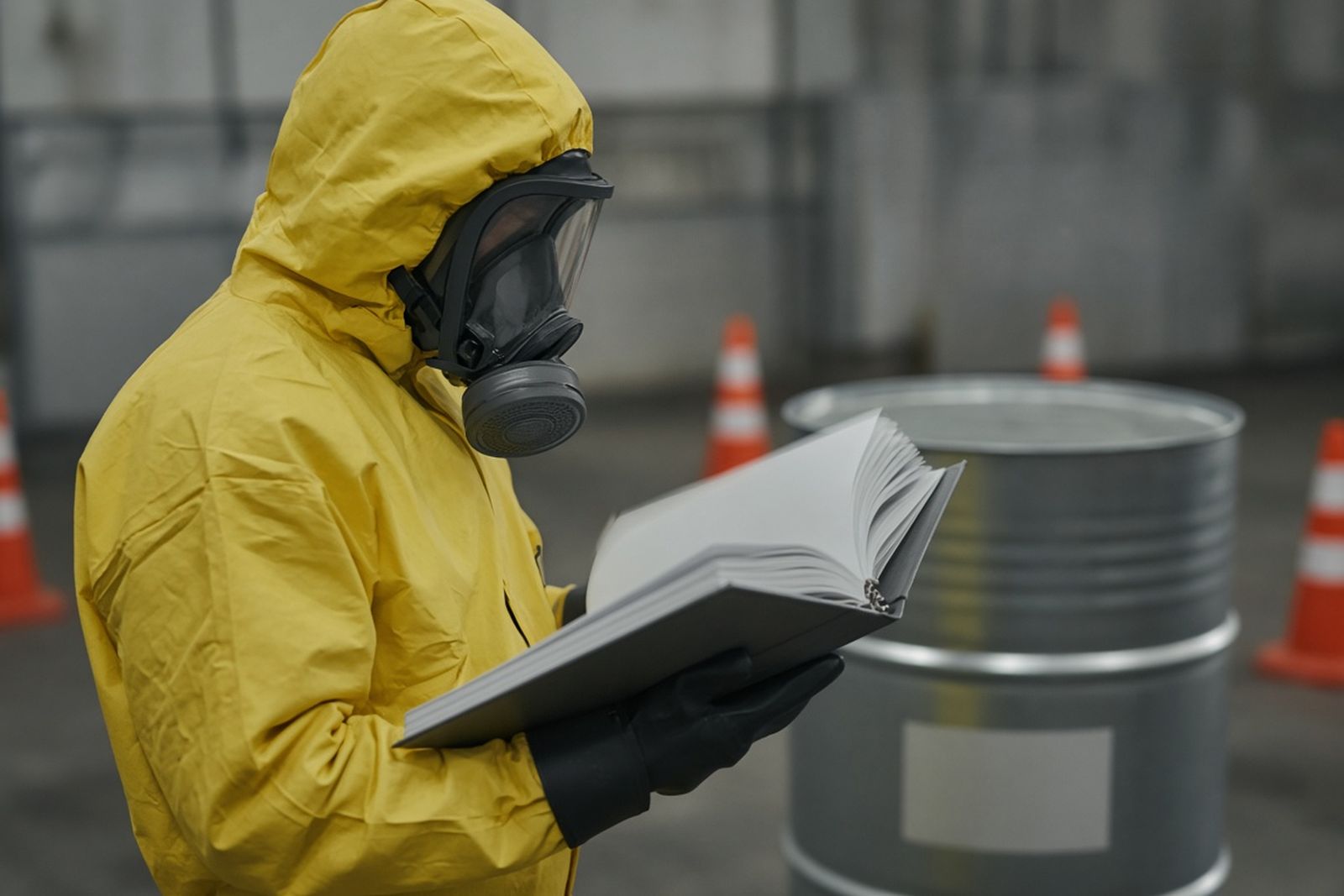
Technician in a yellow suit and respirator reading a safety data sheet binder beside a drum
Illustrative photo, not a job record. Technician in a yellow suit and respirator reading a safety data sheet binder beside a drum.
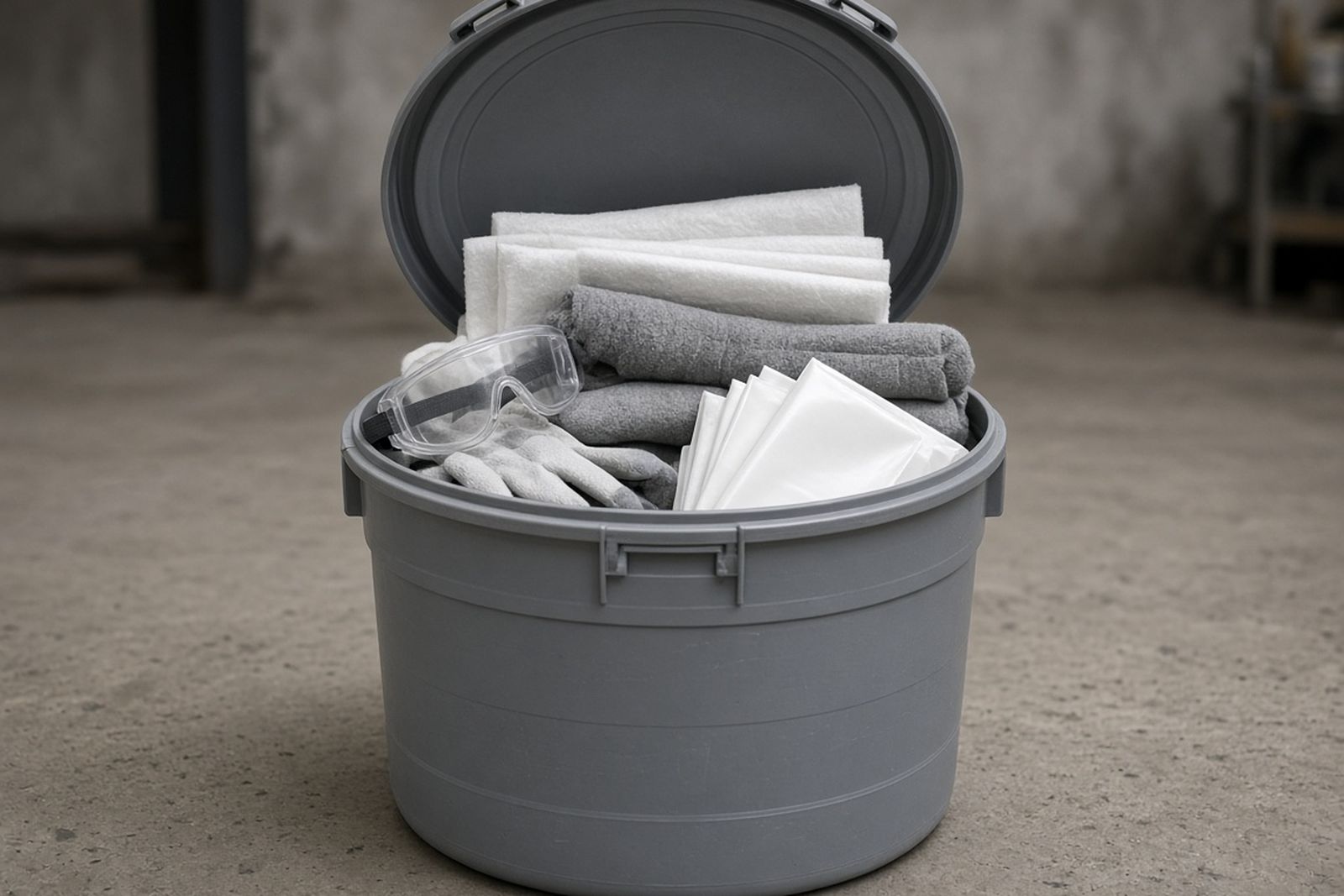
Open spill kit drum holding absorbent pads, goggles, gloves and disposal bags
Illustrative photo, not a job record. Open spill kit drum holding absorbent pads, goggles, gloves and disposal bags.

Hazmat Spill Response figures to keep in mind

National and research figures, not Alpharetta data. Local conditions, rules and providers vary; use these for scale and context only.

24 hours

Workers with occasional or low-exposure site duties need at least 24 hours of HAZWOPER instruction plus one day of supervised field experience.

Read with care: Employers must document exposure levels to justify the shorter course.

Source: OSHA (2024)United States, workers under 1910.120(e)(3)(ii)-(iii)

$540.23 million per year

EPA estimated monetized damages from RMP facility accidents at $540.23 million per year, including $454.58 million in on-site property damage.

Read with care: EPA notes many accident costs, such as responder costs, are not required to be reported.

Source: EPA (2024)United States RMP facilities, 2016-2020 baseline

12

Displaced residents without advance warning had higher depression and PTSD scores than those warned over 12 hours ahead.

Read with care: Related cohort to S059; associations, not proof displacement caused symptoms.

Source: Munro et al. (2017)622 English respondents whose homes flooded in 2013–2014; one-year survey.

These figures are public research and agency data, not this network's own job records. Keep each number with its population, year and limits; none of them predicts cost, timing or outcome at a specific property.

Plan before you reach out

Use the first 24 hours planner for immediate steps and the provider vetting checklist to confirm any Alpharetta provider's training, insurance and waste path in writing.

What research has found

Findings from published studies of people and properties in situations like this one. They describe what researchers observed in a specific group; they are not predictions for your case.

Timely information was associated with compliance.
Who was studied: 690 West Virginia adults surveyed online in February 2014, including affected and unaffected areas.Limits: Self-reported behaviour; event-specific communications.Public response to the 2014 chemical spill in West Virginia: knowledge, opinions and beh… (2015)
Nearer-zone residents reported greater odor severity.
Who was studied: 204 household representatives surveyed in two distance zones, September 2012.Limits: Reported symptoms and odor; not measured individual exposure doses.Community health assessment following mercaptan spill: Eight Mile, Alabama (2014)

Hazmat Spill Response community polls

Poll results

Every count is a real visitor vote; nothing is seeded or padded. One vote per poll per device, and you can change your answer.

Safety

How prepared is your site for a chemical or fuel spill right now?

No visitor votes yet
Your experience

In your most recent spill, what was the first action taken?

No visitor votes yet

Planning cleanup in Alpharetta?

Send a short message about the property to the follow-up inbox. A coordinator can reply by email with next steps.

Your request is sent to the follow-up inbox. A coordinator can reply by email.

If anyone is hurt or in danger, call 911 first.