South · US

Hazmat Spill Response in Potomac, MD

Planning hazmat spill response in Potomac, MD

Potomac MD canal-estate spill planning: people first, SDS not tack-room DIY, protect wells and C&O culverts, MDE notice, waste and cottage reopen. This is planning guidance, not a claim of a local office or crew in Potomac.

Get an email reply about hazmat spill response

Send a short message to the follow-up inbox. A coordinator can reply by email. This form does not send emergency help; call 911 first if anyone is in danger.

Tell us what you need help with. Share a short description; please leave out medical details, access codes, and other sensitive information.

A request does not confirm a booking. For immediate danger, contact local emergency services.

Or email info@prompartybuses.com

Direct answer

The short answer for Potomac, MD

Potomac's acreage along River Road, lots at the edge of the C&O Canal towpath, pesticide sheds in horse barns, and homes on private wells and septic systems all see spills. Diesel films, weed killer concentrates, pool oxidizers, and remodel solvents are common, and trail users often smell trouble first. Safety leads. Safety Data Sheet (SDS) packets replace tack room chemistry. Barriers protect canal culverts and the ground around wells. Maryland Department of the Environment (MDE) and fire notice go along with the waste shipping record under federal hazardous waste law (RCRA) where it may apply. Guest cottages reopen only on air test results. This guide for Potomac acreage owners claims no storefront, crew list, or arrival time.

Editorial guide · Biohazard Remediation NetworkUpdated 2026-07-22Location focus: Potomac, MD

Local planning context

Large-lot homes here mix tractor diesel, barn pesticide concentrates, pool oxidizers, and remodel glue in guest cottages. That is a world away from clinic towers. Walkers on the towpath and neighbors often smell weed killer before a caretaker finds the burst jug. Name who can open the long gated drives for fire trucks before anyone walks into fumes. Party plans never come before getting out and calling 911.

C&O Canal culverts, French drains, and private wellheads raise the stakes when product leaves a pad. A hose rinse toward the plantings can push a private spill into soil, groundwater, or paths to the canal, with state and federal duties. Get the SDS and delivery tickets from a dry office or vehicle. Never open sun-faded jugs beside the well to read them. The state may need to be told when diesel or weed killer leaves the barn pad.

Before any spill, the family office should draft simple scripts for barn and house staff. They say which barns empty, which paths get blocked, and who waves in engines at the River Road gate. From a safe distance, photograph which way a sheen is heading toward culverts or septic fields. Once recovery ends, keep the waste shipping records and cottage test results together. A party on Saturday does not change the order of steps.
Property considerations

Horse barn shelves often hold weed killers next to diesel cans until someone sorts them with the SDS.

Because of private well setbacks, a hose rinse is a groundwater risk, not a shortcut.

Septic fields can hide how far product spread after a quick rinse toward the flower beds.

Landscaping contracts should forbid mopping or hosing near canal culverts.

Pool oxidizers mixed with tractor fuel are a dangerous pair until responders know the products.

Long gated drives need a mapped meeting point for fire trucks before anything happens.

Response-planning framework

Empty the barn aisle; flag engines at the River Road gate

If people have stinging eyes, the liquid is unknown, or the film is growing, move horses and guests away from the barn and cottages and call 911. Give a gate meeting point so fire trucks are not trapped on a long drive. Do not run shop fans that push fumes toward tack rooms.

Vendor SDS and pesticide invoices beat faded jug reading

Ask your feed store, landscaper, or pool service for Safety Data Sheets, and read them from a parked car or the house, not beside the spill. Leave a crusty jug by the well capped, even if the label cannot be read. If no one knows what it is, trained responders treat it as unknown and sort it out before choosing any absorbent.

Canal culvert and well-setback protection with MDE

Crews protect the well and the slope toward the canal first. Near a well or the canal, state environmental staff may join the fire department. Oil or weed killer in the canal can also mean a National Response Center (NRC) call.

Cottage waste packets and odor-based reopen holds

Used pads from barn sheds or tractor leaks are tested under federal waste rules that may apply, and they go to approved sites with the waste shipping record. A dry terrace does not clear cushions or rugs that soaked up product.

Documentation checklist

  1. 1Photos from a safe distance showing the sheen heading toward canal culverts, wells, or septic fields
  2. 2Pesticide invoices, fuel tickets, or remodel SDS given to responders
  3. 3Notes on the River Road gate meeting point, plus who cleared which barns
  4. 4Montgomery County fire and state environmental case numbers
  5. 5How close the product got to the canal ditch, and what was recovered
  6. 6The waste shipping record for pads and jugs hauled down the drive
  7. 7Air or wipe results that allowed the cottage or barn apartment to reopen
  8. 8When you told your insurer

Official resources

Questions for this location

Herbicide concentrate is weeping beside a private well on a River Road lot. What now?

Treat it as a matter of safety and groundwater protection. Clear the pad, keep people and animals out, and call emergency services. Do not hose toward the well or septic field. From upwind, note the container labels and whether liquid is moving. Stay out of the danger zone. Give responders the SDS packets and gate codes. Open the long gate for the engine, then wait by the road.

Why does C&O Canal adjacency change a pad spill story?

Culverts, and water sheeting off the towpath, can carry rinsed product into waterways next to the park. That widens Maryland MDE duties and may bring NRC notice. Once the product is known, barriers and matching absorbents keep weed killer or diesel away from wells and ditches that run to the canal. Photos record the flow paths. A wish for privacy along the towpath does not shrink environmental contacts.

May a landscaping crew neutralize barn diesel with pool chlorine before a party?

No. Pool shock tossed onto tractor diesel can get hot or give off chlorine. Crews guard the perimeter and save the labels. Tell your landscapers and pool service in writing that they must never try to neutralize a spill.

Which barn and cottage records should a Potomac household keep once the spill crew leaves?

For spills at the barn or on the estate, keep the waste test results, a count of the jugs and drums removed, hauler details, and the signed waste shipping record. The barn dumpster is not where used pads go. Add the cottage air results, the fire and state case numbers, and a sketch of how far the product traveled toward the well or canal ditch. Any later soil digging belongs on its own contract.

When can a guest cottage reopen after overnight solvent odor?

Once the cottage air meets the written targets, and any soaked bedding or rugs are dealt with. A breeze off the canal is not clearance. Guests who still cough or tear up keep the cottage locked. An upcoming party or guest weekend never replaces written reopen targets.

How should Potomac horse-farm owners store barn chemicals away from wells and pastures?

Keep fly sprays, weed killers, fuel, and cleaners in their original labeled containers on a raised shelf or tray. Keep them well away from the wellhead, water troughs, and feed. Store fuels apart from oxidizers and pool products. Keep a list of products and their Safety Data Sheets in the house or office, not the barn. If something spills near a well or pasture, keep people and horses away and call for help. Do not hose it down.

What should Potomac residents do if they smell fuel near the C&O Canal towpath?

Move away from the smell. Keep children and dogs back from any sheen on the water or ground. A strong fuel odor, a film spreading on the water or trail, or a hiker who feels ill all mean calling emergency services. Describe the nearest mile marker or access point. For a faint smell that is not urgent, you can tell park staff. Do not try to trace it into the woods or collect samples.

Contact

Get help by email

Send a short message for an email reply about hazmat spill response planning questions for the Washington DC area.

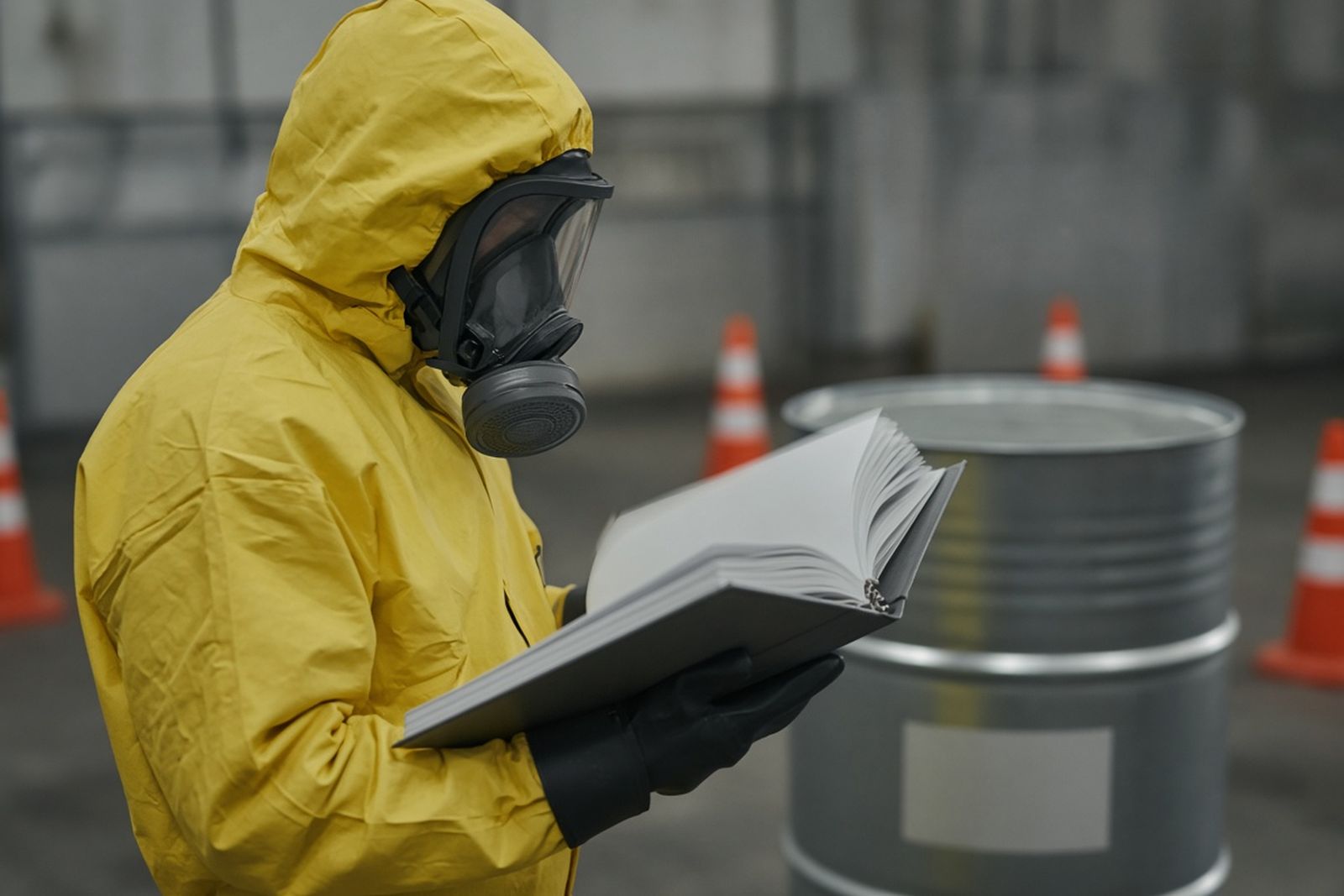
Technician in a yellow suit and respirator reading a safety data sheet binder beside a drum
Illustrative photo, not a job record. Technician in a yellow suit and respirator reading a safety data sheet binder beside a drum.
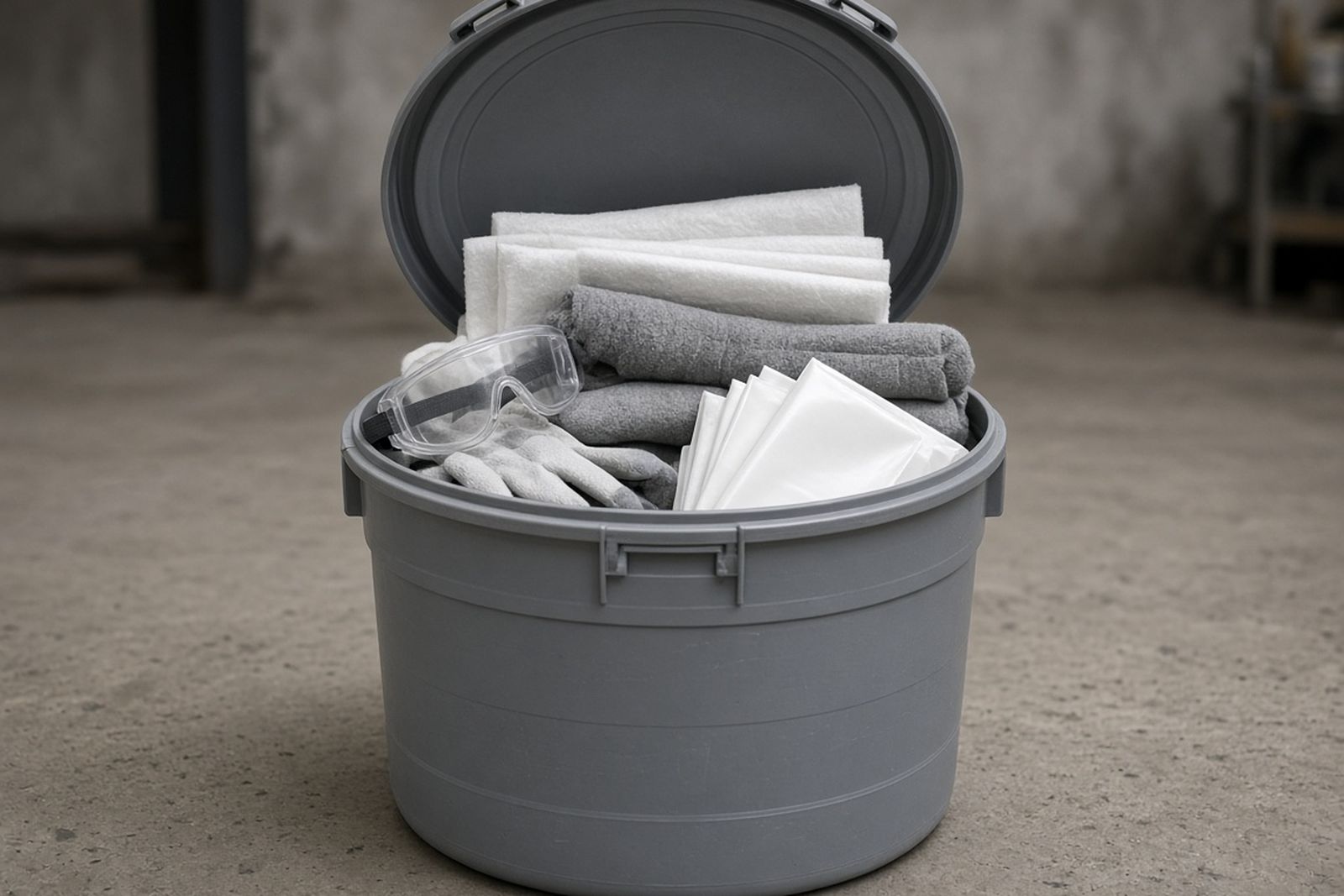
Open spill kit drum holding absorbent pads, goggles, gloves and disposal bags
Illustrative photo, not a job record. Open spill kit drum holding absorbent pads, goggles, gloves and disposal bags.

Hazmat Spill Response figures to keep in mind

National and research figures, not Potomac data. Local conditions, rules and providers vary; use these for scale and context only.

1,500 per year

About 1,500 transportation incidents involving undeclared hazardous materials occur each year, totaling 11,430 over the decade to 2023.

Read with care: Training-company summary of a PHMSA infographic; aerosols, lithium batteries and paint dominate.

Source: PHMSA data (via Lion Technology) (2023)United States, PHMSA incident reports, 2013-2023

46

The Chemical Safety Board received 46 accidental release reports in the three months ending November 2025, the first time its three-month average exceeded 14 events per month.

Read with care: Short window; CSB attributes part of the rise to better compliance.

Source: U.S. Chemical Safety Board (via Safety+Health) (2025)United States, CSB-reportable releases, Sept-Nov 2025

10,000 more filings

PHMSA received about 10,000 more hazmat incident filings in 2022 than in prior years after moving to electronic reporting.

Read with care: Reflects reporting changes as much as real incident growth.

Source: PHMSA statement (via Data Liberation Project) (2023)United States, PHMSA Form 5800.1 filings, 2022

These figures are public research and agency data, not this network's own job records. Keep each number with its population, year and limits; none of them predicts cost, timing or outcome at a specific property.

Plan before you reach out

Use the first 24 hours planner for immediate steps and the provider vetting checklist to confirm any Potomac provider's training, insurance and waste path in writing.

What research has found

Findings from published studies of people and properties in situations like this one. They describe what researchers observed in a specific group; they are not predictions for your case.

Trust in authorities predicted intended compliance.
Who was studied: 601 UK and 602 Polish respondents considering a hypothetical chemical spill.Limits: Intended behaviour, not actual emergency compliance.Communicating public health advice after a chemical spill: UK and Poland national surveys (2013)
All ten homes had detectable water odors before and after plumbing flushing.
Who was studied: Ten West Virginia homes tested two weeks after the January 2014 spill; linked surveys and bench experiments.Limits: One contaminant/event; not a general flushing protocol or current water standard.Residential tap water contamination following the Freedom Industries chemical spill (2015)

Hazmat Spill Response community polls

Poll results

Every count is a real visitor vote; nothing is seeded or padded. One vote per poll per device, and you can change your answer.

Safety

How prepared is your site for a chemical or fuel spill right now?

No visitor votes yet
Your experience

In your most recent spill, what was the first action taken?

No visitor votes yet

Planning cleanup in Potomac?

Send a short message about the property to the follow-up inbox. A coordinator can reply by email with next steps.

Your request is sent to the follow-up inbox. A coordinator can reply by email.

If anyone is hurt or in danger, call 911 first.