Free hazmat spill response tool
Hazmat Spill Response Cost Range Estimator
Set the affected area, surface types, severity and extras to see an educational cost range and the factors that move it.
Spill cleanup prices depend more on the hazard and where the liquid went than on floor space. Size still matters, though. This estimator asks about the area and the surfaces the liquid landed on. Sealed concrete acts differently from asphalt, gravel, or soil. It also asks how serious the spill is. And it asks about extras, such as after-hours callouts, more than one affected zone, vapor or odor control, and removing dirty building parts or soil. It turns those answers into a learning range and lists the drivers behind it. Some items most often turn a small job into a big one. These are naming an unknown product, drains or waterways, waste testing and disposal fees, and testing before reopening.
The result is not a quote. It cannot reflect a certain disposal site's fees or whether vacuum trucks are available near you. It also cannot reflect lab costs if an unknown must be named. Reporting costs and any testing an agency orders are also outside the range. Use the result to know what a contractor's proposal should list. That means callout, labor by role, equipment, and absorbents and containment supplies. It also means waste testing, hauling and disposal for each waste type, cleaning of gear, testing, and help with reports. Ask for each line on its own. Then you can compare proposals, and your insurer can see how the total was built. Question any proposal that lumps everything into one line before you sign.
How to use it
- 1Enter about how much area the liquid covered. Pick the surface types, and tell sealed hard surfaces apart from porous asphalt, gravel, or soil.
- 2Choose a severity that reflects the hazard class, the quantity, and whether drains or soil were affected.
- 3Turn on extras such as after-hours response, more than one zone, vapor control, or digging and removing building parts to see how the range changes.
- 4Copy the list of drivers and the written-scope checklist to compare contractor proposals line by line.
Prefer to ask a person?
Your request is sent to the follow-up inbox. A coordinator can reply by email. Not for emergencies; call 911 first if anyone is in danger.
Estimate a cost range
Hazmat Spill Response cost range estimator
Educational only. Real pricing needs an on-site assessment and a written scope. Insurance coverage is decided by your carrier, not by this tool.
Educational range: $3,000 – $5,000
Scaled from a published reference range (typical biohazard cleanup project, national) reported by Fixr (2025). Your region, provider and the actual findings on site can move the real number outside this range.
Cost level: Mid range.
None of the big cost multipliers are selected. Minimum service charges, travel and waste fees still apply.
Ask every quote to itemize labor, containment, product, waste disposal, verification sampling, and any rebuild, and to state what is excluded.
A worked example
Imagine a made-up warehouse. During a night shift, a forklift punctured a large tote of industrial degreaser near a loading dock. The liquid spread across sealed concrete inside. It ran under the dock door onto asphalt. It reached the edge of a storm drain before a worker placed a drain cover. The next morning, the facility manager opens the estimator. He enters the total indoor and outdoor area. He picks mixed surfaces because the spill touched both sealed concrete and asphalt. He sets a higher severity because the SDS lists the product as corrosive and a drain was nearly involved. He turns on after-hours, since the contractor came overnight. He turns on multiple rooms, because the dock inside and the outside pad both needed work. He turns on odor treatment because vapors hung in the receiving area. He leaves structural removal off, since the asphalt showed no soak-through when checked. The tool returns a range. It names the main drivers as corrosive handling, outdoor surface cleanup, and drain follow-up. With that list, he asks the contractor to list callout, labor, absorbents, and waste testing for the soaked pads. He also asks for hauling and disposal, cleaning of gear, and any wipe tests used to reopen the dock. He sends the same request to a second contractor to compare.
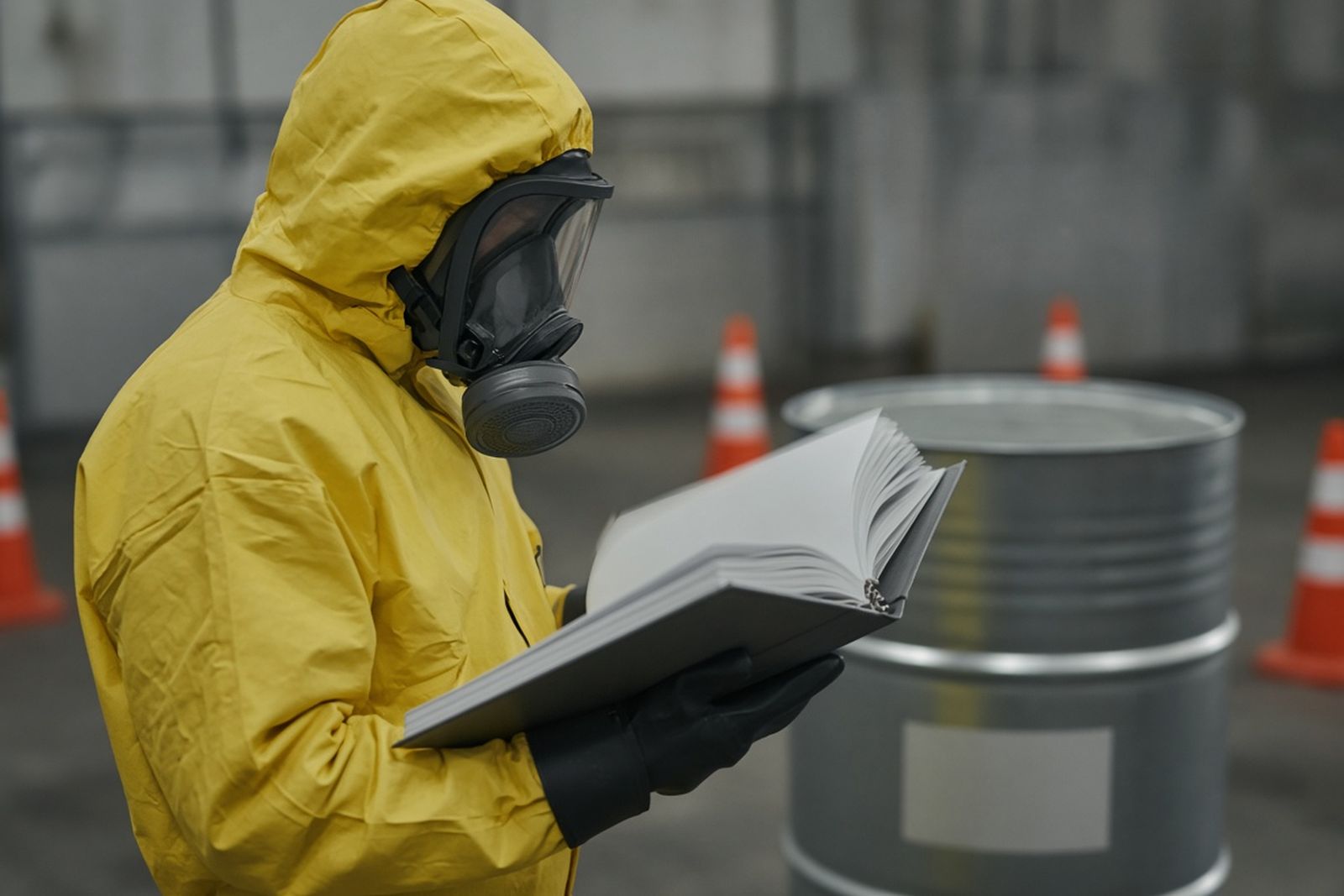
Numbers behind cost estimator decisions
- 8 hours
Facilities must report qualifying accidental chemical releases to the Chemical Safety Board within 8 hours; PG&E paid a $45,273 penalty in 2025 for a late report.
Read with care: Law-firm summary; applies to releases causing death, serious injury or substantial damage.
Source: EPA/CSB (via Spencer Fane) (2025)United States, 40 CFR Part 1604; first enforcement settlement July 2025
- 18%
18% of the insured, inundated-household subgroup reported an insurance dispute or denial.
Read with care: Observational and self-selected; negative-comment denominator is comments, not all insured people.
Source: McKenzie et al. (2022)521 insured, inundated-household respondents from a 2,530-person survey six months after flooding.
- $512 million
Tractor-trailer hazmat accidents accounted for 64 percent of all hazmat transportation damages, almost $512 million, over ten years of PHMSA data.
Read with care: Damage figures are carrier-reported estimates on Form 5800.1.
Source: PHMSA data (via CBS News) (2023)United States, PHMSA incident reports, ten-year window ending 2023
- 40 hours
General hazardous-waste site workers must complete at least 40 hours of off-site HAZWOPER instruction plus three days of supervised field experience.
Read with care: Applies to uncontrolled hazardous waste sites and certain cleanup operations, not every spill.
Source: OSHA (2024)United States, workers under 1910.120(e)(3)
These figures are public research and agency data, not this network's own job records. Keep each number with its population, year and limits; none of them predicts cost, timing or outcome at a specific property.
Cost Range Estimator questions for hazmat spill response
Why do surface types matter so much for a spill?
Sealed concrete or epoxy floors hold liquid on top, where it can be picked up. Asphalt, unsealed concrete, gravel, and soil soak it in. That can mean degreasing, drawing the liquid out, or digging. It can also greatly increase the amount of waste. The estimator gives porous surfaces a lot of weight because they change both labor and disposal.
Does the range include disposal of contaminated soil?
Only as an add-on when you turn on structural or soil removal. The real cost of soil disposal depends on lab tests, what the disposal site will accept, and how far the trucks must go. The tool cannot know any of these. Ask the contractor for a separate price for digging, test samples, and disposal by weight or volume.
How does an unknown substance change cost?
Unknowns need field tests and often lab work before responders can pick a cleanup method or a disposal path. They also call for a more careful level of protective gear. Both add time and cost. The estimator cannot price this testing directly. So treat any unknown as pushing toward the top of the range.
Are reporting and agency interactions included?
No. Whether a spill must be reported depends on the substance, the amount, and the local rules. Any testing or oversight an agency orders is priced separately. Ask your contractor if they help with reporting and how they bill for it. Confirm the rule itself with your state environmental agency. Reporting duties do not depend on insurance.
What should a written scope include that the estimator cannot show?
Look for labor by role and hours, equipment and vehicle charges, and absorbent and containment supplies. Look for waste testing and paperwork, and hauling and disposal for each waste type. Look for cleaning of tools and protective gear, and air or wipe tests before reopening. Look for the records you will get and what the contractor assumes about how deep the spill soaked in. Clear terms for changes to the job belong there too.
How should I set the spread and surface choices for a spill on pavement, gravel, or soil?
The estimator's choices describe building materials, so translate them for outdoor ground. Treat sealed concrete as mostly hard. Treat asphalt and cracked concrete as mixed. Treat gravel or bare soil as mostly porous. If the product soaked into soil or reached a drain, choose the widest spread setting. The result is still only a rough level. So ask contractors to price outdoor digging and drain work as separate lines.
Why does the lingering odor toggle matter for a fuel or solvent spill?
The toggle adds equipment time for odor control after the source is removed. With fuels and solvents, a lasting smell usually means residue is still in cracks, porous materials, or a drain trap. So odor work should come only after removal and vapor readings. If a quote leans heavily on odor machines, ask how the contractor will first confirm that the source is gone.
Related community polls
Every count is a real visitor vote; nothing is seeded or padded. One vote per poll per device, and you can change your answer.
How prepared is your site for a chemical or fuel spill right now?
In your most recent spill, what was the first action taken?
Other hazmat spill response tools
Provider Vetting Checklist
Fifteen questions to ask any remediation provider, a readiness score, and a copyable list of what is still unanswered.
OpenInsurance Claim Organizer
A guided checklist from finding the policy to tracking the carrier decision, with a printable summary of where the claim stands.
OpenFirst 24 Hours Planner
Tell the planner a few facts about the situation and get an ordered list of who to call, what not to touch, and what to photograph.
OpenWaste & Disposal Classifier
Five questions about the material point to the likely waste category and which authority to confirm the rules with.
OpenDIY or Call a Pro? Risk Check
Eight yes-or-no questions that produce a risk level and explain when professional help is the safer choice.
OpenMore on hazmat spill response
Hazmat Spill Response services
Learn how spill response works for chemicals, fuel, oil, and unknown products. It runs from closing off the area and reading the SDS to waste disposal and reopening.
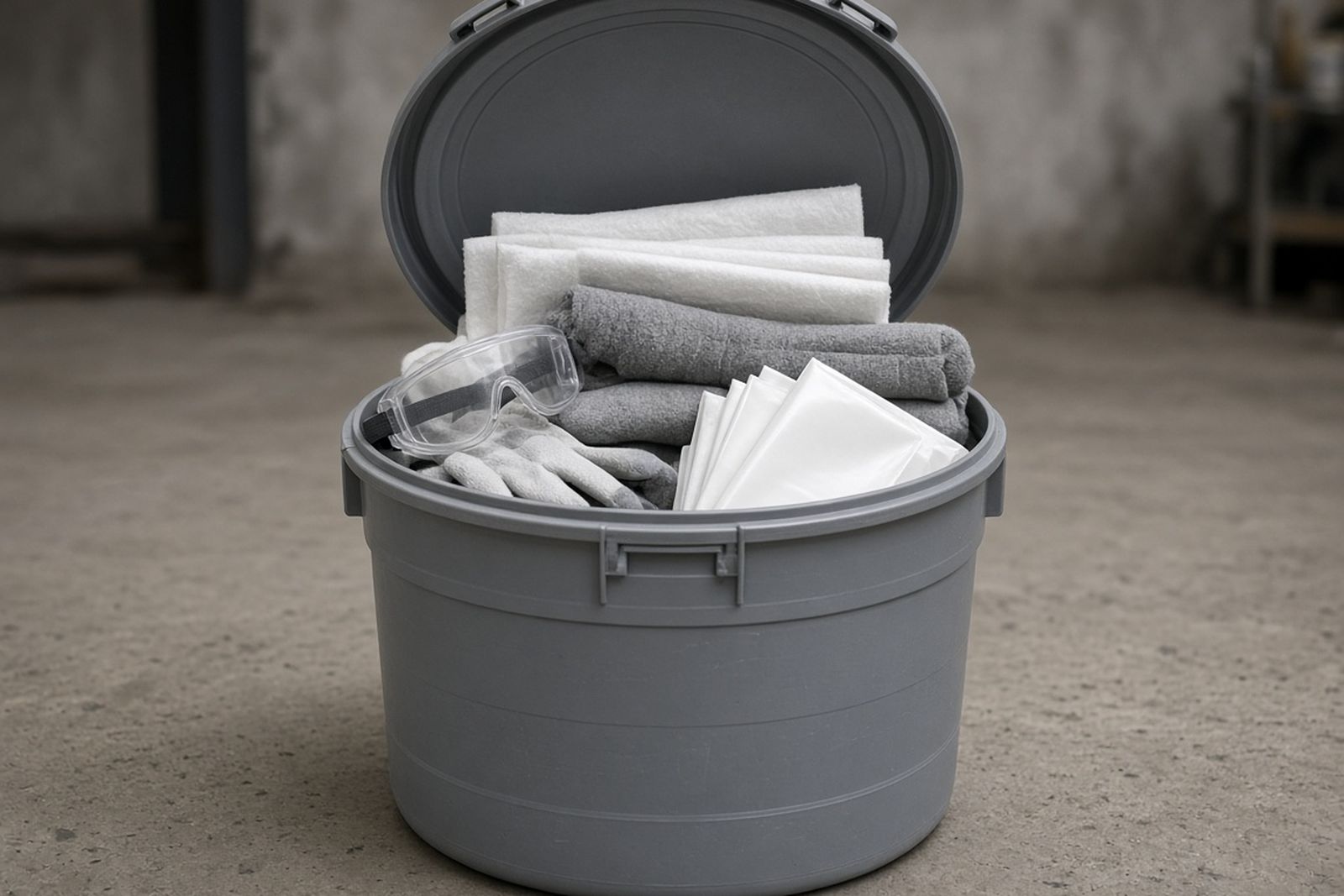
Costs explained
What drives the price, published cost ranges, and how to read a written quote line by line.
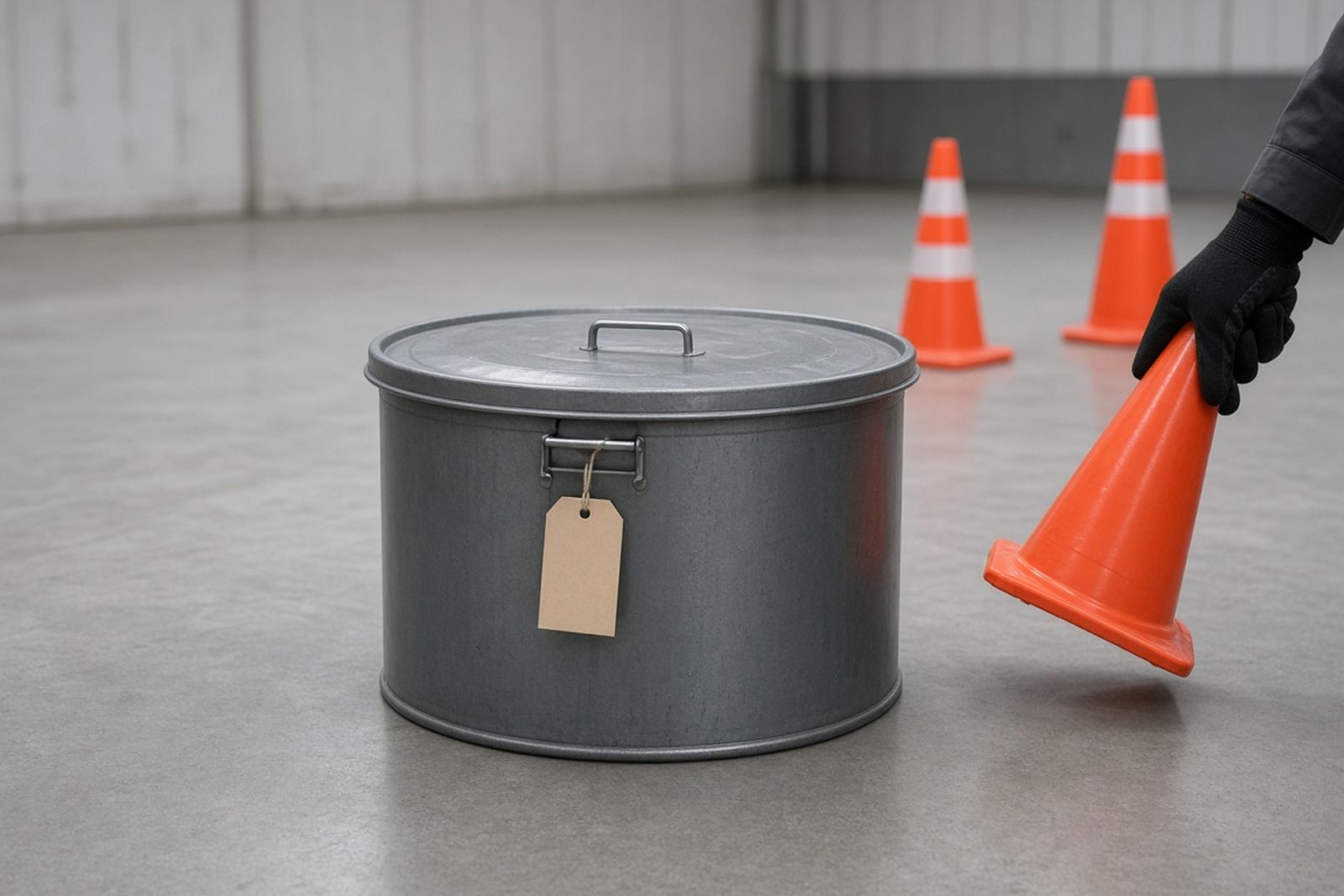
Insurance and payment
Which policies may respond, how to document a claim, and what to do if coverage is denied.
Community polls
Compare your spill planning and response choices with facility, fleet, and property managers who faced similar spills and learned from them.
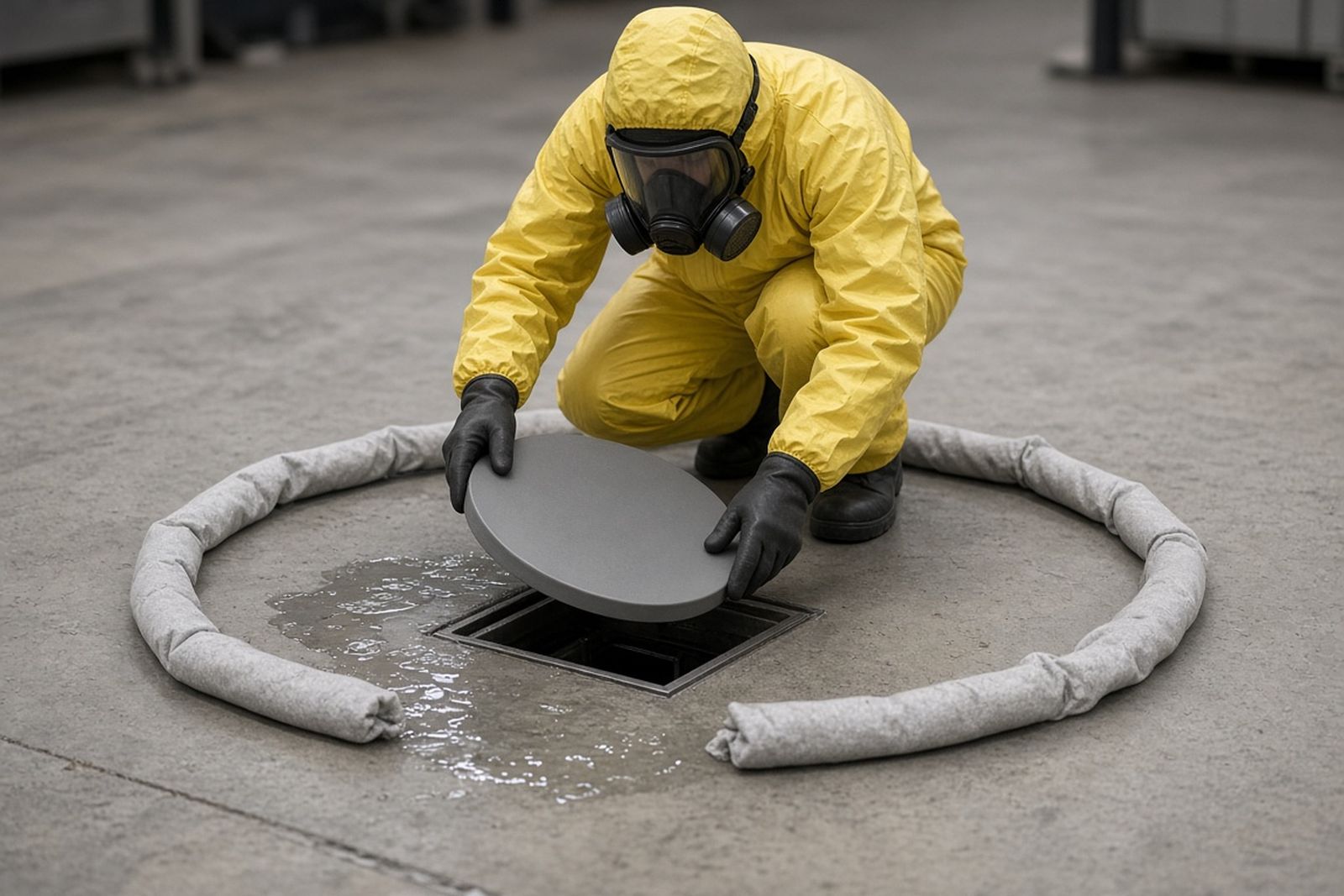
Knowledge quiz
Check what you know about spotting hazards, who is in charge, containment, cleanup, waste, and records with a short quiz for managers.
Articles and resources
Useful articles on spill kits, guarding storm drains, battery spills, and who must report. Learn to build a spill file that holds up when an insurer or agency checks it.
City guides
Find learning resources and spill response contractor listings for your state, county, and city. See which agencies handle spill reports there, too.