Direct answer
The short answer for Alexandria, VA
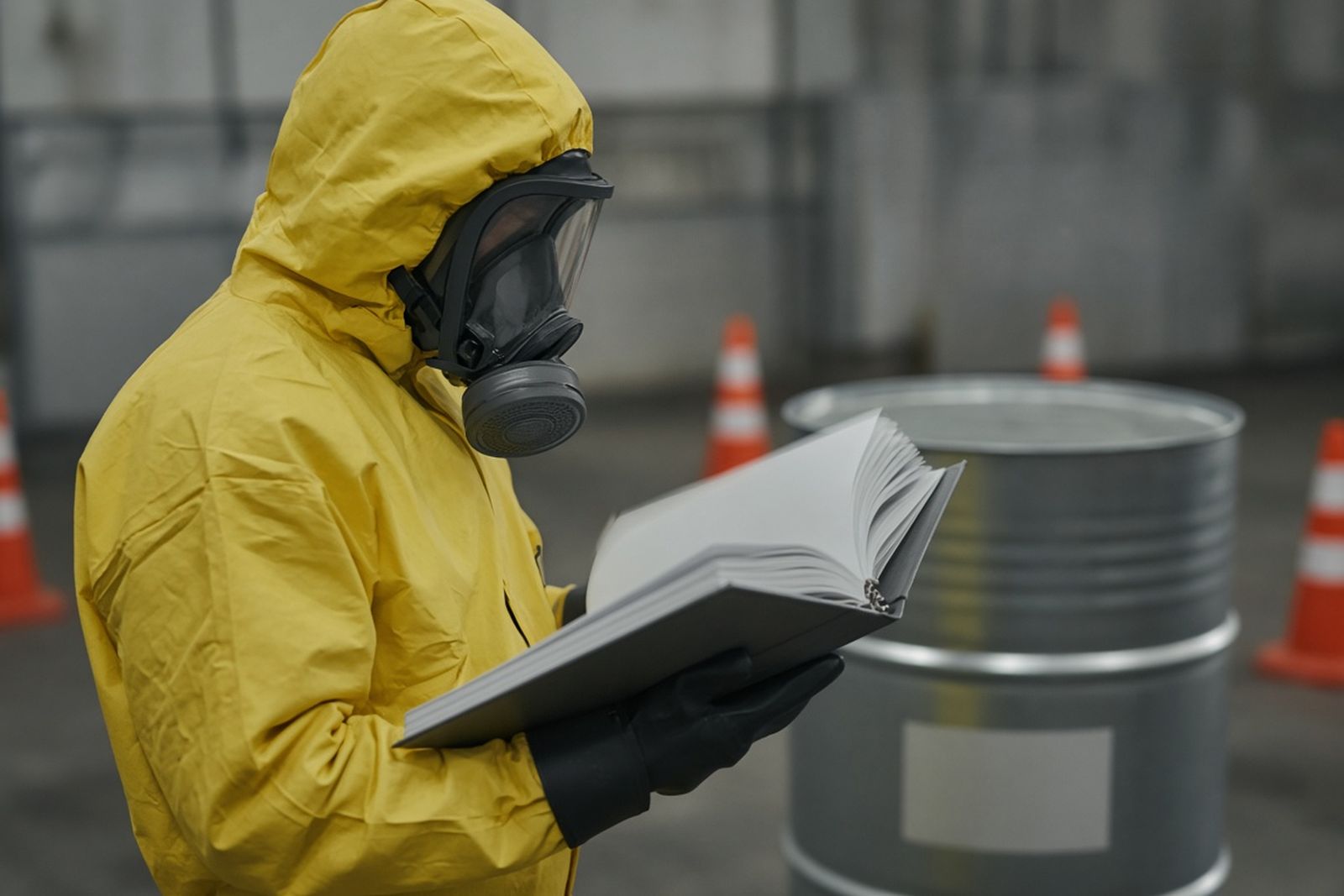
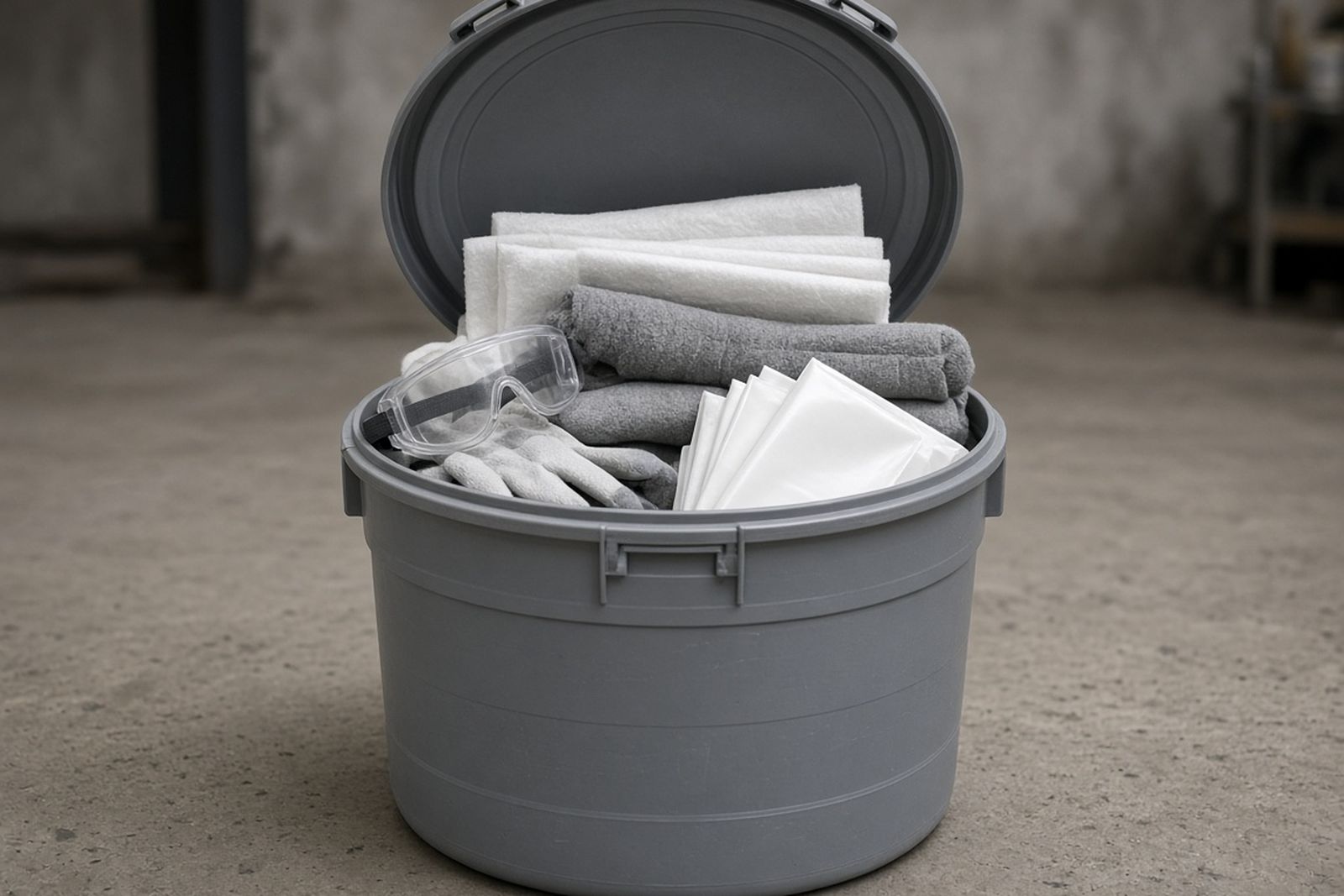
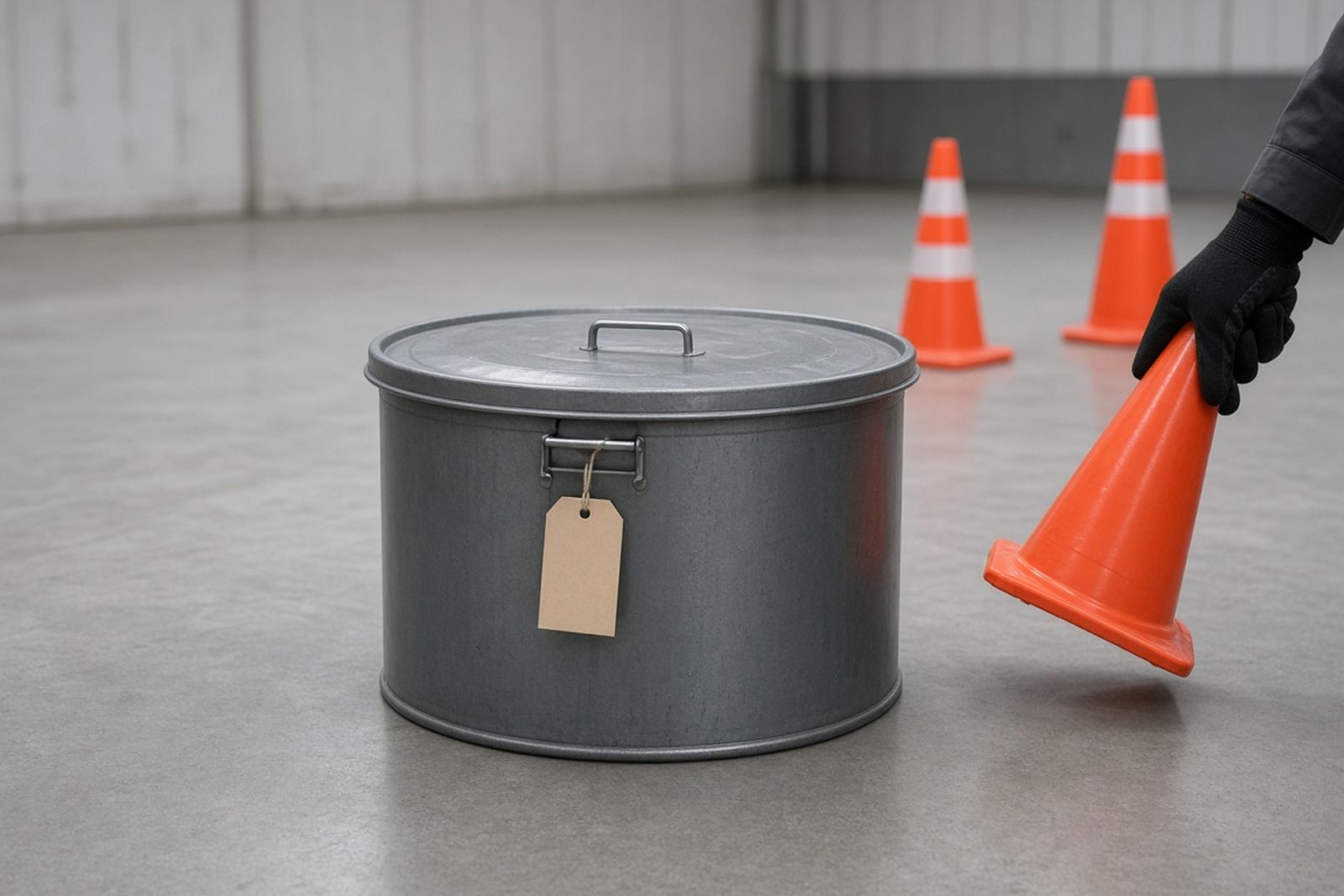
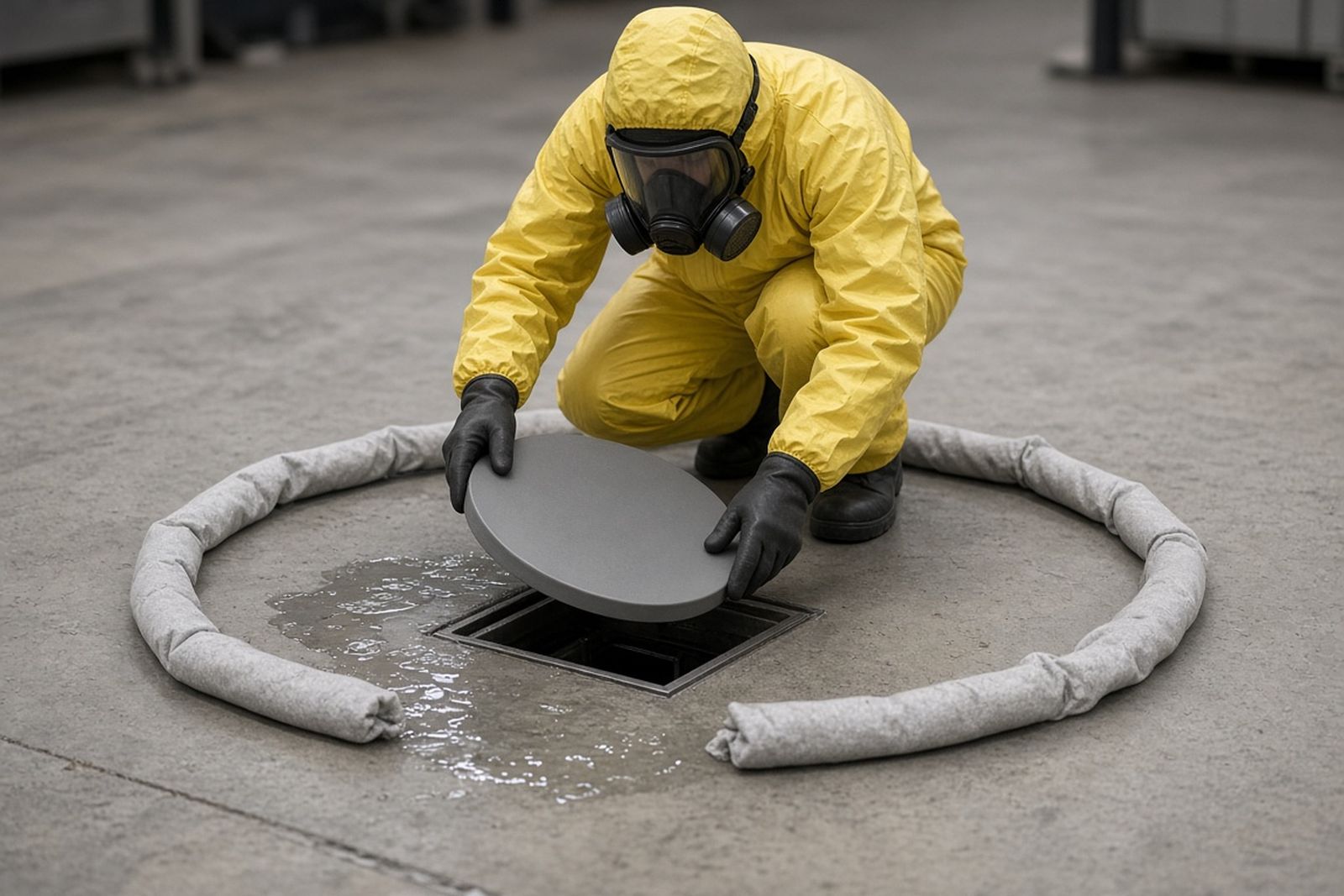
Old Town's cobblestone alleys, Potomac waterfront sheds, historic brick cellars, and King Street service courts see marina fuel, heating oil films, remodel solvents, and unlabeled vendor totes. Tourists notice the smell fast. Get people clear first. Hand crews the Safety Data Sheet (SDS); leave the kitchen cleaners on the shelf. Block tidal inlets that flow to the Potomac. Alexandria Fire works with the Virginia Department of Environmental Quality (DEQ). Federal hazardous waste law (RCRA) may reach the oily pads, so every load out of Old Town needs its shipping record. Cellars and suites stay closed until air targets are in writing.
Editorial guide · Biohazard Remediation NetworkUpdated 2026-07-22Location focus: Alexandria, VA
Local planning context
Waterfront sheds, cobblestone freight alleys, and brick cellars under restaurants make a historic district mix. You may find marine gas, two-stroke cans, No. 2 oil under guest rooms, paint for storefront renovations, and unlabeled coolers left by overnight vendors. Weekend tourists mean a sheen rarely stays private. Name who can open the waterfront gates for fire trucks before anyone goes onto a dock to check the smell. A tidy look for tourists never outranks leaving and dialing 911.
Old Town's waterfront drains empty into the Potomac fast, so a hose rinse moves oil there within minutes. Get diners and tourists away first. Leave boat engines and stoves to the firefighters. The restaurant's chemical supplier sheets help. Mixing kitchen cleaners does not.
Innkeepers and marina managers should keep scripts. They say which cellars empty, which alley gates open, and who meets engines away from tight cobblestone spots. From the sidewalk, photograph where the sheen is running. After recovery, file the waste test results, the waste shipping record, and air targets before dining cellars or guest suites reopen.