Direct answer
The short answer for Wellesley, MA
Suburbs along the Route 9 corridor, streets by schools, college edges, and village pads all see spills. They include heating oil in basements, generator diesel, pesticides, and unlabeled remodel totes. Moving people to safety comes first. Caretakers read the Safety Data Sheet (SDS) and leave the chemistry alone. Barriers to protect the Charles River watershed go hand in hand with the fire department and MassDEP. The waste shipping record, under federal hazardous waste law (RCRA) where it may apply, and reopen targets for finished basements round out the guide. It is for learning only, with no crew claim or promised response time.
Editorial guide · Biohazard Remediation NetworkUpdated 2026-07-22Location focus: Wellesley, MA
Local planning context
On Wellesley's tree-lined blocks and school corridors, spills tend to start in finished basements with heating oil, on generator pads, in pool rooms, and at remodel staging, not in factories. Neighbors and traffic near the colleges spot a sheen on a driveway fast. Decide who will meet fire trucks on the Route 9 approaches before any household staff walk into fumes. Fixing up the paving never matters more than getting people out.
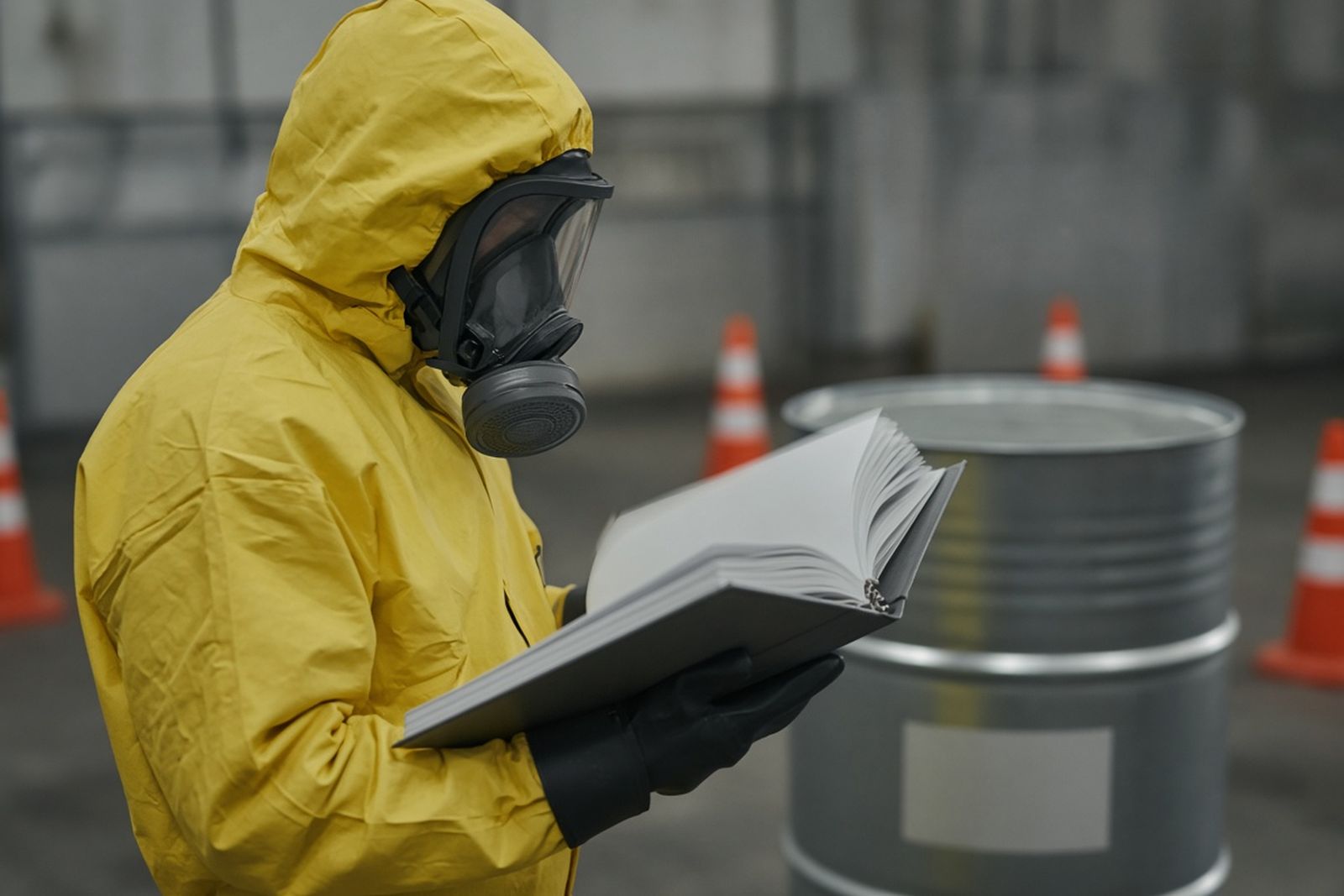
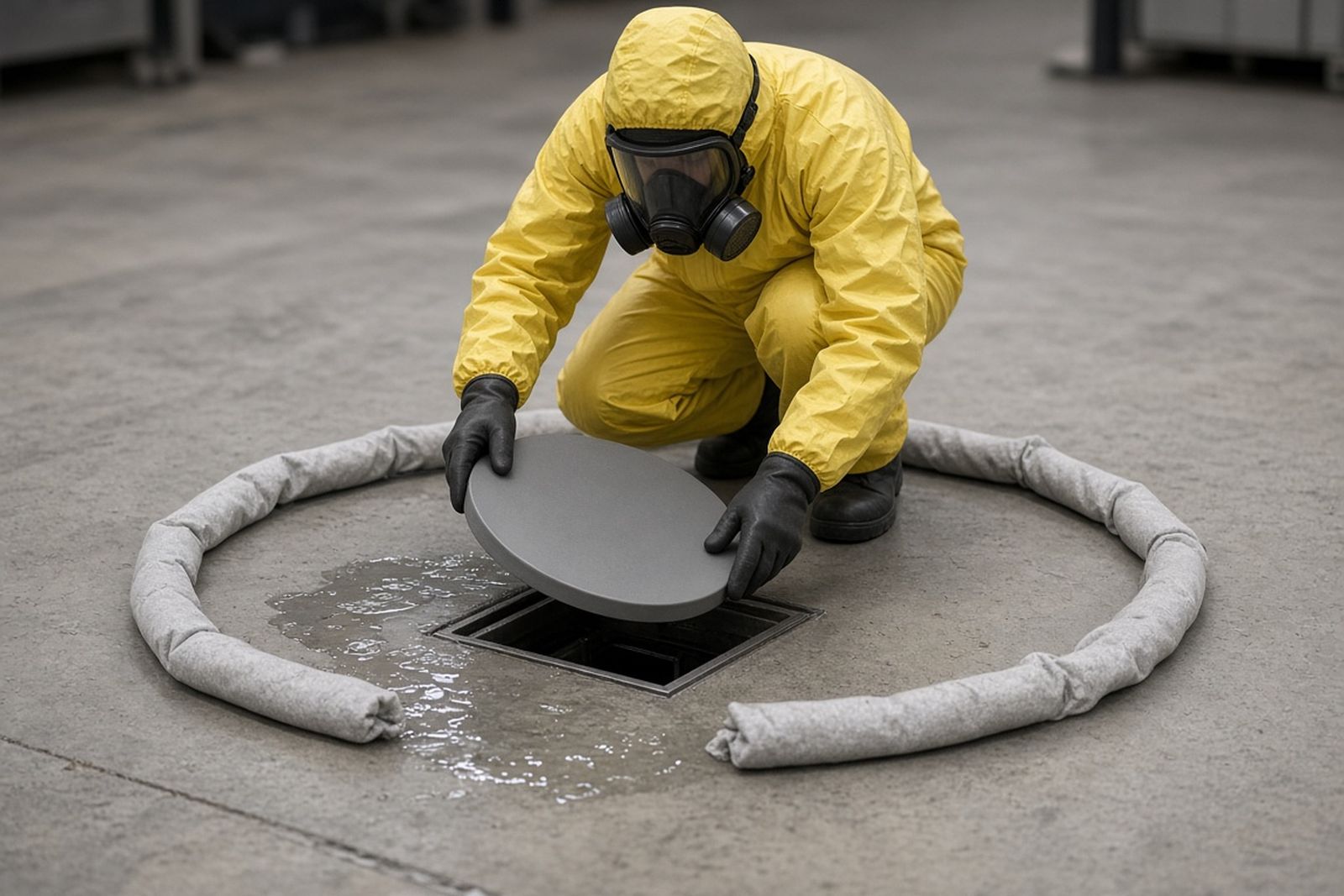
Catch basins in the Charles River watershed and lawn dry wells make hosing a spill away a serious mistake. A mystery jug in a Wellesley garage waits, unopened, for the hazmat team. Do not try to neutralize by smell. Get the SDS from a safe upstairs office or the contractor's truck, never from a cellar full of fumes. State rules decide when a home oil spill must be reported.
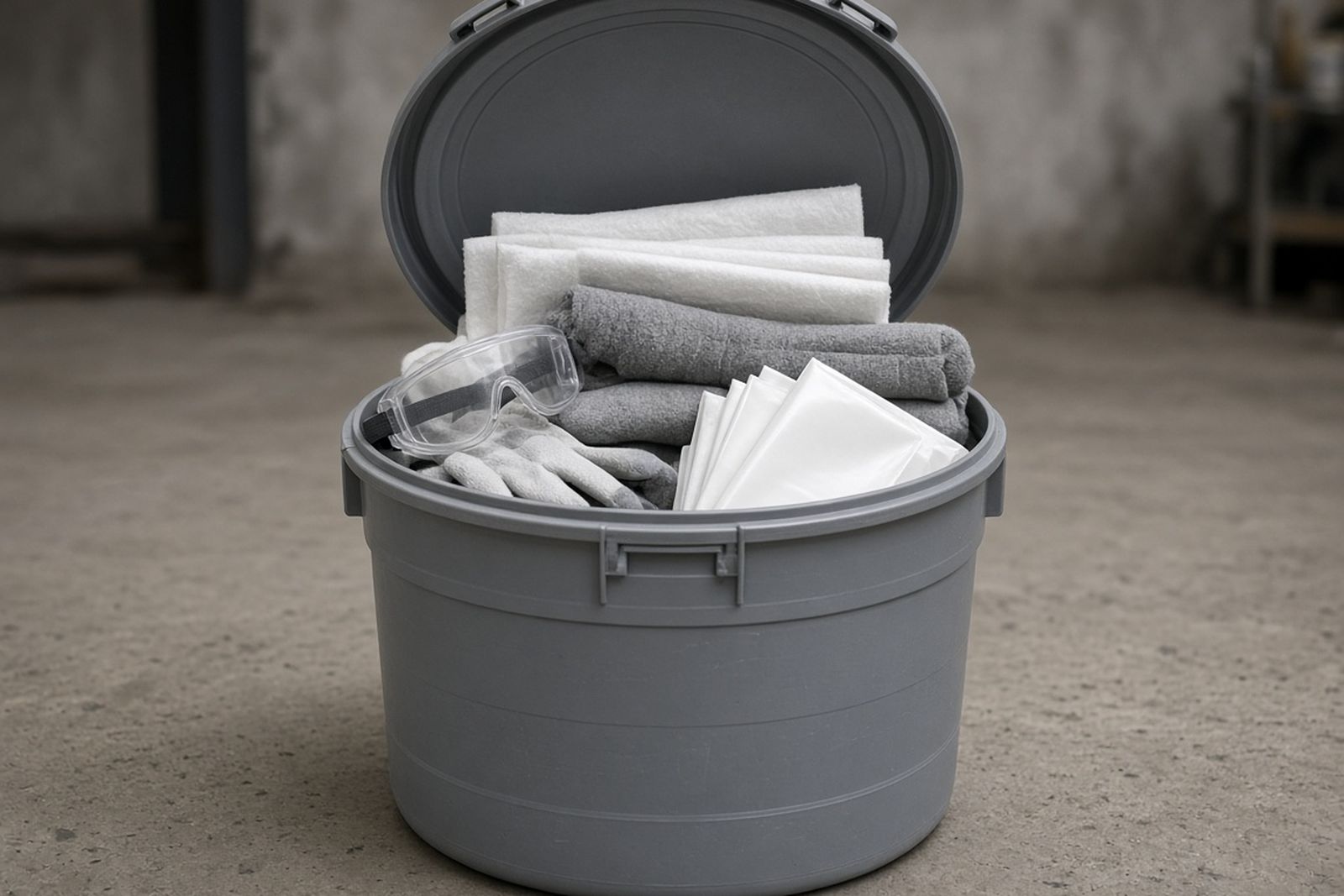
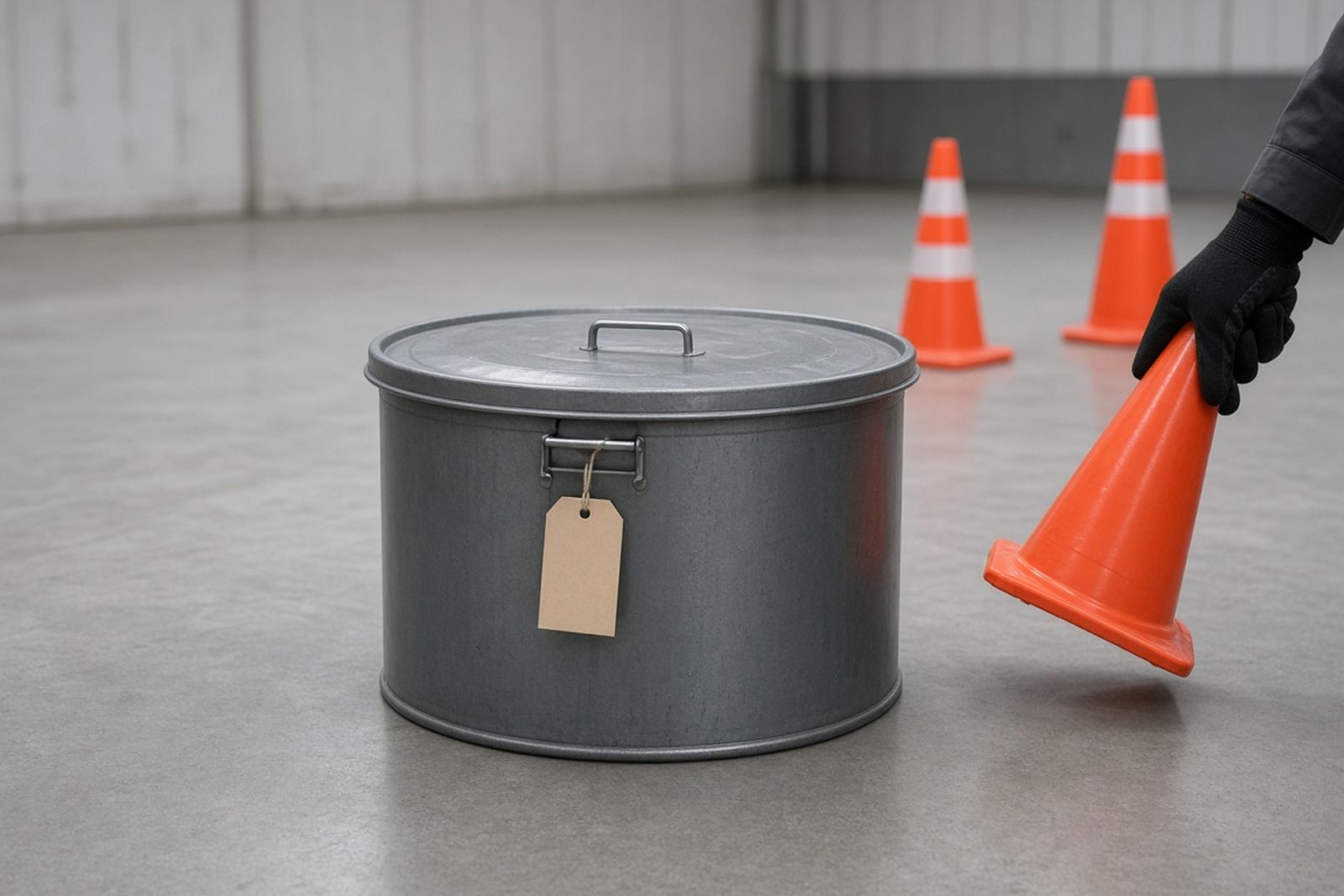
Homeowners and campus facilities keep photos taken from a safe distance, drums left unopened, logs of who unlocked what, and fire or MassDEP numbers. Used pads do not go out with Wellesley's curbside trash. Clearance for finished lower levels should cite air targets when fumes pooled at the stairs.