Chicago, IL

Hazmat Spill Response in Chicago, IL

What to do, who to contact, and what to ask in Chicago.

Diesel or chemical spill in Chicago? Move people away, call 911, keep it out of drains to the river, and see what to file before reopening.

Get an email reply about hazmat spill response

Send a short message to the follow-up inbox. A coordinator can reply by email. This form does not send emergency help; call 911 first if anyone is in danger.

Tell us what you need help with. Share a short description; please leave out medical details, access codes, and other sensitive information.

A request does not confirm a booking. For immediate danger, contact local emergency services.

Or email info@hazmatspillcleanup.online

The short answer for Chicago, IL

If diesel, glue or an unknown tote spills in your Chicago building, garage or freight bay, move people away and call 911. Do not hose it toward a street drain, since those lead to the river. Here is what the Chicago Fire Department needs from you, when Illinois EPA may be told, and what to file.

What to do, step by step

  1. 1

    Tape off the bay and keep walkers on the upper streets

    Burning eyes or a spreading film means you close the dock and call 911. Keep walkers on the upper streets and out of the Lower Wacker bays. Keep fans from blowing toward elevator banks or air intakes linked to the CTA. Let firefighters decide how to air out the space. Send your alley escort up to street level to bring the engines down the right way.

  2. 2

    Bring the product sheets from the dock office

    Your dock office or the contractor's trailer should hold the product sheets. Bring them to the fire crew. An unmarked drum in a Loop bay is a job for the firefighters' meters, not a guess. Your porters should not pour cleaners on an unknown spill in the bay. If the renovation crew has left for the night, phone the foreman and ask what was delivered that day.

  3. 3

    Ask how drains to the river and lake are protected

    Under the Loop, a spill can be in the river within minutes, so the crew's first job is to block the street inlets by your dock. The fire department may bring in Illinois EPA when storm water or soil is involved. For certain oil releases, the National Response Center gets a report as well. Ask the officer in charge what applies to your bay. A convention crowd does not shrink those duties.

  4. 4

    Reopen the lobby only when the air targets are met

    Bags of pads from your Wacker bay should get a lab profile and a signed trucking paper. Ask for copies of each. Insist on written air targets before the shared hallways above the bay reopen. A dry Lower Wacker bay after solvent fumes does not clear your tenants for the work week. If the smell is still there on Monday, keep the hallway closed and have the air checked again.

What cleanup is like in Chicago

Chicago's downtown freight runs below street level and through old buildings. Lower Wacker freight bays keep generator diesel under the raised streets. Fulton Market renovations leave glue stocks in old packing houses. Navy Pier pads hold event generators, and garage stacks linked to the CTA can leak battery fluid after a cold snap. If your bay has a spill, clear it and call 911. Name ahead of time who will guide the engines through the one-way alleys, and write down the low clearances under Wacker so the right trucks are sent.

Combined sewers, river outfalls and drains to the lake raise the stakes when product leaves your pad. Hosing a dock before the morning rush can push it toward the river. That can make it a matter for the Illinois Environmental Protection Agency (EPA). For certain oil or hazardous substance spills, the National Response Center must hear about it as well. Follow the Chicago Fire Department's direction. Leave garage and dock fans as they are until the fire department decides. Get the contractor's Safety Data Sheet (SDS) from a trailer or office, not by opening a drum in the bay.

If you manage a building, agree ahead of time which floors empty during a dock spill and which curb inlets must stay untouched. Keep the alley escort's phone number at your security desk. A show or a convention fills the Loop with people, but it does not change the steps. Your lobby and the hallways above the bay reopen on written air targets. Until then, give your tenants short, factual updates and the time you expect the next readings.

What to expect for your type of home

  • Lower Wacker freight bays: Height limits and one-way lanes delay fire trucks unless staging is planned. Give the dispatcher your clearance and the best alley to use.
  • Old packing houses in Fulton Market: Floor drains are often buried under construction debris. Have your contractor uncover and mark each one, so the crew can block them.
  • Navy Pier event pads: Event generators lead to rushed fuel transfers next to walking routes. Keep visitors well back, and tell responders how much fuel was being moved.
  • Garages with stairs to the L: The stairways must stay open for riders even when the freight bay below is taped off. Ask the fire department which doors to keep clear.
  • Paved downtown sites: Loop pavement sends a spill to the river quickly. Know which street drains are closest to your dock, and show them to the crew first.
  • Loop buildings with janitorial contracts: The contract should say that porters never clean up chemicals. Porters should leave the bay and report the spill to your building office.

Papers and records to keep

  • Photos of the sheen near the street drains by your dock
  • Product sheets from the renovation crew or dock office
  • Alley escort contacts and a timeline of calls to the fire department
  • Chicago Fire Department and Illinois EPA reference numbers, with any National Response Center number
  • Where booms or socks went at Lower Wacker grates, which pads were used, and how much came back
  • The waste shipping record for the freight bay pads
  • Lobby and CTA-linked parking stack air readings, with the dates taken
  • The date and time your insurer was told

Local offices and official help

Common questions in Chicago

A tote is leaking in our Lower Wacker freight bay before morning deliveries. What first?

Empty the freight bay and keep commuters and vendors out. Call 911 if there is vapor in the bay or no one can name the tote. Do not mop toward a floor drain. Hand the fire crew your product sheets. Fire trucks may need guiding around the Lower Wacker height limits and one-way alleys. Help with that, but leave the spill itself to them.
Why is a spill in the Loop harder to handle than one at a house in the suburbs?

In the Loop, the spill sits close to CTA riders, combined sewers and paved river edges. Wacker height limits and one-way alleys affect how fast help reaches you. Outfalls to the river and lake change how fast the product travels. If diesel reaches the river, an Illinois EPA notice may be owed, and a sold-out show does not cancel it. Plan your escorts and know your drains.

Can our building crew hose a solvent film into the street drain before commuters arrive?

No. That sends it toward the Chicago River and into state reporting. Some releases also need a federal report. Keep the hose off and people back. Hazmat crews will dam the river-bound grates and lay pads once they know what spilled. If you can do it safely, take a photo of the film's direction from the sidewalk above Lower Wacker.

Which records should I keep as the owner of a converted packing house in Fulton Market?

Keep every shipping record and lab result for the waste, along with the renovation crew's product sheets used to name the spill. Add the Chicago Fire Department case number, any state reference, and the air results that reopened each floor. Old packing house floors can hold smells, so note which rooms were tested. Keep the file with your building records for future tenants or buyers.

Solvent fumes filled our West Loop office hallway overnight. When can tenants use it?

When air tests show the hallway meets targets set for that solvent. A floor coating that has dried is not enough in an old packing house. Have the building engineer look at any shaft that could have carried the fumes. Get the name of the person who approves the hallway and the readings behind it. If the smell continues, the hallway stays closed.

How do Chicago winters affect spills in parking garages and alleys?

Snow and ice can hide a fuel or chemical spill. Salty meltwater carries residue toward drains during a thaw, and plowed snowbanks can trap a spill against a building. If you see a sheen, stained snow or notice a strong smell, keep people away and call for help. Do not shovel stained snow into a storm drain or the river. Tell responders about the cold and any recent thaw.

I smell fuel from my condo building's generator. What should I do?

Move away from the smell, and tell building staff where and when you noticed it. Call 911 for a heavy smell or if anyone feels sick. Follow the building's instructions about stairs or elevators. Do not go to the generator room yourself. If fumes enter your unit, close the doors to the hallway and move to a room farther away until staff say it is safe.

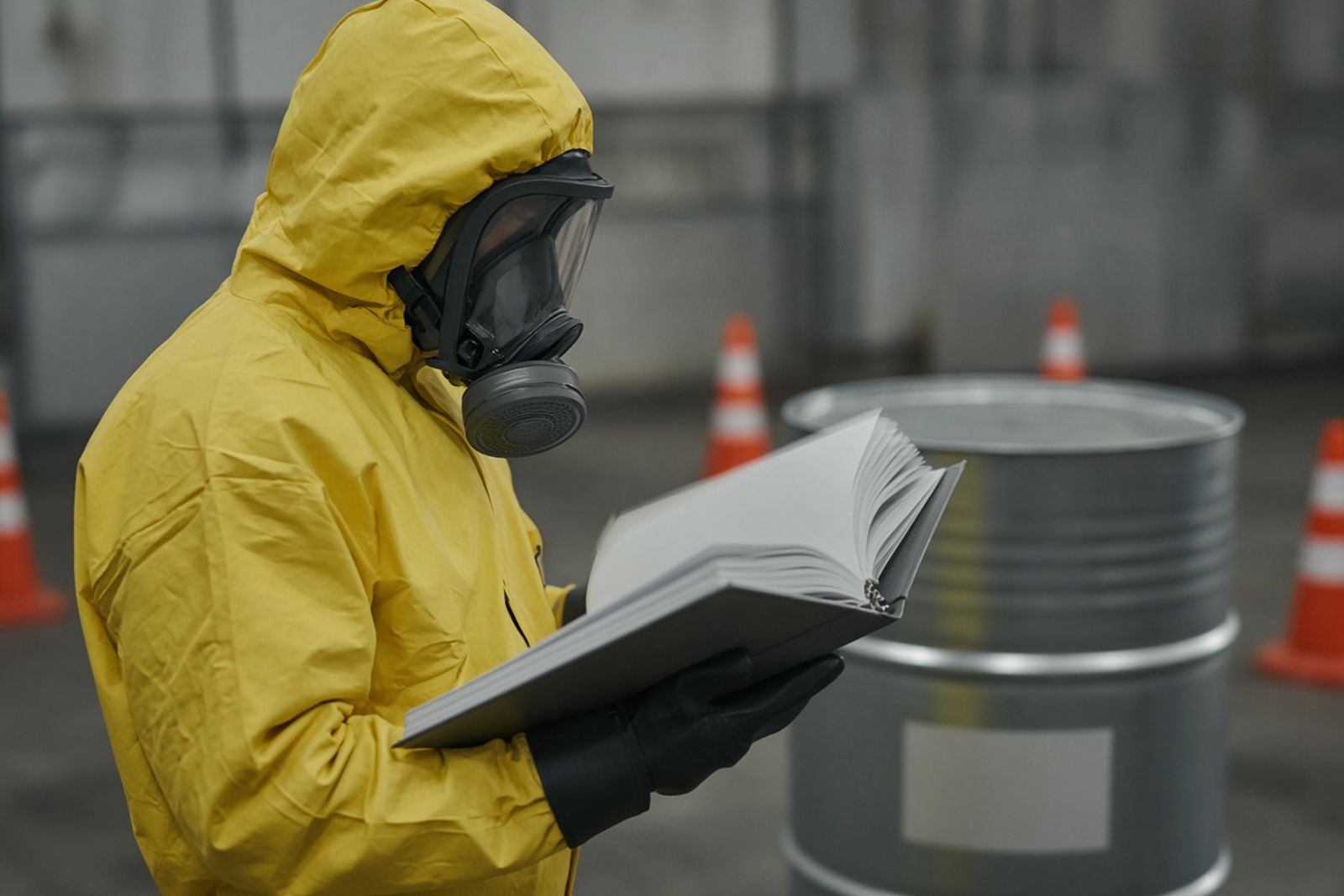
Technician in a yellow suit and respirator reading a safety data sheet binder beside a drum
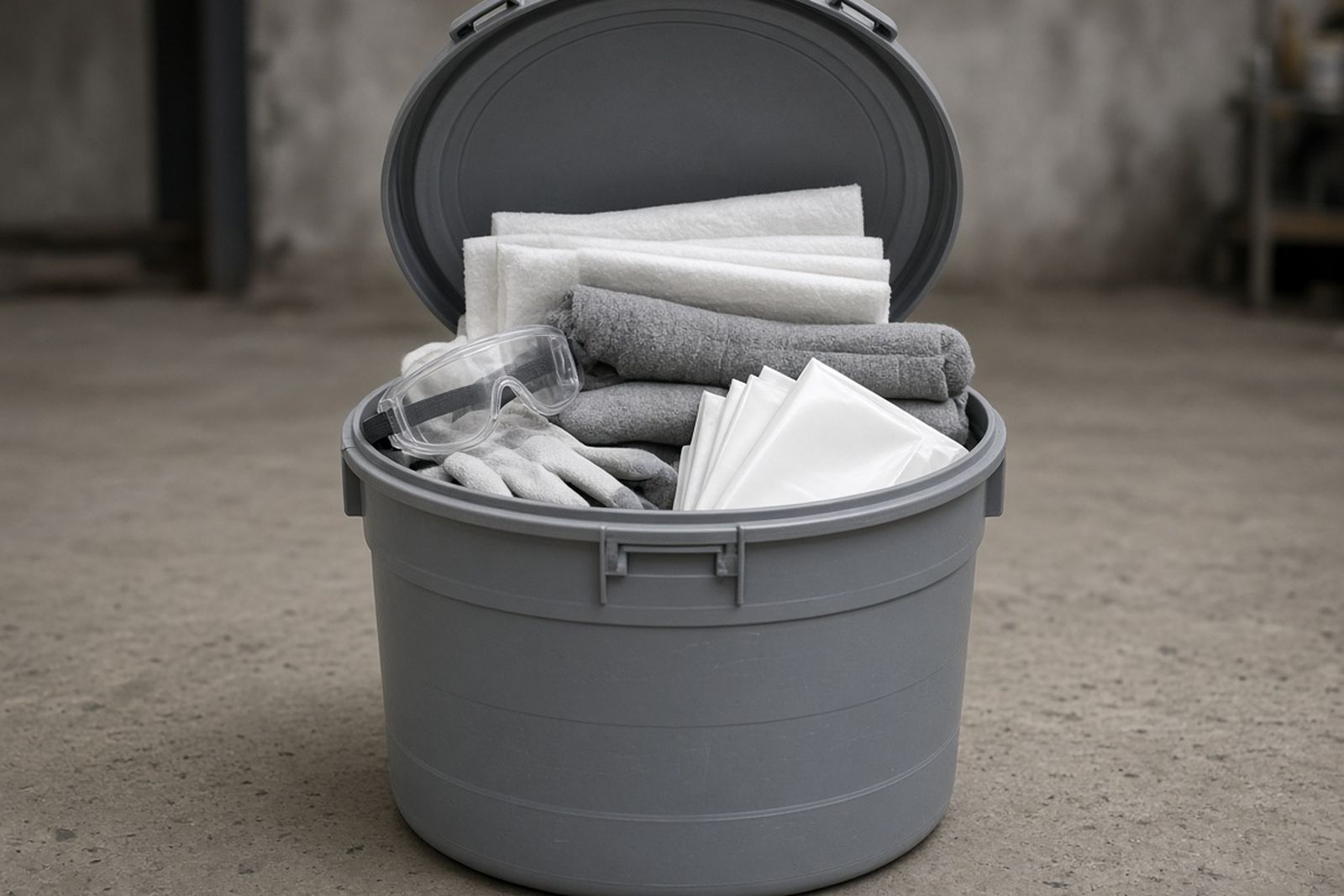
Open spill kit drum holding absorbent pads, goggles, gloves and disposal bags

Facts worth knowing

  • In a September 2012 survey of 204 households near a chemical odor incident, 36.5% said they sought medical care for symptoms they linked to the odor.

    Why it matters: If your site releases a strong odor, expect neighbors to seek medical care; tell them quickly what was released and what to do.

    Source: Behbod et al., 2014

  • Sites must report qualifying accidental chemical releases to the Chemical Safety Board within 8 hours; PG&E paid a $45,273 penalty in 2025 for reporting late.

    Why it matters: Know before an accident who at your site will make this report, because the deadline is short.

    Source: EPA/CSB (via Spencer Fane), 2025

  • After a 2014 spill in West Virginia, people who got information quickly were more likely to follow the recommended safety steps.

    Why it matters: If your site has a spill, tell affected people fast and clearly; delays may mean fewer follow your safety instructions.

    Source: Savoia et al., 2015

Tools that help right now

What would you do?

Poll results

Vote to see how other people answered. You can change your answer at any time.

Safety

How prepared is your site for a chemical or fuel spill right now?

Be the first to vote
Your experience

In your most recent spill, what was the first action taken?

Be the first to vote

Need help in Chicago?

Send a short message about the property to the follow-up inbox. A coordinator can reply by email with next steps.

Your request is sent to the follow-up inbox. A coordinator can reply by email.

If anyone is hurt or in danger, call 911 first.