Midwest · US

Hazmat Spill Response in Lake Forest, IL

Planning hazmat spill response in Lake Forest, IL

Lake Forest IL Sheridan estate spill guide: isolate oil basements, upstairs SDS support, berm bluff ravines, Illinois EPA notice, bedroom reopen files. This is planning guidance, not a claim of a local office or crew in Lake Forest.

Get an email reply about hazmat spill response

Send a short message to the follow-up inbox. A coordinator can reply by email. This form does not send emergency help; call 911 first if anyone is in danger.

Tell us what you need help with. Share a short description; please leave out medical details, access codes, and other sensitive information.

A request does not confirm a booking. For immediate danger, contact local emergency services.

Or email info@prompartybuses.com

Direct answer

The short answer for Lake Forest, IL

Sheridan Road estates with buried oil tanks, deliveries in the Market Square alleys, science closets at Lake Forest College, and paving at the edge of the bluff ravines all see spills. No. 2 heating oil can seep under finished floors. Garden sprays and paint are common too, and buyers or students often smell them first. Clear the basement first. Caretakers fetch the Safety Data Sheet (SDS) from upstairs and never mix a cleaner. Put barriers at ravine catch basins that drain toward Lake Michigan. State staff at the Illinois Environmental Protection Agency (EPA) may want a report if a ravine is hit. Basement pads soaked in heating oil can be regulated waste under RCRA. Bedrooms reopen on written air targets.

Editorial guide · Biohazard Remediation NetworkUpdated 2026-07-22Location focus: Lake Forest, IL

Local planning context

North Shore estates and village shops are not like Loop freight bays. Sheridan Road homes still use buried or basement oil tanks under finished living floors. Market Square alleys take in pesticide and paint deliveries. Lake Forest College annex closets hold teaching solvents. Lots on the bluff drain toward ravines that lead to Lake Michigan. Saturday showings often turn up a sheen by the laundry sink before anyone has an SDS. Move people upstairs or outside. Leave switches and flames alone unless responders say otherwise, and call emergency services. A caretaker should never push oil toward the basement drain to get ready for a showing.

On the bluff, a single hose rinse can push oil down a ravine toward the lake in minutes. That is very different from the combined sewers under Lower Wacker. Oil that reaches a ravine may need a state report, whatever the insurer says. Bring the oil company's tickets from the kitchen desk. Landscapers are not a hazmat team.

Estate managers, condo boards, and school facilities should agree ahead of time which basement stairs stay taped, which circle drives meet fire trucks, and which ravine inlets get barriers first. From a safe spot, photograph any sheen heading toward ravine drains. A North Shore home sale timeline never changes the order: close it off, name the product, hold it, dispose of it legally, then clear it in writing.
Property considerations

Buried or basement No. 2 oil tanks sit right below bedrooms, so fumes do not have far to go.

Bluff ravine catch basins shorten the trip from a film at a home to the lake.

Market Square alley deliveries leave unlabeled paint totes next to trench drains.

Campus storerooms can hold alcohols near oxidizers. Nobody sorts them until the chemistry department's list turns up.

On older Sheridan Road estates, generators parked by wooden carriage house stairs raise the fire risk during refueling.

Response-planning framework

Empty basement stairs before chasing laundry-sink oil odor

Dizziness or spreading oil means everyone leaves the house and someone calls 911. Do not relight the furnace or water heater pilots, or aim fans toward a leaking oil tank. The closed area includes the basement, the laundry room, and any bulkhead or crawl space that shares air with the tank area.

Upstairs oil tickets beat caretaker jug chemistry

From upstairs or a parked car, give responders the oil delivery tickets, college closet inventories, and Safety Data Sheets. Do not open unlabeled totes to confirm the smell. Field checks fill the gaps. The absorbent waits until the product is known.

Bluff ravine berms with Illinois EPA and fire notice

Bluff and ravine drains carry runoff toward Lake Michigan, so crews protect them once they know the product. Lake Forest Fire may bring in state environmental staff when oil reaches a ravine or soil. If heating oil heads down a ravine to the lake, the National Response Center may need a call too. A Saturday showing does not change that.

Getting bedrooms back after a basement oil leak

Oily basement pads go to a lab, and the family keeps each signed trucking paper. Keep bedrooms above the basement closed until air or wipe targets fit the hazard. A dry laundry floor does not mean showings can resume.

Documentation checklist

  1. 1Photos from the stairs of the oil and the floor drain
  2. 2Oil delivery tickets, Market Square pesticide labels, or college SDS handed over without opening containers
  3. 3The hour the oil was noticed, who left the house, and where the engine parked on the drive
  4. 4Lake Forest Fire and state case numbers
  5. 5Where the ravine drain was protected
  6. 6Signed papers showing where the basement pads ended up
  7. 7Readings showing the rec room and upstairs bedrooms were safe again
  8. 8The day the family called its insurer and the listing agent

Official resources

Questions for this location

During a Sheridan Road open house, buyers notice a fuel-oil smell from the basement stairs. What first?

Walk everyone out to the lawn, and call 911 if the smell is strong. Do not mop toward the laundry drain. Give the oil tickets and the SDS to responders. The realtor waits on the lawn; nobody starts cleaning.

Can Lake Forest College custodians tidy up unlabeled bottles in a science storeroom?

No. Mixed teaching chemicals can react when opened. Shut the door and keep students out. Call 911 if it smells or no one knows what is inside. Give responders the department inventory from an office. Never open bottles in the closet to check. Class schedules do not make any chemistry safe.

Why does oil in a bluff-top driveway matter more than on flat ground?

Ravines carry runoff toward Lake Michigan, so hosing oil away can turn it into a state matter. After the oil type is confirmed, a trained team dams the ravine drain and lays pads. A Saturday showing never justifies rinsing oil off the basement slab.

What should an estate manager file after a carriage-house generator recovery?

Keep the oil tickets and the bedroom air results with the waste test results and signed waste shipping records. Add the fire case number and any state reference. Note whether the buried or basement tank was repaired or removed. A future buyer will ask for this file, so keep it with the house records.

When may Lake Forest bedrooms above a finished basement reopen after overnight heating-oil or solvent odor?

Once air targets that fit the hazard are met, and the basement stair and forced-air returns that may have drawn fumes upstairs have been checked. Dry concrete downstairs is not enough. Log who approved it and the readings. If anyone still has symptoms, the bedrooms stay closed.

How should Lake Forest estate owners handle an old buried heating-oil tank before selling?

Many older North Shore homes still have buried or abandoned oil tanks. Have a tank expert look at yours before the house goes on the market. If they find a leak or stained soil, follow their advice on reporting and cleanup. Keep all reports for buyers and your insurer. Do not have staff dig around the tank themselves. If you smell oil indoors, call your oil company or emergency services.

What should Lake Forest residents do if they see a sheen in a ravine after heavy rain?

Stay on the path, and keep children and dogs out of the water. Ravine slopes can be slippery after rain, so do not climb down for a closer look. If the sheen is large, smells of fuel, or keeps flowing, call emergency services. Name the nearest street or trail entrance. For a small, fading film, contact city staff. Note the time and take a picture from the trail.

Contact

Get help by email

Send a short message for an email reply about hazmat spill response planning questions for the Chicago area.

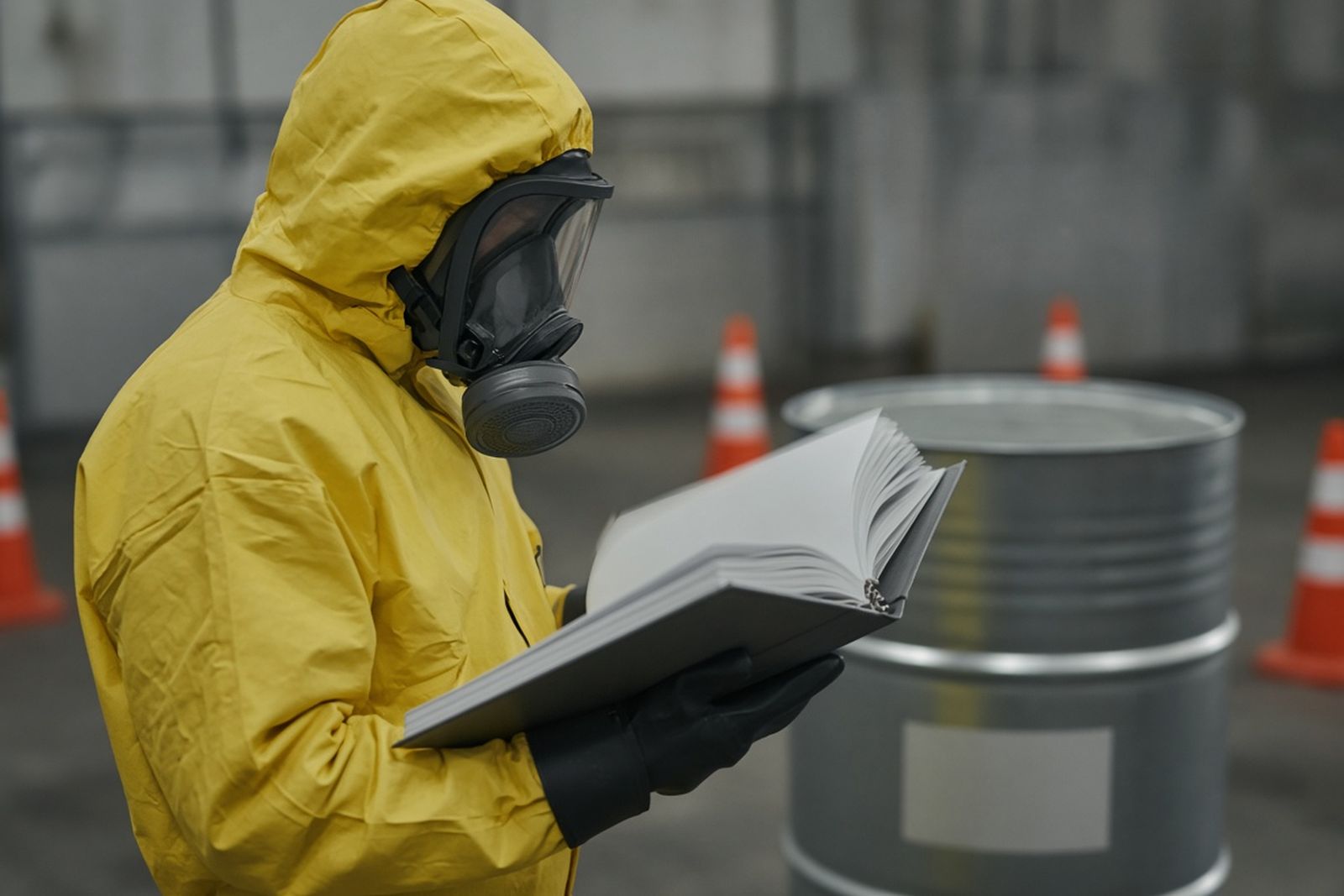
Technician in a yellow suit and respirator reading a safety data sheet binder beside a drum
Illustrative photo, not a job record. Technician in a yellow suit and respirator reading a safety data sheet binder beside a drum.
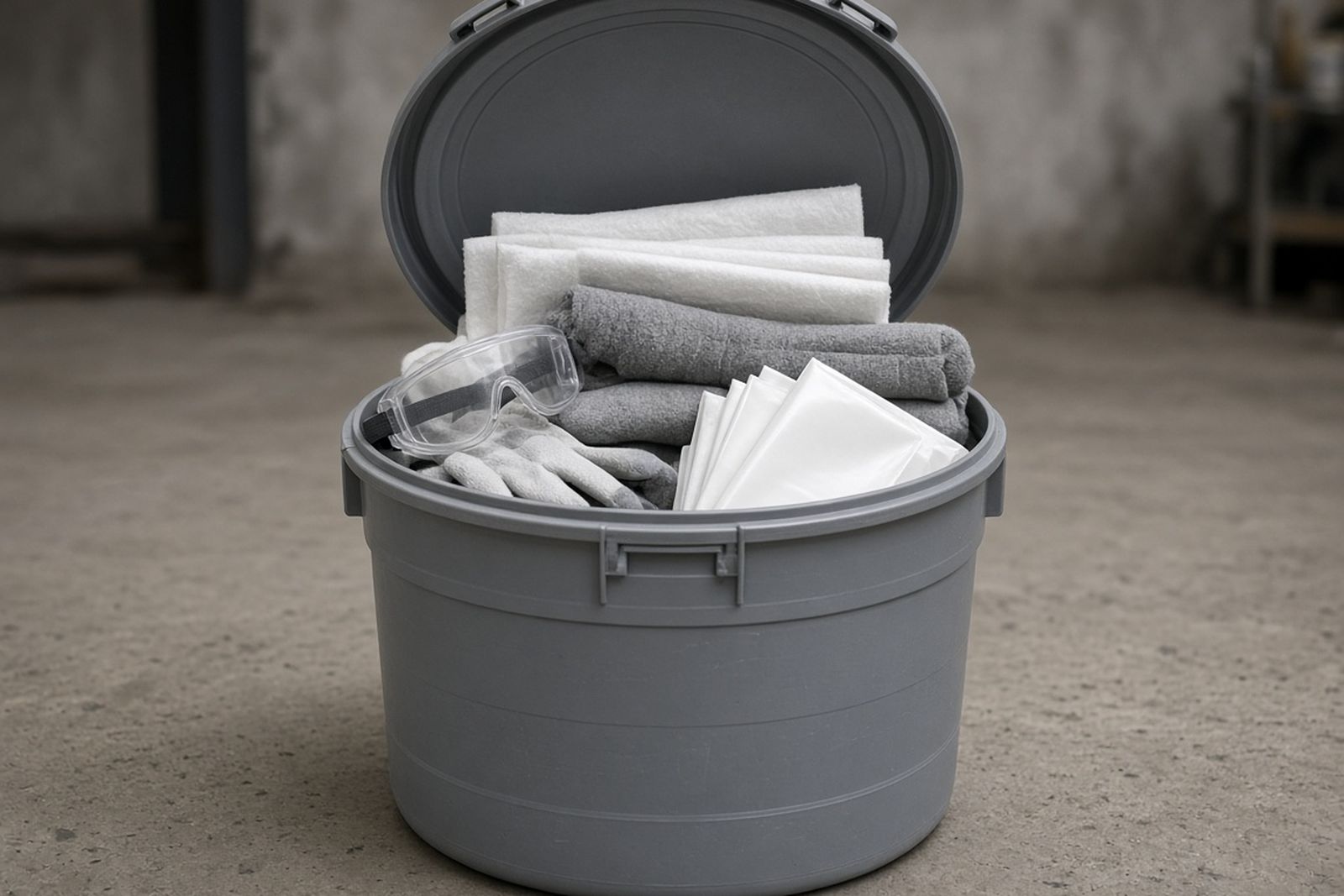
Open spill kit drum holding absorbent pads, goggles, gloves and disposal bags
Illustrative photo, not a job record. Open spill kit drum holding absorbent pads, goggles, gloves and disposal bags.

Hazmat Spill Response figures to keep in mind

National and research figures, not Lake Forest data. Local conditions, rules and providers vary; use these for scale and context only.

89%

89% in affected counties heard of the spill on the day it occurred.

Read with care: Self-reported behaviour; event-specific communications.

Source: Savoia et al. (2015)690 West Virginia adults surveyed online in February 2014, including affected and unaffected areas.

36.5%

36.5% overall sought medical care for odor-related symptoms.

Read with care: Reported symptoms and odor; not measured individual exposure doses.

Source: Behbod et al. (2014)204 household representatives surveyed in two distance zones, September 2012.

52

Over ten years, 52 people died and 160 were injured in hazmat incidents involving tractor-trailers in transit, with human error behind 18 percent of incidents.

Read with care: Counts depend on carrier self-reporting.

Source: PHMSA data (via CBS News) (2023)United States, PHMSA in-transit truck incidents, ten years

These figures are public research and agency data, not this network's own job records. Keep each number with its population, year and limits; none of them predicts cost, timing or outcome at a specific property.

Plan before you reach out

Use the first 24 hours planner for immediate steps and the provider vetting checklist to confirm any Lake Forest provider's training, insurance and waste path in writing.

What research has found

Findings from published studies of people and properties in situations like this one. They describe what researchers observed in a specific group; they are not predictions for your case.

People were more willing to shelter in place when imagining themselves already at home.
Who was studied: 601 UK and 602 Polish respondents considering a hypothetical chemical spill.Limits: Intended behaviour, not actual emergency compliance.Communicating public health advice after a chemical spill: UK and Poland national surveys (2013)
Some respondents reported large premium increases after a claim.
Who was studied: 521 insured, inundated-household respondents from a 2,530-person survey six months after flooding.Limits: Observational and self-selected; negative-comment denominator is comments, not all insured people.Insurance Issues as Secondary Stressors Following Flooding in Rural Australia (2022)

Hazmat Spill Response community polls

Poll results

Every count is a real visitor vote; nothing is seeded or padded. One vote per poll per device, and you can change your answer.

Safety

How prepared is your site for a chemical or fuel spill right now?

No visitor votes yet
Your experience

In your most recent spill, what was the first action taken?

No visitor votes yet

Planning cleanup in Lake Forest?

Send a short message about the property to the follow-up inbox. A coordinator can reply by email with next steps.

Your request is sent to the follow-up inbox. A coordinator can reply by email.

If anyone is hurt or in danger, call 911 first.