Direct answer
The short answer for Stamford, CT
Stamford's downtown glass towers, Harbor Point mixed-use pads, Metro-North commuter crowds, and I-95 service roads see solvents at loading docks, generator diesel, battery fluid, and unlabeled totes from office build-outs. Corporate safety planning here starts with closing off the area. The Safety Data Sheet (SDS) helps name the product; janitor chemistry does not. Harbor drains get barriers. Stamford Fire and the state DEEP office hear about it early. The waste shipping record follows federal hazardous waste law (RCRA) where it applies, and air tests decide Monday reopening. This is a guide, not a promise of a local crew.
Editorial guide · Biohazard Remediation NetworkUpdated 2026-07-22Location focus: Stamford, CT
Local planning context
Corporate campuses and freight bays in high-rises see business-type spills. Think generator fuel transfers, lithium battery residue in parking decks, paint and glue stocks for tenant build-outs, and shared janitor closets holding strong products that should not mix. Facility teams often hear about a sheen at the dock over the security radio before anyone reads a label. Their job is to empty the bay, stop mop crews, and call emergency services. It is not to name the chemical for worried tenants. On weekdays, Metro-North foot traffic makes slow perimeter control costly when fumes reach lobbies.
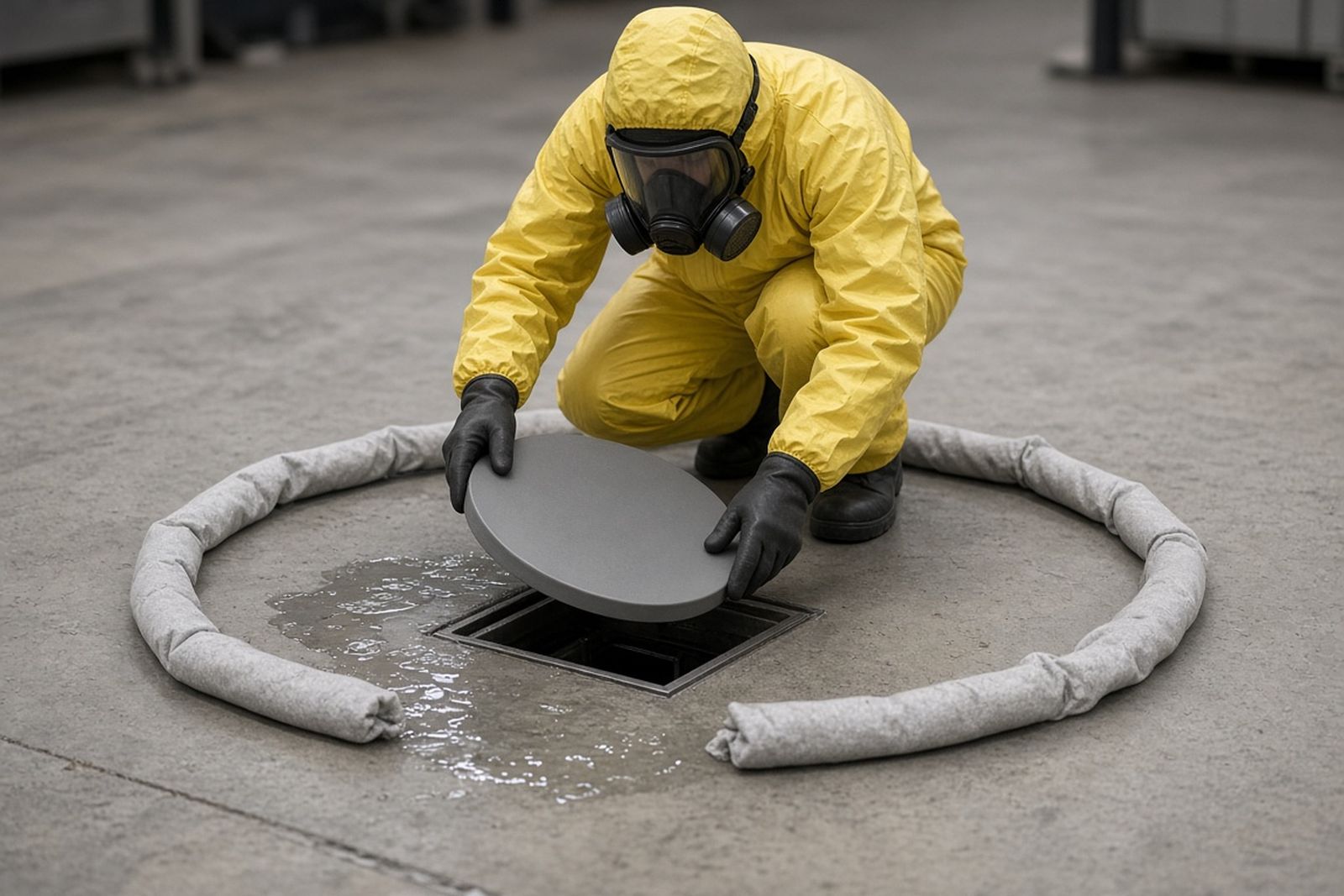
Trench drains under city loading aprons can carry product toward the harbor under the paving faster than a home dry well. Hosing down before the morning rush is a classic way to make a spill bigger. Shut down air systems or freight elevator fans only when told to and when it is safe. Never try to bring in fresh air with leaf blowers when the air holds an unknown product. A build-out contractor's SDS binder, pulled from the site office and not the bay, gives Stamford Fire a head start. Connecticut DEEP rules apply here, not California programs. A dock sheen that drains toward Stamford Harbor may also need a federal report.
Property managers send tenants plain texts: leave this floor, stay away from the dock, wait for fire officials. They do not guess product names in group chats. Log when the spill was found, which decks are affected, and garage height limits for fire trucks. After recovery, keep waste test results, the waste shipping record, and written air targets before reopening lobbies for Monday. Pressure from brokers and lease dates does not change the order: name the product, hold it, dispose of it legally, and then clear the space.