Greenwich, CT

Hazmat Spill Response in Greenwich, CT

What to do, who to contact, and what to ask in Greenwich.

Heating oil or fuel leak at your Greenwich home? Get everyone out, call 911, keep it away from culverts and the Sound, and get clearance in writing.

Get an email reply about hazmat spill response

Send a short message to the follow-up inbox. A coordinator can reply by email. This form does not send emergency help; call 911 first if anyone is in danger.

Tell us what you need help with. Share a short description; please leave out medical details, access codes, and other sensitive information.

A request does not confirm a booking. For immediate danger, contact local emergency services.

Or email info@hazmatspillcleanup.online

The short answer for Greenwich, CT

On a Greenwich estate, a heating oil or fuel leak can sit unnoticed in a carriage house or reach a culvert that leads to Long Island Sound. If there are fumes, a spreading sheen or anyone feels sick, get everyone out and call 911. Do not mop or hose it. Here is what to hand responders and what to get in writing.

What to do, step by step

  1. 1

    Open the gate by phone, get people out and keep sparks quiet

    People matter more than the product. If heating oil or solvent fumes cause stinging eyes, dizziness or trouble breathing, or nobody knows what spilled, get everyone out of the carriage house or main house as directed. Keep your staff out and call 911. Give the gate code to dispatch by phone from the street or a neighbor's drive. In a house closed for winter, do not open doors and run box fans. That can pull vapor past your furnace and electric panels.

  2. 2

    Hand over delivery tickets and leave old drums closed

    Your oil delivery ticket or the landscaper's product list tells the crew which pads and cleaners are safe to use. Your staff should leave old barn drums and pool house jugs closed, however tempting it is to check. Even a brand name scribbled on a work order helps. If nobody knows anything, the area simply stays closed while crews test the air. Pouring a pool chemical or cleaner onto an unknown in a closed-up outbuilding can make heat, gas or fire.

  3. 3

    Have culverts blocked before the tide and ask about DEEP

    If your lot is on the Sound, a good crew blocks culvert mouths and lawn drains before the tide or a rainstorm carries product out. It works with the fire department and Connecticut environmental officials at DEEP. Oil in a lawn drain or garden soil makes that teamwork more urgent. If product reaches a tidal culvert leading to Long Island Sound, a National Response Center report may apply, whatever your insurer says. Estate privacy does not shrink that duty.

  4. 4

    File waste papers and get clearance building by building

    Oily pads from your estate are tested before a licensed hauler takes them, and they often count as hazardous waste. Your family office should file the waste shipping records with the house records. The checks may include a visual check, air test targets for re-entry and wipe or soil samples when needed. Ask for them to be listed for the main house, guest cottage and staff spaces one by one. Your basement can look dry and still hold heating oil fumes.

What cleanup is like in Greenwich

Greenwich is a coastal Fairfield County town of large estates, carriage houses, staff kitchens, pool houses, gated private drives and lots that face the Sound or sit at the tide line. A spill at your property is likely to involve heating oil or generator fuel, boat products on waterfront lots, pool chemicals, lawn pesticides and remodel solvents left by vendors. Houses shut tight in winter and humid summers both change how fumes act inside your home. Your estate manager or household staff may be first on scene. Their part is to shut the door on the spill and phone it in. They should not name, sniff or neutralize any chemical.

Storm drains and shoreline paths toward Long Island Sound make reporting more likely when product leaves your pad, a culvert or a lawn drain. Hosing a sheen toward the Sound or town drains can turn your private spill into a release that federal and Connecticut rules may cover. Get your family and staff out of the carriage house or basement first. Switch off a heater or generator only if responders say it is safe. If the SDS binder is in your estate office, bring it out to the driveway. Connecticut DEEP, the state environmental agency, and the Town of Greenwich Health Department set the state and local rules.

Your insurer, family office or pollution-liability broker will expect good records. Photograph the scene from a safe distance. Keep labels, but do not handle open containers. List who can open the gate for fire trucks on your long private drive, and record the fire or agency reference numbers. Have the cleanup checks put in writing before your main house, guest cottages or staff spaces reopen. Someone should walk each building, with meters or wipe tests to back that up where oil or solvent fumes may linger. One sheet per building keeps the story clear.
What to expect for your type of home

  • Gated estates with long private drives: Trucks can be slowed at the gate. Know who can approve entry, and have them do it without walking into fumes.
  • Main house, carriage house and pool house: Each may hold fuels, solvents and oxidizers that react badly. Until someone finds the sheets, count every mixed shelf as a mystery.
  • Lots on the Sound or at the tide line: A pad spill has a short path to the shore or a culvert. Ask where barriers will go before anyone washes anything.
  • Homes storing heating oil and generator fuel: Winter fuel raises spark and sheen concerns. Tell responders where the tank and fill pipe are and when the last delivery came.
  • Homes with household staff and vendors: Tell them never to mop, hose or neutralize a chemical spill as part of getting ready for guests. Their job is to call.
  • Houses closed up for winter: They trap fumes. Running fans while the product is unknown can spread vapor into your living floors, so leave doors and fans alone.

Papers and records to keep

  • Photos from the drive or lawn edge showing the tank, any label and the path toward the culvert or seawall
  • Fuel delivery tickets, SDS copies or landscaper and pool service product lists handed to responders
  • Who found it, when the house was cleared and who opened the gate for the engine
  • Greenwich Fire and CT DEEP names and case numbers
  • Barriers placed near drives and tidal culverts, absorbent types and rough amounts recovered
  • For every drum that leaves by the private drive: its lab profile, the hauler and the signed shipping paper
  • Air test or sample results used for re-entry, noted by building when there is more than one
  • When your family office phoned the carrier about the oil release, and the broker's written replies

Local offices and official help

Common questions in Greenwich

Heating oil is seeping near our winterized carriage house. What should staff do first?

Treat it as a safety and fire problem before a cleanup chore. If there are fumes, the sheen is spreading or anyone feels sick, leave the building. Lock staff and vendors out of the carriage house and let Greenwich Fire run things after your 911 call. Do not mop, hose or soak it up with household rags. Meet the engine at the gate with the code, the oil company ticket and any SDS in the office.

Why can't I just follow spill advice written for a big-city garage?

Because the agencies, the buildings and the seasonal fuels all differ here. In Greenwich the concerns are carriage houses, stored heating oil and generator fuel, homes closed for winter, tidal culverts and paths to the Long Island Sound shore. Connecticut DEEP and local health contacts are the offices involved. Staging often means gated drives and estates with many buildings, not underground city parking. Privacy on a large lot does not pause environmental reporting when product leaves your pad.

Can the landscapers rinse a sheen into the plantings on our tidal lot?

No. Lawn drains, culverts and slopes can carry product toward the shore or town drains quickly. At that point an estate oil drip may count as a release to the Sound that officials must hear about. Hosing is not disposal. Never push residue into garden beds as a shortcut. Photograph any sheen moving along the private drive from well back. If oil moved into the lawn, gravel or stone walls, the soil or stonework may need checking later.

What should our family office keep on file after the cleanup?

File the waste test results, the drum list, the hauler's details and the signed waste shipping record that names where each load went. Oily rags and pads must not go out with the kitchen trash. Add the SDS copies used for testing, photos of the packed drums and fire or state reference numbers. Keep a separate clearance sheet for the main house, the carriage house and any cottage. A spoken okay from a contractor is not a record, so ask for it in writing.

How is reopening decided for the main house and the guest cottage after fumes?

Clearance depends on what spilled and whether it reached the basement slab, the lawn or a tidal culvert. Old fieldstone foundations and porous floors can hold oil after the surface looks clean, so looks are only a first step. An air-quality expert may set test targets for each building before anyone sleeps there again. Forced-air systems in homes closed for winter may have pulled fumes upstairs and need to be checked. Return when the written results say so.

When might a National Response Center report apply at a waterfront estate?

When oil reaches a tidal inlet or the Sound itself, a federal report to the National Response Center may be needed. That is on top of the 911 call and the state notice. Whoever speaks for your estate should share the product name from the SDS if known, a rough amount and where the product flowed. Leave the judgment about reporting limits to officials. Calling your insurer does not meet any environmental reporting duty.

Should I have my buried heating oil tank checked before anything leaks?

It is worth asking. Older buried tanks can rust quietly, and a leak may not show until oil reaches a basement or a wet spot in the lawn. Ask a qualified tank contractor how to check the tank's condition and whether removal or replacement makes sense. Keep records of any inspection. If you ever notice an oil smell, stained soil or odd fuel use, call your oil company. Oil odor inside the house, or a heavy one outside, means calling 911 too.

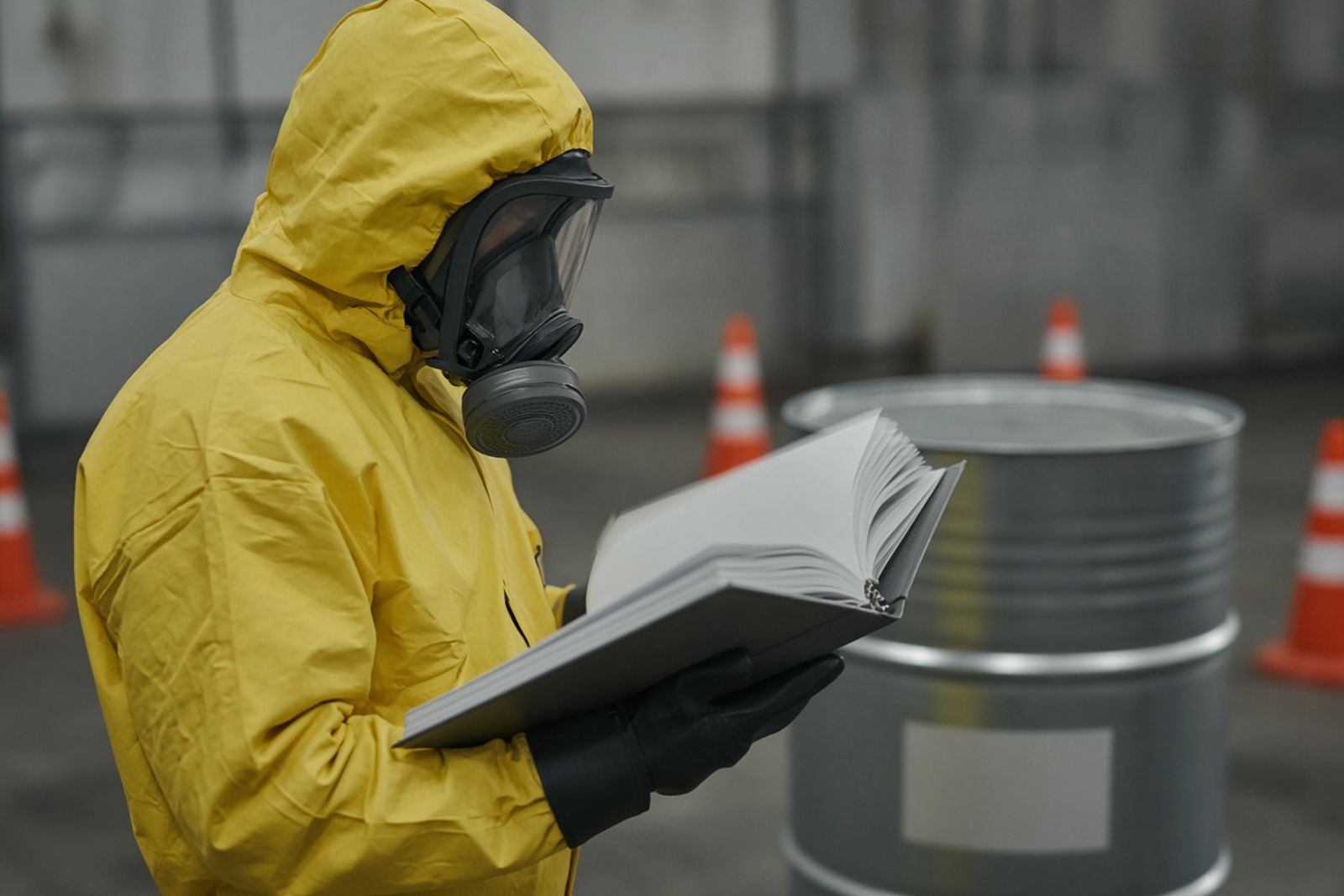
Technician in a yellow suit and respirator reading a safety data sheet binder beside a drum
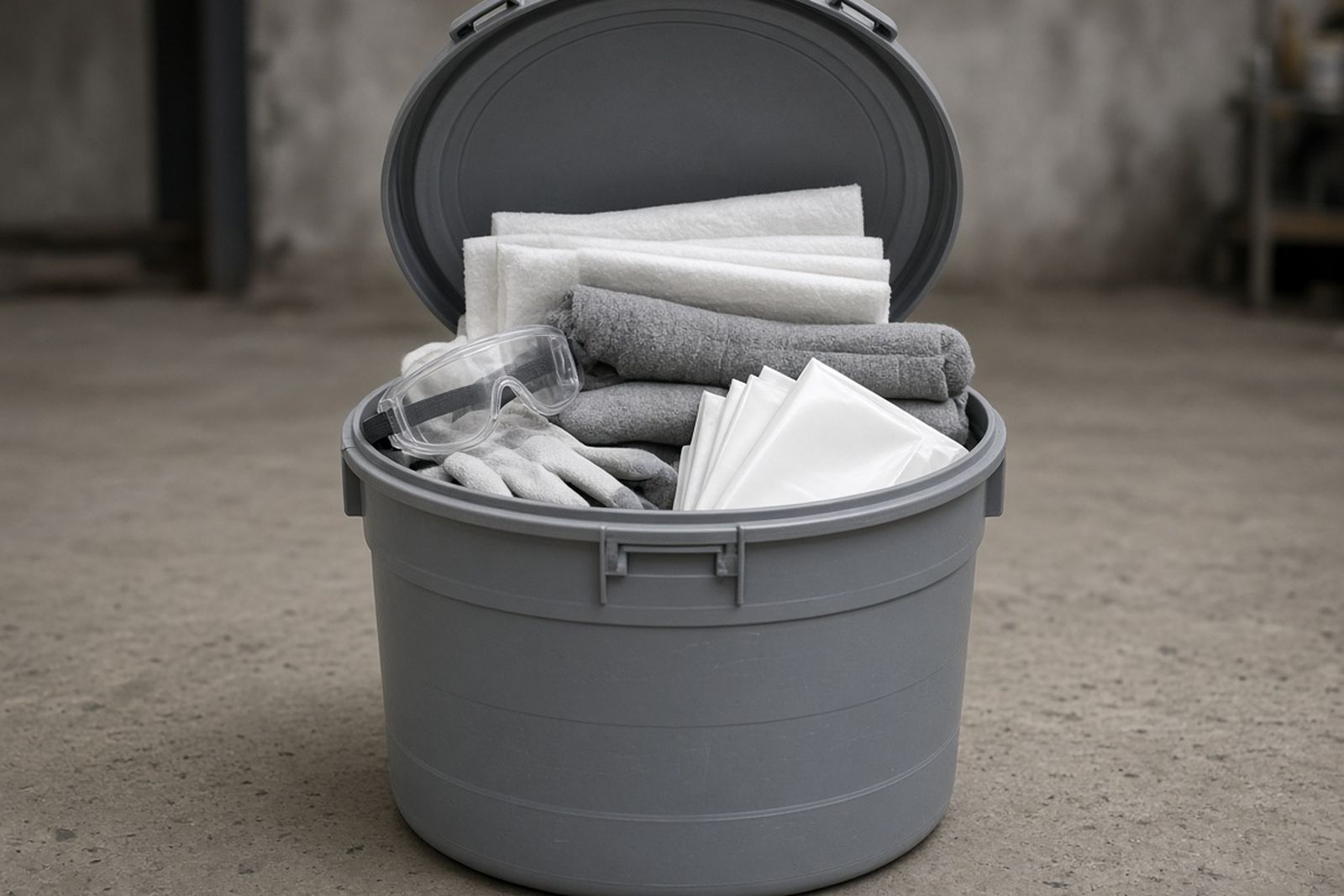
Open spill kit drum holding absorbent pads, goggles, gloves and disposal bags

Facts worth knowing

  • In ten West Virginia homes tested after a January 2014 spill, flushing the plumbing lowered contaminant levels in some homes but not all.

    Why it matters: Do not assume flushing worked in your home; ask for a water test to confirm.

    Source: Whelton et al., 2015

  • Insured flood victims in a study published in 2022 said different insurers handled similar claims in different ways.

    Why it matters: Do not rely on what a neighbor's insurer did; ask your own insurer to confirm in writing what it will cover.

    Source: McKenzie et al., 2022

  • Workers with only occasional or low-exposure duties at a hazardous waste site need at least 24 hours of HAZWOPER training plus one supervised day in the field.

    Why it matters: If you rely on the shorter course for your staff, you may need records showing their exposure is low.

    Source: OSHA, 2024

Tools that help right now

What would you do?

Poll results

Vote to see how other people answered. You can change your answer at any time.

Safety

How prepared is your site for a chemical or fuel spill right now?

Be the first to vote
Your experience

In your most recent spill, what was the first action taken?

Be the first to vote

Need help in Greenwich?

Send a short message about the property to the follow-up inbox. A coordinator can reply by email with next steps.

Your request is sent to the follow-up inbox. A coordinator can reply by email.

If anyone is hurt or in danger, call 911 first.