Palo Alto, CA

Hazmat Spill Response in Palo Alto, CA

What to do, who to contact, and what to ask in Palo Alto.

Spill in a Palo Alto garage, HOA or office? Keep people out, call 911 for fumes or unknown liquids, and protect the drains that run to the Bay.

Get an email reply about hazmat spill response

Send a short message to the follow-up inbox. A coordinator can reply by email. This form does not send emergency help; call 911 first if anyone is in danger.

Tell us what you need help with. Share a short description; please leave out medical details, access codes, and other sensitive information.

A request does not confirm a booking. For immediate danger, contact local emergency services.

Or email info@hazmatspillcleanup.online

The short answer for Palo Alto, CA

In Palo Alto, a spill is often a sheen in a shared garage or a smell at a loading dock: fuel, solvent, battery fluid or a contractor's unlabeled leftovers. Keep people out, leave the fans off and call 911 if anyone feels ill or the liquid is unknown. Further down: keeping it out of drains that run to the Bay, and the proof a reopening needs.

What to do, step by step

  1. 1

    Close the garage or dock and leave the fans off

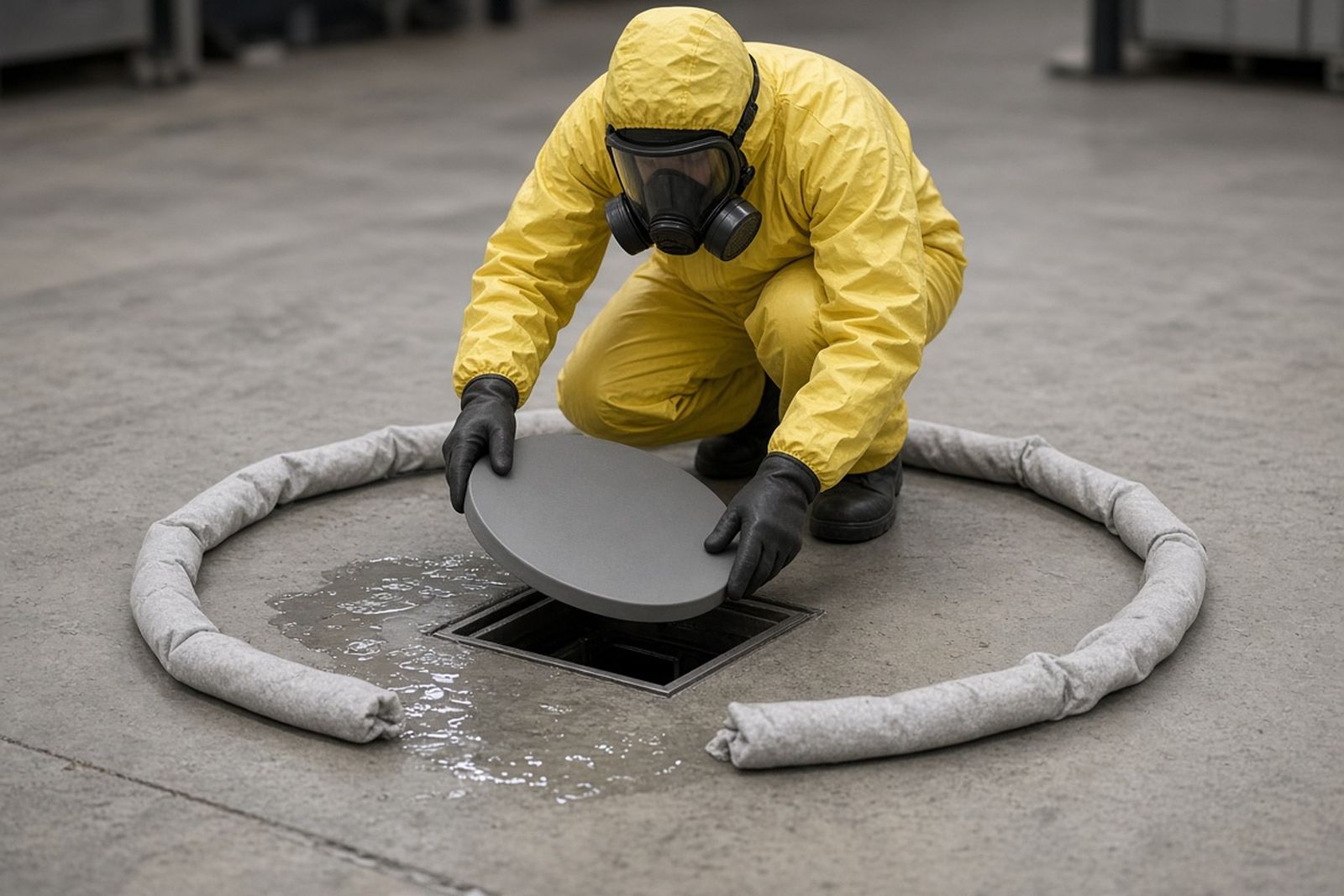
    Keep people out and move them as the fire crew directs. Leave blowers and box fans off while nobody knows whether the vapor is toxic or can ignite. Whether to shut off your building's air is a call for responders and facility staff. It is never a job for air freshener. Closing the perimeter comes before any absorbent work, so do not let anyone start wiping. If you are a resident, tell the manager and wait well away from the ramp.

  2. 2

    Bring the paperwork out to the curb

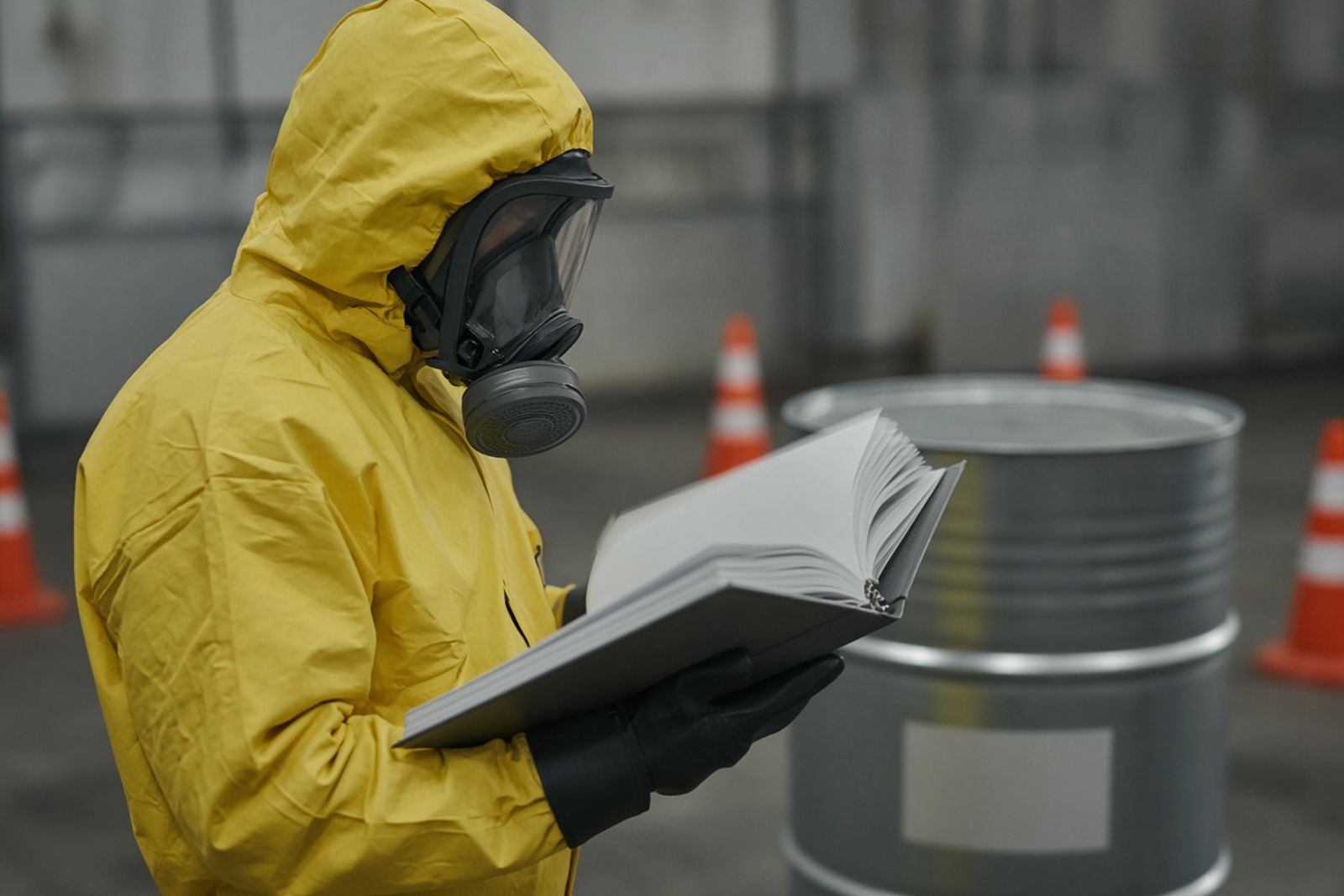
    You help most by bringing purchase records, contractor chemical lists or SDS binders out to the curb. Nobody should pry open a drum to read a faded label. With the papers, responders can tell whether battery fluid or a solvent is involved and pick pads that will not react. Your residents and night staff should never mix household products to see what happens. If you have no papers at all, say so plainly and describe the container.

  3. 3

    Block the route to the Bay and settle who makes the calls

    A good crew blocks the routes to gutters and inlets early. If a creek inlet is involved, Palo Alto Fire and the county hazardous materials program will say who else must be told. For a large enough oil or chemical release, federal law may add a call to the National Response Center (NRC). Decide ahead of time which manager at your property calls 911 and which one handles the paperwork later. Write those two names where night staff can find them.

  4. 4

    Ask for waste papers and written reopen targets

    Used materials are tested under federal hazardous waste rules that may apply, packed for legal transport and logged on the waste shipping record. When the hazard calls for it, ask for air or sample targets before shared rooms or small lab spaces reopen. A garage that looks dry is not a reason to open it. If your tenants press for a date, tell them the readings decide it, and keep those readings beside the agency numbers.

What cleanup is like in Palo Alto

Palo Alto mixes homes, blocks by the university, research park edges and managed apartments, so the spills here are not the heavy industry kind. Common causes are remodel solvents, backup generator fuel, strong pesticides, leftover fluid from lithium batteries and unlabeled containers in a maintenance closet. If you manage a building or an HOA, you will often hear about a garage sheen or a loading dock smell before you see any liquid. Your part is to rope off the dock or deck and phone it in. You do not have to name what leaked. Do not ask a vendor to just wipe it up.

The Peninsula is built out, and its storm drains can carry product from the gutter toward the Bay quickly. Hosing a spill away costs you a lot here, because a few minutes of spread can widen what regulators must look at. Leave, or stay inside if you are told to. Building air handlers get switched off only on a responder's word. Keep mop crews out of the danger zone. A lab supply invoice or an SDS from your office helps crews far more than someone sniffing the garage. For certain oil or hazardous substance spills, a report to the National Response Center may apply, apart from any insurance deadline.

Campuses, HOAs and employers share hallways and parking, so what you tell people matters. Tell residents plainly to stay out of the garage and away from the drains. Do not name a chemical you have not confirmed. Note when the spill was found, which stalls or buildings are closed and where a fire truck can fit. Afterward, your board's file should hold the waste shipping record and the written reason the garage reopened. Tenants or lab schedules may push you to reopen overnight. Hold to the order: name the product, hold it, dispose of it legally, then clear the space.
What to expect for your type of home

  • Shared parking decks: One person should have the power to post leave-now notices. Pick that person now, so there is no debate in the lobby about the chemistry while fumes spread.
  • HOA supply closets: Bleach stored next to mower gas counts as unknown until someone finds the SDS sheets. Tell the crew what is on the shelf instead of sorting it yourself.
  • Offices with tenant build-outs: Staging areas often leave unlabeled containers behind. Do not drag a drum aside to clear a walkway. Ask the contractor for its product list.
  • Homes near schools or the campus: Shelter orders for people downwind are more likely here. Follow public responders, and bring children inside until the all clear comes.
  • Garages with exhaust fans and shared air systems: These can move fumes through the building. Setting up fans without a hazard review can widen the exposure, so leave them off.
  • Managed properties with a cleaning vendor: Keep emergency spill work out of your regular cleaning purchase orders. A separate file makes an insurance claim much easier to follow.

Papers and records to keep

  • Which units or parking stalls were closed, and at what time
  • Pictures, taken from a distance, of the puddle, the nearest grate and parked cars or bikes
  • A log of calls to fire, CUPA or environmental offices, with reference numbers
  • The name of the HOA or research park contact who let crews in
  • Signed waste shipping records for the pads and liquids hauled away
  • HOA, campus or management notices that stick to facts and avoid guesses

Local offices and official help

Common questions in Palo Alto

Can our HOA send the night cleaner to deal with a chemical sheen in the garage?

No. Normal cleaning covers dirt, not unknown or regulated spills. A night cleaner with a mop can be hurt by the fumes and can push the product toward the storm drain. Close off the area and call 911. Once firefighters hand off the scene, a trained spill company does the recovery and packing. Rewrite your vendor tickets so a chemical smell goes straight to emergency steps. Nobody neutralizes a spill or hoses it toward a creek inlet.

Why is it risky to air out a loading area with fans?

Heavy fumes creep along the loading area floor into electrical rooms and pits, where a fan motor or a plug can light them. Indoors, the dose you breathe climbs as vapor piles up. Leaf blowers are not a plan for clearing a garage when you are unsure what fuel or solvent spilled. Near campus and in apartment blocks, vapor drifting down a corridor can widen the evacuation. If you smell it, leave and call. Airing it out is the responders' decision.

Why does it matter so much what the product is?

No single pad or neutralizer suits every spill. Acids, oxidizers, solvents that burn and strong pesticides each need different controls. For battery fluid or solvents from nearby labs, the SDS and trained field checks tell responders which absorbents are safe. You help most by finding paperwork, not by testing the liquid. Tenant build-outs and gardeners tend to leave partial jugs behind in Palo Alto buildings. If the label is missing, keep people back and treat it as unknown.

What proves the spill waste left our property legally?

For a spill in a shared garage or at the research park edge, keep the waste test results and the bag and drum counts. Keep the shipping names where they apply and the hauler's license details. Ask for a copy of the shipping paper once the receiving plant has signed it. If a resident later drops off leftover cans at a household hazardous waste event, record that apart from the emergency loads. Without these papers, your board has no proof of where the waste went.

What should we tell tenants while nobody knows what the chemical is?

Say only what is confirmed: which parts of the complex are closed, and that the fire department is in charge. Hold off on giving a reopening time. Offer one contact for access questions, and ask residents not to cross the tape or touch any container. When the area is cleared, tell people it met the written test results. If the HOA email, the garage door sign and the board update all match, fewer people wander back into a closed level too early.

What should I know about lithium battery leaks in my garage?

A damaged or swelling battery from an e-bike, scooter or car can give off harsh fumes and may catch fire. If you see smoke, hear hissing or see bulging or leaking fluid, leave the garage. Close the door if it is safe, and call 911. Do not try to move, cool or wipe the battery. Charge devices away from exits and anything that burns. Afterward, ask responders or your fire department how to deal with the damaged battery and residue.

Should our HOA keep a spill kit in the garage?

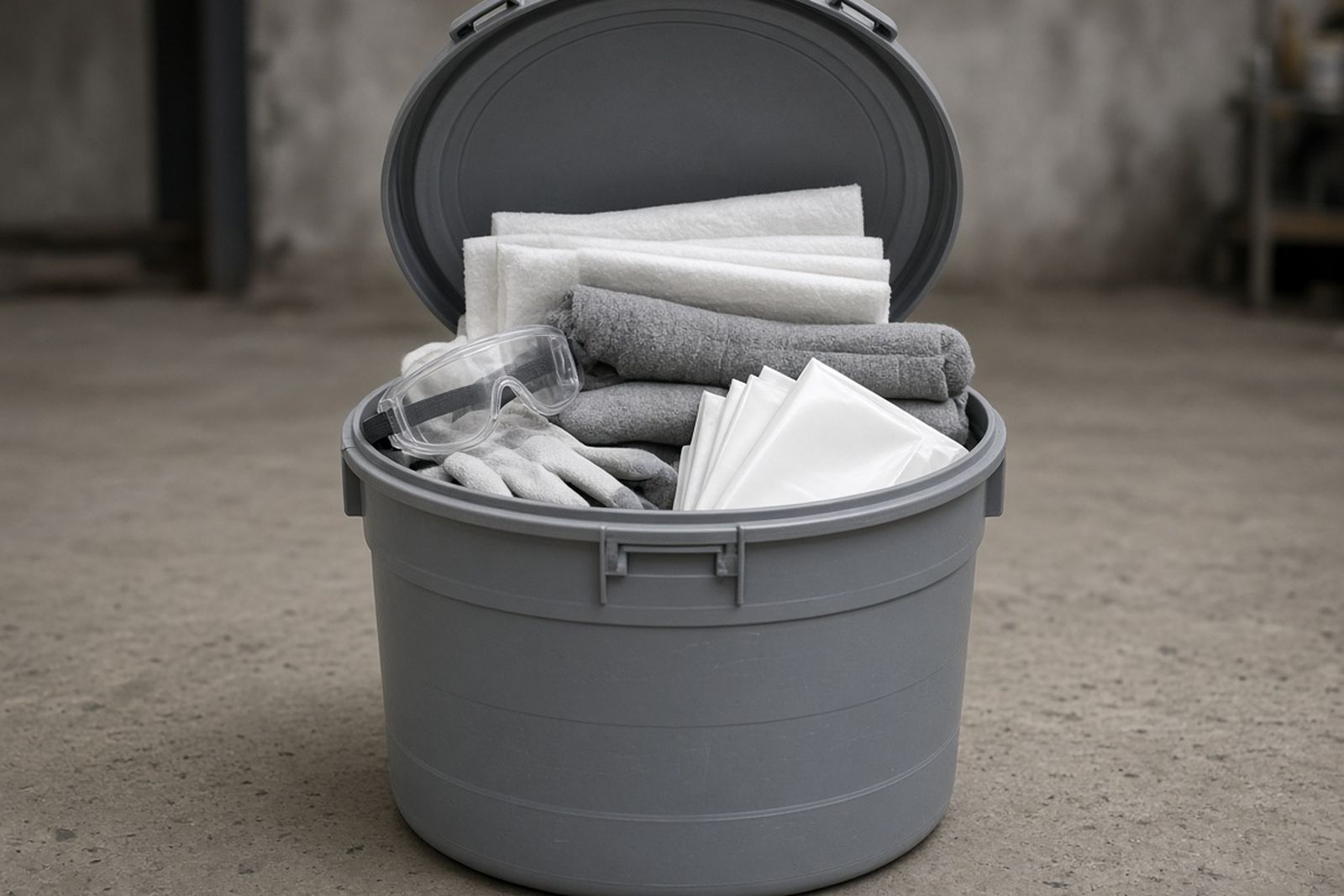
A spill kit can help trained staff with small, known leaks, such as a car dripping oil. It is not meant for unknown liquids, strong fumes or battery fluid. Residents should not use it as a way to avoid calling for help. If you keep one, post a sign next to it that says when to call 911 instead. Record who restocks it. Get rid of used pads through proper channels, not the trash room.

Technician in a yellow suit and respirator reading a safety data sheet binder beside a drum
Open spill kit drum holding absorbent pads, goggles, gloves and disposal bags

Facts worth knowing

  • After a January 2014 West Virginia spill, surveys and medical reports described health problems linked to flushing home plumbing.

    Why it matters: If you feel unwell while flushing contaminated pipes, stop, get fresh air, and call your doctor or poison control.

    Source: Whelton et al., 2015

  • Insured flood victims in a study published in 2022 said slow insurance inspections held up their cleanup.

    Why it matters: Ask your insurer how soon an adjuster can come, and whether you may start urgent cleanup after taking photos.

    Source: McKenzie et al., 2022

  • Flooded residents in New Brunswick focus groups said the paperwork for insurance and government compensation was confusing.

    Why it matters: Expect the forms to take effort, and ask your adjuster or a local aid office to walk you through them.

    Source: Woodhall-Melnik et al., 2019

Tools that help right now

What would you do?

Poll results

Vote to see how other people answered. You can change your answer at any time.

Safety

How prepared is your site for a chemical or fuel spill right now?

Be the first to vote
Your experience

In your most recent spill, what was the first action taken?

Be the first to vote

Need help in Palo Alto?

Send a short message about the property to the follow-up inbox. A coordinator can reply by email with next steps.

Your request is sent to the follow-up inbox. A coordinator can reply by email.

If anyone is hurt or in danger, call 911 first.