Direct answer
The short answer for San Jose, CA
San Jose's spills often start at South Bay loading docks, forklift charging rooms, machine shop coolants, and industrial parks along Coyote Creek. The pattern is leaking totes and battery acid, not the retail basements of the Westside. This guide stresses that shift leads should pass problems up, not fix them. Use shipping papers (bills of lading) and the Safety Data Sheet (SDS). Never splash floor cleaner on a spill. It covers creek barriers, notice to the Santa Clara County hazardous materials program (CUPA), and waste testing under federal law (RCRA). It also covers shipping rules for outbound drums and written targets for reopening a bay. It does not invent stationed crews or promise arrival times.
Editorial guide · Biohazard Remediation NetworkUpdated 2026-07-22Location focus: San Jose, CA
Local planning context
Loading docks across the South Bay see pallets dropped overnight, large unlabeled plastic totes, cutting fluid drips, and forklift battery rooms. The sulfuric acid in those batteries is a very different hazard from a diesel spill. HOA parking decks sit nearby. But the habit that must change first is on the warehouse floor. Supervisors pushed to keep freight moving should call for help, not make up a fix. The Guadalupe River and Coyote Creek make runoff from a pad a threat to the water, even when the lot looks industrial and far from the coast. Never tell untrained workers to neutralize unknowns during a shift change. Silicon Valley tool vendors sometimes leave special solvents that look like normal cleaners. Treat unlabeled jugs as unknowns.
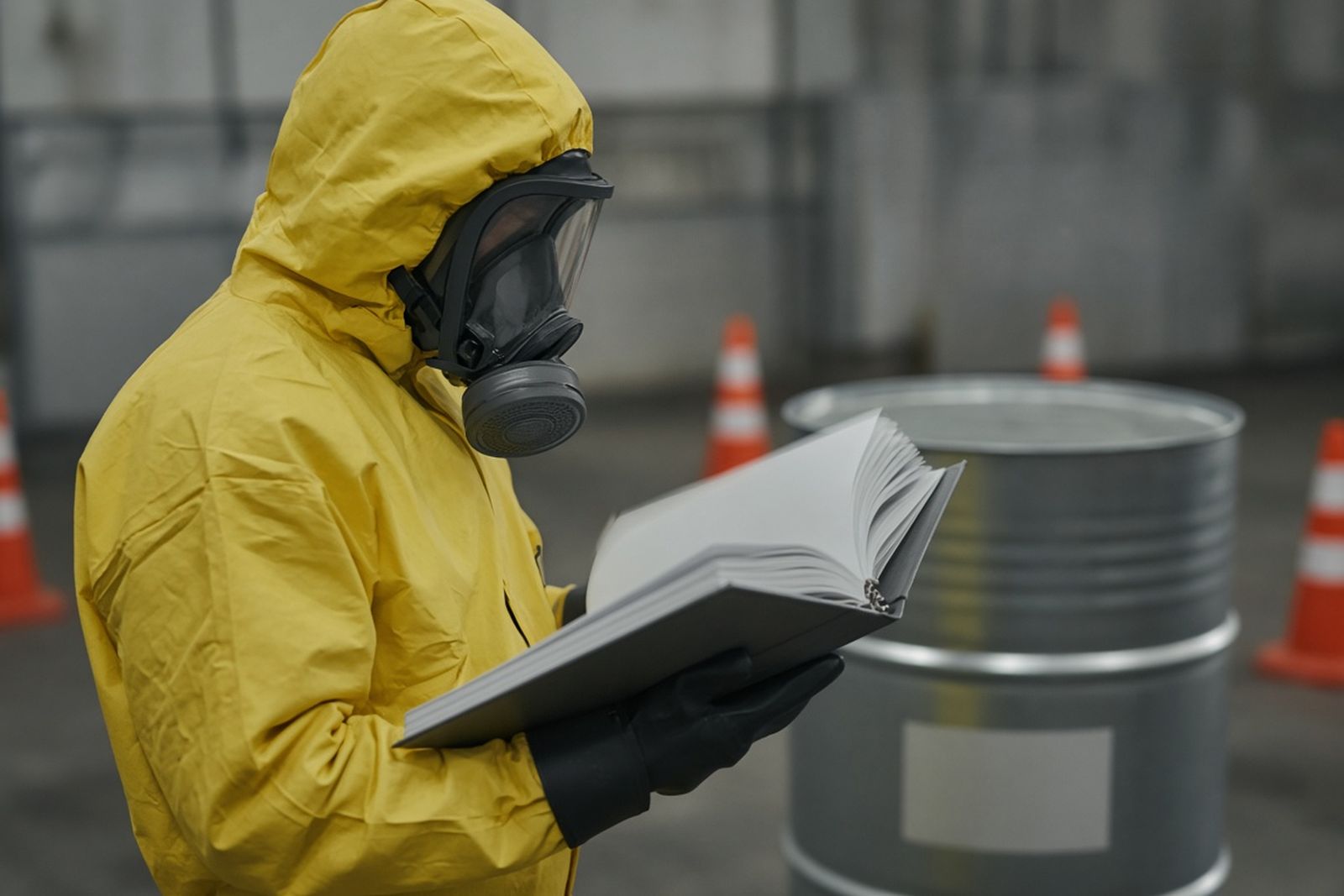
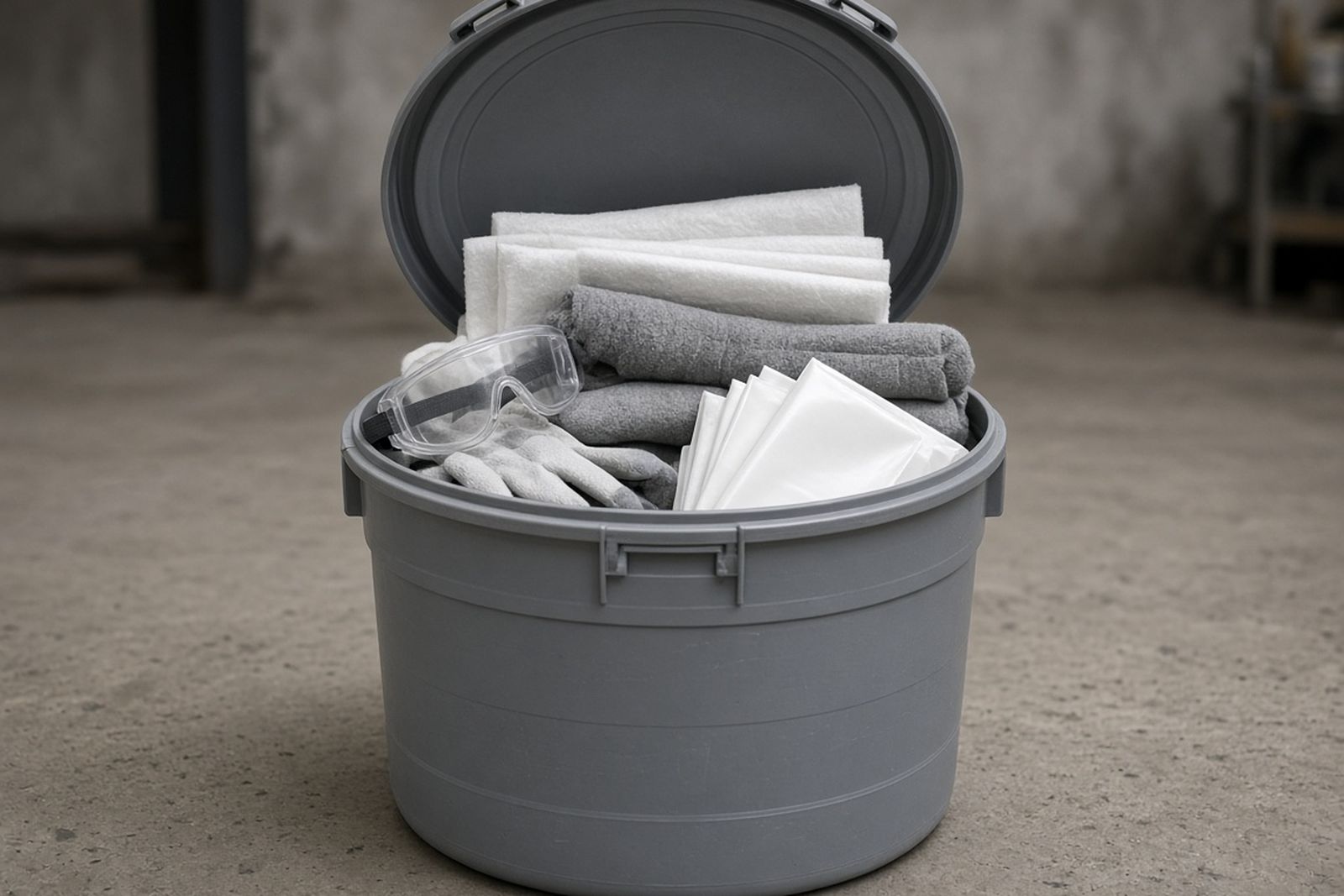
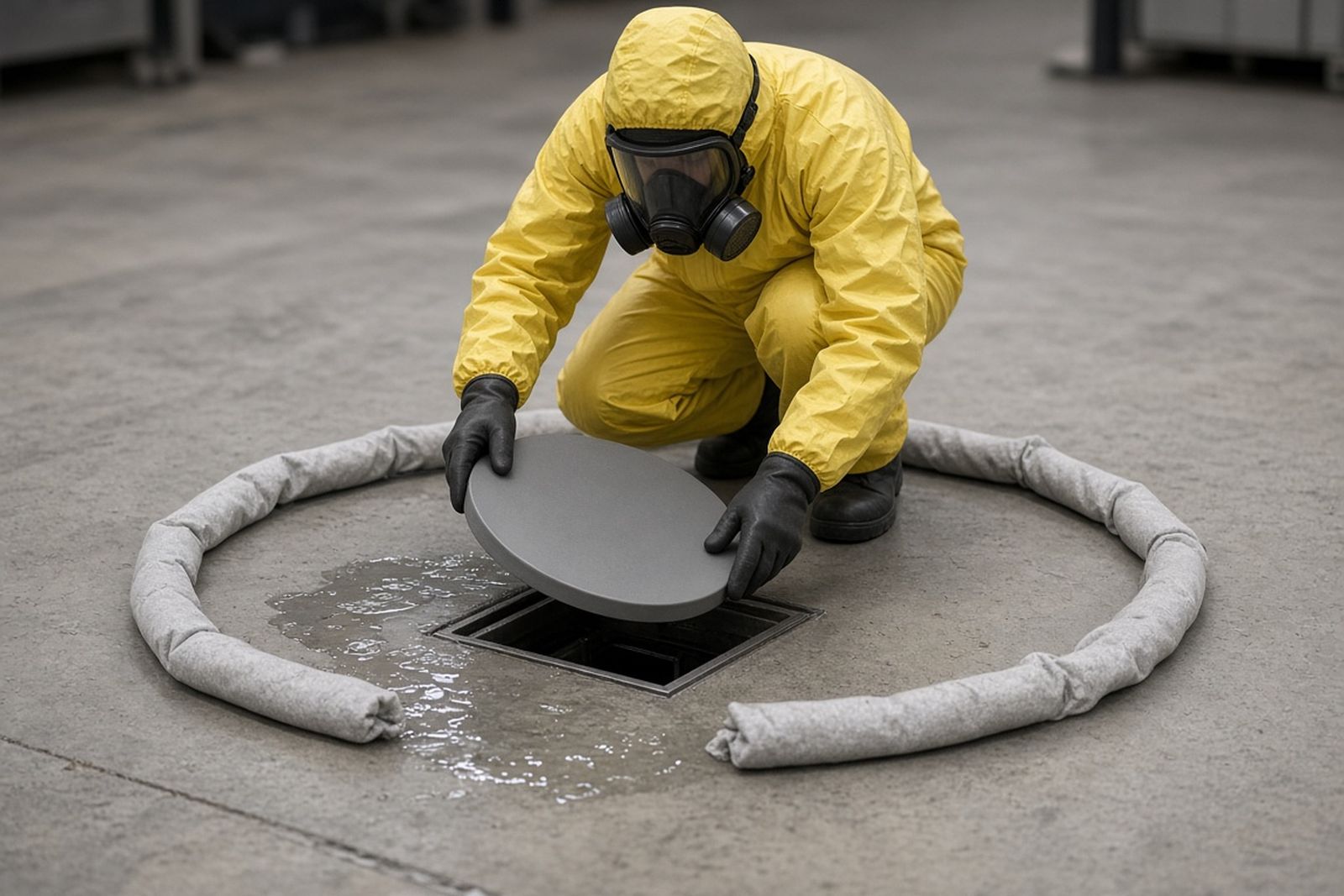
Storm lines on the valley floor can carry product from dock sumps into creek drains fast. Barrier kits kept near the doors where corrosive and burnable goods come in matter once responders set safe methods. When there are fumes or unknowns, safety still comes before getting trucks turned around. SDS binders and shipping papers pulled from a clerk's desk are very useful to responders. Get them without walking into the spill bay. California DTSC and the Santa Clara County CUPA set the hazardous materials and waste rules after the fire department's emergency phase ends.
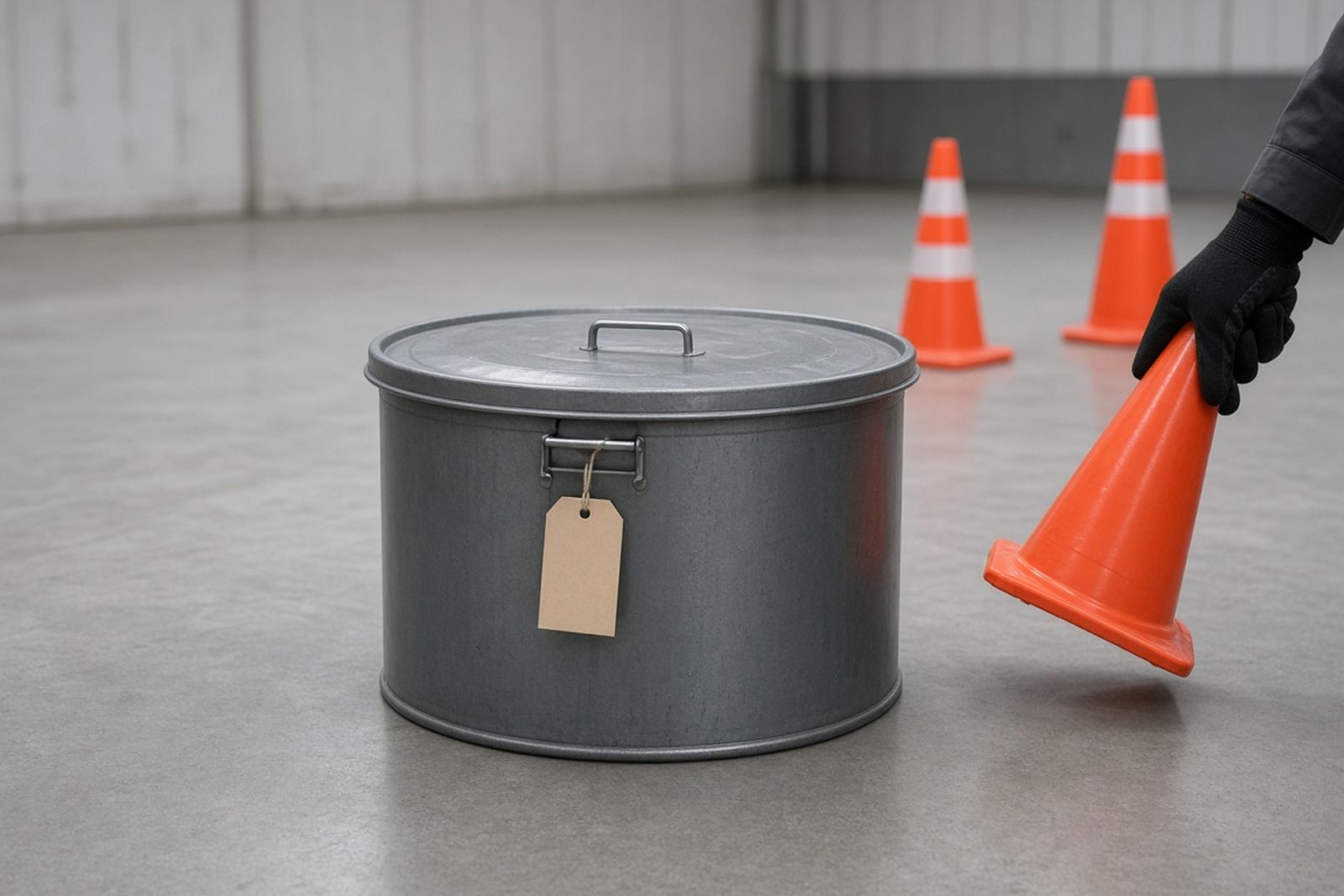
Job campuses and third-party warehouses often push to reopen docks for incoming deliveries. That pressure must not flip the order of sorting out the hazard. Log when the spill was found, the bay numbers, the steps taken to control sparks, and who waved fire trucks through the yard gate. Waste test results, a waste shipping record that follows the load to its final site, and hauler licenses close out the emergency waste when federal hazardous waste rules may apply. After a solvent or acid spill, write down the reopen targets before staff take back the bay. This guide is about following the rules and keeping people safe. It does not invent staging yards.