What should Atherton residents do first if a chemical or fuel spill is discovered on an estate property?
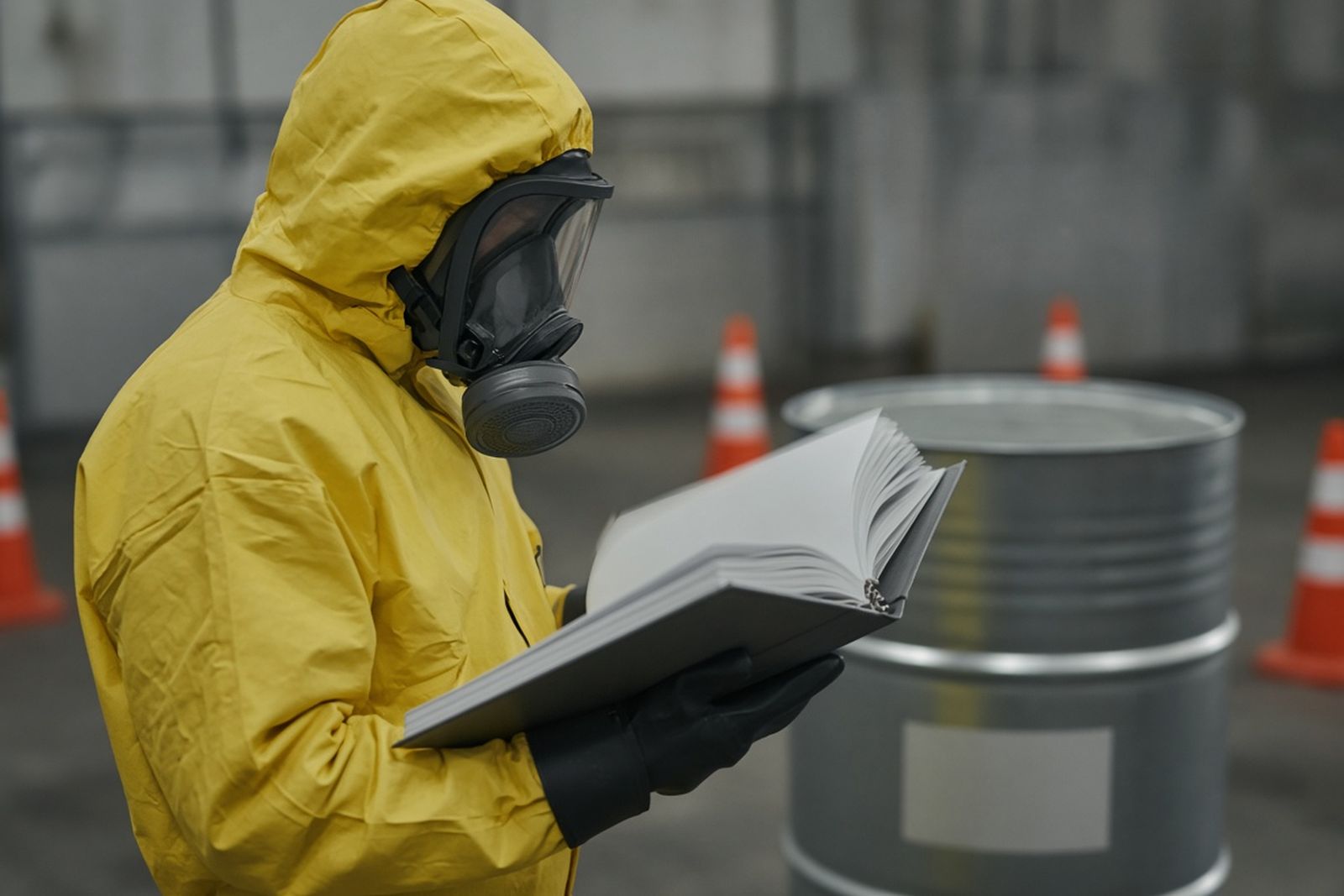
Safety comes before cleanup. If you do not know what the product is, or it gives off strong fumes or makes eyes or skin sting, leave the area. Keep others out and call emergency services so the fire department can take charge. Do not sniff the product, open unlabeled containers, or ask household staff to mop or hose it. From a safe spot, note any labels you can see, who was working on site, and whether the product is moving toward a drain or yard inlet. Do not walk into the spill area to check. When crews arrive, give them the gate contacts and any SDS or product papers you have. Trying to name or neutralize a chemical without training can cause fire, toxic gas, or a wider spill. Atherton's gated, large lots make early access planning important. They never make do-it-yourself hazmat work a good idea.
Why is SDS information important for spill response in Atherton?
A Safety Data Sheet lists the hazards of a product and what it must not be mixed with. It also covers the protective gear to use and how to handle a spill. Trained crews use it to choose absorbents, plan airflow, and assign waste codes. Without it, crews must treat the spill as unknown. That slows cleanup and widens the closed-off area. If you can do it safely, find the SDS files or the contractor's product list. Do not open a container to see what is inside. OSHA's chemical label rules exist so workplaces and contractor crews can share hazards in writing. Atherton estates often keep pool chemicals, fuels, solvents, and pesticides in the same outbuilding. Guessing how they will mix is dangerous. Closing off the area first and using the SDS before any neutralizing keeps people safe. It also helps stop a spill on a pad from becoming a house fire or a fume emergency.
How do storm drains and landscaping systems change spill priorities here?
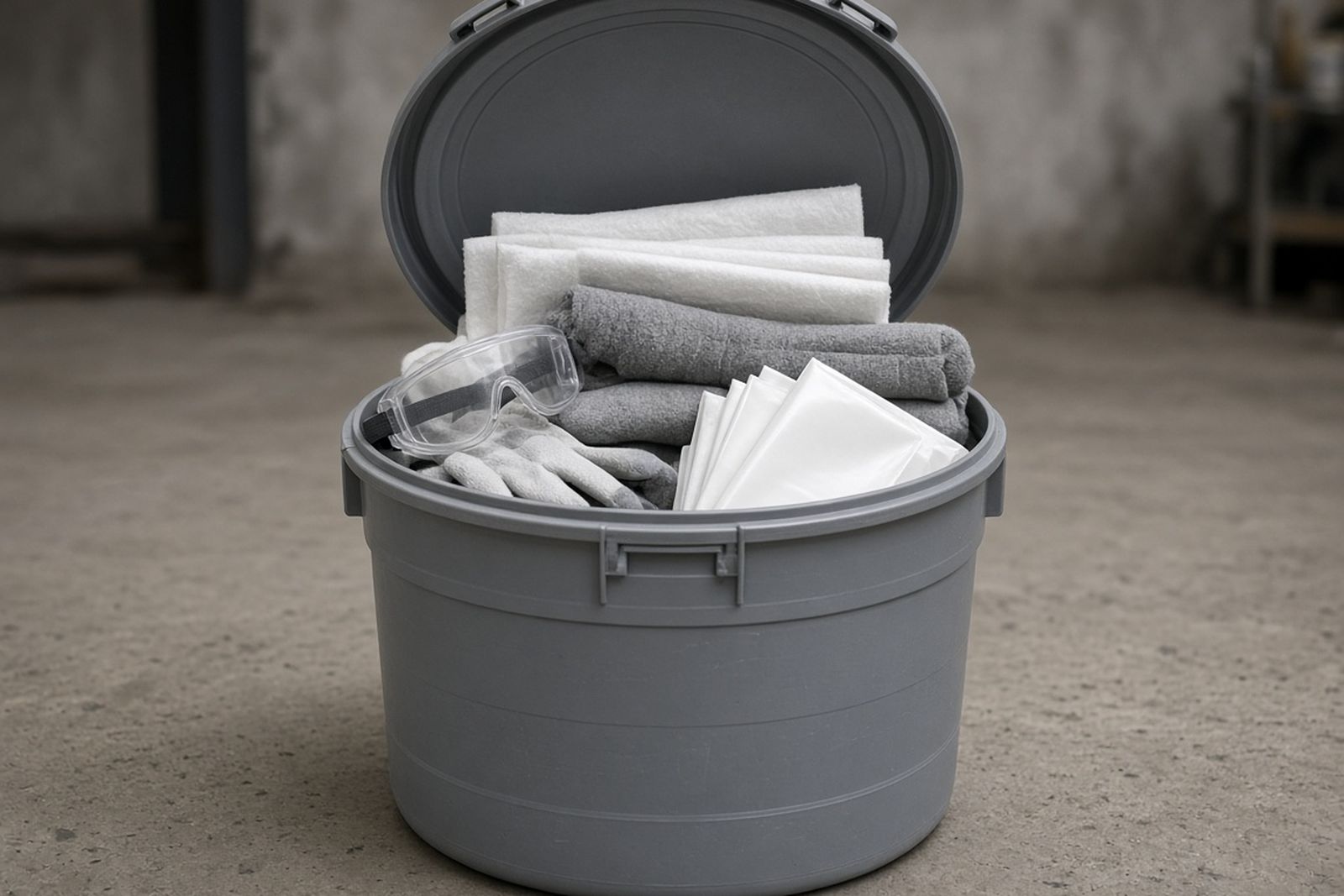
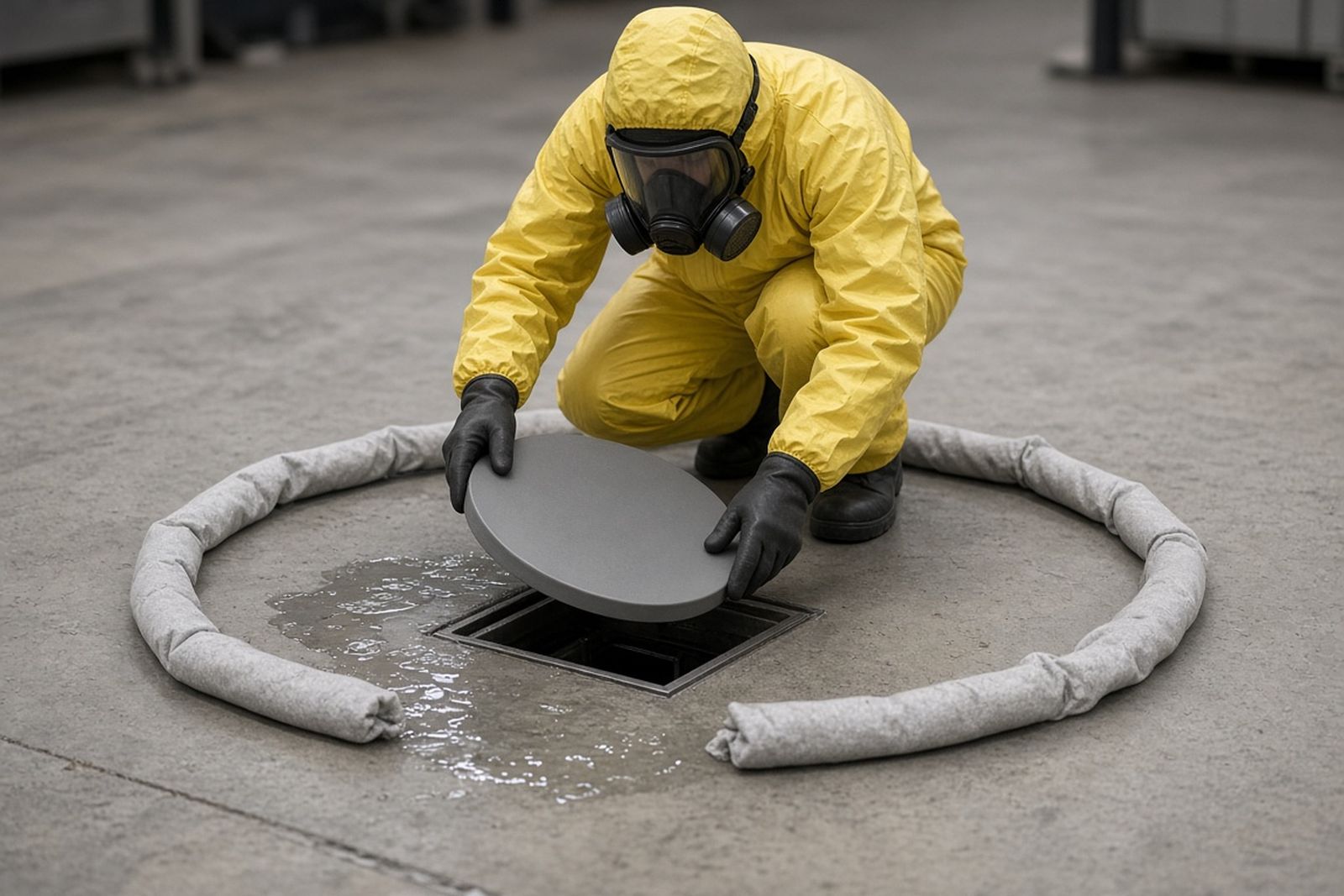
In Atherton, driveways and equipment pads often sit close to French drains, swales, or street inlets. So minutes matter. Hosing a spill off the concrete can send it into storm water or a creek, which may have to be reported. It also makes work with agencies harder. Once they know the product, trained teams use barriers and matching absorbents, and they record how much they recover. Environmental agencies may need to be told if product leaves the property or enters drains. Never push residue into the garden to get rid of it. From a safe distance, take photos of any shiny trail the spill leaves. If the product spread, soil or paving may need testing later. Protecting storm water is not yard work. It is a core part of hazmat control, and it can decide how much the regulators get involved.
What waste paperwork should property managers keep after a residential hazmat response?
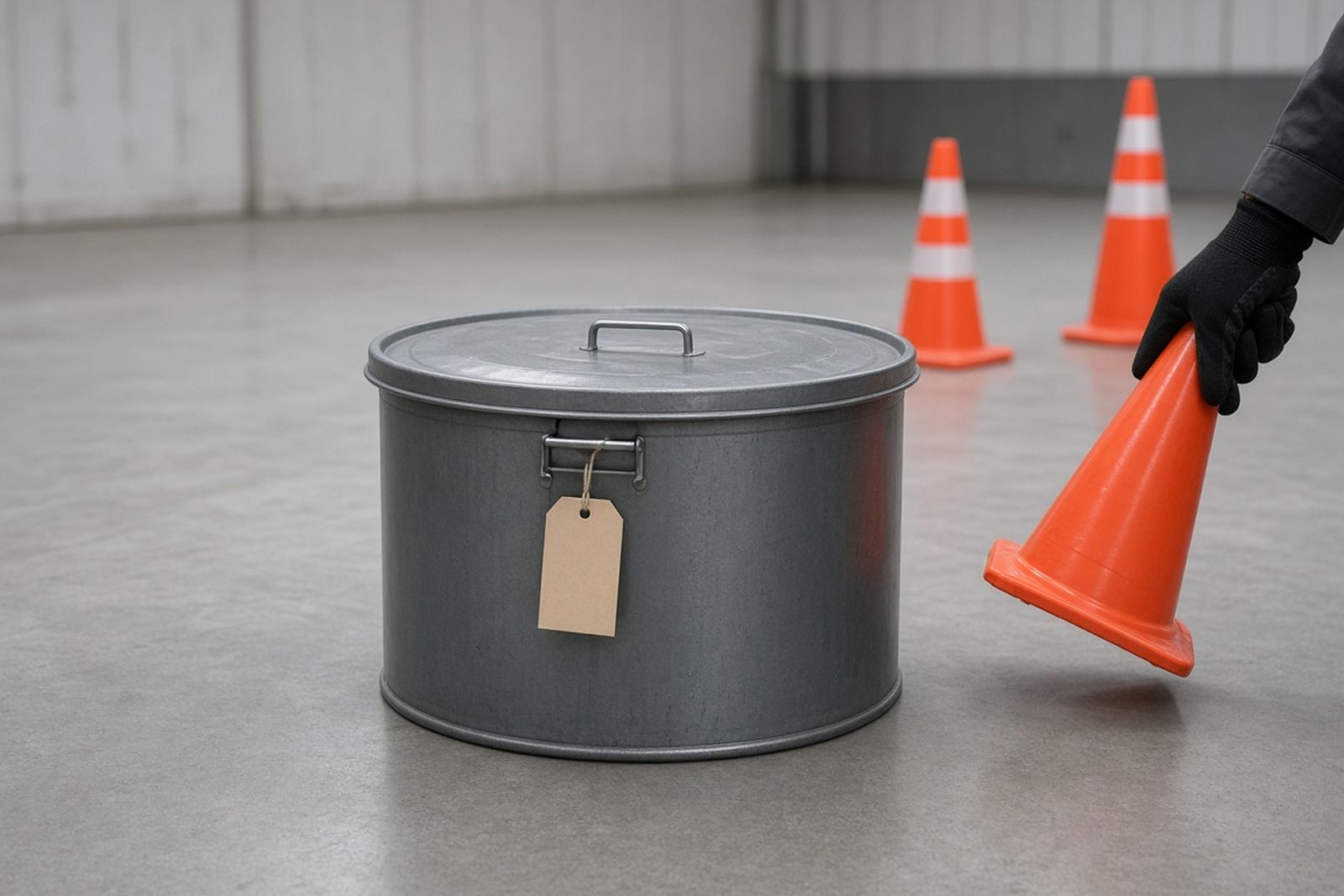
Keep notes on how the waste was tested, a list of containers, the hauler's details, and the signed waste shipping record that shows where it went. Used absorbents and recovered liquids are often regulated. Putting them in the household trash is a common mistake that breaks the rules. Also keep the SDS copies used for testing, photos of the packed waste, and any agency reference numbers. Pollution-liability and homeowner claims often ask for the same set of papers. Air test criteria or sample results belong with the waste file, so the re-entry decision is on record. Atherton estate managers should store these papers with other property records. Do not rely on a spoken "all clear." If soil cleanup is needed after the emergency, keep that work separate in writing. That way the emergency shipping records are not mixed up with a longer, multi-phase cleanup contract.
When is cleanup considered verified enough for re-entry on an Atherton property?
It depends on the type of chemical and how far it spread. Not seeing any product is a start, not the finish. This is true when there are fumes, soft materials that soak things up, or soil involved. Trained crews and air-quality experts may set air test targets, take wipe samples, or use other checks before living spaces reopen. Heating and cooling systems that may have pulled in fumes need to be checked, not covered up with air freshener. Write down who approved moving back in and what readings backed that choice. If smells or symptoms stay, keep the area closed. Atherton's costly interiors do not change the science. Re-entry should follow written targets that fit the hazard, not a sniff test by staff. Deal with any open agency conditions before you call the emergency phase done.
How can Atherton households store pool, garden, and fuel products to lower spill risk before anything happens?
Keep pool oxidizers, acids, gas cans, and garden chemicals on separate shelves in the equipment room or detached garage. Keep them off the floor and away from yard drains. Leave products in their original labeled containers so responders can read them if something leaks. Ask your pool and landscape services for current Safety Data Sheets. Keep copies in the main house, not the outbuilding. Tape a short note inside the door telling household staff to call 911 instead of cleaning up an unknown spill.
Who should meet fire crews at the gate if a spill happens while the owners are traveling?
Many Atherton homes are run by estate managers or household staff when the owners are away. So decide ahead of time who holds the gate code and who can speak for the property. That person should wait outside the affected area, guide fire trucks up the drive, and hand over any product lists or SDS copies. They should not walk into fumes to check the scene. Leave written phone numbers for the owner, the manager, and any pool or landscape vendor on site.