Direct answer
The short answer for Boston, MA
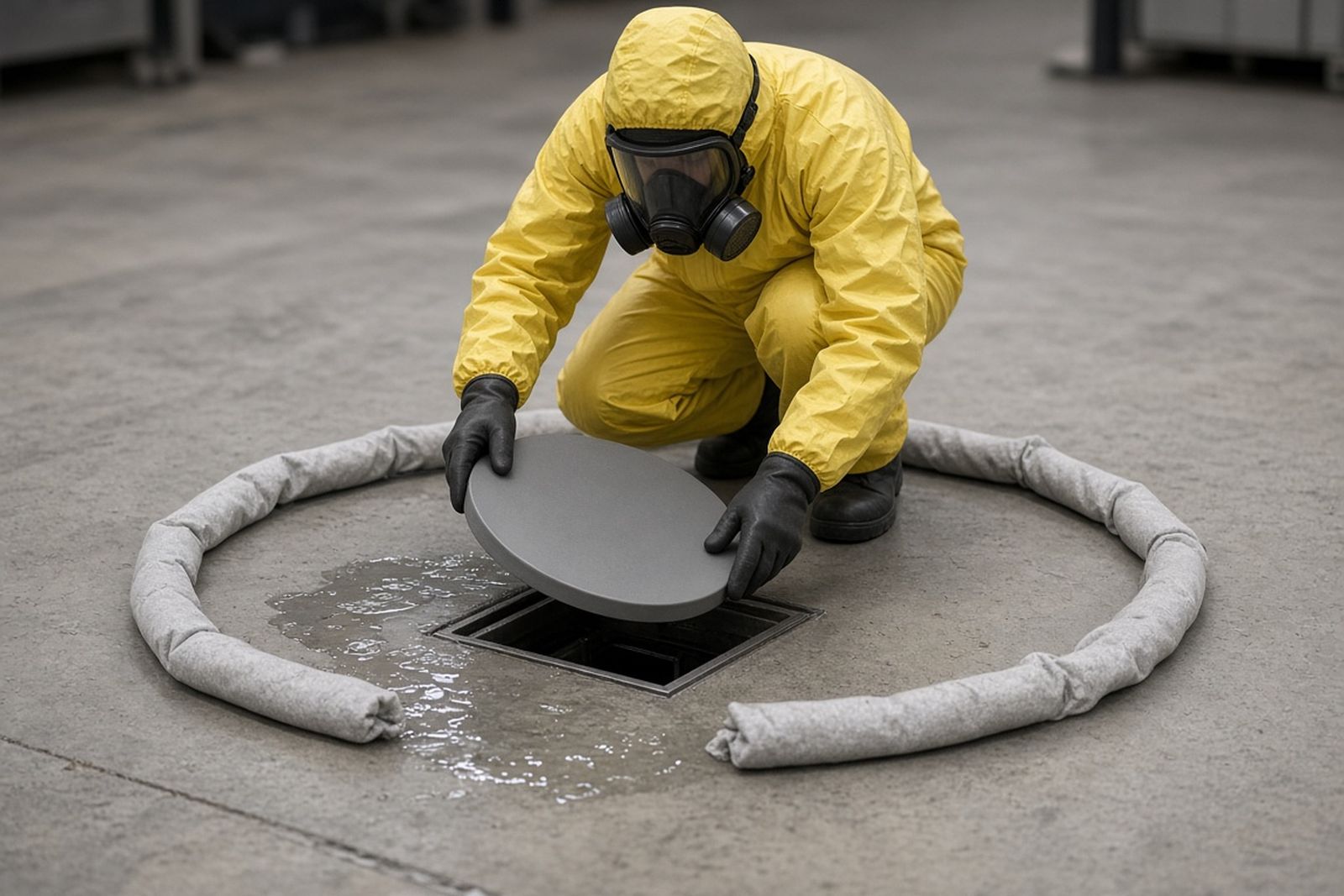
Boston's Seaport wharf aprons, Green and Red Line station edges, Beacon Hill brick cellars, and storm lines running to the Esplanade all see spills. The mix includes generator diesel, solvents near labs, battery fluid, and contractor totes, and state rules in Massachusetts matter. Move riders and workers away first. Pull the Safety Data Sheet (SDS) instead of reaching for a mop at rush hour. Block drains that lead to the Charles River and the Inner Harbor. Work with Boston Fire and MassDEP, the state environmental agency. Track each load with a shipping paper, since RCRA, the federal hazardous waste law, may cover it. Hold off on weekday reopening until air test results are in writing.
Editorial guide · Biohazard Remediation NetworkUpdated 2026-07-22Location focus: Boston, MA
Local planning context
Wharf freight, hospital loading courts, university mechanical rooms, and garages by T stations produce a New England city mix. It is not the same as Midtown's avenue vaults. You may find No. 2 heating oil and diesel day tanks, remodel glues used in cold weather, lithium residue in parking stacks, and unlabeled totes left by cargo doors like those at Black Falcon. Facility radios often report a chemical smell near the T before anyone has an SDS in hand. Empty the bay. Keep riders and staff on the safe side of the tape, and call emergency services. Do not send porters into fumes to name the product for a group chat.
Storm lines under cobbles and concrete that run to the Esplanade and Inner Harbor raise the reporting stakes in Massachusetts when product leaves a pad. A hose rinse before the morning commute can turn a private film into a MassDEP matter. For some oil or hazardous substance spills, it can become a National Response Center (NRC) matter too. Shelter or leave as Boston Fire directs. Shut off fans only when told to and when it is safe. Never try to bring in fresh air with leaf blowers next to products that may burn. Get the contractor's SDS from a site trailer without cracking drums on the apron.
Campus safety offices, hospital facilities, and commercial landlords should share one script of facts. It says which doors are closed, which drains are off-limits, and who meets fire engines away from the station stairs. Log curb limits near the platforms so recovery trucks do not block exits. Once cleanup ends, lab sheets, signed shipping papers, and air numbers go on file before a lecture hall, clinic, or garage opens for the week. A nine o'clock lecture or a ferry departure does not change the order of steps.