Direct answer
The short answer for Bethesda, MD
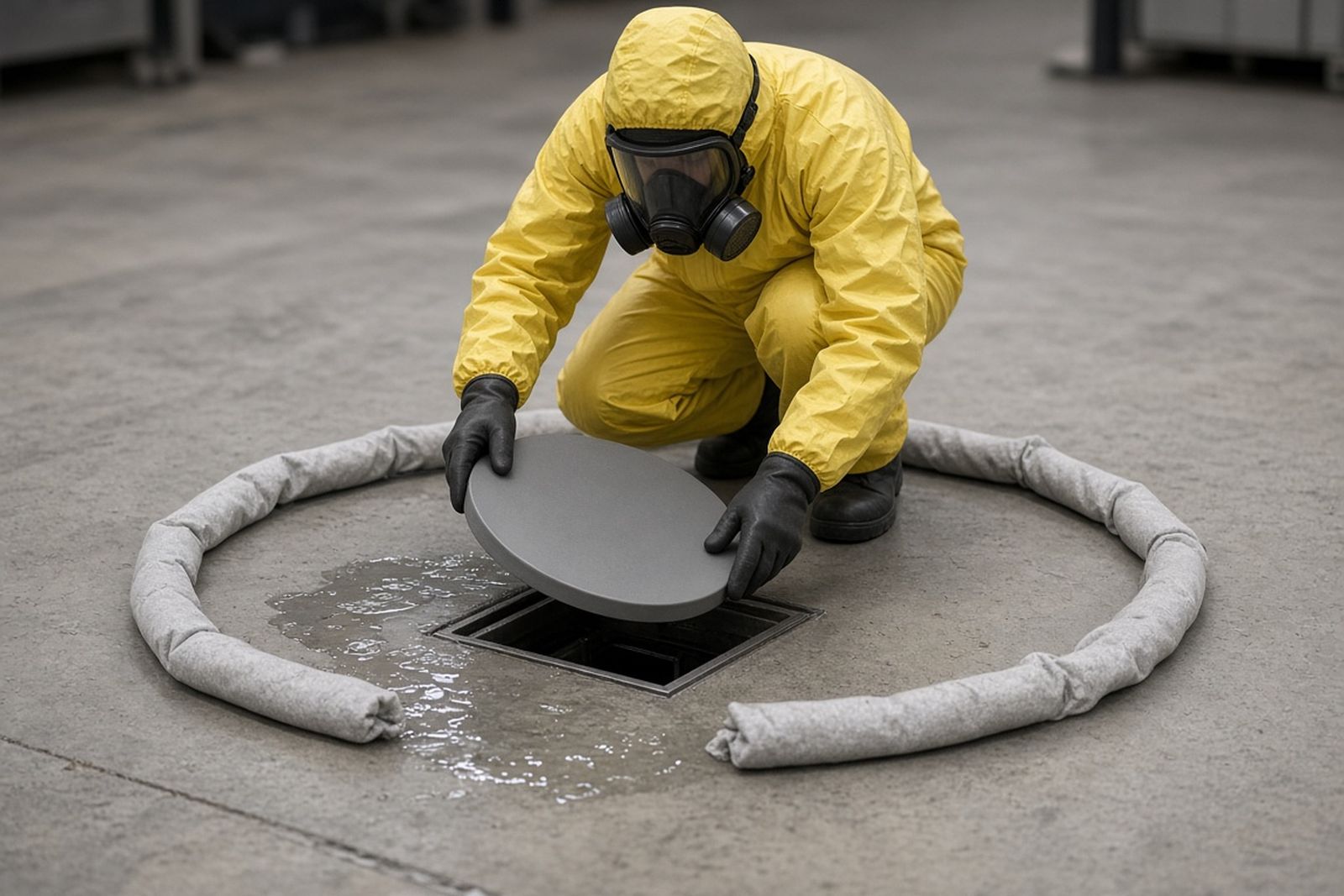
Offices at the Medical Center Metro, clinic towers on Wisconsin Avenue, and paving that drains to Rock Creek streams see remodel glues, generator diesel, battery fluid, and unlabeled build-out totes. Patients and riders notice the smell fast. Clear the clinics first. Pull the Safety Data Sheet (SDS) instead of letting janitors mix chemicals. Put barriers at trenches that lead to the creek. Montgomery County fire crews work with the Maryland Department of the Environment (MDE). Each load of pads leaves with a shipping record, as the federal waste law RCRA may require. Hold Monday reopening until air targets are in writing.
Editorial guide · Biohazard Remediation NetworkUpdated 2026-07-22Location focus: Bethesda, MD
Local planning context
Medical office campuses along the Red Line have a business-type mix, not an estate barn mix. There are backup generator fuel transfers under clinic towers, lithium residue in patient parking decks, glue stocks for overnight suite build-outs, and shared janitor closets with strong products that must not mix. Clinic staff should clear the loading area, send the janitors away, and phone 911. Clinic managers do not need a chemistry lesson in the lobby. Weekday Metro riders make a slow perimeter more costly.
Trenches under the Wisconsin Avenue aprons can carry product toward Rock Creek streams faster than a home dry well. Hosing the dock before patients arrive usually makes the job bigger. Air handlers and freight elevator fans stay as they are unless a firefighter asks. SDS binders from suite build-outs kept in a clinic office help trained crews, if you can reach them without exposure. Maryland MDE rules apply here, not templates from other states.
Texts to clinic tenants should say which floor to leave and which door to avoid, nothing more. Log when it was found, deck numbers, and garage height limits. A packed appointment book does not let anyone skip a step.