Direct answer
The short answer for Westport, CT
The edges of the Saugatuck marsh, the roads to Compo Beach, and the service yards along the Post Road all see spills of marina fuel, heating oil, pesticide, and remodel solvent. Neighbors along the shore notice the smell fast. Plan around getting people clear. Name the product with the Safety Data Sheet (SDS) instead of home chemistry. Wall off tidal culverts. Work with Connecticut DEEP and the fire department. Keep the waste shipping record under federal hazardous waste law (RCRA) where it applies, and write reopen targets for each cottage. This page invents no storefront, crew list, or arrival time.
Editorial guide · Biohazard Remediation NetworkUpdated 2026-07-22Location focus: Westport, CT
Local planning context
Westport has shore cottages, yacht club service yards, and alleys off the Post Road. So most spills happen on generator pads, boathouse fuel shelves, pool chemical closets, and remodel staging by guest parking. Factories are rare. Summer beach traffic and neighbors along the marsh mean a sheen or solvent smell rarely stays private. Decide who can open waterfront gates for fire trucks before anyone walks into fumes to see what leaked. Looking good for guests never comes before getting out and calling 911.
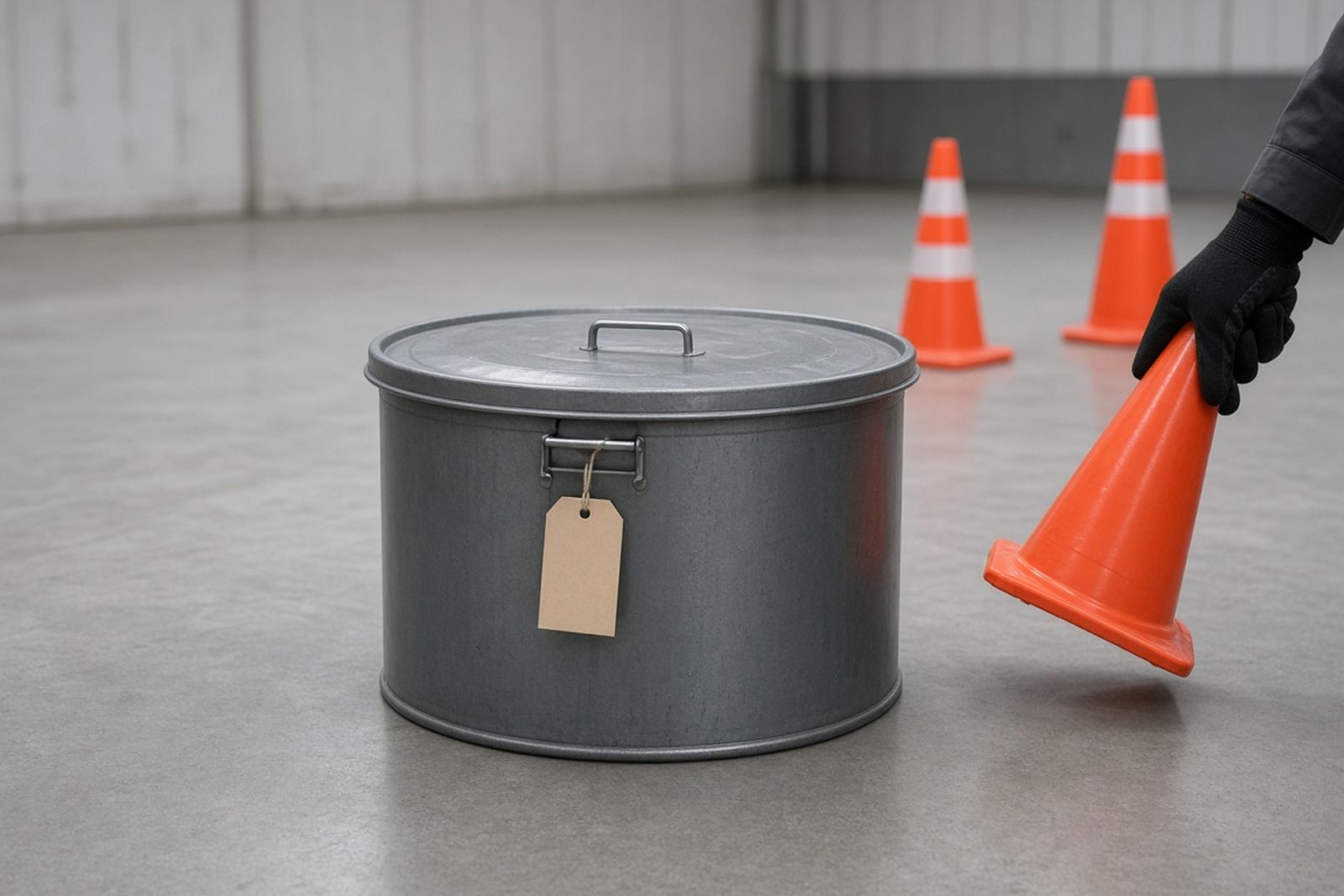
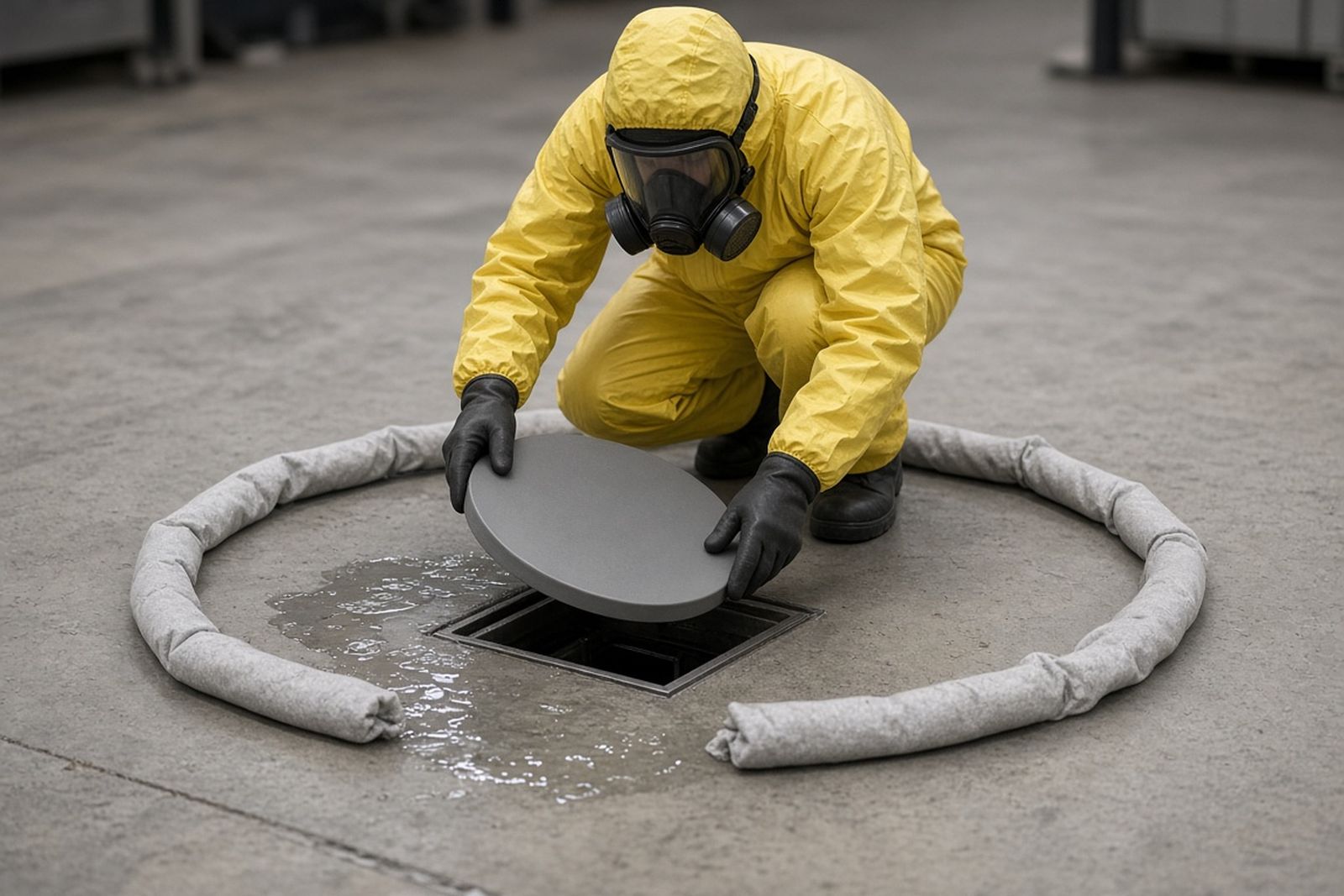
Culverts in the tidal marsh and trench drains at the marina link private pads to Long Island Sound within minutes of a hose rinse. Get beach guests and staff away from the boathouse. Leave outboard motors and generators off. Do not sniff puddles, taste residue, or ask landscapers to pour bleach on unknowns. Labels, fuel tickets, and SDS sheets, gathered without exposure, help trained crews sort out the product. Kitchen chemistry does not. If oil or chemicals head for the Saugatuck or the Sound, the National Response Center (NRC) may need a call, whatever your insurer wants.
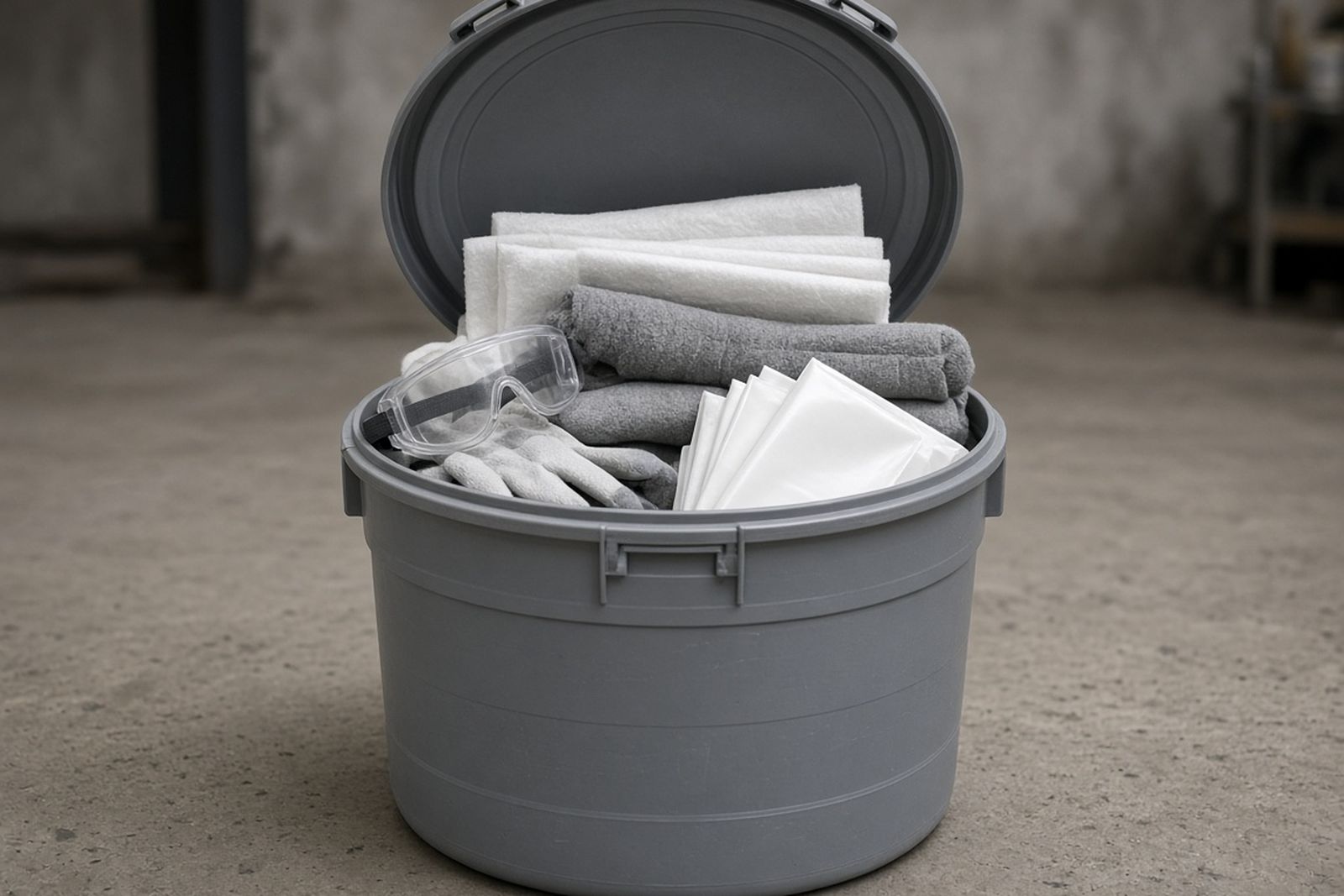
Family offices and marina managers keep photos taken from a safe distance, a note that unread drums stayed closed, logs of who unlocked gates, and fire or Connecticut DEEP reference numbers. Used absorbents often count as regulated waste. A curbside dumpster is not the way to get rid of them. Clearance for boathouses and guest cottages should list air or wipe targets when fumes were possible. "The dock looks dry" is not enough. First people, then the SDS, then booms, then lawful disposal, and last a signed reopen note.