Miami, FL

Hazmat Spill Response in Miami, FL

What to do, who to contact, and what to ask in Miami.

Diesel or chemical spill in Miami? Move people away, call 911, keep it out of Biscayne Bay before the next rain or tide, and save key records.

Get an email reply about hazmat spill response

Send a short message to the follow-up inbox. A coordinator can reply by email. This form does not send emergency help; call 911 first if anyone is in danger.

Tell us what you need help with. Share a short description; please leave out medical details, access codes, and other sensitive information.

A request does not confirm a booking. For immediate danger, contact local emergency services.

Or email info@hazmatspillcleanup.online

The short answer for Miami, FL

If diesel, solvent or an unknown drum spills at your Miami condo, marina or yard, move people away and call 911. Keep the film out of seawall seeps and Biscayne Bay outfalls, more so before rain or a king tide. Here is what Miami Fire needs from you and what to keep before suites reopen.

What to do, step by step

  1. 1

    Freeze the valet levels before rain moves the film

    If your eyes sting, a liquid has no label or diesel is spreading, clear the decks. Keep guests upstairs or outdoors as Miami Fire directs, and call 911. Do not let anyone start a car and drive through the sheen. Tape off the valet pad and the elevator lobby tied to that deck. If a downpour is coming, tell the dispatcher, because rain can carry the film toward the bay.

  2. 2

    Fetch the product papers from your cooled office

    Bring the Safety Data Sheets and fuel tickets from your condo office. Leave rusted drums sealed so trained crews can check them in the field. Your hotel or condo team should never make up a bleach mix for marine diesel or storm repair solvents. Salt air erases drum labels here, so the papers you keep indoors matter more than what is printed on the drum. Naming the product comes before any cleanup.

  3. 3

    Ask how bay outfalls and seawall seeps are blocked

    After the product is named, a good crew places barriers, booms and matching pads before the next cloudburst or king tide. Fire officials work with Florida DEP or Miami-Dade environmental staff when storm water or a path to the bay is involved. Diesel reaching the bay can also mean a call to the National Response Center. Ask which agencies have been told, and note each reference number for your board.

  4. 4

    Restart suites and valet only on written air readings

    Pads from your valet deck and seawall are tested and leave with a waste shipping record before the job is closed. Sealed Brickell units stay shut until readings meet written targets, since tower air can carry fumes up from the garage. A slab that dried in the sun after a rain shower is not clearance. Hurricane season brings a rush to reopen. That rush does not change what your residents need.

What cleanup is like in Miami

Miami's heat, salt and storms shape its spills. Yards near the port hold container residue and marine fuel. Brickell podiums keep hurricane day tanks for backup power. Salt air wipes the print off a drum within a season, and battery cabinets in stacked parking decks can leak after a heat spike. Your condo security desk may report a fuel smell in the valet area before anyone finds a label they can read. Empty the deck, keep guests out and call 911. Do not send a landscaper to scrape a crusted can in a cloud of fumes.

King tides and summer cloudbursts can push a film toward Biscayne Bay outfalls and seawall seeps very quickly. When product leaves your pad, the Florida Department of Environmental Protection (DEP) and Miami-Dade environmental staff shape which notices are needed. Oil in Biscayne Bay may also require a federal report. Let Miami Fire decide when your garage exhaust fans go on or off. Keep your Safety Data Sheet (SDS) packets in an air-conditioned office. Paper left on the dock gets moldy and fades.

If you sit on a condo board or run a marina, settle a few things before storm season. Who opens the seawall gates? Who meets the engines away from the cruise bus lines? Which valet levels get frozen? If a spill happens, photograph the sheen from a safe landing before the rain moves it. Note the time of the next high tide for responders, since it changes how long a barrier must hold. Your residents will want updates, so plan who sends them.

What to expect for your type of home

  • Docks and bay aprons: Salt rust makes the print on dockside jugs hard to trust. Keep your Safety Data Sheets in a dry office, and bring those to responders instead.
  • Podium garages with hurricane day tanks: Topping off before a storm watch is rushed work and a fire risk. Ask your fuel vendor to fill early, and keep cars away during the fill.
  • Bayfront buildings: King tides change how long a barrier must hold before the next high water. Tell the crew when the next tide is due, if you know it.
  • Properties with seawalls: Seeps in the wall shorten the trip from a film in your valet lane to the bay. Point them out and ask that they be blocked early.
  • Stacked parking decks: Battery cabinets soaked in heat add battery acid hazards next to fuel. Tell responders where each cabinet is and whether it has leaked before.
  • Sites near the port: Cruise buses and port traffic can block fire trucks. List other streets where they can stage, and share the list with your security team.

Papers and records to keep

  • Photos from the landing of the sheen near seawall seeps or bay outfalls
  • Fuel tickets and office Safety Data Sheet packets, handed over with drums left sealed
  • Notes on valet level freezes, gate codes and staging streets near the port
  • Fire and Florida DEP or Miami-Dade environmental reference numbers
  • When barriers went in compared with tide or storm forecasts, plus amounts recovered
  • The hauler's waste shipping records for everything removed
  • Air readings that allowed suites, the boathouse or the valet deck to restart
  • Dates you told your pollution insurer, kept in the condo or marina claim file

Local offices and official help

Common questions in Miami

Our Brickell hurricane day tank overflowed into the valet lane just as a storm watch was posted. What first?

Clear the lane and keep guests out of the fumes. Leave vehicles off and call 911. Do not hose the fuel toward a seawall seep ahead of the rain. Bring the tank tickets and the Safety Data Sheet from the condo office for responders. Storm conditions may slow the fire trucks. Even so, your staff should stay out of the spill and wait for trained help.
Why should we keep Safety Data Sheets indoors when the drums sit by the bay?

Because salt and sun erase or peel drum labels within a season. Reading them on the dock often fails in an emergency. Packets kept in an air-conditioned office, along with your fuel tickets, give trained responders something to work from. Field checks still cover a total unknown. Do not try a smell test. Once bay wind mixes the odors, it is unsafe and tells you little.

A king tide is rising and a solvent film is heading for an outfall. Should we rinse it away fast?

No. The tide and storm water can carry the solvent toward Biscayne Bay. Florida DEP then gets involved, and possibly the National Response Center. Let the crew protect the seawall drains while you photograph which way the film is flowing. Call 911 if you have not done so. Pressure from hotel check-in or residents coming home never justifies rinsing a spill into the bay.

What should our condo board keep after a spill cleanup near the port?

Keep the waste test results, the shipping records, the office Safety Data Sheets used to identify the product, and the agency numbers. Add notes on when booms went in compared with the tide, and the suite-by-suite air results that let residents back in. Buildings near the port may also want the hauler's license details on file. Any later seawall or sediment work should have its own paperwork.

When can a sealed tower suite reopen after a generator fuel smell overnight?

After the suite meets the written air readings and the tower's elevator shaft has been checked. A bay breeze through a cracked balcony door is not clearance. Ask who approved the suite and what the readings were, and keep that with your unit records. If residents still cough or feel dizzy, the unit stays shut until it is tested again.

Generator exhaust or a fuel smell is coming into my condo during a storm. What should I do?

If the storm is active, do not open your windows. Move to a room or floor away from the smell and call building security. If anyone has a headache, dizziness or nausea, call 911 right away, because generator exhaust can carry carbon monoxide. Never run a portable generator on a balcony, in a valet deck or inside a unit. Keep a working carbon monoxide alarm in your unit, and test it before hurricane season.

How should I handle a fuel spill at my Biscayne Bay marina slip?

Shut off the pump, and keep anyone from starting an engine or lighting up. Tell the dockmaster. Call 911 if fuel is on the bay, a sheen is crawling along the seawall, or the odor is heavy. Soap and hoses only spread the fuel. Share the fuel type and your best guess of the amount. Keep receipts and notes for the marina and your insurer.

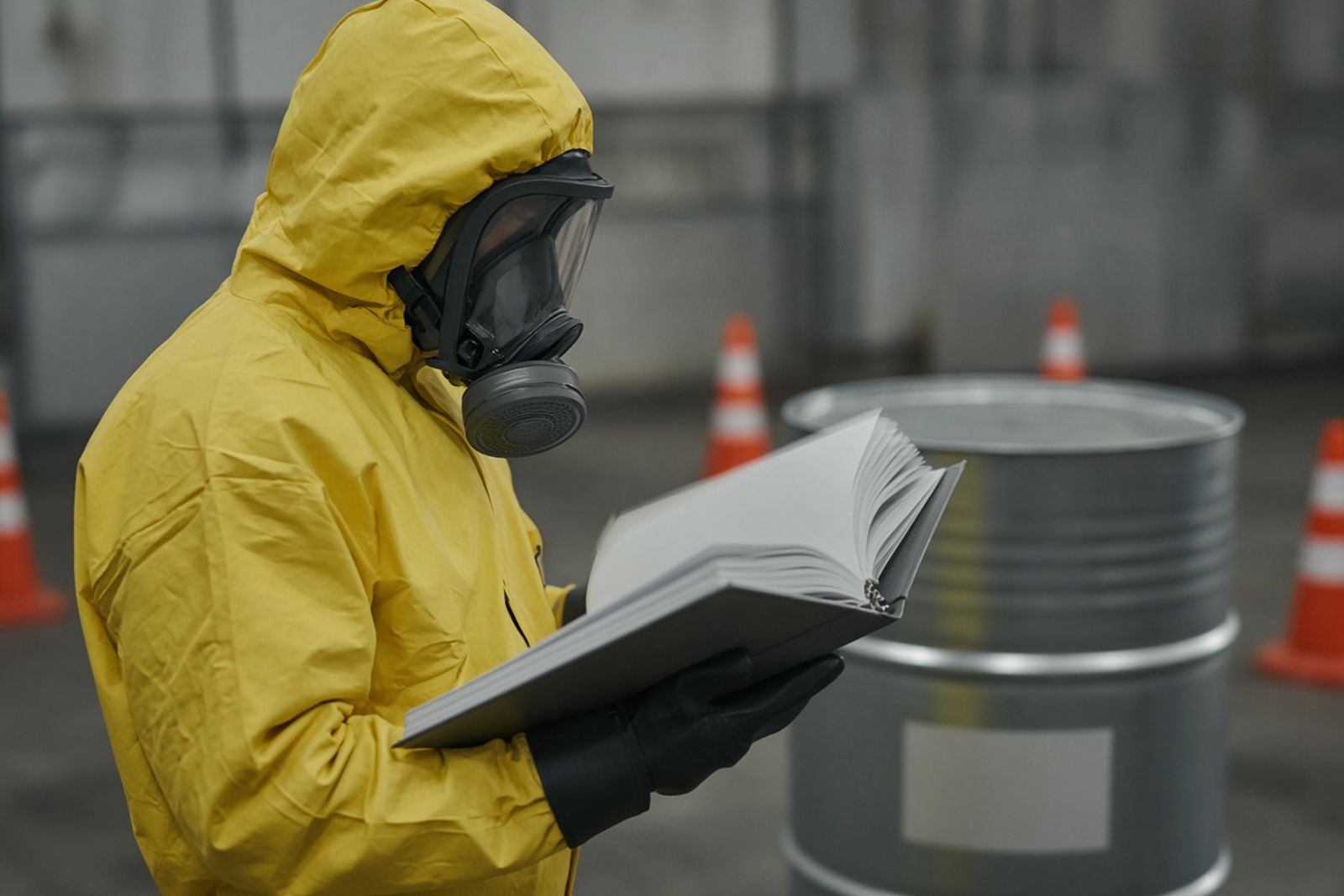
Technician in a yellow suit and respirator reading a safety data sheet binder beside a drum
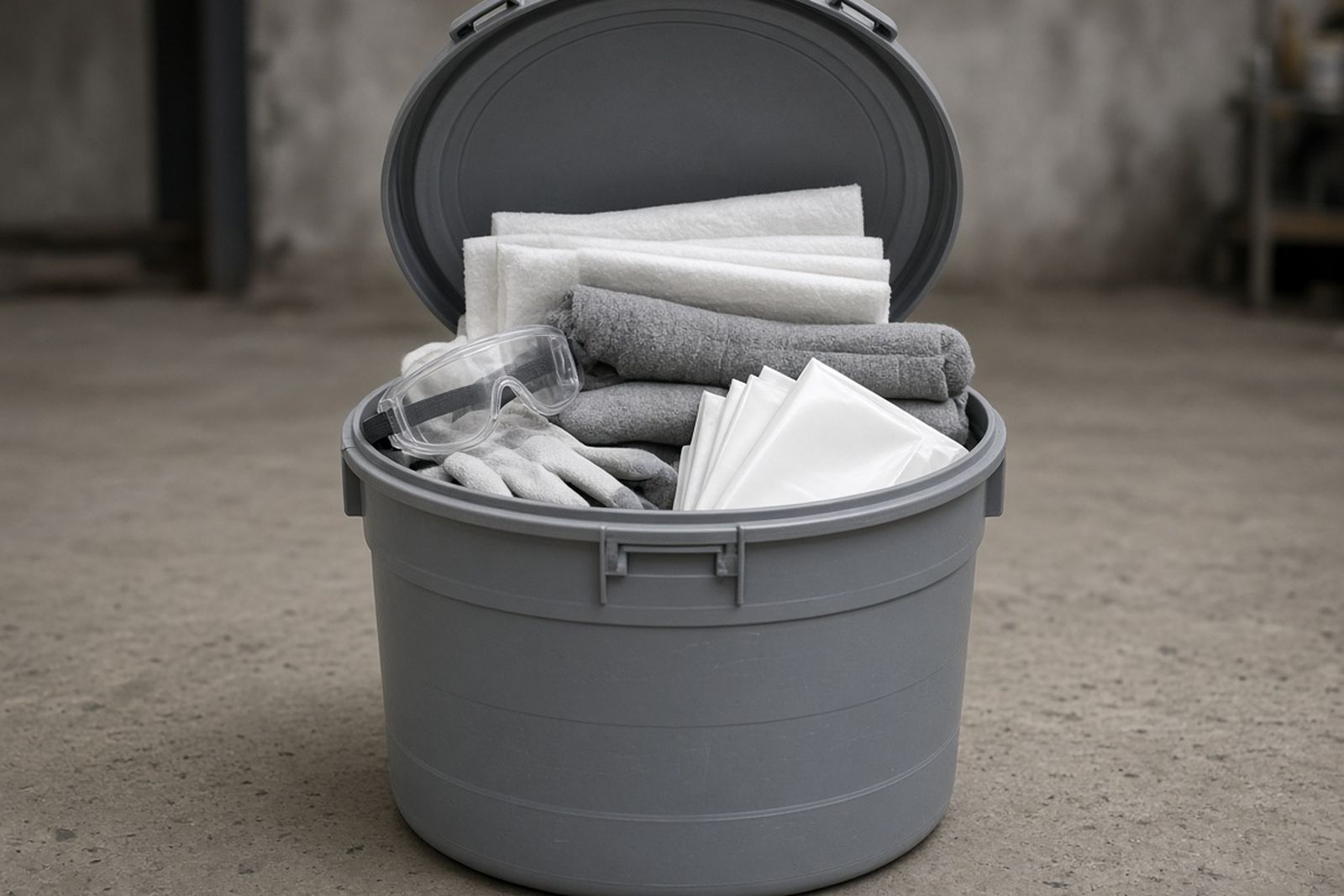
Open spill kit drum holding absorbent pads, goggles, gloves and disposal bags

Facts worth knowing

  • After a January 2014 West Virginia spill, surveys and medical reports described health problems linked to flushing home plumbing.

    Why it matters: If you feel unwell while flushing contaminated pipes, stop, get fresh air, and call your doctor or poison control.

    Source: Whelton et al., 2015

  • Insured flood victims in a study published in 2022 said slow insurance inspections held up their cleanup.

    Why it matters: Ask your insurer how soon an adjuster can come, and whether you may start urgent cleanup after taking photos.

    Source: McKenzie et al., 2022

  • Emergency responders at the first-responder operations level need at least 8 hours of training, and hazardous materials technicians need at least 24 hours.

    Why it matters: Check that your staff only take spill actions their training level covers; hours alone do not prove competence.

    Source: OSHA, 2024

Tools that help right now

What would you do?

Poll results

Vote to see how other people answered. You can change your answer at any time.

Safety

How prepared is your site for a chemical or fuel spill right now?

Be the first to vote
Your experience

In your most recent spill, what was the first action taken?

Be the first to vote

Need help in Miami?

Send a short message about the property to the follow-up inbox. A coordinator can reply by email with next steps.

Your request is sent to the follow-up inbox. A coordinator can reply by email.

If anyone is hurt or in danger, call 911 first.