West · US

Hazmat Spill Response in Los Altos, CA

Planning hazmat spill response in Los Altos, CA

Hazmat spill response for Los Altos homes, HOAs, and remodel sites: isolate the area, call emergency services, and treat unlabeled containers as unknowns. This is planning guidance, not a claim of a local office or crew in Los Altos.

Get an email reply about hazmat spill response

Send a short message to the follow-up inbox. A coordinator can reply by email. This form does not send emergency help; call 911 first if anyone is in danger.

Tell us what you need help with. Share a short description; please leave out medical details, access codes, and other sensitive information.

A request does not confirm a booking. For immediate danger, contact local emergency services.

Or email info@prompartybuses.com

Direct answer

The short answer for Los Altos, CA

Los Altos is a Bay Area city of costly homes, HOAs, and managed properties. When fuel, solvent, pesticide, or an unknown product spills there, the area must be closed off first. Trained crews then work out what it is, using the Safety Data Sheet (SDS) when they can. Storm drains must be guarded with care. This guide covers safety, drain and fire risks, work with fire and environmental officials, the waste shipping record, and checking the cleanup. It does not ask you to handle chemicals yourself.

Editorial guide · Biohazard Remediation NetworkUpdated 2026-07-22Location focus: Los Altos, CA

Local planning context

Los Altos has close to thirty-one thousand people on the San Francisco Peninsula. Spills here usually happen in home garages, backyard cottage (ADU) build sites, streets near schools, and managed properties, not heavy industry. Property managers and HOA boards may be the first to hear about a spill in a shared driveway or maintenance bay. Their job is to close off the area and call for help. It is not their job to name the chemical. Unknown products, mixed leftovers from contractors, and fuel poured near parked cars can give off fumes that may catch fire. Normal cleaning contracts do not cover that kind of risk.

Los Altos is fully built out, and its gutters tie into city drains. That makes hosing a spill away very harmful. Product in a gutter can leave the lot fast. Then the city may owe a report to environmental officials as well as the fire department. Safety still comes first. Leave or shelter in place. If fumes are spreading indoors, shut down the heating and cooling only if you are told to and it is safe. Keep untrained cleaning vendors out of the area around the spill. Labels and SDS papers help trained crews if you can reach them without exposure. Guessing by smell does not help.

Los Altos has both single-family streets and apartment or HOA buildings, so clear messages matter. Give plain instructions: leave, stay away from drains, and wait for responders. Do not make up a chemical name. Write down when the spill was found, which units or lots are affected, and anything that could block fire trucks. After the cleanup, the waste is tested and the used absorbents get a waste shipping record. Written targets for checking the work help insurers and boards. Owners of costly homes may want the spill gone overnight. The order of work still stays the same: learn what it is, hold it in place, dispose of it, and then clear the area.

Property considerations

HOA common areas and private streets need a clear person in charge of leave-now notices and contractor access. Nobody should argue about the chemical in the lobby.

Maintenance closets may hold cleaners and fuels that react badly together. Treat mixed shelves as unknown until the SDS papers are in hand.

Construction or remodel staging can leave unlabeled containers behind. Do not move drums just to get them out of sight.

On blocks near schools, fumes may lead to shelter or notice orders for people downwind. Follow what public responders say.

Shared heating and cooling in apartment buildings can carry fumes. Running fans before the hazard is known can make the danger zone bigger.

Property files should keep emergency spill work separate from routine cleaning purchase orders.

Response-planning framework

Isolate people and control air pathways

Block the doors to the garage or bay. Move tenants where fire crews say to go, and let no one back in. Do not try to air it out with shop fans when you do not know if the product burns or is toxic. Shutting down the heating and cooling may make sense if fumes are spreading. That call belongs to responders and the building's manager. Air freshener is not the answer. Safety and a closed-off perimeter come before any absorbent work.

Support identification without handling product

From a safe spot, hand over SDS binders, purchase records, or the contractor's chemical list. Do not open containers to read faded labels if that could expose you. When the product is not fully known, trained crews sort it out in the field. The method they choose waits on that answer. It could be a certain absorbent, a neutralizer, or simply holding the spill in place.

Protect drains and coordinate authorities

Block the paths to gutters and inlets early. Work with fire officials and California environmental agencies as needed for water or hazardous waste issues. Some spills may need a report to the National Response Center. Los Altos property managers should know who calls emergency services and who tells the environmental contacts. They should not plan who will handle the chemical.

Characterize waste and verify before reopening

Used materials are tested, packed for legal transport, and tracked with the waste shipping record. Set re-entry targets with air tests or samples when the hazard calls for it. Boards should not reopen a pool, gym, or clubroom just because it looks clean after solvent or fuel fumes. Put the test results in the property file with photos and agency numbers.

Documentation checklist

  1. 1Timeline of the spill, affected addresses or unit numbers, and steps taken to close off the area
  2. 2Photos from safe spots showing where the product is compared to drains and cars
  3. 3SDS or product papers gathered without opening unknown containers
  4. 4Records of calls to fire and environmental officials, with reference numbers
  5. 5Names of the property contacts who let crews onto the site
  6. 6Waste test results, the waste shipping record, and where the waste went
  7. 7Air test or sample results tied to re-entry decisions
  8. 8HOA or management notices sent to residents, sticking to facts

Official resources

Questions for this location

Should a Los Altos HOA send the janitorial vendor to clean up a chemical spill in a common garage?

No. A cleaning crew handles everyday dirt, not unknown or regulated chemicals. Sending untrained workers into fumes or air that could catch fire puts lives at risk and raises liability. It can also push the spill into drains. The right first steps are to close off the area, call for emergency help, and save any SDS or product papers you can reach safely. The fire department may run the scene until the hazards are sorted out. After the emergency, a spill contractor trained under OSHA's hazardous waste and emergency response rule does the rest. That means holding the spill, recovering it, cleaning surfaces, and packing waste. Los Altos HOA boards should update vendor rules. A work order about a chemical smell or a fuel sheen should go to emergency steps, not a mop crew. Written job scopes should forbid home-made neutralizing and hosing spills away.

How do ignition and vapor risks affect indoor spill decisions?

Fumes that can burn may creep along floors into electrical rooms, elevator pits, or garage light circuits. Turning on fans, plugging in tools, or making sparks during an unknown spill can set off a fire. Fumes also get more toxic when they build up in a closed room. Responders may set up zones around the spill and control airflow on purpose. Do not air out a garage with leaf blowers or shop fans when you are unsure about fuel or solvent. Put out open flames only if it is clearly safe and you are told to. In Los Altos apartment or HOA buildings, fumes moving into shared hallways may mean more people must leave. Treat a smell as a sign to close off the area and call for help. Do not cover it with air freshener.

What role does product identification play before absorbents are chosen?

No absorbent or neutralizer works on every product. An acid, an oxidizer, a solvent that burns, and a strong pesticide each need different controls. The SDS and trained field checks tell crews what is safe to use. The wrong choice can make heat, chlorine gas, or fire. Property contacts help by finding purchase records and SDS binders. They should not test with pH strips or household mixes. Until the product is known, the safer choice is to stop the spread without stirring things up. Los Altos remodel and landscape jobs often leave half-used containers behind. If labels are missing, treat those leftovers as unknowns. Naming a product is a job for trained people, not a home science project.

Which documents prove waste was handled lawfully after a Los Altos spill?

Keep the waste test sheets, drum or bag counts, waste codes or shipping names, and the hauler's license details. Keep the waste shipping record signed all the way to an approved facility. Take photos of the packed waste before pickup. Keep the SDS copies used for testing. City household hazardous waste programs may take some small home leftovers. Even so, note what left as part of the emergency and what residents dropped off later. Do not blur the two. Boards and managers should file these papers with insurance notices. Federal hazardous waste and transport rules apply when regulated materials travel on public roads. A missing waste shipping record causes rule and claim problems long after the floors look clean.

How should property managers communicate with residents during a spill?

Share only facts you know: a spill happened, some areas are closed, and emergency crews are in charge. Do not name a chemical until qualified people confirm it. Skip graphic details, and do not promise a reopen time before test targets exist. Give residents one contact for access questions. Remind them not to enter closed areas or move containers. In Los Altos HOA buildings, factual notices keep rumors from drawing people back in too soon. After the checks are done, point to the written test targets when you say an area is open. Do not say "it smells fine." Keep copies of all notices for insurers and regulators. Make sure emails, door signs, and board updates all say the same thing, so no one walks back into the spill area too early.

An ADU build next door left paint thinner and adhesive cans leaking near my fence. What should I do?

Stay back from the cans. Keep children and pets away, especially if you smell solvent. Call emergency services if the leak is spreading, the fumes are strong, or you cannot tell what the product is. If it is a small drip from a clearly labeled can and it is not moving, call the general contractor and the owner right away. Ask them to have trained people handle it. Do not move the cans onto your side or rinse the residue toward the gutter. Photos taken from your own yard will help later.

Does being near schools change how a Los Altos spill is handled?

It can change the timing and the messages. Smells near a school pickup route or a campus fence may lead responders to clear a wider area. School staff may need to be told how to route families. Your part is to report the spill quickly, give the exact location, and not spread your own guesses about the chemical. Let fire officials and the school decide what parents hear. Write down when you called and who you spoke with.
Contact

Get help by email

Send a short message for an email reply about hazmat spill response planning questions for the San Francisco Bay Area area.

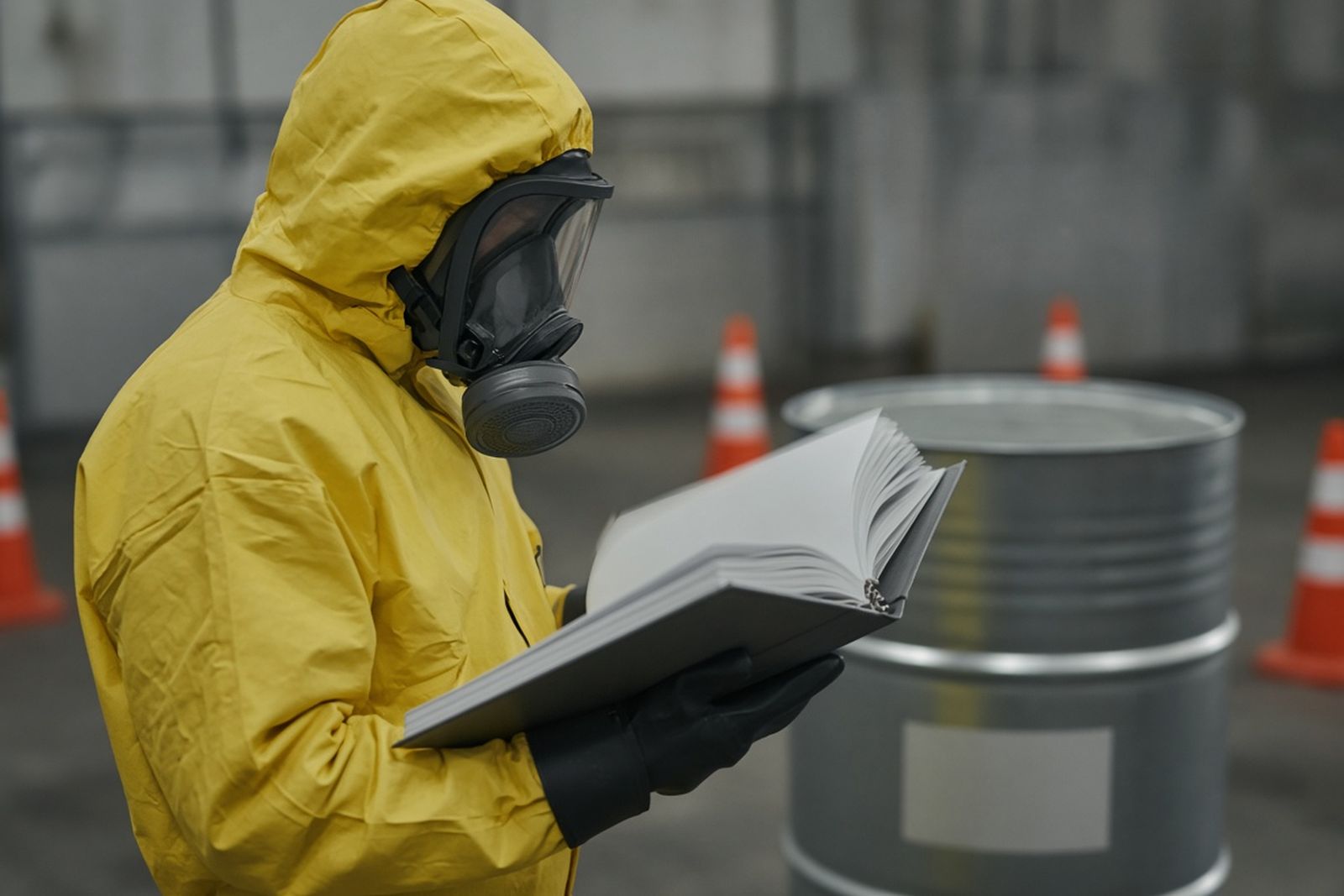
Technician in a yellow suit and respirator reading a safety data sheet binder beside a drum
Illustrative photo, not a job record. Technician in a yellow suit and respirator reading a safety data sheet binder beside a drum.
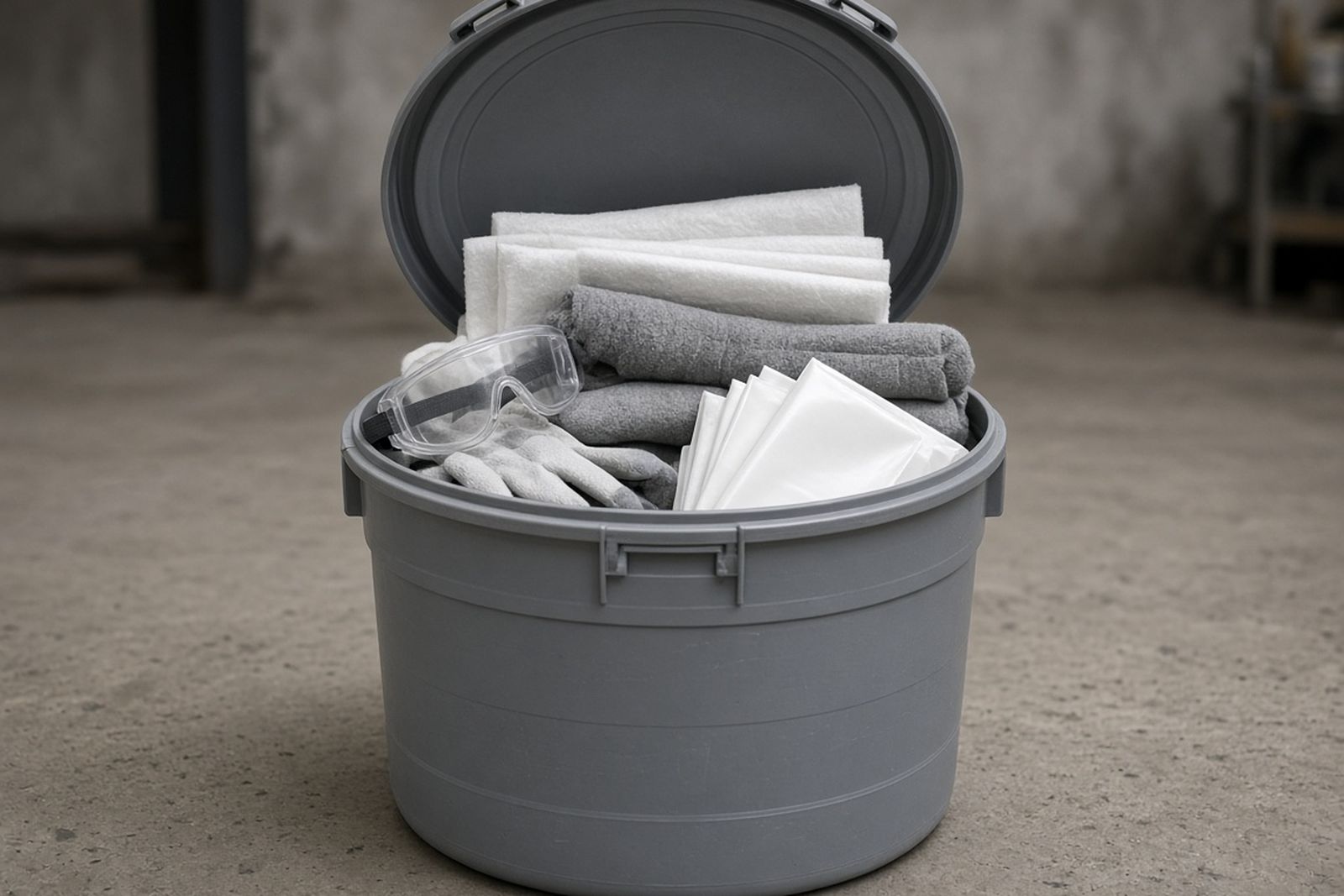
Open spill kit drum holding absorbent pads, goggles, gloves and disposal bags
Illustrative photo, not a job record. Open spill kit drum holding absorbent pads, goggles, gloves and disposal bags.

Hazmat Spill Response figures to keep in mind

National and research figures, not Los Altos data. Local conditions, rules and providers vary; use these for scale and context only.

2.43

Insurance disputes were associated with ongoing distress (aOR 2.43; 95% CI 1.5–3.9).

Read with care: Observational and self-selected; negative-comment denominator is comments, not all insured people.

Source: McKenzie et al. (2022)521 insured, inundated-household respondents from a 2,530-person survey six months after flooding.

54%

54% of respondents expressing a view considered environmental regulation insufficient.

Read with care: Self-reported behaviour; event-specific communications.

Source: Savoia et al. (2015)690 West Virginia adults surveyed online in February 2014, including affected and unaffected areas.

155%

Hazmat incidents involving big rigs rose 155 percent over ten years, and truck incidents outnumber train hazmat incidents 33 to 1, per PHMSA data.

Read with care: News analysis of PHMSA data; part of the rise reflects improved electronic reporting.

Source: PHMSA data (via CBS News) (2023)United States, PHMSA incident reports, roughly 2013-2023

These figures are public research and agency data, not this network's own job records. Keep each number with its population, year and limits; none of them predicts cost, timing or outcome at a specific property.

Plan before you reach out

Use the first 24 hours planner for immediate steps and the provider vetting checklist to confirm any Los Altos provider's training, insurance and waste path in writing.

What research has found

Findings from published studies of people and properties in situations like this one. They describe what researchers observed in a specific group; they are not predictions for your case.

Some respondents reported large premium increases after a claim.
Who was studied: 521 insured, inundated-household respondents from a 2,530-person survey six months after flooding.Limits: Observational and self-selected; negative-comment denominator is comments, not all insured people.Insurance Issues as Secondary Stressors Following Flooding in Rural Australia (2022)
All ten homes had detectable water odors before and after plumbing flushing.
Who was studied: Ten West Virginia homes tested two weeks after the January 2014 spill; linked surveys and bench experiments.Limits: One contaminant/event; not a general flushing protocol or current water standard.Residential tap water contamination following the Freedom Industries chemical spill (2015)

Hazmat Spill Response community polls

Poll results

Every count is a real visitor vote; nothing is seeded or padded. One vote per poll per device, and you can change your answer.

Safety

How prepared is your site for a chemical or fuel spill right now?

No visitor votes yet
Your experience

In your most recent spill, what was the first action taken?

No visitor votes yet

Planning cleanup in Los Altos?

Send a short message about the property to the follow-up inbox. A coordinator can reply by email with next steps.

Your request is sent to the follow-up inbox. A coordinator can reply by email.

If anyone is hurt or in danger, call 911 first.