West · US

Hazmat Spill Response in Los Angeles, CA

Planning hazmat spill response in Los Angeles, CA

Los Angeles channel-and-freight spill guide: isolate first, SDS not mid-shift chemistry, protect LA River pathways, CUPA notice, lawful waste files. This is planning guidance, not a claim of a local office or crew in Los Angeles.

Get an email reply about hazmat spill response

Send a short message to the follow-up inbox. A coordinator can reply by email. This form does not send emergency help; call 911 first if anyone is in danger.

Tell us what you need help with. Share a short description; please leave out medical details, access codes, and other sensitive information.

A request does not confirm a booking. For immediate danger, contact local emergency services.

Or email info@prompartybuses.com

Direct answer

The short answer for Los Angeles, CA

Los Angeles has freight transfers along the Alameda Corridor, soft-story apartment decks, concrete washes that flow to the LA River, and workplaces where many languages are spoken. All of them need a plan that puts lives first for fuels, solvents, acids, and unknowns. This guide covers notices in the languages people read, and the risk of alley runoff reaching a channel. You will also read how LAFD and the LA County Fire hazardous materials program (CUPA) fit in. Crews use the Safety Data Sheet (SDS), not chemistry made up mid-shift. It also covers the waste shipping record under federal hazardous waste law (RCRA), federal hazmat shipping rules, and written targets for reopening tower basements. It does not invent a list of crews across the city or promise a response time.

Editorial guide · Biohazard Remediation NetworkUpdated 2026-07-22Location focus: Los Angeles, CA

Local planning context

Freight docks, soft-story apartment decks, hillside basin streets, and mixed-use towers stage things differently. But they share one backbone. People come first. Then keep others out, call for help, name the product, hold it, dispose of it legally, and prove it is safe to reopen. Workplaces with many languages need plain notices that do not make up a chemical name. Never ask untrained workers or vendors to handle the chemical while trucks sit idling. Film and nightlife areas bring crowds at odd hours. That makes early rope lines more important. It does not make home cleanup a good idea.

Concrete washes that lead to the LA River and the regional storm system can carry product a long way after a curb rinse. Hillside streets speed up runoff, and industrial sumps can feed alley grates. With vapor in the air or a mystery liquid on the ground, protect people before anything else. SDS sheets, shipping papers, and receiving logs help responders if you can get them without exposure. If a wash is carrying product toward the LA River, a federal report may be needed as well. California DTSC and the LA County Fire CUPA set hazardous waste rules across much of the county.

Claim and rule problems often show up after the slab looks clean. Record when the spill was found, maps of closed units or bays, spark-control steps, boom placement, and recovered amounts. Add waste test results, the waste shipping record, and air test targets. A full shipping schedule does not make the hazard smaller. This guide rejects made-up lists of crews across the city and promises of arrival in minutes.
Property considerations

Freight docks along the corridor need barrier supplies where burnable goods or acids are received.

Soft-story apartment decks need vendor rules that send chemical sheens up the chain, away from mop crews.

Hillside driveways speed up runoff. Do not rinse product downhill toward the concrete washes.

Where industry meets homes, one pad drip can mean notices to several properties.

Forklift charger rooms and machine coolant cages hold acids and oils that normal cleaning supplies cannot handle.

Purchasing should file spill jobs in their own folder, never mixed with everyday repair tickets.

Dumpsters staged in alleys can block fire trucks. Find a second way into the alley before absorbent loads arrive.

Response-planning framework

Multilingual keep-out bulletins from docks to towers

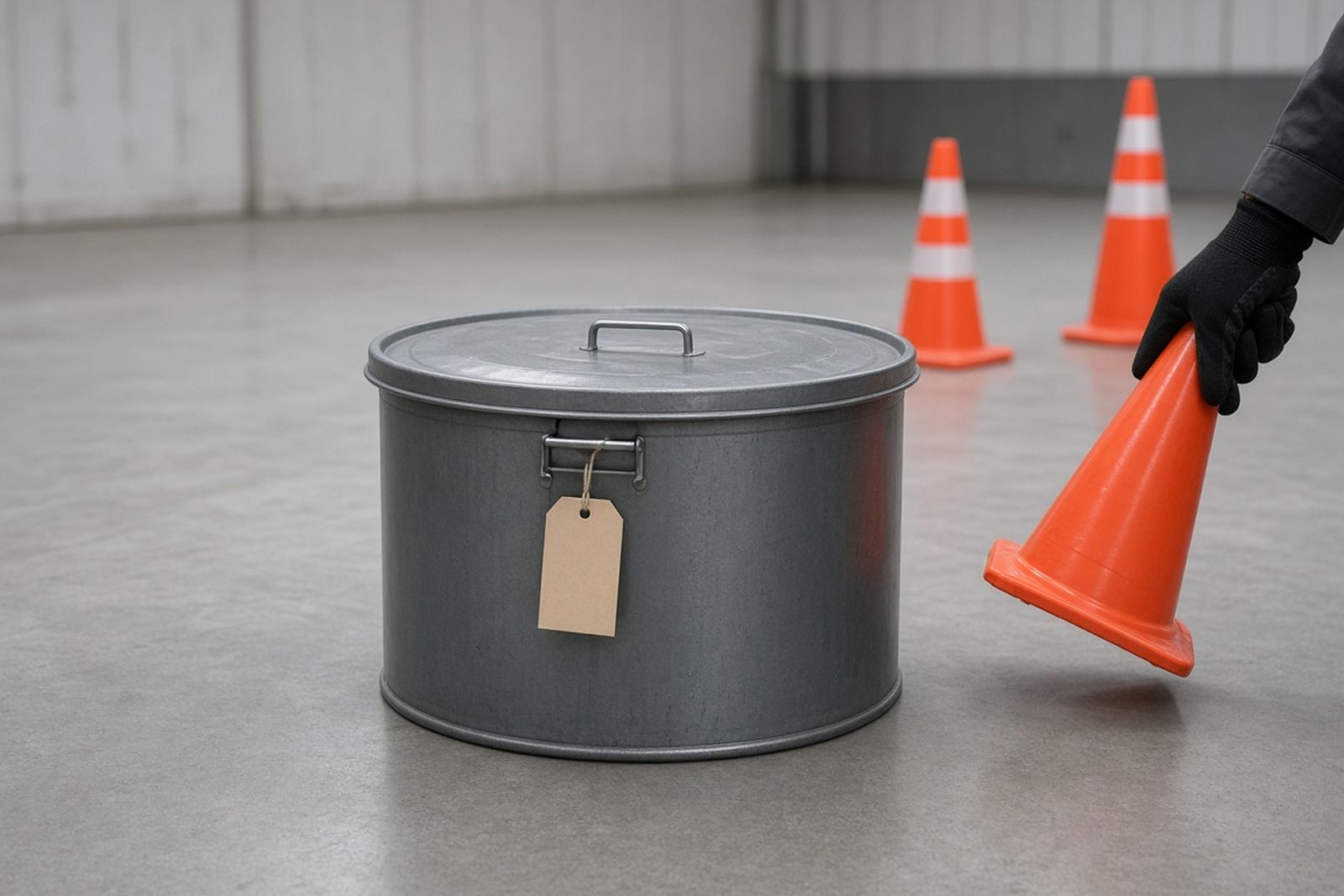
When a trailer is still leaking, fumes are heavy, or the product is a mystery, pull drivers and dock workers back and call 911. Keep untrained staff and vendors out. Post plain notices in several languages when needed, without making up a chemical name. Leave idling rigs, grinders, and forklift chargers alone until firefighters decide what to shut down.

Shipping papers and SDS—stop mid-shift mixing

Hand over SDS sheets, bills of lading, or contractor product lists from a safe place. Do not open unknown totes to check what is inside. On an Alameda Corridor apron, the hazmat team reads the hazard first and picks pads or a neutralizer second. On a crowded freight apron, the wrong neutralizer can set off heat, toxic gas, or fire next to trucks and workers. The product must be known before the method is picked.

Alley grates and LA River channel protection

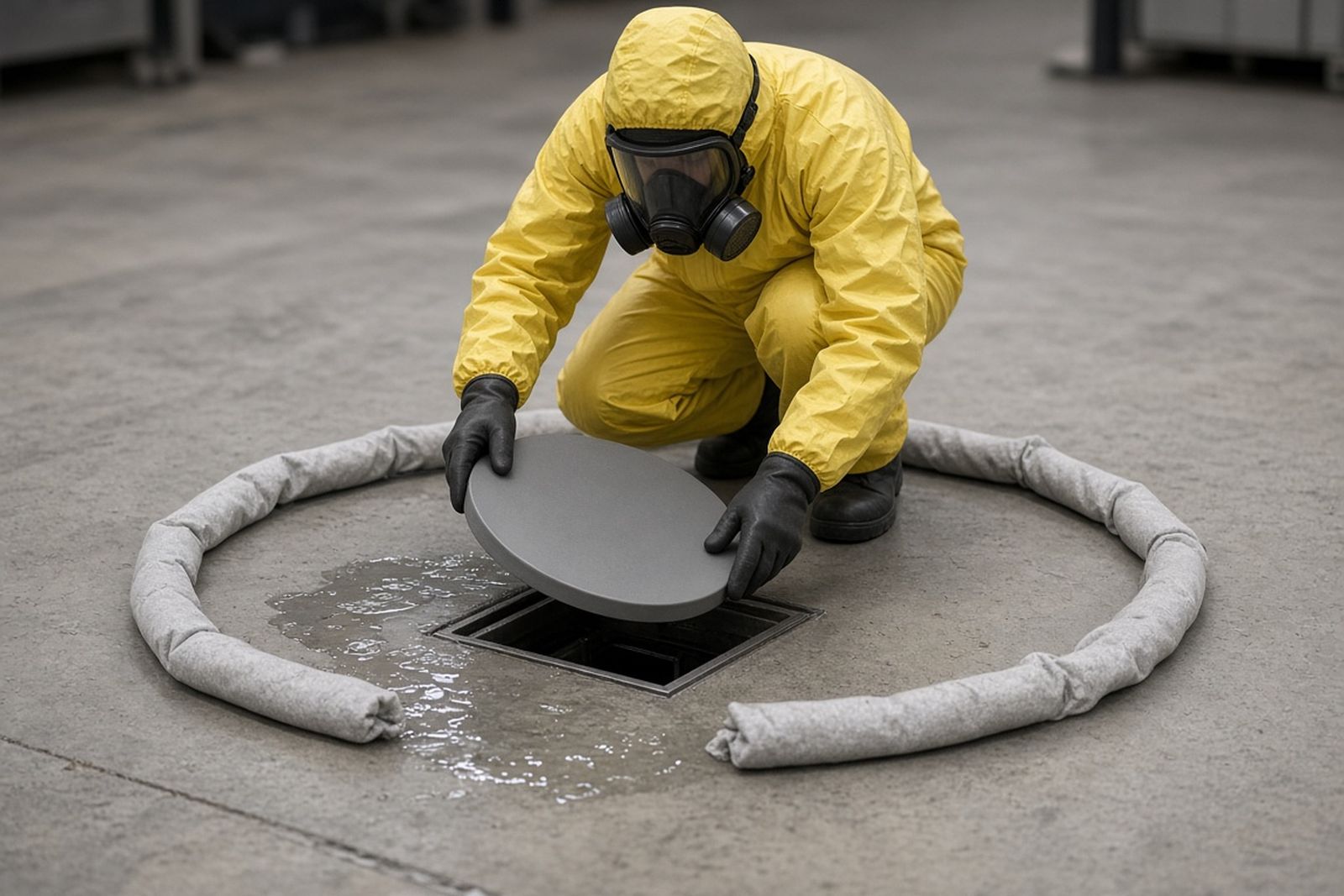
Block the paths to alley grates and concrete washes early. If the product reaches a storm drain or bare soil, LAFD and the county hazardous materials program take the lead on notices. Oil or chemicals headed down a wash toward the river can also mean a National Response Center (NRC) call. Record where barriers went compared to the wash inlets, and how much product came back.

Regulated hauls and tower-basement reopen proof

Packing must suit legal transport, since federal hazmat shipping rules can apply once loads hit Los Angeles freeways. Keep the waste shipping record and the receiving site's name in the building or yard file. Agree on the air numbers before tenants return to a soft-story deck or workers to a dock. Looking clean is not clearance.

Documentation checklist

  1. 1When the spill was found, a map of bays or units, and keep-out steps
  2. 2Photos from a safe distance of alley grates, hillside runoff, and concrete washes
  3. 3Any bill of lading, SDS, or contractor list the fire crew received, with a note that no drum was opened
  4. 4LAFD and county fire hazardous materials case numbers
  5. 5Where barriers went compared to the wash inlet, and what was recovered
  6. 6Waste test results, the waste shipping record, hauler licenses, and receiving sites for each Los Angeles load
  7. 7Air or wipe results used as proof to reopen a tower basement
  8. 8Copies of plain, multilingual notices to workers or residents

Official resources

Questions for this location

Trucks are stacking on an Alameda-corridor dock while a supervisor mixes cleaner into an unknown drip. Intervene how?

Stop the mixing right away. Unknown products can react violently. They can make heat, toxic gas, or fire, and push the spill toward alley grates that feed the concrete washes. Pull the crew off the dock and call 911. If the dock office has the SDS or bill of lading, bring it out, but only by a route that stays clear of the drip. Idle trucks do not justify home-made hazmat work. Note which supervisor stopped the cleanup and when 911 was called, in whatever language the crew uses.

A soft-story deck has a fuel sheen and tenants speaking several languages. How should managers message?

Do not send mop vendors into the sheen. Tape off the parking deck and call 911. Keep tenants upstairs, and grab a product sheet only if it is in the office. Send plain notices in the languages tenants actually read. Say which areas are closed, that responders are in charge, and not to enter. Do not make up a chemical name or promise a reopen time before air test targets exist. After fire officials release the scene, crews trained under OSHA's hazardous waste rule take over recovery and packing. Los Angeles HOA boards should rewrite vendor work orders. A chemical smell on a soft-story deck should go straight to emergency steps.

What file proves waste left a freight yard lawfully?

The yard office should hold the lab profile, a count of drums, and a waste shipping record for each truck that left the gate. Photograph the packed waste before pickup. Keep the SDS pages used for testing. When recovered material leaves an Alameda Corridor yard on public roads, federal shipping and hazardous waste rules may apply. For freight and apartment operators, a missing shipping record stays a rule and claim problem long after the dock or deck looks clean. If soil cleanup grows beyond the emergency, keep that work separate.

Hillside basin runoff versus flat freight yards—same spine?

Yes, on the basics: safety first, SDS support, no home-made neutralizing, drain protection, legal waste, and proof before reopening. What differs is how fast the spill moves and where crews can stage. Hillside runoff can reach the concrete washes faster. Freight docks may have sumps and shared storm lines. Both still need barriers once safe methods are set. Both may bring reporting duties when product leaves the pad. Record the path that actually mattered. The lay of the land changes the logistics. It does not lift the ban on untrained chemistry.

When may a tower basement reopen after fumes?

Once written air or surface targets for that product are met and on paper. No visible liquid is not enough. Elevator pits, electrical rooms, and air duct paths need to be checked, not covered with fragrance. Log who approved turning the ventilation back on in the apartment building or warehouse, and the readings behind it. If smells or symptoms continue, the keep-out zones stay. Clip the air results to the waste shipping records.

What should Los Angeles apartment tenants do if a car leaks fuel in a tuck-under garage?

Leave the garage and keep others out. Do not start cars, use switches, or smoke nearby. If fuel is pooling, the smell is strong, or it is reaching units above, call emergency services. Then tell the building manager. Tenants should not try to clean it up with kitty litter or rags. Keep windows closed if fumes are rising into your unit. Wait for the manager or responders to say it is safe.

How do Santa Ana wind days change spill risks in Los Angeles?

Hot, dry, windy days raise the fire risk around fuel and solvent spills. Wind can also carry fumes toward neighbors quickly. If a spill happens in these conditions, move people upwind and keep sparks and flames away. Call emergency services early. Do not run gas-powered equipment nearby. Before fire weather, check fuel storage for leaks and keep it away from dry brush and hot surfaces.

Contact

Get help by email

Send a short message for an email reply about hazmat spill response planning questions for the Los Angeles area.

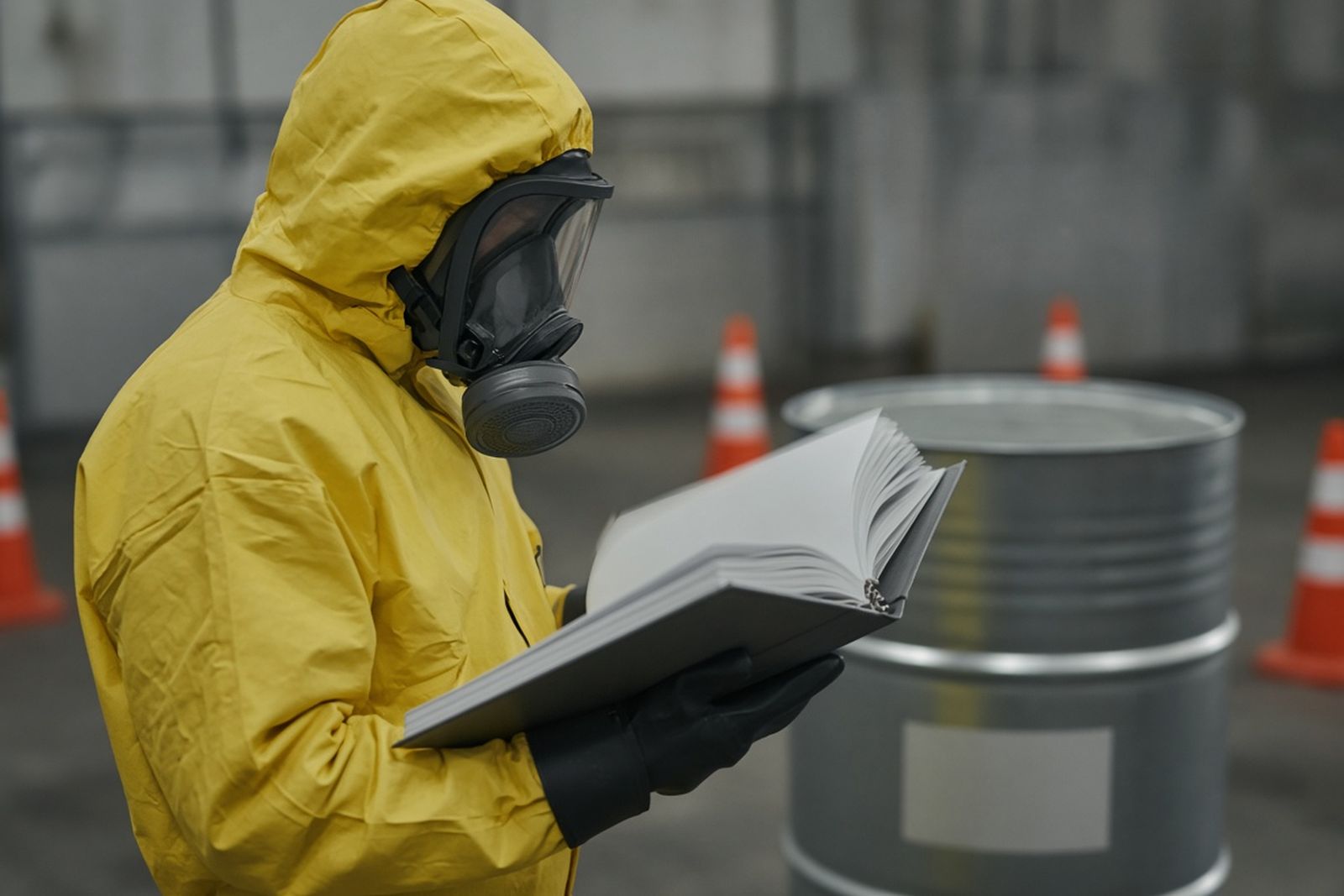
Technician in a yellow suit and respirator reading a safety data sheet binder beside a drum
Illustrative photo, not a job record. Technician in a yellow suit and respirator reading a safety data sheet binder beside a drum.
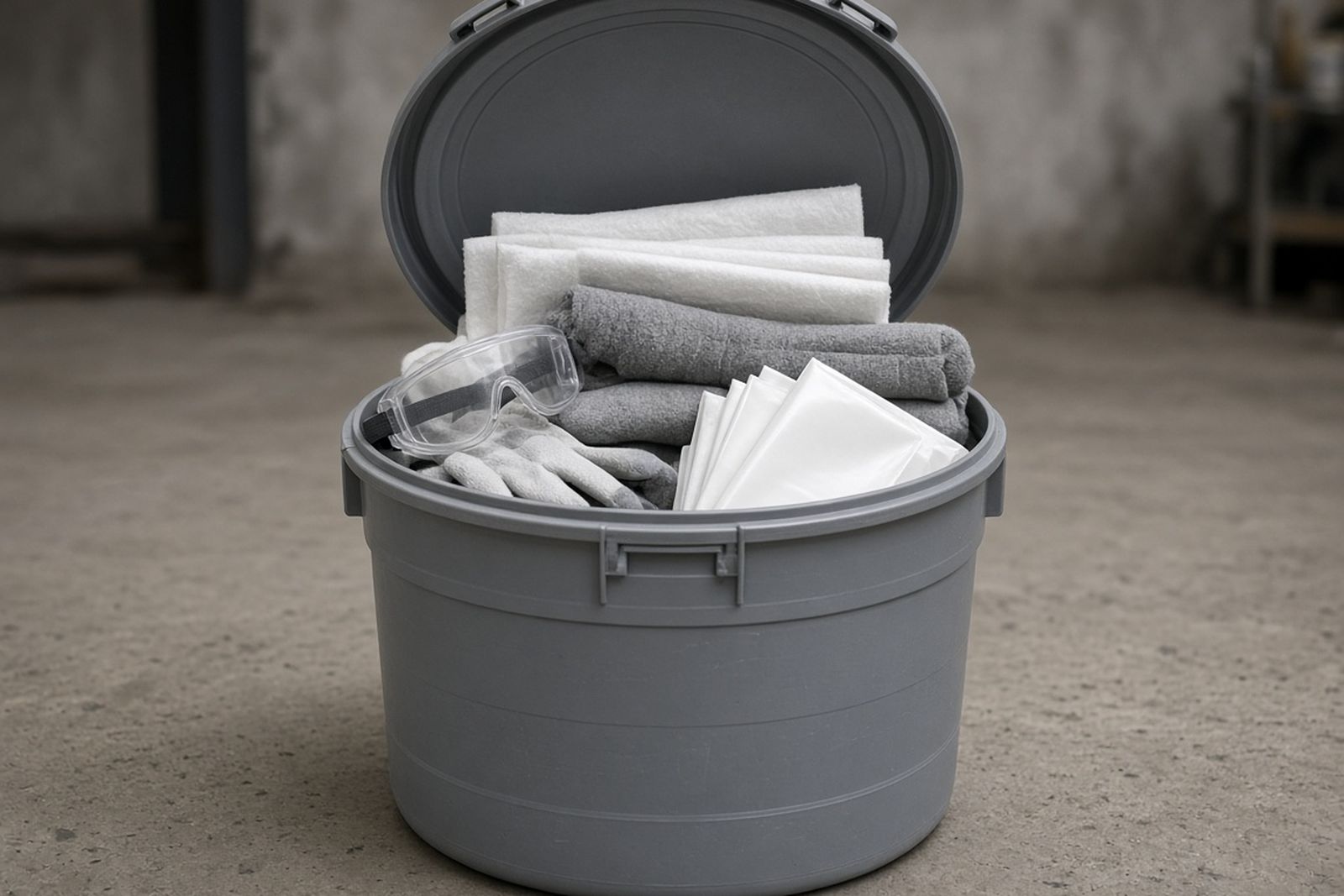
Open spill kit drum holding absorbent pads, goggles, gloves and disposal bags
Illustrative photo, not a job record. Open spill kit drum holding absorbent pads, goggles, gloves and disposal bags.

Hazmat Spill Response figures to keep in mind

National and research figures, not Los Angeles data. Local conditions, rules and providers vary; use these for scale and context only.

89%

89% in affected counties heard of the spill on the day it occurred.

Read with care: Self-reported behaviour; event-specific communications.

Source: Savoia et al. (2015)690 West Virginia adults surveyed online in February 2014, including affected and unaffected areas.

36.5%

36.5% overall sought medical care for odor-related symptoms.

Read with care: Reported symptoms and odor; not measured individual exposure doses.

Source: Behbod et al. (2014)204 household representatives surveyed in two distance zones, September 2012.

1,500 per year

About 1,500 transportation incidents involving undeclared hazardous materials occur each year, totaling 11,430 over the decade to 2023.

Read with care: Training-company summary of a PHMSA infographic; aerosols, lithium batteries and paint dominate.

Source: PHMSA data (via Lion Technology) (2023)United States, PHMSA incident reports, 2013-2023

These figures are public research and agency data, not this network's own job records. Keep each number with its population, year and limits; none of them predicts cost, timing or outcome at a specific property.

Plan before you reach out

Use the first 24 hours planner for immediate steps and the provider vetting checklist to confirm any Los Angeles provider's training, insurance and waste path in writing.

What research has found

Findings from published studies of people and properties in situations like this one. They describe what researchers observed in a specific group; they are not predictions for your case.

People were more willing to shelter in place when imagining themselves already at home.
Who was studied: 601 UK and 602 Polish respondents considering a hypothetical chemical spill.Limits: Intended behaviour, not actual emergency compliance.Communicating public health advice after a chemical spill: UK and Poland national surveys (2013)
Some respondents reported large premium increases after a claim.
Who was studied: 521 insured, inundated-household respondents from a 2,530-person survey six months after flooding.Limits: Observational and self-selected; negative-comment denominator is comments, not all insured people.Insurance Issues as Secondary Stressors Following Flooding in Rural Australia (2022)

Hazmat Spill Response community polls

Poll results

Every count is a real visitor vote; nothing is seeded or padded. One vote per poll per device, and you can change your answer.

Safety

How prepared is your site for a chemical or fuel spill right now?

No visitor votes yet
Your experience

In your most recent spill, what was the first action taken?

No visitor votes yet

Planning cleanup in Los Angeles?

Send a short message about the property to the follow-up inbox. A coordinator can reply by email with next steps.

Your request is sent to the follow-up inbox. A coordinator can reply by email.

If anyone is hurt or in danger, call 911 first.