Hazmat Spill Cleanup Cost: What Drives the Price
The chemical, how far it spread, and the waste set the bill.
A chemical or fuel spill can grow fast. One puddle can turn into a problem that reaches drains, soil, and nearby buildings. The cost to respond depends on what spilled and how far it went. It also depends on what it takes to contain it, recover it, and dispose of it safely. Knowing these factors helps you read a quote with confidence.
Get an email reply about hazmat spill response
Send a short message to the follow-up inbox. A coordinator can reply by email. This form does not send emergency help; call 911 first if anyone is in danger.
What published figures say about cost
- 8 hours
Facilities must report qualifying accidental chemical releases to the Chemical Safety Board within 8 hours; PG&E paid a $45,273 penalty in 2025 for a late report.
Read with care: Law-firm summary; applies to releases causing death, serious injury or substantial damage.
Source: EPA/CSB (via Spencer Fane) (2025)United States, 40 CFR Part 1604; first enforcement settlement July 2025
- $512 million
Tractor-trailer hazmat accidents accounted for 64 percent of all hazmat transportation damages, almost $512 million, over ten years of PHMSA data.
Read with care: Damage figures are carrier-reported estimates on Form 5800.1.
Source: PHMSA data (via CBS News) (2023)United States, PHMSA incident reports, ten-year window ending 2023
- 2.34
Insurance disputes were associated with depression (aOR 2.34; 95% CI 1.4–3.9).
Read with care: Observational and self-selected; negative-comment denominator is comments, not all insured people.
Source: McKenzie et al. (2022)521 insured, inundated-household respondents from a 2,530-person survey six months after flooding.
- 4.31
Uninsured flooded respondents had higher adjusted odds of probable PTSD (aOR 4.31; 95% CI 1.31–14.20).
Read with care: Observational; some estimates imprecise; same wider cohort as S060. Depression estimate has a very wide confidence interval.
Source: Mulchandani et al. (2019)851 flood-affected/disrupted English respondents surveyed two years after 2013–2014 flooding.
- $540.23 million per year
EPA estimated monetized damages from RMP facility accidents at $540.23 million per year, including $454.58 million in on-site property damage.
Read with care: EPA notes many accident costs, such as responder costs, are not required to be reported.
Source: EPA (2024)United States RMP facilities, 2016-2020 baseline
- 8 / 24 hours
Emergency responders at the first-responder operations level require at least 8 hours of training, and hazardous materials technicians at least 24 hours.
Read with care: Competency, not just hours, is the regulatory test.
Source: OSHA (2024)United States, 1910.120(q)(6)
These figures are public research and agency data, not this network's own job records. Keep each number with its population, year and limits; none of them predicts cost, timing or outcome at a specific property.
What are you paying for in a hazmat spill response?
The first costs come from getting a crew out and sizing up the scene. A trained crew travels to the site and keeps people away from the area. They work out what the material is. They use safety data sheets, labels, warning signs on vehicles, or shipping papers. If the substance is unknown, they may need help naming it or may need to take samples before any cleanup starts. This careful start protects workers. It also prevents dangerous mistakes, like mixing chemicals that react with each other.
Next, the crew contains the spill and recovers the product. They may use floating barriers called booms, absorbent pads, or chemicals that neutralize the spill. They only do that when they know the chemistry and it is safe to mix. They protect storm drains, soil, and waterways from more spread. Recovered product, used absorbents, dirty soil, and used protective gear all become waste. That waste must be packed, lab-tested to identify it, and sent to a licensed site. Each of those supplies is billed as it is used. So larger spills use far more of them.
The last phase includes cleaning tools and equipment. It may include air or surface testing when the rules for reopening call for it. It also includes records for the site owner, agencies, and insurers. Some jobs also need damaged flooring, soil, or building materials removed and replaced. Testing equipment, lab work, and time spent writing reports are often billed as separate items. The same company may handle repairs, or it may pass them to a general contractor. Confirm who owns that part of the job before the emergency phase ends.
- Getting a crew on site, keeping people away, and naming the material
- Containment with booms, absorbents, or other safe methods
- Recovering the product and cleaning up
- Waste testing, packing, hauling, and disposal
- Cleaning equipment and air or surface testing
- Records and any repair work
Which factors have the biggest effect on cost?
What the material is matters most. Fuels, acids, caustics, solvents, and reactive chemicals each need different protective gear, containment, and disposal. An unknown substance usually costs more. Crews must go slowly and play it safe until they know what it is. Materials that can catch fire, are toxic, or react with other things may need more testing and a larger crew. Having safety data sheets ready shortens this stage.
Spread and location matter just as much. A small spill on sealed concrete inside a warehouse is very different from one that reached a storm drain, a creek, or bare soil. Road incidents add traffic control and work with emergency responders. Night or weekend calls, remote sites, and limited access can all raise labor and equipment costs. Weather can grow the job fast, like rain washing product toward drains.
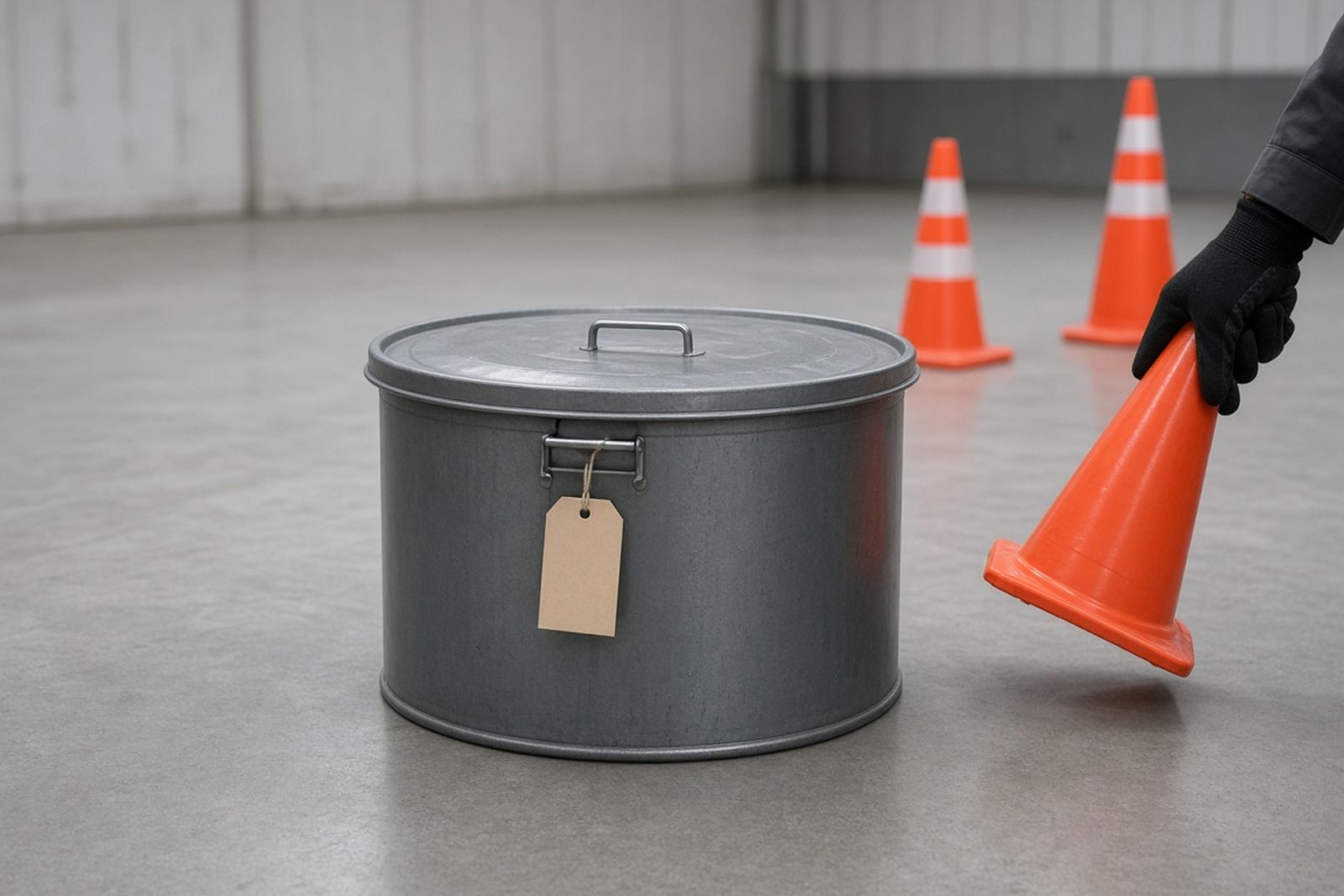
Why do transportation spills often cost so much?
Road and rail spills combine several costly factors at once. They often involve large amounts, public roads, and nearby drains. Crews must also work with police, fire, and highway agencies. Federal incident data shows how big these events can be. CBS News reported PHMSA data in 2023. Over ten years of that data, tractor-trailer hazmat accidents caused 64 percent of all hazmat transport damages. That was almost $512 million.
For a trucking company or shipper, costs can include cleanup, lost product, vehicle damage, and road repair. Nearby property owners may also make claims. That is one reason fleet operators and shippers pay close attention to spill response contracts and insurance before anything happens. A clear plan can speed up the response and shrink the cleanup. Practicing that plan with drivers and dispatchers adds even more value.
How should you read an itemized spill response invoice?
Spill bills are often based on time and materials. That means you pay for the hours, equipment, and supplies used. Expect line items for workers by role and equipment by the hour or day. Expect lines for absorbents and other supplies, protective gear, vehicles, and waste hauling and disposal. Ask for daily field logs. They should show crew size, hours worked, and materials used. Then you can check that the bill matches the work done on site.
Compare rate sheets before an emergency if you can. Look at minimum call-out charges, overtime rules, and mileage or travel fees. Look at markups on work done by other companies, like lab testing or waste disposal. If two contractors quote very differently, ask how each plans to handle waste testing, air checks, and repairs. Those phases often explain the gap. Get rate sheets in writing and keep them on file.
What hidden costs can follow a spill?
Waste disposal often surprises people. Lab testing may show that the recovered material must go to a special site, which can cost more. Dirty soil may need to be dug up and replaced. Porous building materials may need to be removed. If the spill reached groundwater or a waterway, the agency in charge may require longer testing or cleanup. Those later steps can go on long after the first response.
Lost business time is another big cost. A site may need to stay closed until air or surface tests show it is safe to reopen. Reports to regulators, legal advice, and possible claims from neighbors can add costs too. Ask your contractor to separate emergency response from longer-term cleanup in its estimates. Then you can see which costs are now and which may keep going.
Who usually pays for hazmat spill cleanup?
The party responsible for the material is often expected to pay for cleanup. That may be the site owner, the shipper, or the trucking company. Employers pay for spill response at work. Property owners may pay when a spill happens on their land, even if a tenant caused it, depending on the lease. Pollution liability, business property, or business auto policies may help, depending on their terms.
Someone else may cause the spill, like a delivery truck leaking fuel onto your lot. Then you may be able to get money back from that party or its insurer. Public agencies sometimes pay for the emergency response first. They may later seek repayment from the responsible party. Rules vary by state and county. Check with the local authority and your environmental agency.
What does a realistic spill scenario look like?
Imagine a small factory where a forklift punctures a drum of solvent. It leaks toward a floor drain. Staff leave the area, keep others out, and call the plant's spill contractor. The crew arrives and checks the safety data sheet. They block the drain and use absorbents that are safe with the solvent to recover the liquid. They pack the waste, clean their tools, and test the air before the area reopens.
The contractor sends a bill with daily logs, waste test results, the waste shipping records, and air test results. The plant manager shares these with the company's broker. They want to see whether the pollution policy may pay. The drain was blocked quickly, so the spill did not reach the sewer. The total cost stayed far lower than if the solvent had spread off site.
Estimate your range
Hazmat Spill Response cost range estimator
Educational only. Real pricing needs an on-site assessment and a written scope. Insurance coverage is decided by your carrier, not by this tool.
Educational range: $3,000 – $5,000
Scaled from a published reference range (typical biohazard cleanup project, national) reported by Fixr (2025). Your region, provider and the actual findings on site can move the real number outside this range.
Cost level: Mid range.
None of the big cost multipliers are selected. Minimum service charges, travel and waste fees still apply.
Ask every quote to itemize labor, containment, product, waste disposal, verification sampling, and any rebuild, and to state what is excluded.
Open the full tool page for a worked example and more answers.
Costs questions about hazmat spill response
Can my staff clean up a chemical spill to save money?
Only if they are trained, equipped, and allowed to handle that exact material under your spill plan. Untrained cleanup can hurt workers, spread the spill, or mix chemicals that react. For unknown substances, large spills, or spills near drains, clear the area and keep people away. Then call a qualified response contractor. Any savings from doing it yourself can vanish fast if something goes wrong.
Why is waste disposal such a large part of the bill?
Recovered product, absorbents, soil, and protective gear all become waste. That waste may need lab testing and disposal at a licensed site. Some materials need special treatment, which costs more. The amount of waste grows fast when a spill spreads into soil or porous materials. Containing a spill early and keeping it on hard, sealed surfaces can greatly cut disposal costs.
Should I set up a spill response contract before an emergency?
Many sites and fleet operators do. A contract set up ahead of time lets you review rates, minimums, and what the crew can do while things are calm, not during a crisis. It can also make it easier for your insurer to review bills, since terms were agreed in advance. Ask possible contractors about training, equipment, service area, and how they record their work.
What does time-and-materials billing mean for a spill?
Time-and-materials billing charges for the real labor hours, equipment time, and supplies used. It is not a fixed price. It is common for spills because the full job is often unknown at first. Ask for daily logs that show crew members, hours, and materials so you can check the charges. Also ask how waste disposal and work by other companies are marked up on the bill.
Why does an unknown substance cost more to clean up?
When the material is unknown, crews must wear more protection and move carefully until they know what it is. They may need samples or outside help before they choose a cleanup method. Guessing can be dangerous. The wrong absorbent or neutralizer could cause a reaction. Giving them safety data sheets, labels, or shipping papers early can speed things up and lower costs.
Who pays if a delivery truck spills fuel on my property?
The trucking company or its insurer may be responsible for cleanup and damage caused by its vehicle. Record the incident with photos, the truck and company details, and any police or fire reports. Tell your own insurer too, since it may help get your money back. Keep all bills and records so you can seek repayment from the responsible party if needed.
Does cleanup end when the visible spill is gone?
Not always. It depends on the material and where it went. Air or surface testing may be needed before people return. Dirty soil or building materials may need to be removed. If the spill reached groundwater or a waterway, an agency may require more study. Ask your contractor what test results will be used to decide the area is ready for normal use again.
What other visitors said
Every count is a real visitor vote; nothing is seeded or padded. One vote per poll per device, and you can change your answer.
How prepared is your site for a chemical or fuel spill right now?
In your most recent spill, what was the first action taken?
More on hazmat spill response
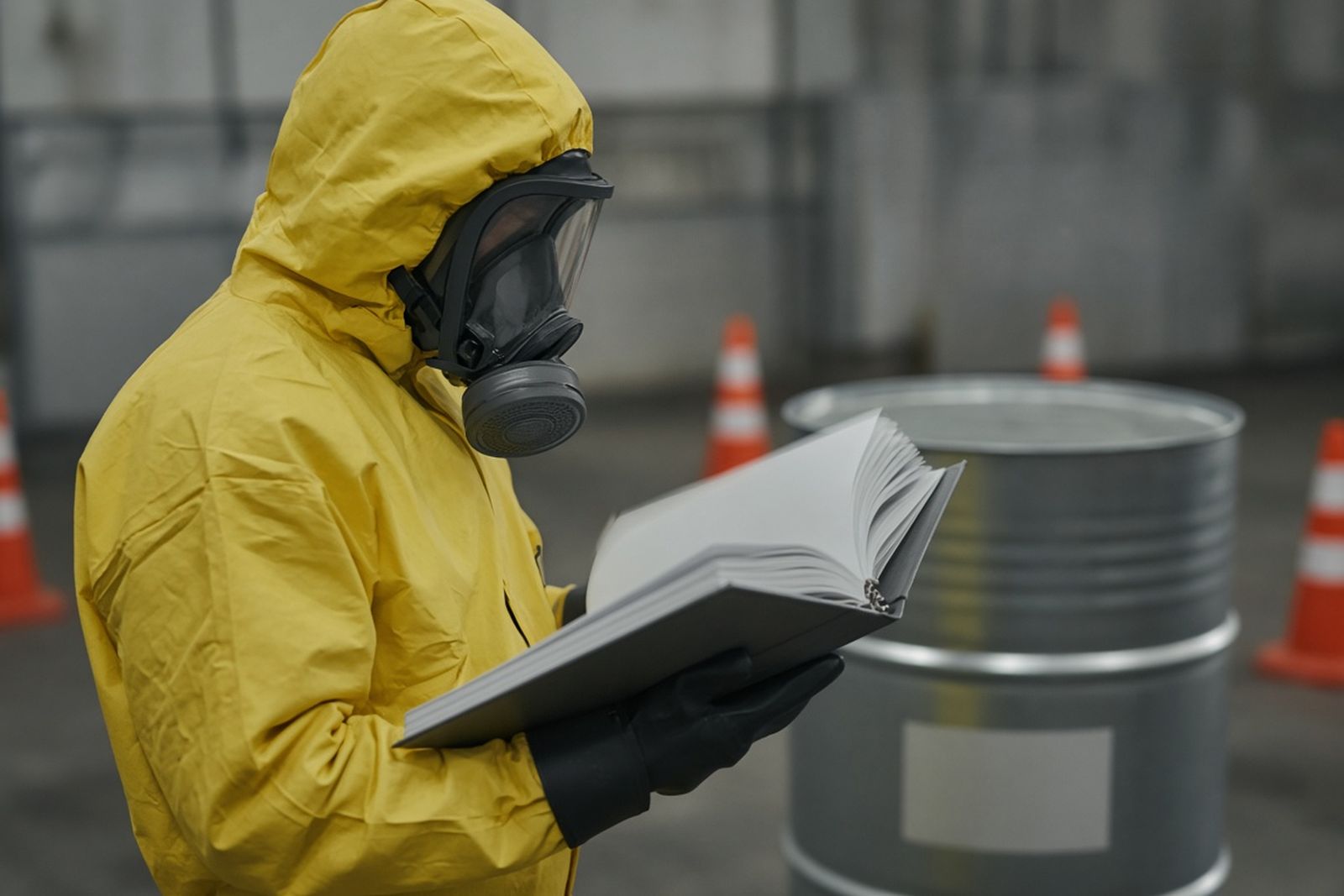
Hazmat Spill Response services
Learn how spill response works for chemicals, fuel, oil, and unknown products. It runs from closing off the area and reading the SDS to waste disposal and reopening.
Insurance and payment
Which policies may respond, how to document a claim, and what to do if coverage is denied.
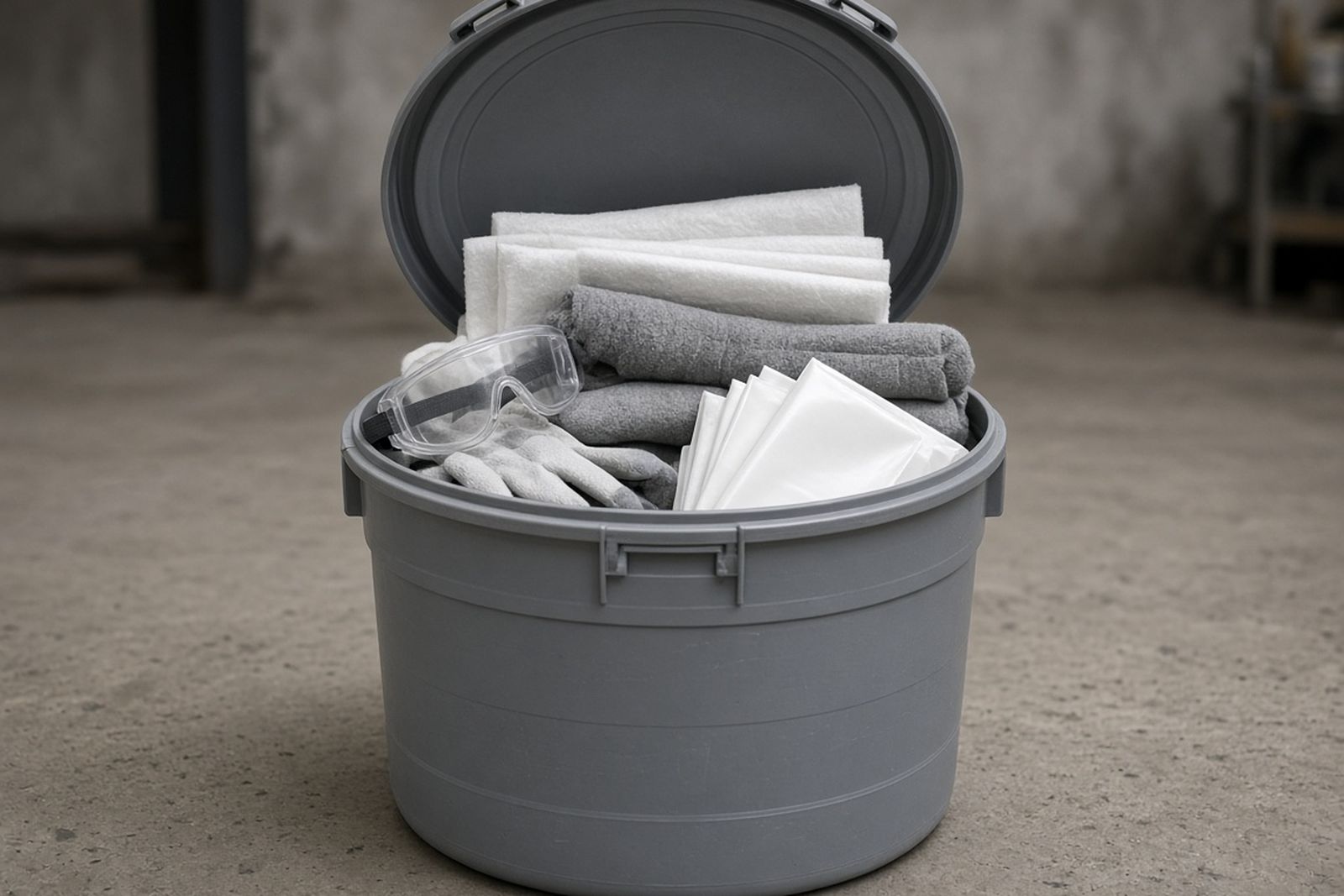
Planning tools
Hands-on planners help you order the first day, judge staff risk, check contractors, sort spill waste, and organize a claim.
Community polls
Compare your spill planning and response choices with facility, fleet, and property managers who faced similar spills and learned from them.
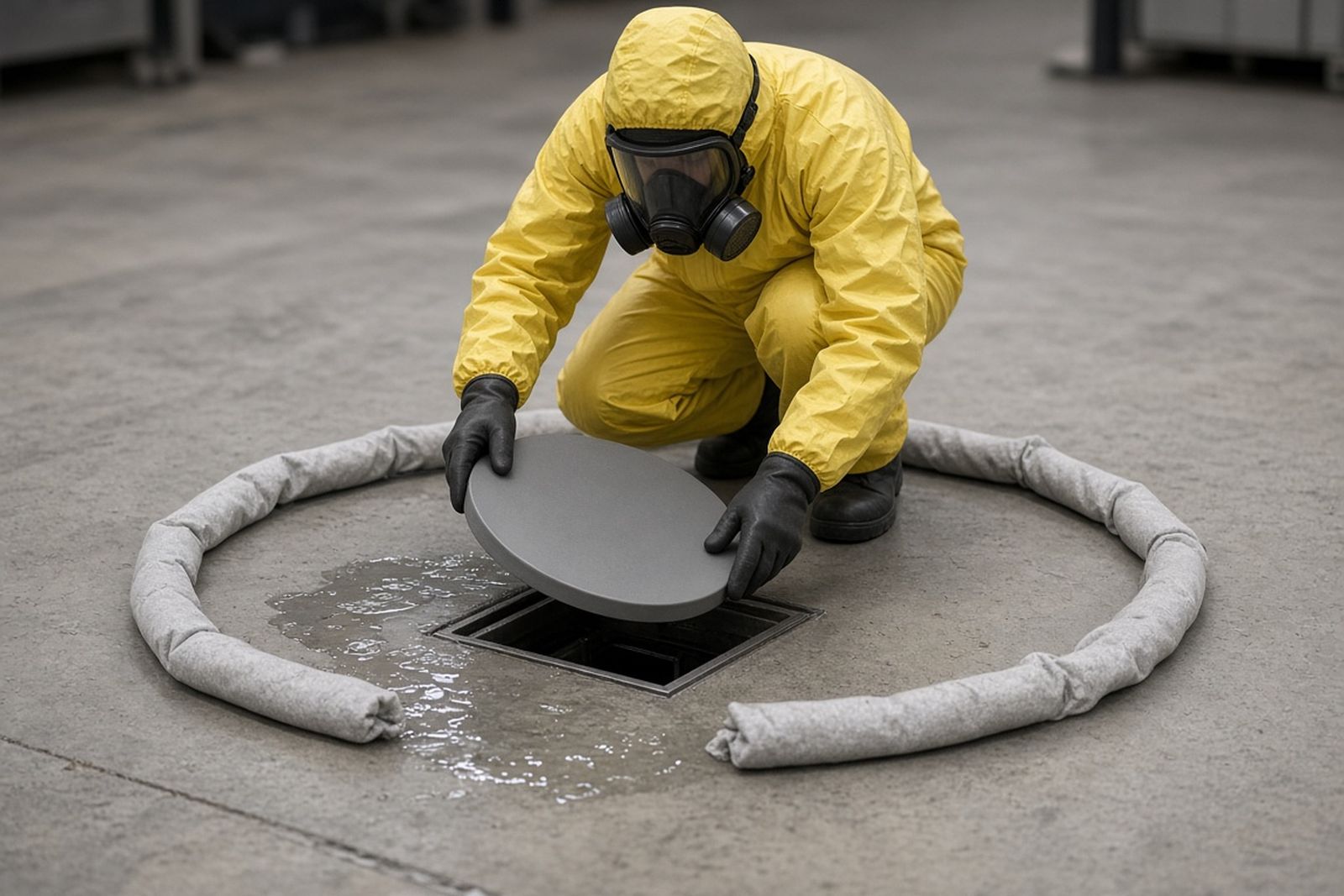
Knowledge quiz
Check what you know about spotting hazards, who is in charge, containment, cleanup, waste, and records with a short quiz for managers.
Articles and resources
Useful articles on spill kits, guarding storm drains, battery spills, and who must report. Learn to build a spill file that holds up when an insurer or agency checks it.
City guides
Find learning resources and spill response contractor listings for your state, county, and city. See which agencies handle spill reports there, too.