Northeast · US

Hazmat Spill Response in East Hampton, NY

Planning hazmat spill response in East Hampton, NY

East Hampton ocean-bay spill planning: people first, faded-label SDS support, berm dune swales, Montauk staging notes, DEC/NRC and waste files. This is planning guidance, not a claim of a local office or crew in East Hampton.

Get an email reply about hazmat spill response

Send a short message to the follow-up inbox. A coordinator can reply by email. This form does not send emergency help; call 911 first if anyone is in danger.

Tell us what you need help with. Share a short description; please leave out medical details, access codes, and other sensitive information.

A request does not confirm a booking. For immediate danger, contact local emergency services.

Or email info@prompartybuses.com

Direct answer

The short answer for East Hampton, NY

Atlantic dune lots, the edges of Accabonac marsh, summer traffic jams on Montauk Highway, and village service courts all see spills. Generator diesel, boat fuel, remodel solvents, and unlabeled party rental chemicals are common. Safety must lead. Salt air fades labels, so Safety Data Sheet (SDS) packets and delivery invoices take the place of quick hospitality fixes. Protect dune swales and harbor inlets before recovery starts. Notice to the state Department of Environmental Conservation (NYS DEC) may be needed, and possibly a National Response Center (NRC) report. Spent pads leave with a signed shipping paper, as RCRA, the federal hazardous waste law, may require.

Editorial guide · Biohazard Remediation NetworkUpdated 2026-07-22Location focus: East Hampton, NY

Local planning context

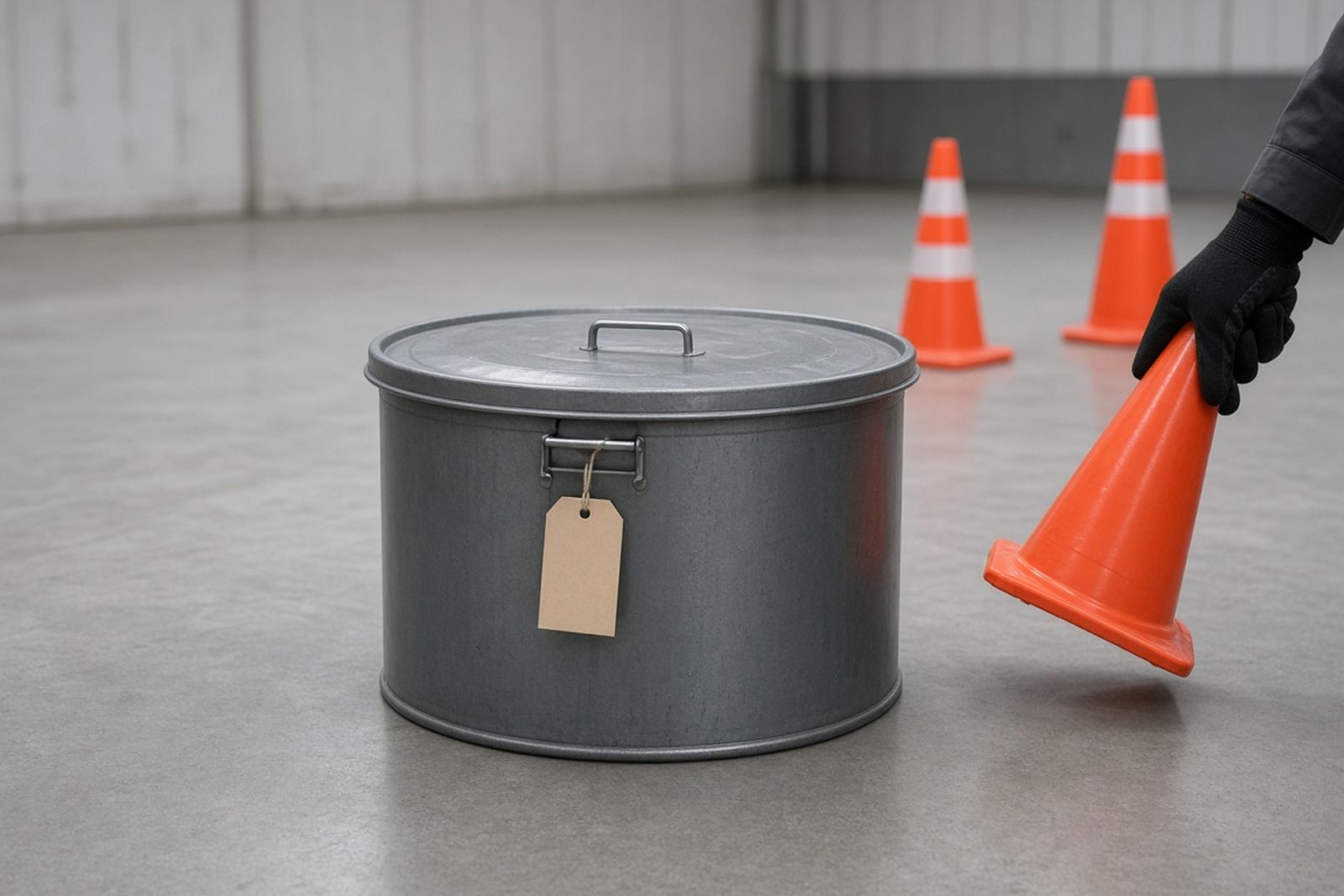
Party rentals turning over, beach club service courts, and lots that face both the Atlantic and Accabonac create a seasonal chemical mix. It includes portable generator diesel, boat fuel cans, pool oxidizers, fog machine fluids, paint for pop-up events, and unlabeled coolers left by overnight vendors. Salt spray and sun bleach the print on containers. So the product is often only partly known when responders arrive. In July and August, Montauk Highway jams and thin road shoulders may force fire trucks to stage far from the pad. List a meeting point on an approach road like Further Lane or a village connector, and never walk anyone through fumes. Rental turnover schedules never come before getting out.

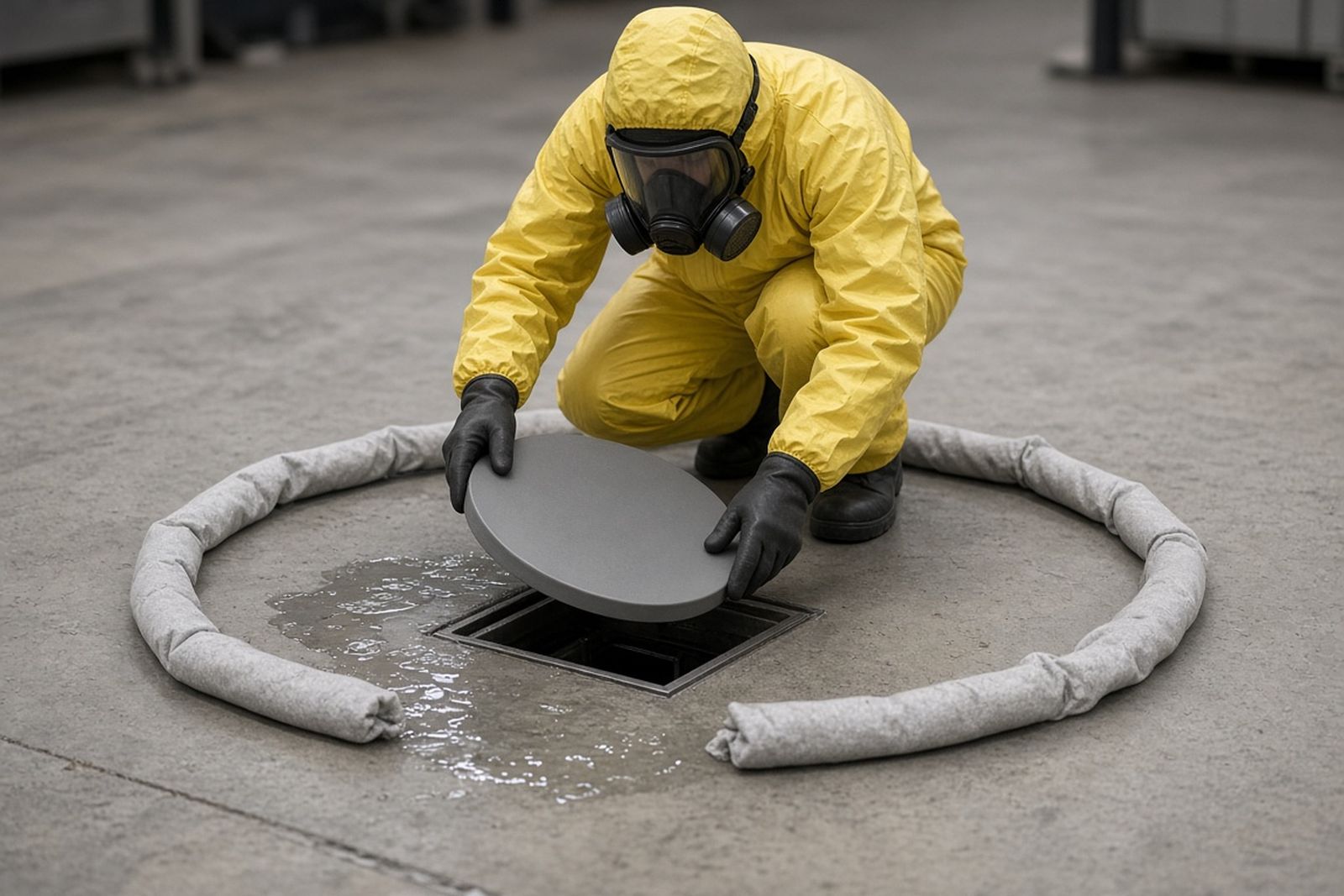
Dune swales, trench cuts by the boardwalk, and sheets of water across the marsh can carry a rinsed sheen to ocean or bay waters faster than an inland lawn dry well. Hosing down after a Friday unload is a classic way a spill grows. Leave or shelter as emergency officials direct. Keep housekeepers and caterers out of the danger zone. Generators and pool pumps stay as they are until a firefighter says otherwise. Get SDS binders or rental company chemical lists from a parked car or office. Do not open sun-faded jugs on the dune. Fuel that reaches the marsh or dunes may require state notice.

Property directors should write staff scripts ahead of time. Say which buildings to empty, which paths to block, and who waves arriving engines in at the highway meeting point. From a safe distance, photograph which way a sheen is moving toward the dunes or marsh. Log which rental vendors were on site. After recovery, keep waste test results, the waste shipping record for used absorbents, and air or wipe targets before event tents, pool houses, or sleeping wings reopen. August bookings do not buy a shortcut past any of those steps.
Property considerations

Labels faded by salt on beach club fuel cans mean you need SDS packets from vendors, not guesses.

Summer jams on Montauk Highway force fire crews to meet you away from the site. Map those spots before anything happens.

Fog machine fluid, pool oxidizers, and boat fuel in one service court are an unsafe mix until crews sort them out.

Catering and rental contracts should forbid mopping or hosing a spill toward dune swales or the marsh edge.

Trench cuts along the boardwalk shorten the trip from a sheen to tidal water.

Soft goods from pop-up events and rented linens may need to be removed after a solvent smell, not covered with fragrance.

Response-planning framework

Empty event spaces; flag engines at a highway meet point

Stinging eyes, unknown liquids, or a spreading film means you clear the tents, pool houses, and sleeping wings. Keep caterers out and call emergency services. Give a meeting point on Montauk Highway or in the village so fire trucks are not trapped in beach traffic. Do not run party fans that push fumes toward generators. Close off the service court and the openings downwind.

Rental-company chemical lists beat sun-faded jug detective work

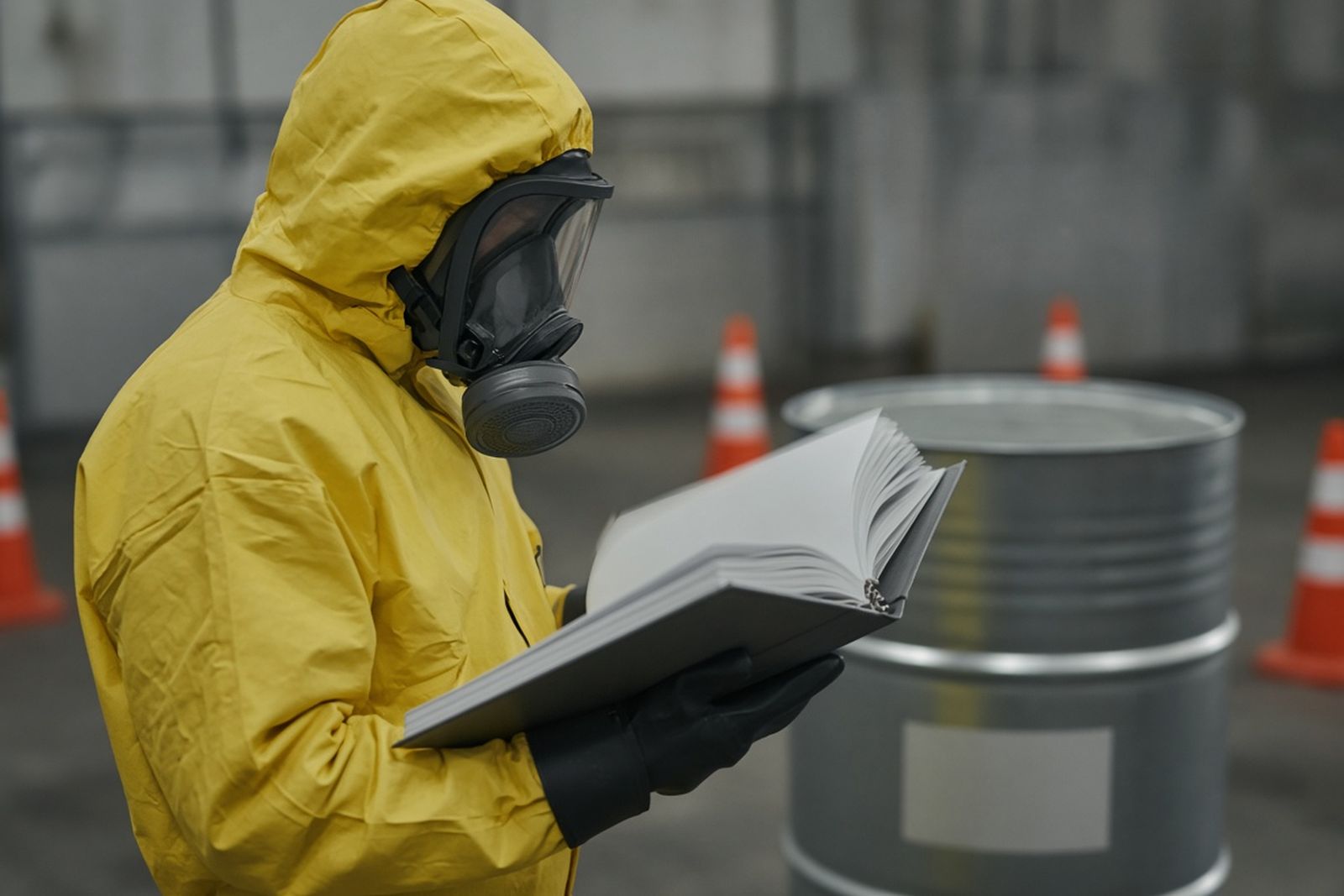
From a safe vehicle, ask vendors for the SDS and packing lists. Do not crack lids to scrape salt-crusted labels. Brand names still help responders. Total unknowns stay closed off for field checks. Hosting staff never invent recipes to neutralize fog fluid mixed with fuel. Party rental coolers often have sun-faded labels. That is exactly why OSHA's hazard and cleanup training rules put naming the product before any method.

Dune swale and Accabonac sheet-flow protection with DEC

Once the product is known, place barriers and matching pads before it reaches boardwalk trenches or water sheeting across the marsh. Near the dunes or Accabonac, expect state environmental staff to follow up. Federal reporting limits and NRC calls may apply. A wish for summer privacy does not shrink those duties.

Event-wing waste packets and odor-based reopen holds

Keep sleeping wings and event tents closed until air or wipe targets fit the hazard. This matters most after solvent or fuel fumes overnight. Bluestone that looks dry does not clear rented linens that soaked up product.

Documentation checklist

  1. 1Photos from a safe distance showing which way the sheen moved toward dune swales, boardwalk cuts, or the marsh edge
  2. 2Rental company SDS packets, fog fluid names, fuel tickets, or remodel invoices given to responders
  3. 3Notes on the highway or village meeting point, and who cleared which event spaces
  4. 4East Hampton fire and NYS DEC reference numbers, plus an NRC number if marsh or ocean paths led to a call
  5. 5How close the product came to the marsh
  6. 6The waste shipping record for drums hauled from the service court
  7. 7Air or wipe results that allowed tents, pool houses, or sleeping wings to reopen
  8. 8Dates of pollution-liability notices, filed with the seasonal rental records

Official resources

Questions for this location

Fog-machine fluid and diesel cans share a beach-club service court. Someone feels dizzy. What now?

Treat mixed unknowns as a threat to life. Clear the court and the event space next to it. Hold caterers and partygoers at the lawn and ring emergency services. Do not sniff jugs or blend residue to cancel the smell before a Saturday rental. From upwind, note which vendors dropped off which coolers, and whether liquid is moving toward a dune swale. Do not step into the danger zone. Give responders the rental SDS packets and a meeting point on Montauk Highway. Summer traffic matters. Still, no one on the property starts a cleanup while the engine is stuck on the highway.

Why does salt air change identity support on Atlantic-facing lots?

Sun and spray fade or peel labels, so reading them often fails. Property teams should keep vendor SDS packets and packing lists in a dry office or car file before peak season. They should not count on reading crusted cans in an emergency. Trained responders still sort things out in the field when paperwork is missing. Guessing by smell is unsafe once ocean wind mixes the odors. When the product is only partly known, the closed area stays larger until crews catch up.

A Friday unload leaves solvent sheen pointed at Accabonac marsh sheet-flow. Hose it?

No. Water sheeting across the marsh and trenches can carry product toward the bay and widen reporting duties under NYS DEC, and possibly the NRC. Use barriers and matching pads only after the product is known. Photograph the flow direction from a safe distance. Guarding the marsh edge is environmental control. It is not a scramble to hide stains before weekend guests.

What paperwork should a seasonal director keep after professional recovery?

For a spill on a dune lot or in a service court, keep the waste test results, container lists, hauler details, and the waste shipping record signed by an approved facility. Used pads may be regulated as hazardous waste. A dumpster behind a service court is not legal disposal. Keep the rental SDS packets used for testing, photos of the packed waste, agency numbers, and air targets for tents or sleeping wings. Write up any longer soil cleanup apart from the emergency shipping records, so insurers see the phases clearly.

When can a pool-house event space reopen after overnight solvent odor?

Once the pool house air tests clean and soaked cushions or linens are removed. An ocean breeze is not clearance. Log who allowed the rental house or beach club building to reopen, and which readings backed it. If guests or staff still report stinging eyes or throats, the space stays closed. Rental income targets never replace written reopen science.

How should East Hampton rental owners brief summer guests about fuel and pool chemicals?

Add a short page to the rental guide. Show where the generator and pool equipment are. Tell guests not to touch chemical storage, and to call 911 and the property manager if they smell fuel or chemicals. Keep that storage locked. Post emergency numbers by the door. Guests should not try to clean up spills, even small ones. Review the guide each season as vendors change.

What happens if a spill occurs during a Montauk Highway summer traffic backup?

Summer traffic can slow responders on the way to East Hampton properties. That makes early calls and clear directions important. Keep people away from the spill. Send someone to meet crews at the road with directions to the driveway. Do not try to handle the spill while you wait. If product is heading toward the marsh or dunes, tell dispatch so they can plan.

Contact

Get help by email

Send a short message for an email reply about hazmat spill response planning questions for the New York City area.

Technician in a yellow suit and respirator reading a safety data sheet binder beside a drum
Illustrative photo, not a job record. Technician in a yellow suit and respirator reading a safety data sheet binder beside a drum.
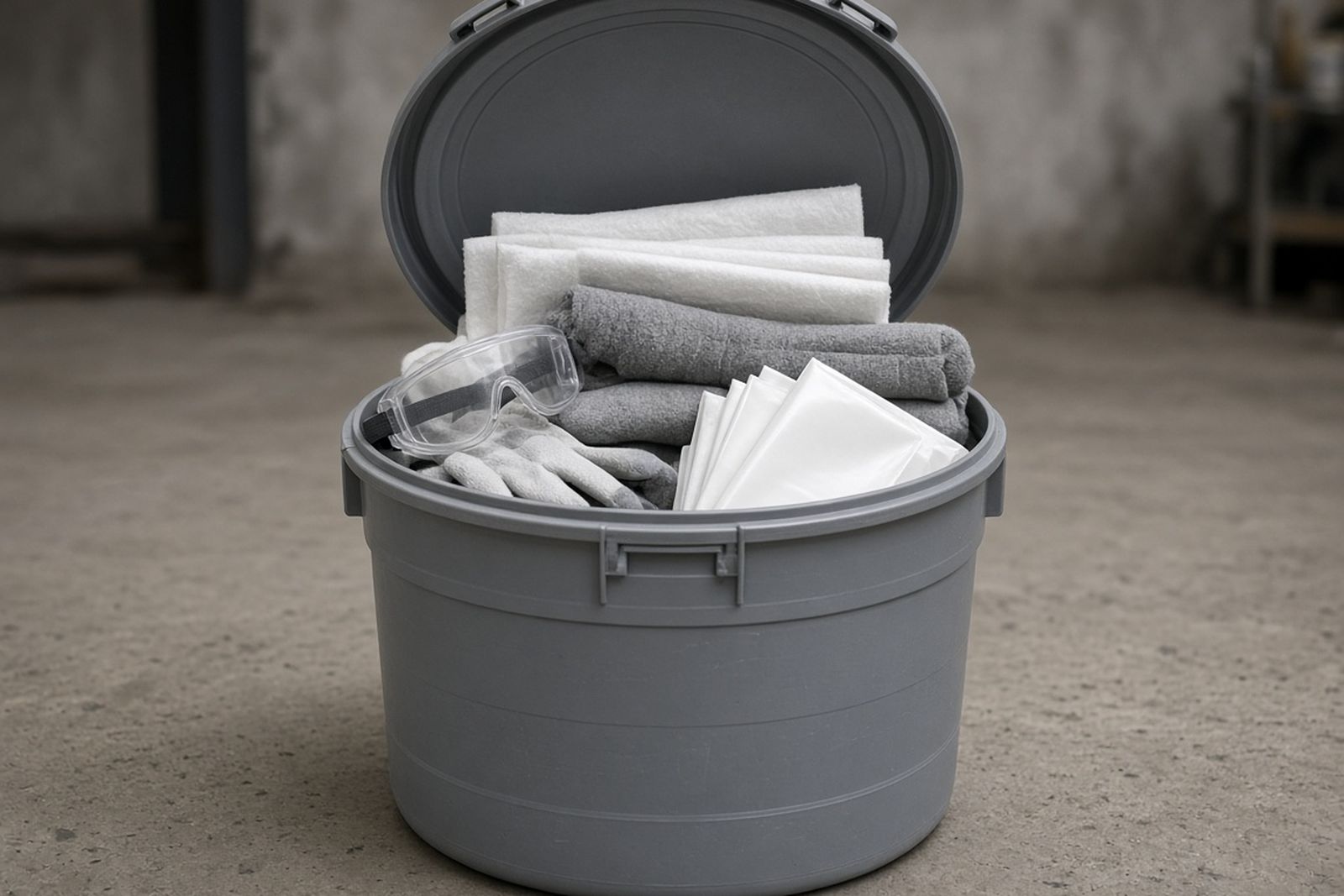
Open spill kit drum holding absorbent pads, goggles, gloves and disposal bags
Illustrative photo, not a job record. Open spill kit drum holding absorbent pads, goggles, gloves and disposal bags.

Hazmat Spill Response figures to keep in mind

National and research figures, not East Hampton data. Local conditions, rules and providers vary; use these for scale and context only.

20 rail cars

In the February 2023 East Palestine, Ohio derailment, 20 of the affected rail cars contained hazardous materials.

Read with care: Single high-profile event; not representative of typical spills.

Source: EPA (2023)Norfolk Southern derailment, East Palestine, Ohio, Feb 3, 2023

21%

TRI chemical releases in 2023 were 21 percent lower than in 2014, with air emissions down 32 percent.

Read with care: Trend covers routine permitted releases as well as accidental ones.

Source: EPA (2023)United States TRI facilities, 2014-2023, excluding natural gas processing

2.34

Insurance disputes were associated with depression (aOR 2.34; 95% CI 1.4–3.9).

Read with care: Observational and self-selected; negative-comment denominator is comments, not all insured people.

Source: McKenzie et al. (2022)521 insured, inundated-household respondents from a 2,530-person survey six months after flooding.

These figures are public research and agency data, not this network's own job records. Keep each number with its population, year and limits; none of them predicts cost, timing or outcome at a specific property.

Plan before you reach out

Use the first 24 hours planner for immediate steps and the provider vetting checklist to confirm any East Hampton provider's training, insurance and waste path in writing.

What research has found

Findings from published studies of people and properties in situations like this one. They describe what researchers observed in a specific group; they are not predictions for your case.

Bench experiments showed flushing could move chemicals into the air.
Who was studied: Ten West Virginia homes tested two weeks after the January 2014 spill; linked surveys and bench experiments.Limits: One contaminant/event; not a general flushing protocol or current water standard.Residential tap water contamination following the Freedom Industries chemical spill (2015)
The corresponding warning-related anxiety difference was not statistically significant.
Who was studied: 622 English respondents whose homes flooded in 2013–2014; one-year survey.Limits: Related cohort to S059; associations, not proof displacement caused symptoms.Effect of evacuation and displacement on flooding and mental health outcomes (2017)

Hazmat Spill Response community polls

Poll results

Every count is a real visitor vote; nothing is seeded or padded. One vote per poll per device, and you can change your answer.

Safety

How prepared is your site for a chemical or fuel spill right now?

No visitor votes yet
Your experience

In your most recent spill, what was the first action taken?

No visitor votes yet

Planning cleanup in East Hampton?

Send a short message about the property to the follow-up inbox. A coordinator can reply by email with next steps.

Your request is sent to the follow-up inbox. A coordinator can reply by email.

If anyone is hurt or in danger, call 911 first.