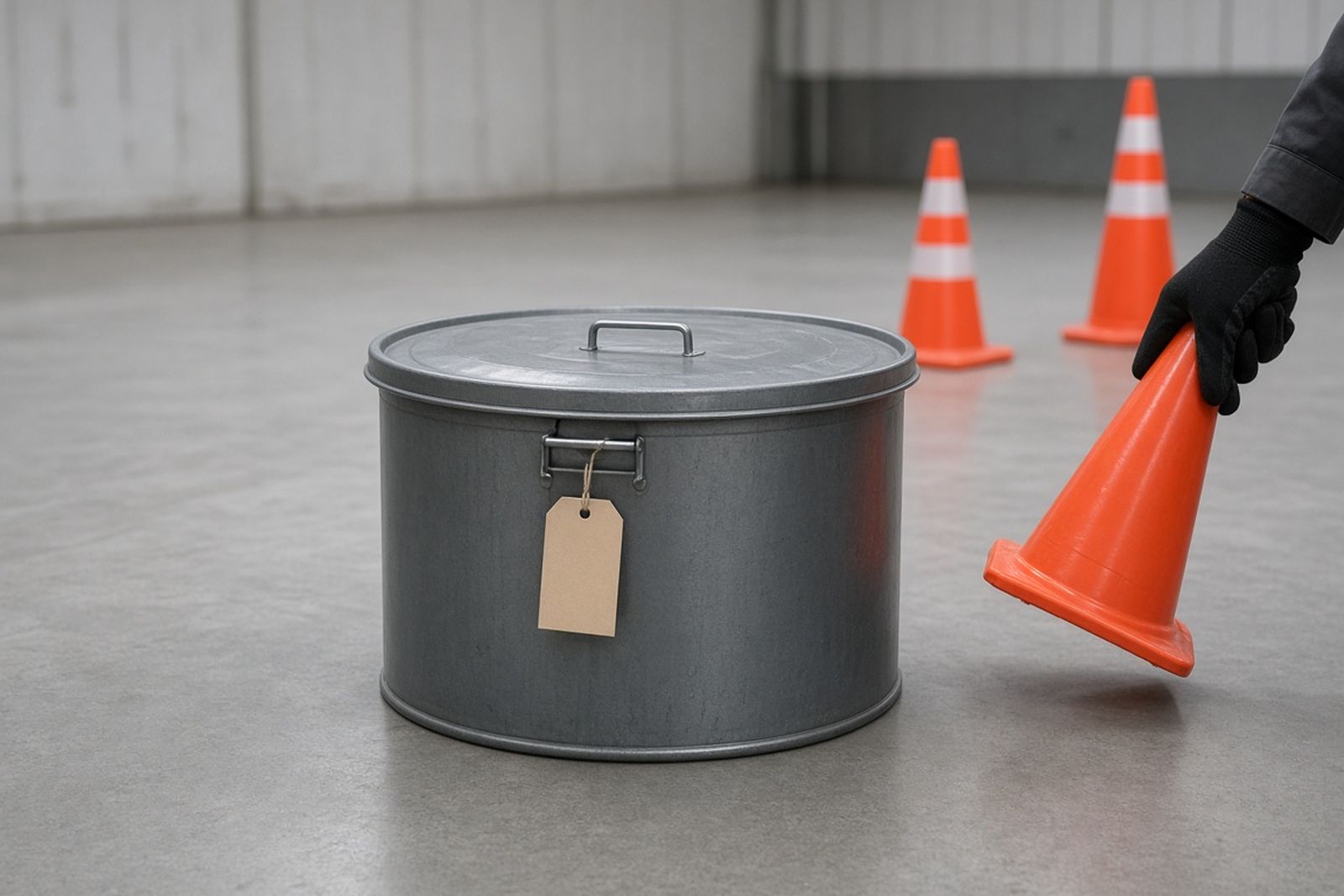
Scarsdale, NY

Hazmat Spill Response in Scarsdale, NY

What to do, who to contact, and what to ask in Scarsdale.

Heating oil or solvent spill at your Scarsdale home? Get out, call 911 for heavy fumes, keep it out of the curb drain, and know what to keep.

Get an email reply about hazmat spill response

Send a short message to the follow-up inbox. A coordinator can reply by email. This form does not send emergency help; call 911 first if anyone is in danger.

Tell us what you need help with. Share a short description; please leave out medical details, access codes, and other sensitive information.

A request does not confirm a booking. For immediate danger, contact local emergency services.

Or email info@hazmatspillcleanup.online

The short answer for Scarsdale, NY

In Scarsdale, most spills are heating oil, remodel solvents or fuel on a driveway pad or in an attached garage. If fumes are heavy or you cannot name the liquid, get out and call 911. Close the door between garage and house if you safely can. What follows covers curb drains, state reporting, waste and when rooms can be used again.

What to do, step by step

  1. 1

    Get out and shut the door between the garage and the house

    Leave or stay put based on the hazard, and call 911. If you can do it safely, close the door from the garage to the house on your way out. Do not send household staff into the garage to check the smell. Spark control follows the fire department's lead, so leave switches and the car alone. If an outdoor spill sends fumes toward the sidewalk or a school route, expect responders to widen the closed area to take in yards downwind.

  2. 2

    Hand over the delivery ticket or product list

    Give responders the oil company ticket or the painter's product list, but leave open cans alone. Trained crews sort out the hazards before they choose any absorbent or neutralizer. Sniff tests, pool test strips and home test kits from the internet are not safe ways to find out. Having the product named in writing, as federal label rules intend, keeps the wrong chemistry off your heating oil, pesticide or remodel solvent spill.

  3. 3

    Protect the curb drain and ask about NYSDEC

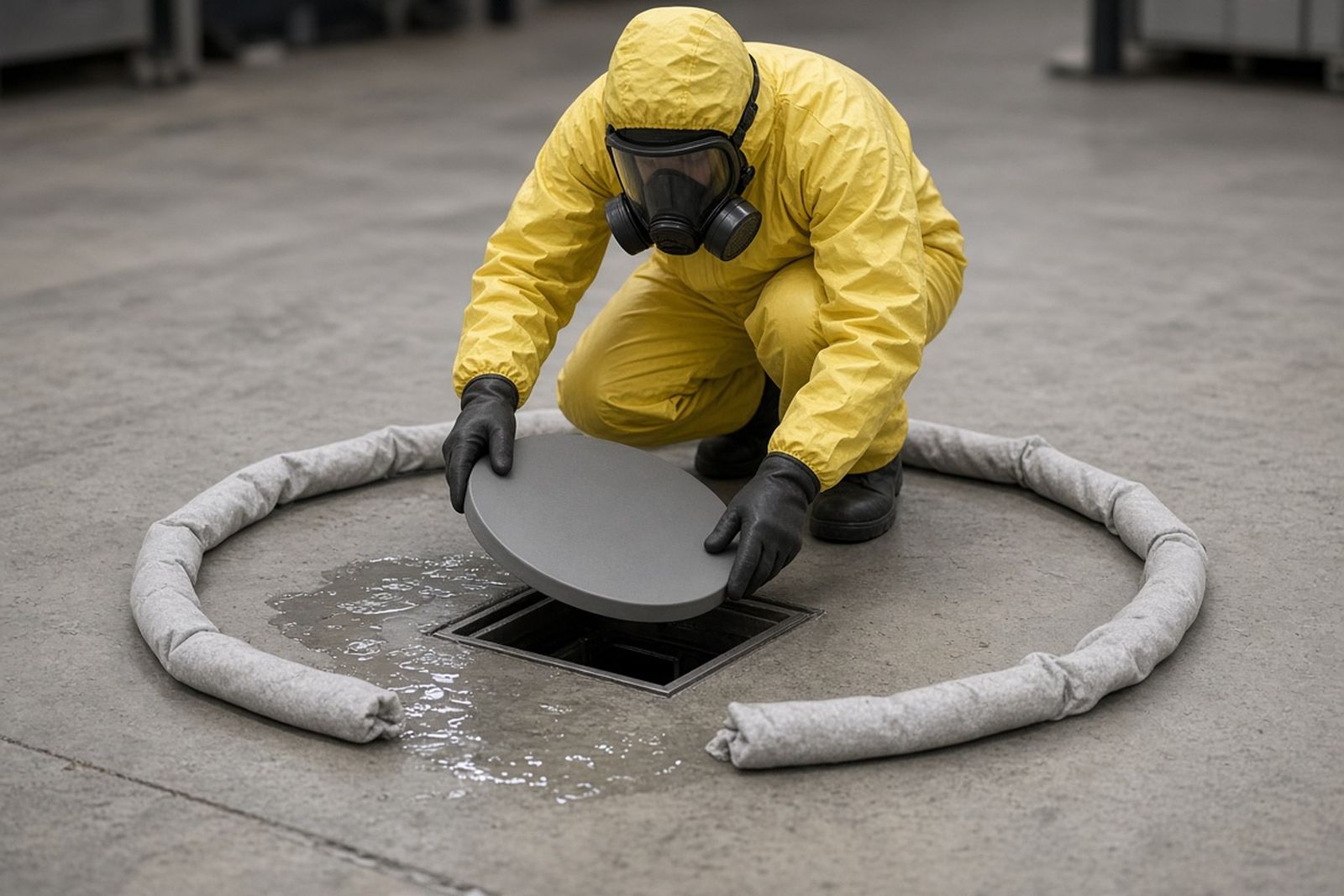
    Clear leaf mats off a drain only if responders say it is safe. If not, a good crew will build a barrier around the drain and note where the product flowed. If oil reached a leaf-choked curb drain or your lawn, the fire department and state environmental staff (NYSDEC) may both step in. Certain releases also call for a report to the National Response Center (NRC). Village runoff paths are short, so minutes count even when your street looks quiet.

  4. 4

    Wait for air tests before staff and guests return

    Used absorbents are tested, each load gets a waste shipping record and you keep the disposal receipts. If fumes got into the house, ask for air tests to set the target for going back in. Staff and guests wait for those targets to be met, no matter how the pad looks. File the results with your insurance notices, and with any factual HOA notice, before normal use resumes. Ask who signed off on the readings and keep that name in the file.

What cleanup is like in Scarsdale

Scarsdale is a Westchester village of homes with attached garages on tree-lined blocks, streets beside schools and some HOA or estate-run properties. For you, the likely trouble spot is a contractor parking pad or a heating oil or remodel delivery, not an industrial yard. Curb drains here clog with leaves, and that shortens the time a sheen on your driveway takes to reach the village drains. Neighbors and school families notice smells fast. So do not count on handling it quietly. Protecting people and letting fire officers run the scene matter more than discretion.

New York State environmental rules and the local fire response decide who must be told when product gets into drains or soil. You do not have to work that out alone. What you should do is leave unknown products for trained crews, and never open drums or mix a neutralizer. A product sheet from your heating oil, pesticide or remodel vendor helps name the product if you can get it safely. Keep fire in mind as well. Fuel or solvent in an attached garage can send fumes through the kitchen door and the shared air returns into your living space.

Some records hold up well when your insurer or the village asks questions. Keep a map of the rooms and yards that were closed and photos of the drains. Add agency numbers, the waste shipping record and the air tests done before anyone went back in. Ask household staff and guests to wait for those tests before using nearby rooms. If you manage a property, give residents plain facts about what is closed and do not make up a chemical name. Used absorbents never go out with the regular curbside trash.

What to expect for your type of home

  • Homes with an attached garage: The garage opens into the kitchen or mudroom, so fumes reach living space early. Close the connecting door if it is safe, and stay out until responders say what comes next.
  • Driveways on blocks with leaf-clogged curb drains: The drain can still take wash water. Never hose fuel or solvent toward the street to clear your pad. Ask the crew to protect the drain first.
  • Homes on streets near schools: Let public responders handle any message to the community. Do not send out your own alert. Give them the wind direction and any smell you noticed.
  • HOA or estate-run properties: Keep one product sheet file that on-call staff know about. Name the person who will meet the fire department, and make sure that person has the keys.
  • Homes with contractors parked on a pad: Spills often start there. Note which vehicles were present so costs can be recovered later, but do not let that slow down closing off the area.
  • Yards in the fall: Leaf piles and storm debris can hide containers. Do not crush an unknown container into a dumpster or leaf bag. Leave it where it is and report it.

Papers and records to keep

  • A timeline of the spill and a map of the rooms, garage and yards that were closed
  • Photos showing where the product sat compared to the leaf-lined curb drains
  • The delivery ticket and product papers you gave to responders
  • Case numbers from the fire department and NYSDEC, and from the NRC if it was called
  • Barriers, drain covers or absorbents used near the curb and a rough amount picked up
  • The waste shipping record with the hauler and disposal site names
  • Air test or sample results that cleared your living spaces to reopen
  • Factual notices sent to neighbors, HOA contacts or residents

Local offices and official help

  • OSHA HAZWOPER(opens in a new tab)

    Explains the federal safety training that spill cleanup workers must have, so you can ask any company you hire whether its crew holds it.

  • OSHA Hazard Communication(opens in a new tab)

    Explains chemical labels and Safety Data Sheets, the papers that tell responders what a spilled product is and how to handle it safely.

  • EPA RCRA(opens in a new tab)

    Covers the federal law on hazardous waste, which is why your cleanup company must test, track and properly dispose of what it removes.

  • NYSDEC(opens in a new tab)

    New York's state environmental agency, which oversees oil and chemical spills; look here for how spills are reported and cleaned up in the state.

  • National Response Center(opens in a new tab)

    The federal contact point for reporting oil and chemical spills that may reach water; responders or your cleanup company can tell you if a report is needed.

Common questions in Scarsdale

Solvent fumes are coming into my house from the garage. What should I do?

Get everyone out of the house if the odor is heavy or anyone coughs or tears up. Keep others out and call 911. Do not open windows as a quick fix if that pulls fumes through the living space, and do not start attic fans. From outside, tell responders the garage is attached and whether anyone is still inside. If the delivery slip is in the kitchen and you already have it, hand it over. Going back in waits for air tests that fit that solvent.
How do New York's environmental rules affect my paperwork after a spill at home?

When product reaches soil, drains or water, state environmental officials may require a report and records beyond a private cleanup bill. Fire departments handle life safety, and environmental agencies focus on where the spill went and how the waste is handled. Keep reference numbers, photos of drains, recovered amounts and the waste shipping record. Do not assume a small village has fewer duties. Good paperwork also helps a future buyer or insurer see what left the property.

There is a school near my house. Will that change how my spill is handled?

Yes, it can. When children are next door or downwind, public responders may widen the closed area or order people to shelter. You should not send your own community notices. Follow the official instructions, and do not let children watch the work from the fence. From a safe spot, give responders accurate notes on the wind and any smell. A school nearby is no reason to hide a spill. Write down any official instructions you get.

Why can't fuel-soaked absorbents go in my household trash?

They often count as hazardous waste, and they can start fires in garbage trucks and transfer stations. A proper response tests them, labels them and ships them with a waste shipping record to an approved facility. Household trash has no tracking. Trash day in a Scarsdale neighborhood is handy, but it does not meet the rules. If a vendor suggests bagging absorbents for curbside pickup, say no. Missing paperwork causes trouble later with a claim or a home sale.

What should the cleanup write-up say for my insurance claim?

It should describe the type of chemical as it was named, the steps taken to hold and recover it and where the waste went, with shipping record numbers. It should add the targets used for re-entry, such as air readings or wipe results, and who approved it. Attach photos and product sheets. If soil sampling is still pending, say so. Large Scarsdale claims get close review of whether a leak was sudden or slow, so exact timelines help. Keep one folder for each spill date.

Do fall leaves make a spill on my street worse?

They can. Leaves pile up in curb drains and gutters, where they can hide a fuel or chemical sheen and hold it against the grate. In heavy fall rain, that material can wash into the storm system fast. If you see a sheen on leaves or pavement near a drain, keep people back and call it in. Do not rake it away. Tell responders if a delivery truck or contractor was just at the curb. Photos of the gutter help later.

Should I tell my neighbors about a heating oil spill at my house?

If smell or runoff crosses the property line, your neighbors may need to know. Let fire officials or environmental staff decide what is said and when. A friendly note asking neighbors to keep kids and pets away from the gutter is fine. Do not guess what spilled or how dangerous it is. Keep a simple record of who you told and when, in case your insurer or the village asks later.

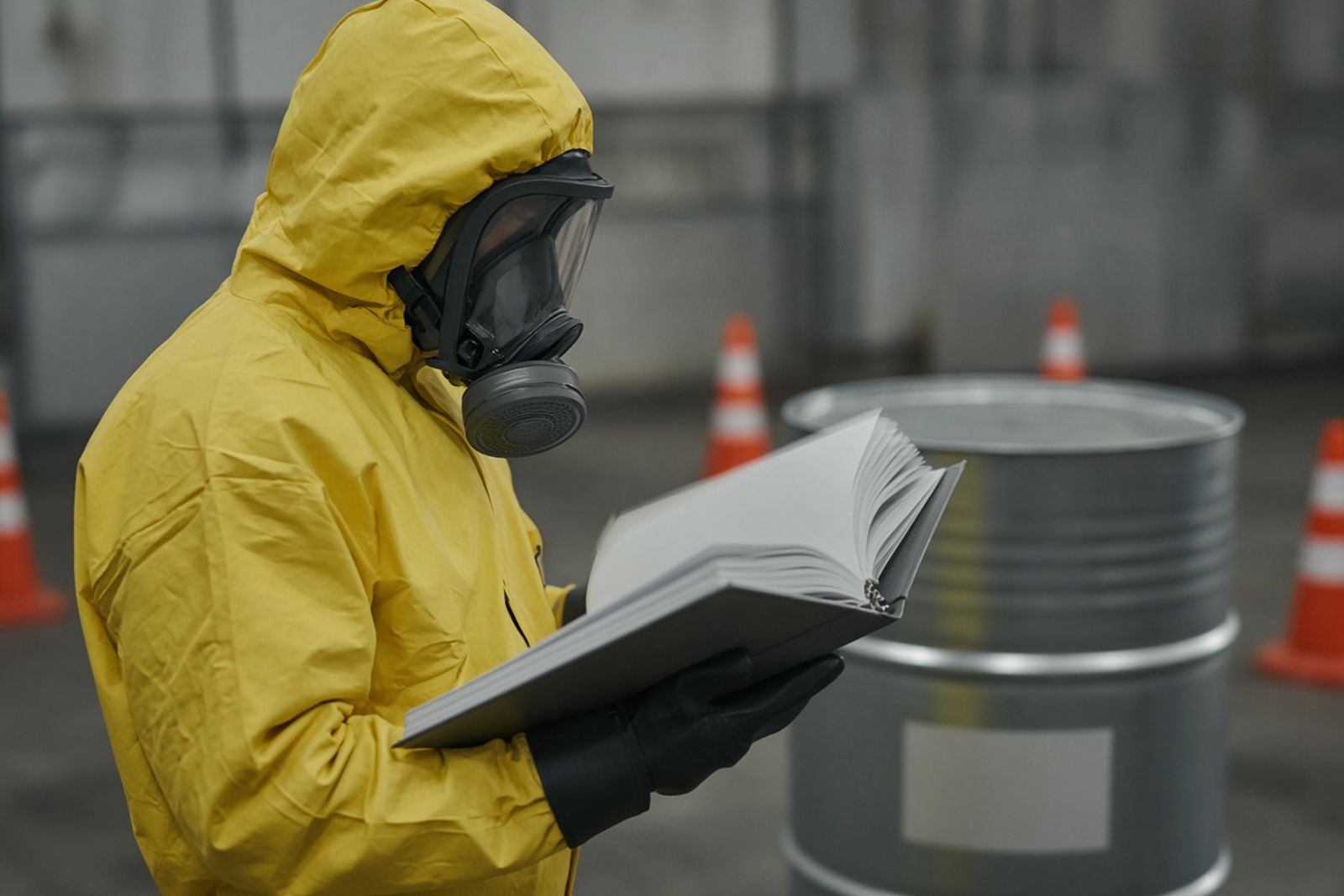
Technician in a yellow suit and respirator reading a safety data sheet binder beside a drum
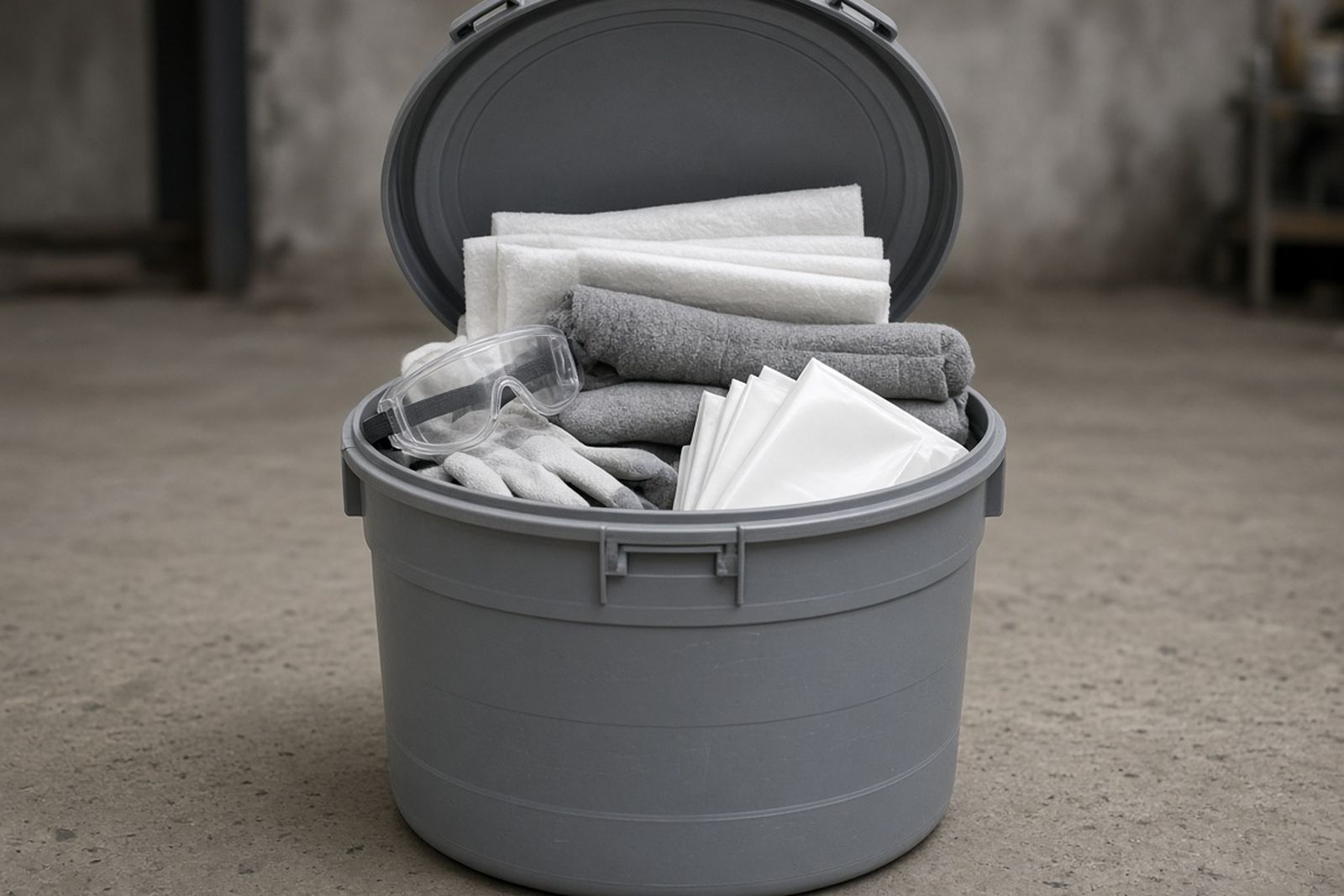
Open spill kit drum holding absorbent pads, goggles, gloves and disposal bags

Facts worth knowing

  • After a January 2014 West Virginia spill, surveys and medical reports described health problems linked to flushing home plumbing.

    Why it matters: If you feel unwell while flushing contaminated pipes, stop, get fresh air, and call your doctor or poison control.

    Source: Whelton et al., 2015

  • Insured flood victims in a study published in 2022 said slow insurance inspections held up their cleanup.

    Why it matters: Ask your insurer how soon an adjuster can come, and whether you may start urgent cleanup after taking photos.

    Source: McKenzie et al., 2022

  • Flooded residents in New Brunswick focus groups said the paperwork for insurance and government compensation was confusing.

    Why it matters: Expect the forms to take effort, and ask your adjuster or a local aid office to walk you through them.

    Source: Woodhall-Melnik et al., 2019

Tools that help right now

What would you do?

Poll results

Vote to see how other people answered. You can change your answer at any time.

Safety

How prepared is your site for a chemical or fuel spill right now?

Be the first to vote
Your experience

In your most recent spill, what was the first action taken?

Be the first to vote

Need help in Scarsdale?

Send a short message about the property to the follow-up inbox. A coordinator can reply by email with next steps.

Your request is sent to the follow-up inbox. A coordinator can reply by email.

If anyone is hurt or in danger, call 911 first.