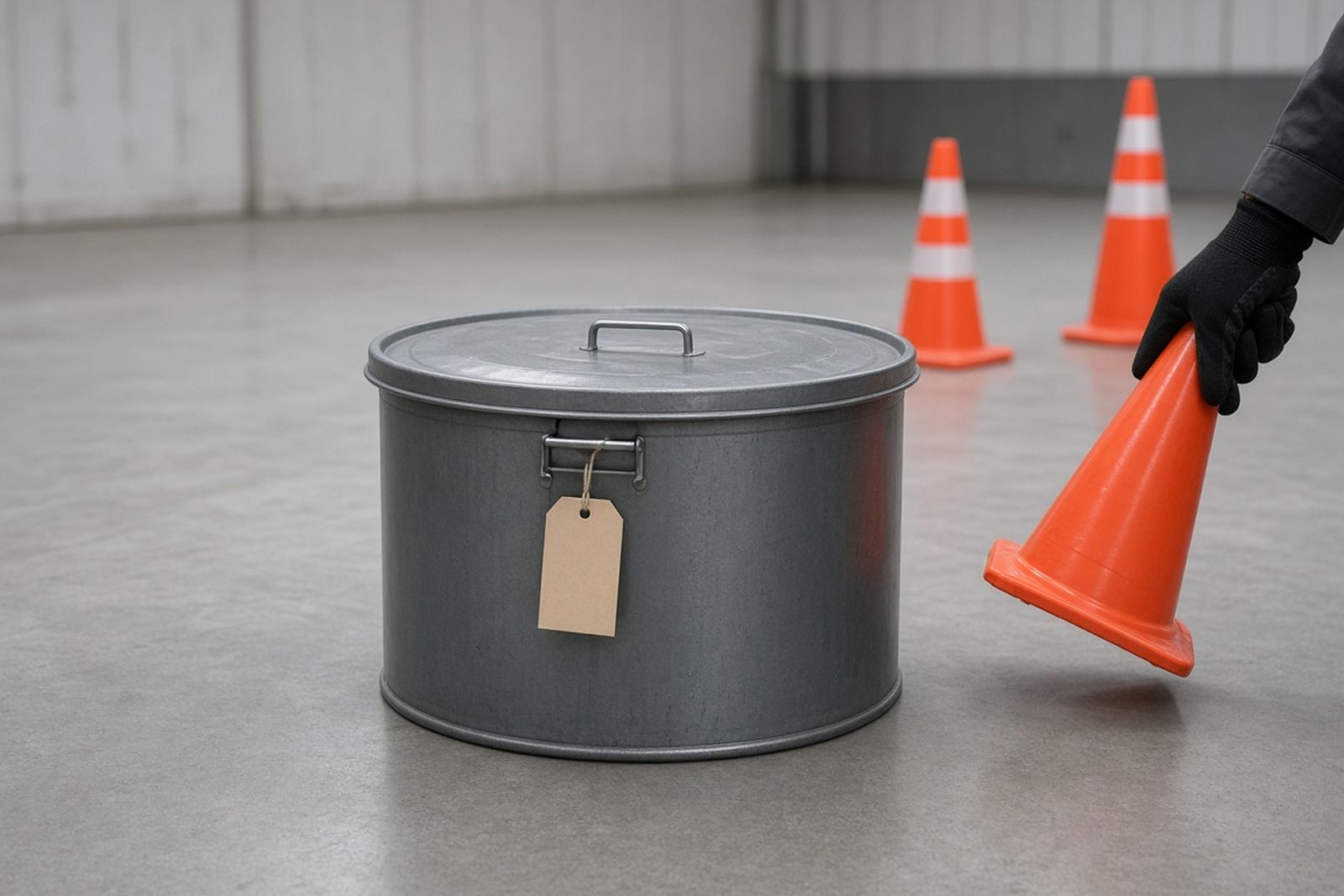
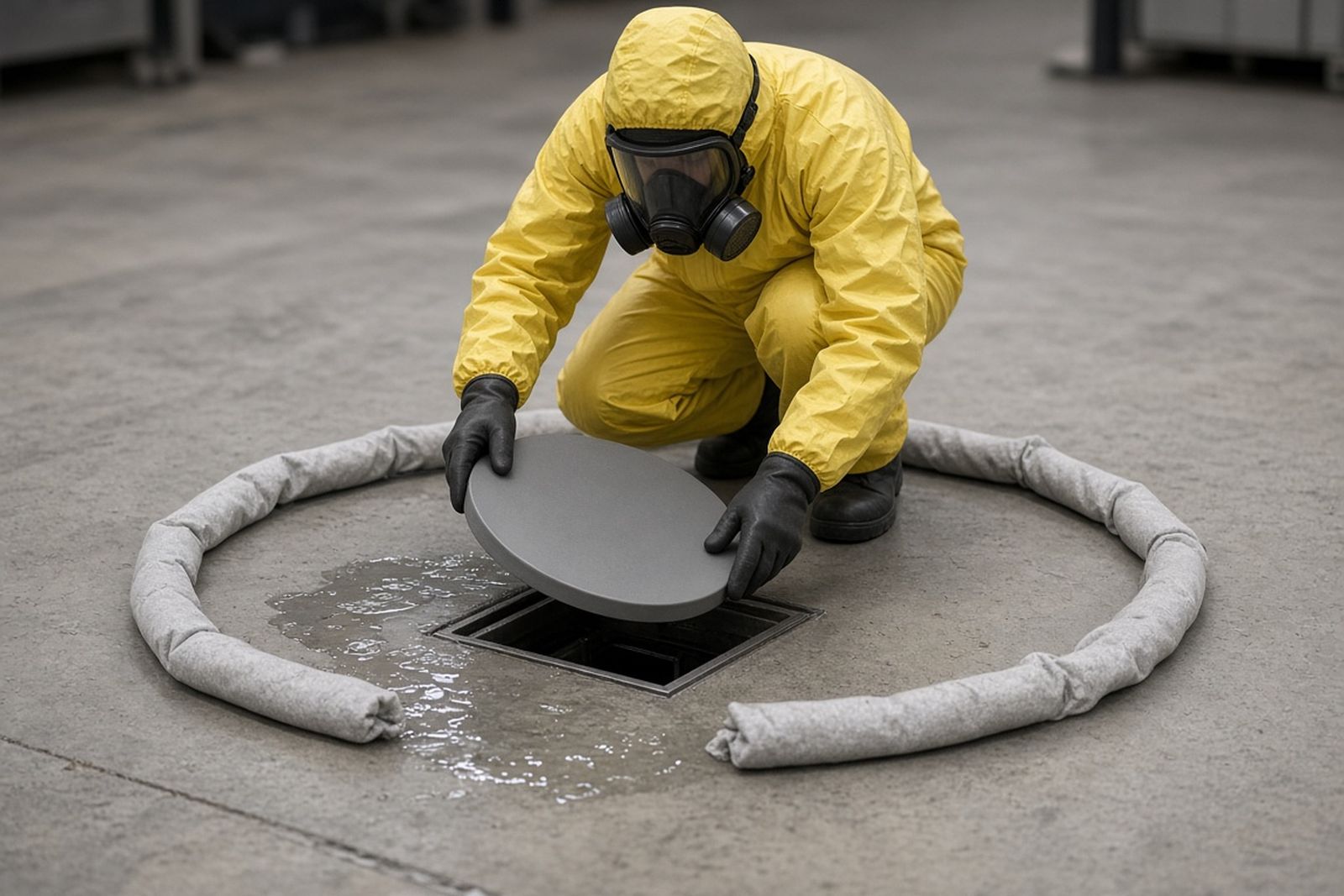
South · US

Hazmat Spill Response in Orlando, FL

Planning hazmat spill response in Orlando, FL

Orlando FL I-Drive and retention-pond spill guide: isolate hotel generators, SDS not DIY, berm pond inlets, FDEP notice, lobby and lab reopen files. This is planning guidance, not a claim of a local office or crew in Orlando.

Get an email reply about hazmat spill response

Send a short message to the follow-up inbox. A coordinator can reply by email. This form does not send emergency help; call 911 first if anyone is in danger.

Tell us what you need help with. Share a short description; please leave out medical details, access codes, and other sensitive information.

A request does not confirm a booking. For immediate danger, contact local emergency services.

Or email info@prompartybuses.com

Direct answer

The short answer for Orlando, FL

Hotel generators on International Drive, Orange County Convention Center docks, I-4 warehouse courts, and campus science closets see diesel films, pool oxidizers, remodel glues, and unlabeled midnight totes. Guest services often notice the smell before engineering arrives, and there is no ocean shore nearby. Move people away first. Safety Data Sheet (SDS) packets kept in a cool office replace mop chemistry. Put barriers at retention pond inlets before cloudbursts. When oil hits a pond, Orange County staff and the Florida Department of Environmental Protection (DEP) may want a report. Pads from a hotel garage can be regulated under RCRA, the federal hazardous waste law. Lobbies and labs reopen on written targets.

Editorial guide · Biohazard Remediation NetworkUpdated 2026-07-22Location focus: Orlando, FL

Local planning context

Central Florida's inland hotels and freight hubs differ sharply from marinas on the Intracoastal. International Drive hotels keep generator day tanks above guest garages. Convention Center docks take in glues and fuels for booth build-outs. I-4 warehouses park diesel jugs next to trench drains. Campus annex closets still hold teaching solvents. Front desks often hear about a fuel smell in the valet area before anyone finds an SDS. Hold shuttle riders at the curb, clear the garage pad, and phone emergency services. Do not send landscapers to mop toward a pond grate before check-in.

Retention ponds and wet detention systems move product into the regional storm drains within minutes of a hose rinse, even with no bay shore in sight. County and state staff handle notices when oil reaches a pond. Follow fire officials' direction. Keep SDS packets indoors, since summer sun fades outdoor labels fast.

Hotel engineering, convention logistics, and campus safety offices should write a plan. It names who freezes shuttle lanes and who meets fire trucks away from attraction lines. It also lists which pond inlets get barriers first. Once cleanup ends, the hauler's papers and the air numbers go on file before any lobby, lab, or guest floor opens. A sold-out weekend does not change the steps.

Property considerations

Retention pond grates under unbroken paving shorten the trip from a pad film to the basins.

Topping off hotel day tanks before storm watches creates a fire risk in guest garages.

Pool oxidizers next to remodel glues stay an unsafe mix until crews sort them out.

Convention Center build-out totes often lack labels after overnight turnovers.

Shuttle and rideshare lines can block fire trucks unless other staging streets are planned.

Campus science closets may mix alcohols with unknowns until someone safely retrieves the inventory.

Response-planning framework

Stop valet and shuttle traffic before chasing diesel odor

If valets or guests feel dizzy, or a diesel film is spreading, stop parking on that level. Send guests to the lobby and call 911. Do not run fans toward the generator tank or start cars in the film. Hotel engineering should meet firefighters at the garage entrance with keys and generator records.

Cooled SDS drawers and PO lists beat handyman neutralization

Engineering brings the generator and pool records to the crew. Do not open unlabeled totes to confirm the smell. Field checks fill the gaps. Pads wait until the SDS or label says what spilled.

Retention-pond berms with Florida DEP before cloudbursts

Much of the area drains to retention ponds. So crews protect pond inlets and garage drains once the product is known, ideally before an afternoon cloudburst. Orlando Fire may bring in county or state environmental staff when a pond is affected, and certain releases carry more reporting. Peak check-in crowds do not shrink those duties.

Lobby and lab reopen only after waste ships and air science

Engineering should not sign off until the hauler's waste shipping record is in hand. Guest floors and any campus science rooms stay closed until readings meet written targets for the product. A dry valet slab after an overnight smell does not mean new arrivals can park there.

Documentation checklist

  1. 1Photos from a safe landing of the film compared to pond grates or garage drains
  2. 2Generator and pool product records
  3. 3Shuttle lane freezes and notes on where fire trucks met you, away from attraction lines
  4. 4Orlando Fire and county case numbers
  5. 5Barriers placed ahead of retention pond inlets, absorbent types, and estimates of amounts recovered
  6. 6The hauler's waste shipping records for the hotel
  7. 7Air or wipe results that allowed the lobby, lab, or guest floors to reopen
  8. 8Dates of hotel or campus risk management notices

Official resources

Questions for this location

Guests smell diesel in an I-Drive hotel valet during peak check-in. What first?

Stop valets from parking on that level, move guests to the lobby, and call 911 if the fumes are strong. Do not mop toward a pond grate. Give responders the tank tickets and the SDS. A full hotel is a reason to call early, not to hand engineering a mop.
May custodians sort unlabeled bottles in a campus closet before class?

No. Mixed teaching chemicals can react when opened. Shut the campus science closet and keep students and teachers away. Fumes in the room, or bottles no one can name, mean calling emergency services. The science teacher's inventory list is enough. Class schedules do not make any chemistry safe.

Why do retention-pond inlets matter for a private oil film?

A hose sends the film into retention ponds that connect to other waters. That can bring state reporting and, for some oil spills, a federal report. Keep the hose off, keep guests back, and let crews put up barriers and soak it up once they know the product. Photos of where the film was heading, taken from a safe spot, help later.

What should hotel engineering file after a garage generator recovery?

Pads soaked with generator diesel at an International Drive hotel may be regulated as hazardous waste. The hotel files each lab sheet and signed trucking paper for those pads. Clip the valet level air readings and the Orlando Fire case number to that file. Note which guest floors were closed and when they reopened.

When may guest floors reopen after overnight solvent odor from below?

Once air targets that fit the hazard are met, and the hotel stairwells or air handlers that pulled fumes up from the garage have been checked. Dry concrete downstairs is not enough. Log who approved it and the readings. A guest with a headache or burning eyes keeps that floor shut.

How should International Drive hotels prepare seasonal staff for chemical odors?

Busy seasons bring many new hires, so keep the training short. Report any chemical smell to engineering and a manager. Move guests away from it. Call emergency services if anyone feels sick. Staff should never go looking for the source or try to clean an unknown spill. Keep Safety Data Sheets where engineering can reach them without entering the affected area. Repeat the briefing at each shift change during busy weeks.

What should Orlando homeowners do if a lawn service spills fertilizer or pesticide near a retention pond?

Keep children and pets away from the spill and the pond edge. Ask the crew to stop work and not rinse the area with a hose, which would push product into the water. If the spill is large, smells strong, or is already flowing into the pond, call emergency services. Write down the company name, truck number, and time. Your HOA or property manager may also want to know, since ponds are often shared.

Contact

Get help by email

Send a short message for an email reply about hazmat spill response planning questions for the Orlando area.

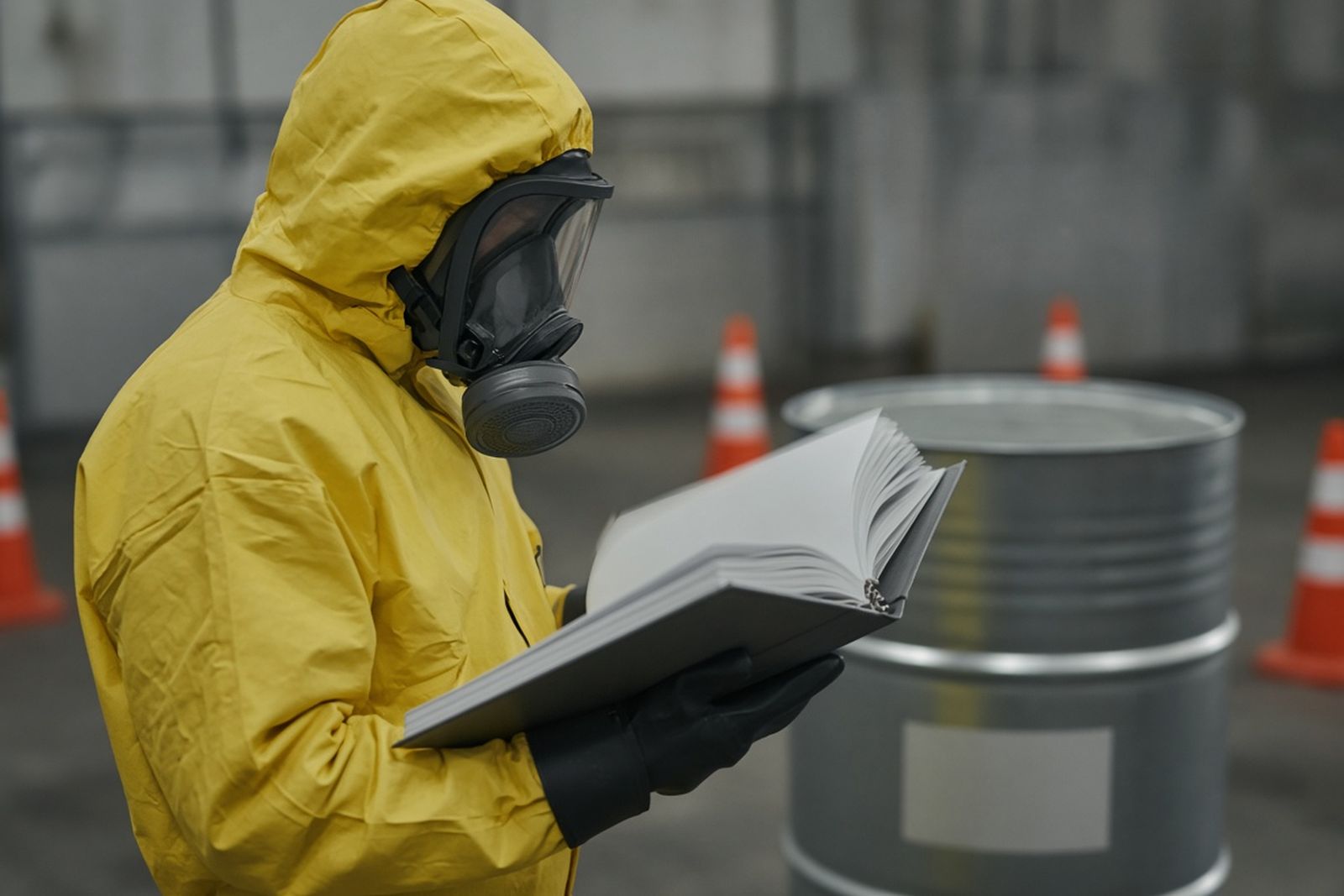
Technician in a yellow suit and respirator reading a safety data sheet binder beside a drum
Illustrative photo, not a job record. Technician in a yellow suit and respirator reading a safety data sheet binder beside a drum.
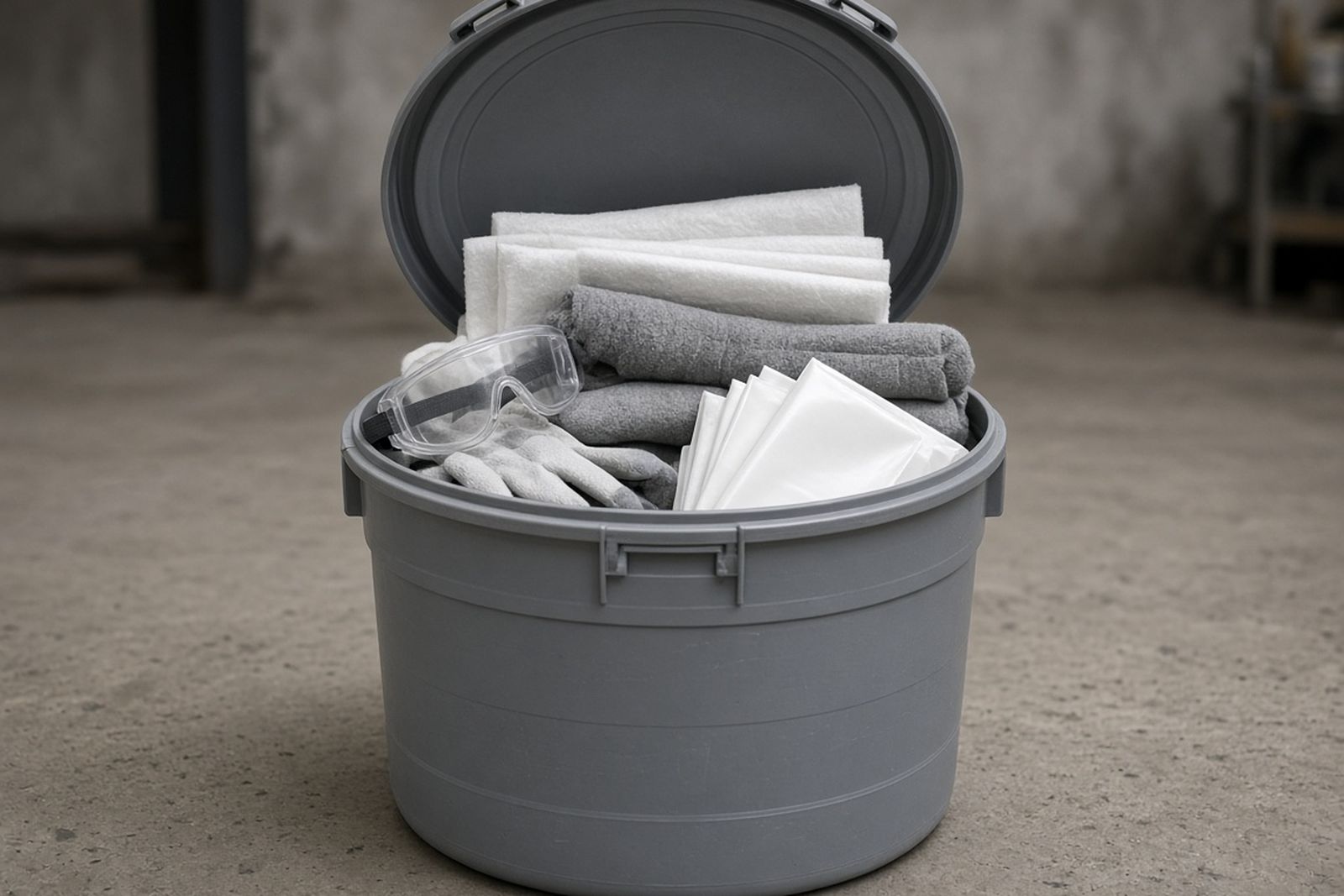
Open spill kit drum holding absorbent pads, goggles, gloves and disposal bags
Illustrative photo, not a job record. Open spill kit drum holding absorbent pads, goggles, gloves and disposal bags.

Hazmat Spill Response figures to keep in mind

National and research figures, not Orlando data. Local conditions, rules and providers vary; use these for scale and context only.

89%

89% in affected counties heard of the spill on the day it occurred.

Read with care: Self-reported behaviour; event-specific communications.

Source: Savoia et al. (2015)690 West Virginia adults surveyed online in February 2014, including affected and unaffected areas.

36.5%

36.5% overall sought medical care for odor-related symptoms.

Read with care: Reported symptoms and odor; not measured individual exposure doses.

Source: Behbod et al. (2014)204 household representatives surveyed in two distance zones, September 2012.

1.2 million per day

More than 1.2 million hazmat shipments move every day in the United States, totaling over 3.3 billion tons valued above $1.9 trillion annually.

Read with care: Secondary source; the original DOT budget document was not fetched directly.

Source: DOT PHMSA (via Wikipedia, citing PHMSA FY2023 budget estimates) (2023)United States, all modes, PHMSA FY2023 congressional justification

These figures are public research and agency data, not this network's own job records. Keep each number with its population, year and limits; none of them predicts cost, timing or outcome at a specific property.

Plan before you reach out

Use the first 24 hours planner for immediate steps and the provider vetting checklist to confirm any Orlando provider's training, insurance and waste path in writing.

What research has found

Findings from published studies of people and properties in situations like this one. They describe what researchers observed in a specific group; they are not predictions for your case.

The corresponding warning-related anxiety difference was not statistically significant.
Who was studied: 622 English respondents whose homes flooded in 2013–2014; one-year survey.Limits: Related cohort to S059; associations, not proof displacement caused symptoms.Effect of evacuation and displacement on flooding and mental health outcomes (2017)
Different faucets within one home could have different concentrations.
Who was studied: Ten West Virginia homes tested two weeks after the January 2014 spill; linked surveys and bench experiments.Limits: One contaminant/event; not a general flushing protocol or current water standard.Residential tap water contamination following the Freedom Industries chemical spill (2015)

Hazmat Spill Response community polls

Poll results

Every count is a real visitor vote; nothing is seeded or padded. One vote per poll per device, and you can change your answer.

Safety

How prepared is your site for a chemical or fuel spill right now?

No visitor votes yet
Your experience

In your most recent spill, what was the first action taken?

No visitor votes yet

Planning cleanup in Orlando?

Send a short message about the property to the follow-up inbox. A coordinator can reply by email with next steps.

Your request is sent to the follow-up inbox. A coordinator can reply by email.

If anyone is hurt or in danger, call 911 first.