Direct answer
The short answer for San Diego, CA
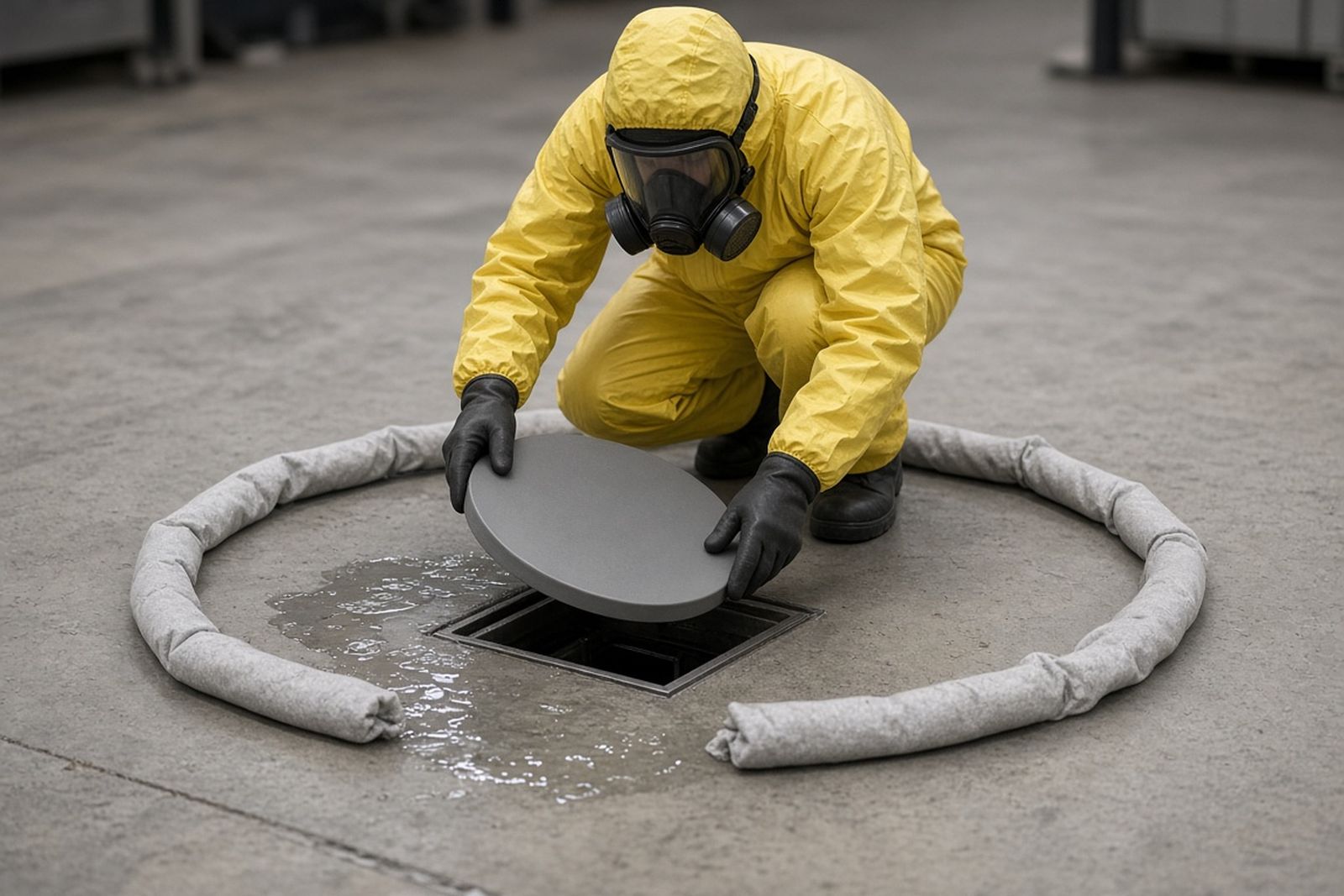
San Diego mixes canyon-rim driveways, a Mission Bay where any sheen is easy to see, hotels pushed by guest ratings, and light industrial charger rooms. Together they make a spill pattern shaped by steep ground and hospitality. This guide stresses roping off crowds and residents. It says to use the Safety Data Sheet (SDS) instead of rushed chemistry to protect guest scores. It covers filter socks at canyon (arroyo) drains and work with the County of San Diego Department of Environmental Health, which runs the local hazardous materials program (CUPA). It also covers waste files under federal hazardous waste law (RCRA), shipping rules for hauled loads, and written reopen targets. It does not claim a citywide crew map or promise arrival times.
Editorial guide · Biohazard Remediation NetworkUpdated 2026-07-22Location focus: San Diego, CA
Local planning context
Apartment decks on canyon rims, hotel campuses facing Mission Bay, and light industrial pads all create smell complaints before managers see any liquid. A spill running down an arroyo can beat one on a flat inland lot by minutes. Housekeeping teams chasing guest scores must pass chemical smells up the chain, not make up a fix overnight. Mixed contractor leftovers, generator diesel, and maintenance chemicals can react when someone asks a vendor to make it disappear before check-in. On Santa Ana wind days, garage fumes can also blow across outdoor walkways faster than managers expect.
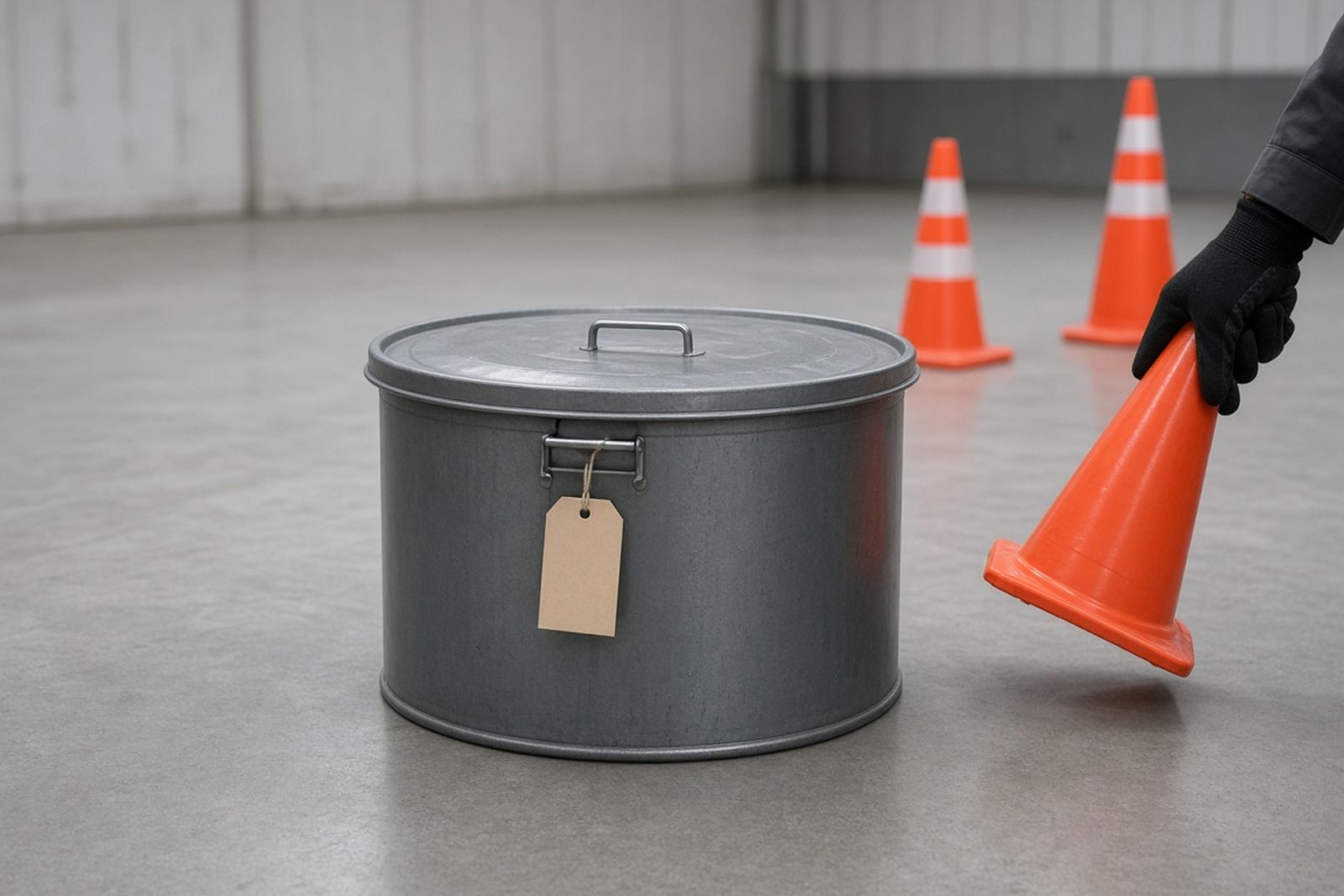
City storm drains and paths to the bay mean that rinsing a spill into the curb quickly widens the problem. Leave or shelter as directed. Touch spark sources only when it is safe and you are told to. Keep housekeeping out of roped-off decks. Hotel engineering can bring the SDS binder to the lobby for the crew. After the fire crew leaves, rules from California DTSC and San Diego County's environmental health office take over.
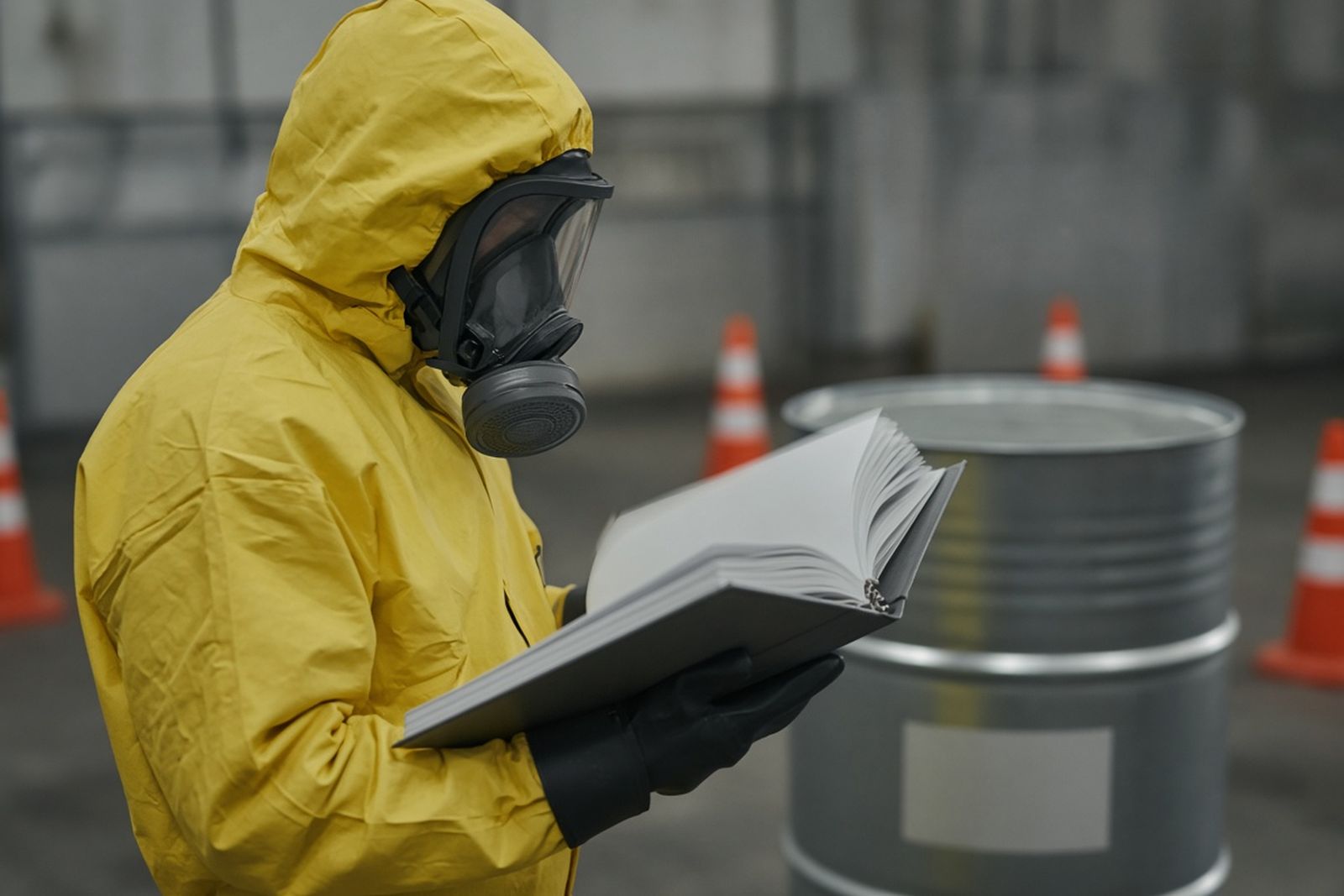
HOAs, hotel brands, employers, and industrial tenants all need the same careful files. That means the time the spill was found, photos of arroyo paths taken from a safe distance, agency reference numbers, waste test results, the waste shipping record, and reopen targets. A rush to open parking or a dock by morning never lets anyone skip checking the hazard. Think of it as a checklist in order, backed by county rules. It does not invent crew maps. Canyon drainages like Tecolote and Mission Valley deserve a sketch before any spill, showing which garage downspouts hit arroyo grates first.