Direct answer
The short answer for Southampton, NY
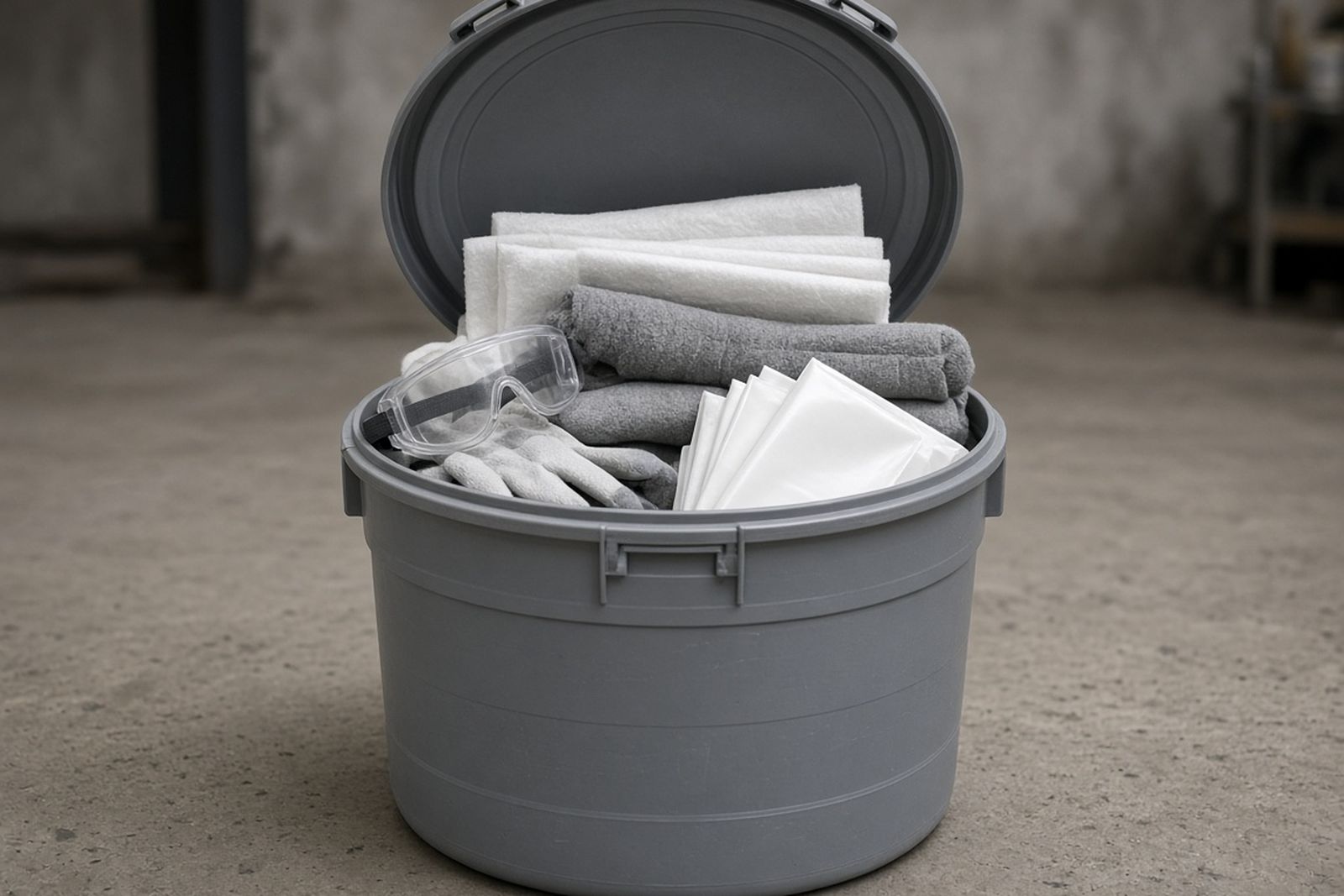
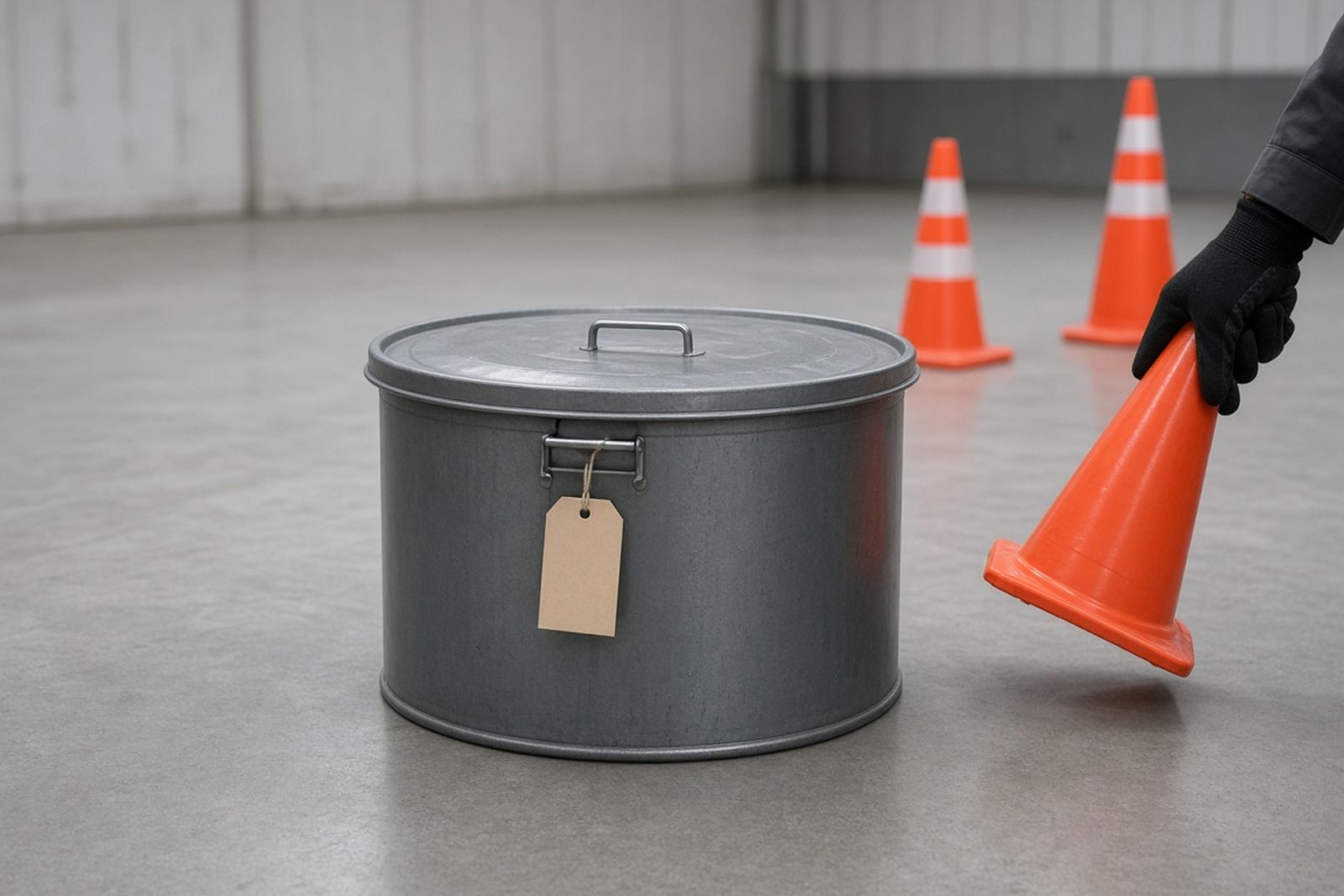
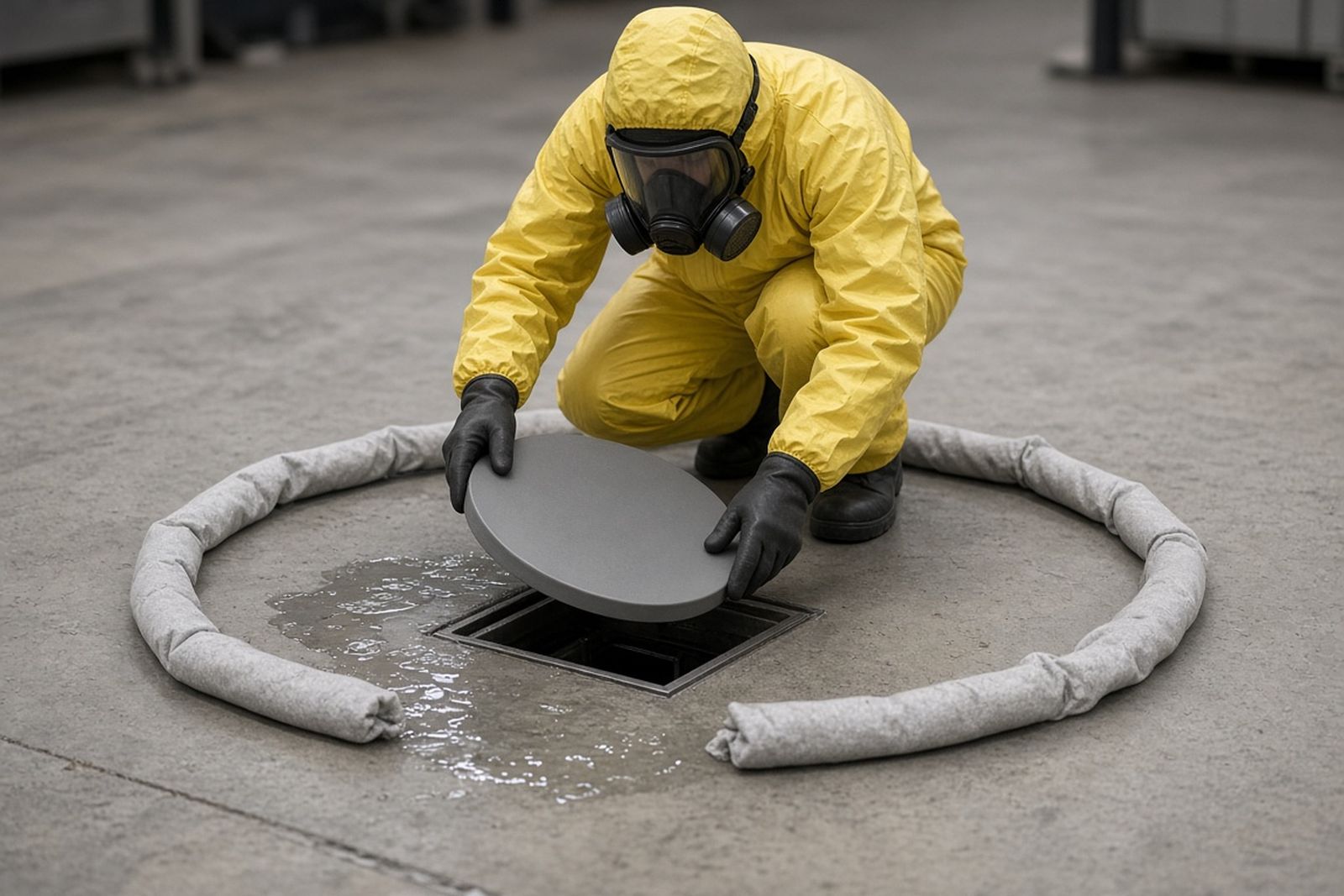
Farm-edge estates along Shinnecock Bay, spray rig sheds, irrigation pump pads, fuel stores on horse farms, and alleys behind village feed stores all see spills. They may involve pesticide concentrate, diesel, fertilizers stored near anhydrous ammonia, and unlabeled farm chemicals. Getting people clear comes first. Farm supply Safety Data Sheets (SDS) and the EPA registration numbers on labels replace old field tricks for neutralizing. Put barriers at irrigation returns and bay culverts. Work with fire officials and the state Department of Environmental Conservation (NYS DEC). Farm waste may fall under federal hazardous waste law (RCRA), so every load needs its shipping record. Keep barns and homes closed until written targets are met. No local yard, crew, or arrival time is promised on this page.
Editorial guide · Biohazard Remediation NetworkUpdated 2026-07-22Location focus: Southampton, NY
Local planning context
Working farm edges and horse properties mixed with home compounds hold chemicals that Midtown pages never see. There are backpack and boom sprayer concentrates, diesel for irrigation pumps, tack room solvents, and unlabeled totes left after a hired sprayer's visit. Field hands may notice a harsh pesticide smell, or dyed concentrate on the gravel, before anyone finds the paperwork. Stop work. Shoo kids, dogs, and horses away from the shed, then dial emergency services. Do not send a young hand to dilute the jug in the ditch.
Irrigation return ditches, plastic-lined swales, and culverts that lead to Shinnecock Bay can move watered-down product farther and faster than a dry lawn. Old habits of rinsing into potato or vineyard rows harm the environment. They are not cleanup. Get field hands and horses away from the spill. Leave the irrigation pump on or off as responders direct. Get farm supply invoices, the EPA registration numbers on labels, and SDS binders from the office truck. Do not open burst containers in the shed to find them.
Owners should keep hired sprayer names, tank mix sheets, and where the wells or irrigation intakes are in one binder for responders. Photograph dye stains and the direction of the ditches from upwind. After recovery, keep the waste test results for used absorbents and any soil dug out. Also keep air or wipe targets before barns used as living quarters reopen. A crop deadline or a horse show date never lets anyone skip ahead of those steps.