Does Insurance Cover Hazmat Spill Cleanup Costs?
Pollution exclusions decide many spill claims, so check policies early.
After a chemical or fuel spill, safety comes first. Soon after, questions follow about who pays for containment, cleanup, disposal, and any harm to neighbors. Many standard policies exclude pollution. That makes special coverage important. This guide explains which policies may apply, how to document the incident, and what to do if a claim is denied.
Get an email reply about hazmat spill response
Send a short message to the follow-up inbox. A coordinator can reply by email. This form does not send emergency help; call 911 first if anyone is in danger.
What published figures say about coverage and payment
- 8 hours
Facilities must report qualifying accidental chemical releases to the Chemical Safety Board within 8 hours; PG&E paid a $45,273 penalty in 2025 for a late report.
Read with care: Law-firm summary; applies to releases causing death, serious injury or substantial damage.
Source: EPA/CSB (via Spencer Fane) (2025)United States, 40 CFR Part 1604; first enforcement settlement July 2025
- $512 million
Tractor-trailer hazmat accidents accounted for 64 percent of all hazmat transportation damages, almost $512 million, over ten years of PHMSA data.
Read with care: Damage figures are carrier-reported estimates on Form 5800.1.
Source: PHMSA data (via CBS News) (2023)United States, PHMSA incident reports, ten-year window ending 2023
- 2.34
Insurance disputes were associated with depression (aOR 2.34; 95% CI 1.4–3.9).
Read with care: Observational and self-selected; negative-comment denominator is comments, not all insured people.
Source: McKenzie et al. (2022)521 insured, inundated-household respondents from a 2,530-person survey six months after flooding.
- 4.31
Uninsured flooded respondents had higher adjusted odds of probable PTSD (aOR 4.31; 95% CI 1.31–14.20).
Read with care: Observational; some estimates imprecise; same wider cohort as S060. Depression estimate has a very wide confidence interval.
Source: Mulchandani et al. (2019)851 flood-affected/disrupted English respondents surveyed two years after 2013–2014 flooding.
- $540.23 million per year
EPA estimated monetized damages from RMP facility accidents at $540.23 million per year, including $454.58 million in on-site property damage.
Read with care: EPA notes many accident costs, such as responder costs, are not required to be reported.
Source: EPA (2024)United States RMP facilities, 2016-2020 baseline
- 8 / 24 hours
Emergency responders at the first-responder operations level require at least 8 hours of training, and hazardous materials technicians at least 24 hours.
Read with care: Competency, not just hours, is the regulatory test.
Source: OSHA (2024)United States, 1910.120(q)(6)
These figures are public research and agency data, not this network's own job records. Keep each number with its population, year and limits; none of them predicts cost, timing or outcome at a specific property.
Which insurance policies may respond to a hazmat spill?
Pollution liability insurance is sometimes called environmental impairment coverage. It is made for spills and releases of harmful substances. It may cover cleanup costs and claims from other people. Many businesses buy it as a separate policy or as an add-on, called an endorsement. That is because standard general liability and property policies often exclude pollution. Its terms, limits, and triggers vary a lot, so the details matter. Ask for sample policy wording before you buy.
Business auto and fleet policies may pay when a spill involves a vehicle. But pollution coverage under those policies can be limited. Business property policies may cover damage to buildings in some cases. Workers' compensation covers employees who are hurt or exposed during the incident. For homes, a homeowners policy may pay for some sudden, accidental releases. But many exclude pollution, including some fuel oil leaks.
What exclusions most often affect spill claims?
The pollution exclusion is the most common roadblock. Many general liability and property policies exclude damage from pollutants that are spilled, released, or escape. The meaning of pollutants can be broad. Some policies give back limited coverage for sudden, accidental releases found and reported within a short time. Others give no such exception. If there is an exception, read its wording closely.
Other common exclusions include slow leaks, problems that existed before the policy began, fines and penalties, and damage to your own property under liability coverage. Underground storage tanks may be excluded or covered only by special policies. Read the exclusions and add-ons carefully. Ask your broker to explain in writing how each one would apply to the kind of spill your business could really have.
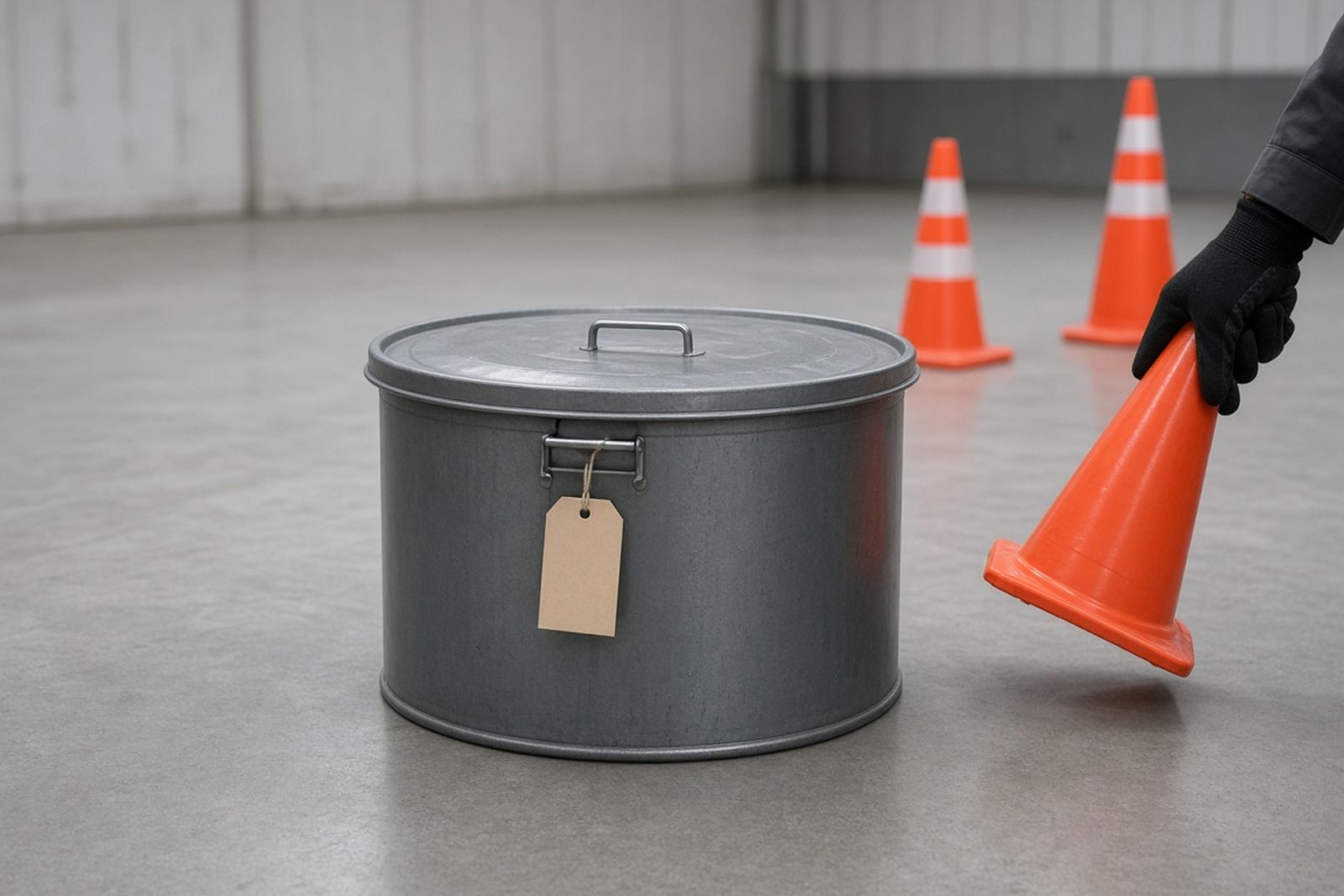
How does worker training relate to your coverage?
Insurers and regulators both care whether responders were properly trained. OSHA's 2024 guidance says general hazardous waste site workers must finish at least 40 hours of off-site HAZWOPER training. HAZWOPER is the federal safety training for hazardous waste work. They also need three days of supervised field experience. Hiring a contractor that can prove this training helps show the response was handled responsibly. Ask your contractor for copies of training certificates for the crew that responds.
Your own employees may be expected to respond to spills. If so, ask your broker how their training and role affect your workers' compensation and liability coverage. Untrained staff who try to clean up can get hurt, make spills bigger, and raise harder questions from adjusters. Keep training records, spill plans, and equipment inspection logs where you can find them fast after an incident. Review them at least once a year with your safety team.
How should you document a spill for an insurance claim?
Once people are safe, start recording what happened. Take photos and videos of the spill, the source, the affected areas, and any containment. Note when the spill was found, the material, the rough amount, and everyone who responded. Keep safety data sheets, shipping papers, and any reports from fire departments or environmental agencies. Write down the weather and wind direction too.
Ask your response contractor for daily field logs, waste test results, the waste shipping records, air test results, and an itemized bill. These records show what was done, why it was needed, and where the waste went. Tell your insurer as early as you can. Many pollution policies require quick reporting, and late notice can cause coverage problems. Store copies away from the affected site.
- Photos and video of the spill and containment
- When it was found, the material, and the rough amount
- Safety data sheets and shipping papers
- Agency and fire department reports
- Contractor logs, waste shipping records, and test results
How can you work effectively with adjusters after a spill?
Several insurers may be involved. This is more likely if a trucking company, a tenant, or a nearby business shares the blame. Tell each insurer about the others, and share papers quickly. Ask adjusters whether they want to visit the site or approve a contractor before longer-term cleanup begins. Emergency containment usually cannot wait, but later phases often can. Take photos before each phase starts.
Keep a detailed log of every call and email, with names, dates, and what was agreed. If an adjuster questions a cost, ask your contractor to explain in writing why it was needed. They can use test results or waste profiles as support. Clear, organized communication cuts down on misunderstandings. It helps each insurer understand its share of the loss. Save written approvals in the claim file.
What options do you have if a spill claim is denied?
Ask for the denial in writing, with the exact policy wording it relies on. Check whether the pollution exclusion has an exception for sudden, accidental releases. Check whether a different policy or add-on may pay instead. More evidence may change the outcome on a second look. One example is a timeline showing the release was sudden. Look closely at how the policy defines a pollutant and a release.
You can ask for a supervisor review, send new records, or file a complaint with your state insurance department. Disputes over environmental coverage can be complex. For large losses, a lawyer who handles insurance or environmental matters may help. Rules vary by state and county. Check deadlines and steps with the local authority before you act. Keep copies of everything you send.
Are there other ways to fund spill cleanup?
Another party may have caused the spill, like a trucking company, supplier, or contractor. Then you may be able to get costs back from that party or its insurer. Contracts with vendors and tenants may have indemnity terms that shift who pays. Keep your bills and records in order so you can make a clear demand for repayment if needed. Demand letters should include copies of bills and a clear summary.
Some states run funds that help pay for certain kinds of cleanup, like leaks from petroleum storage tanks. Who qualifies and what is offered vary. Public agencies may handle the emergency response in some cases. They may later seek repayment from the responsible parties. Contact your state environmental agency to ask whether any programs may apply to you. Do this before you assume you must pay for everything yourself.
How can you prepare your coverage before a spill happens?
Start with an honest list of the chemicals and fuels you store, use, or ship. Share it with your broker. Ask directly whether each policy would pay for a release of those materials on your site, during delivery, or on the road. If a pollution policy is suggested, compare how different insurers define a covered release. Compare how quickly each says you must give notice.
Next, line up your spill plan with your insurance. Keep your contractor contact, broker contact, and claim reporting steps in the same binder or digital folder staff use in an emergency. Review contracts with trucking companies, suppliers, and tenants for insurance and indemnity terms. Looking at these papers again at each renewal can reveal gaps while there is still time to close them.
Keep the claim organized
Hazmat Spill Response insurance claim organizer
A checklist to keep the claim orderly. It stores nothing on our servers; copy the summary to your own notes.
0 of 18 steps recorded (0%)
Print or paste the summary into your own records. Coverage is the carrier's decision under the policy; keep every answer in writing.
Open the full tool page for a worked example and more answers.
What research has found
Findings from published studies of people and properties in situations like this one. They describe what researchers observed in a specific group; they are not predictions for your case.
Severe insurance-related stress was associated with probable depression, anxiety and PTSD.
The depression association persisted after adjustment for flood severity.
Insurance questions about hazmat spill response
Does general liability insurance cover a chemical spill?
Often it does not. Many general liability policies have a broad pollution exclusion. Some include a limited exception for sudden, accidental releases that are found and reported quickly. Businesses that handle chemicals or fuel often buy separate pollution liability coverage. Review your policy with your broker. Then you will know what would happen before a spill occurs.
Will homeowners insurance cover a heating oil tank leak?
It depends on the policy and the facts. Many homeowners policies exclude pollution or slow leaks. Some exclude fuel oil leaks by name. Coverage may be available through an add-on or a separate tank policy. Some states also run cleanup funds for certain tank leaks. Contact your agent and your state environmental agency to learn what options may apply to your home.
How quickly should I report a spill to my insurer?
As soon as you reasonably can, after making sure people are safe. Many pollution policies require quick notice. Delays can make coverage harder to get. Report the spill even if you are not sure it will be covered. You may also have separate duties to report to government agencies, depending on the material and amount. Check with your environmental agency.
Does business auto insurance cover a fuel spill from my truck?
Business auto policies may cover some cleanup and damage to others from a vehicle spill. But pollution coverage under these policies can be limited or excluded. For this reason, companies that haul hazardous materials often carry extra coverage. Review your policy wording with your broker. Confirm which costs, like cleanup and cargo, would be covered.
Are employees injured during a spill covered?
Workers' compensation usually covers employees who are hurt or exposed while working, including during spills. Report injuries and exposures right away. Make sure affected workers get a medical exam quickly. Keep records of the material, the exposure, and any treatment. Coverage details depend on your state and your employer's policy terms. Ask your employer for copies of the incident records.
What if a tenant caused the spill on my property?
Your lease may require the tenant to carry insurance and to cover your costs for damage they cause. Tell your own insurer and the tenant quickly. Ask for the tenant's certificate of insurance. Record the spill and cleanup fully. Depending on the facts, both your policy and the tenant's policy may be involved. So share information with both adjusters.
Can I choose my own spill contractor if I file a claim?
In an emergency, you usually need to act fast to contain the spill. You can call a qualified contractor right away. For longer-term cleanup, some insurers want to review or approve the contractor and the plan first. Ask your adjuster early about any preferences or rules. Keep records that show why your contractor's steps were needed.
What other visitors said
Every count is a real visitor vote; nothing is seeded or padded. One vote per poll per device, and you can change your answer.
How prepared is your site for a chemical or fuel spill right now?
In your most recent spill, what was the first action taken?
More on hazmat spill response
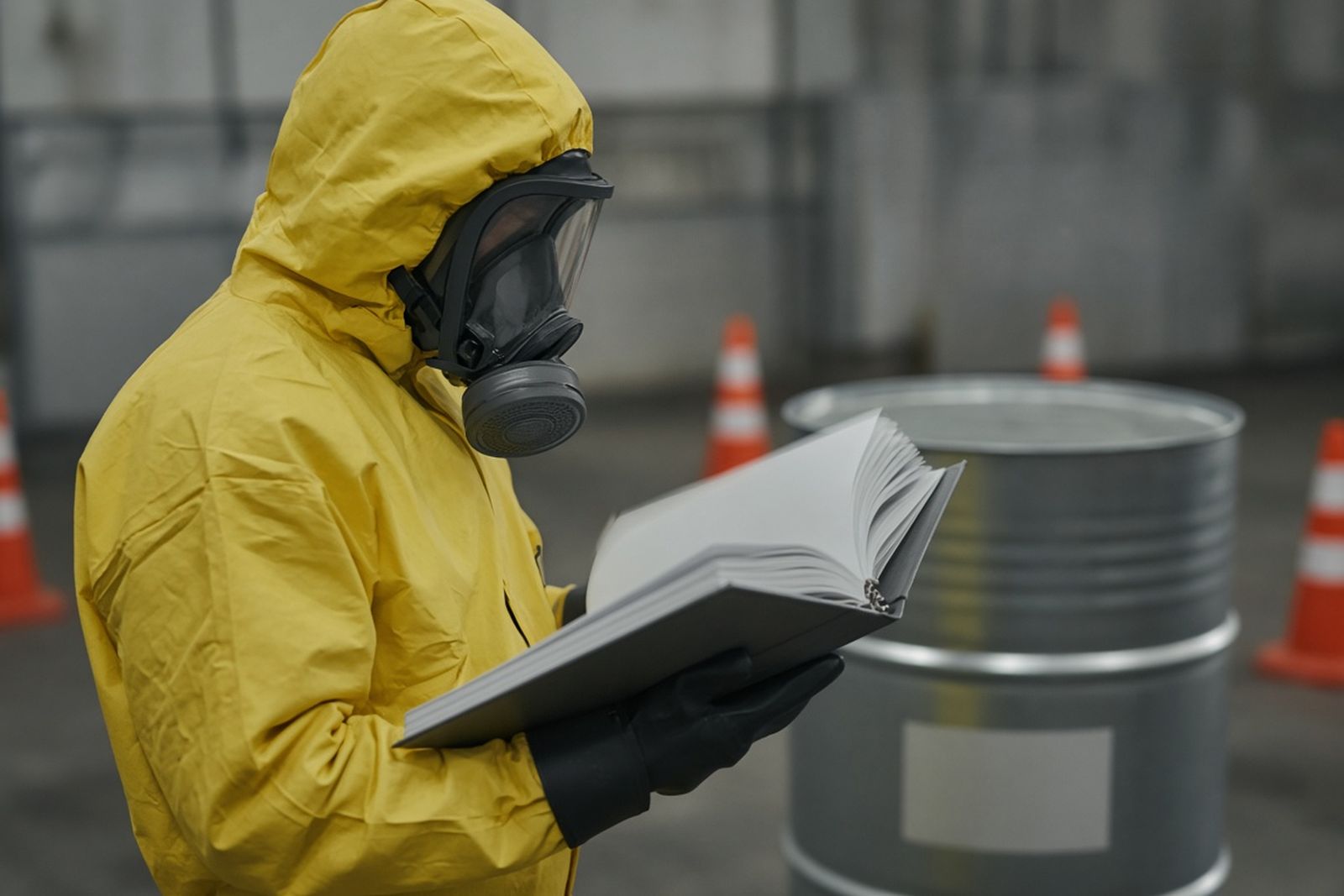
Hazmat Spill Response services
Learn how spill response works for chemicals, fuel, oil, and unknown products. It runs from closing off the area and reading the SDS to waste disposal and reopening.
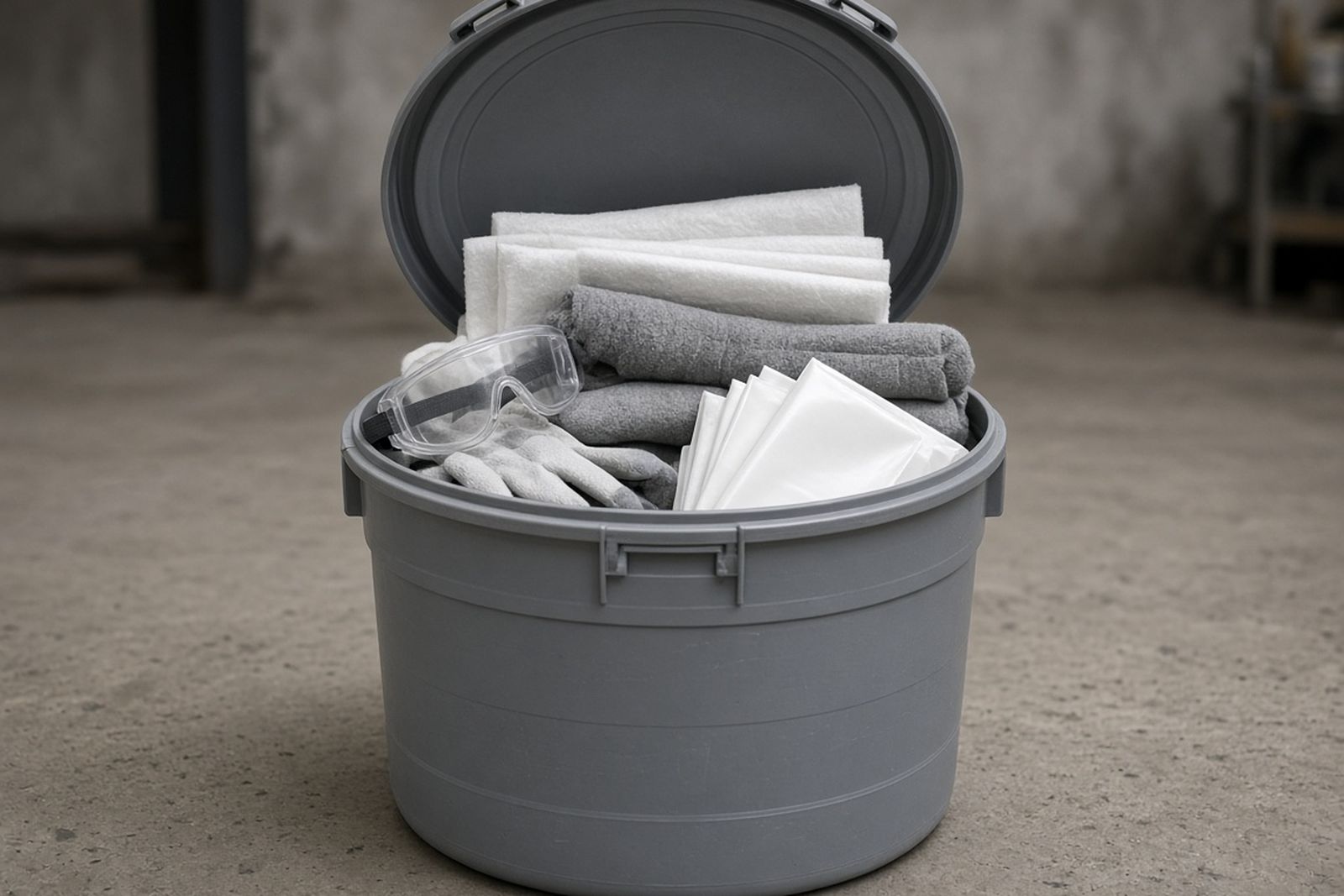
Costs explained
What drives the price, published cost ranges, and how to read a written quote line by line.
Planning tools
Hands-on planners help you order the first day, judge staff risk, check contractors, sort spill waste, and organize a claim.
Community polls
Compare your spill planning and response choices with facility, fleet, and property managers who faced similar spills and learned from them.
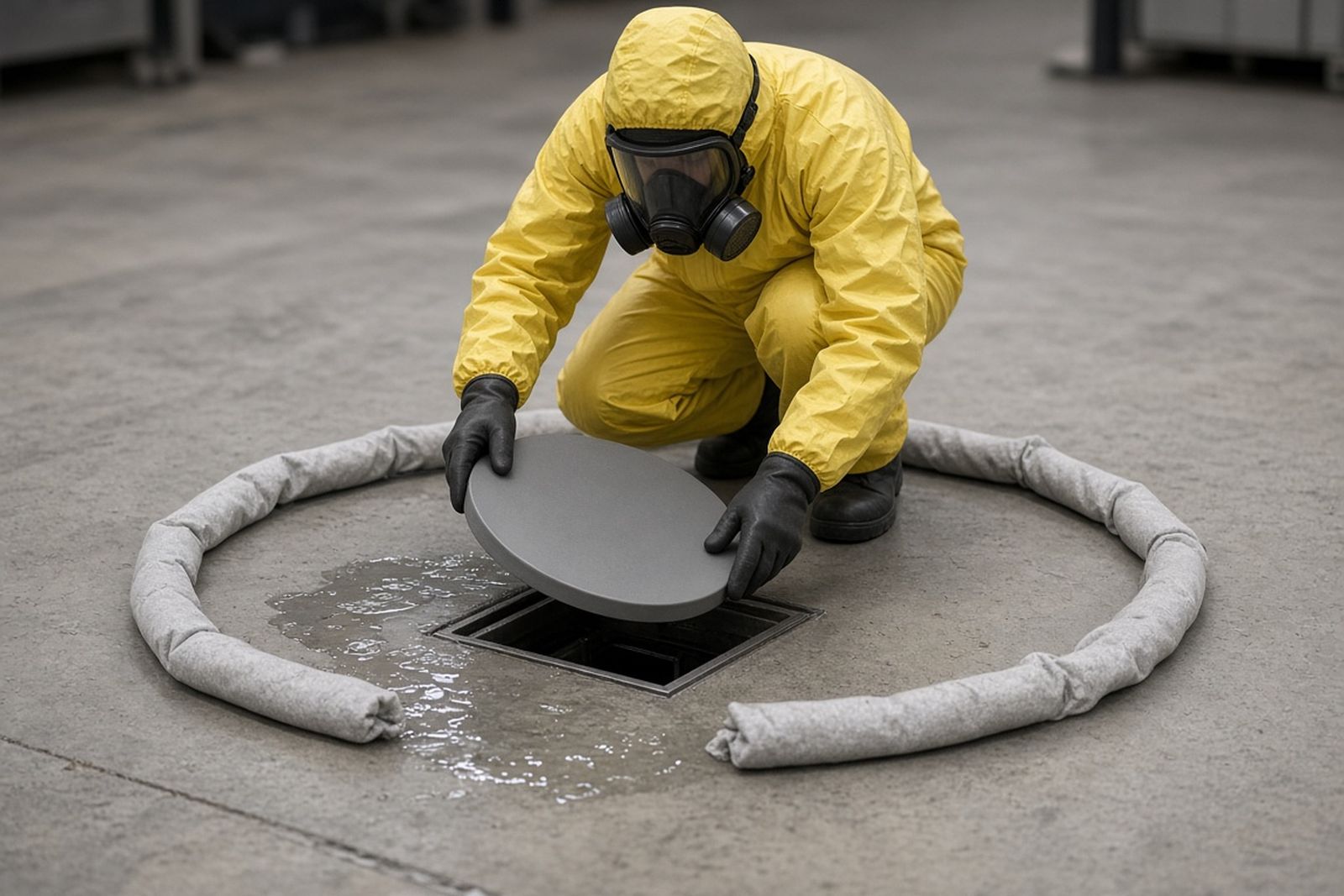
Knowledge quiz
Check what you know about spotting hazards, who is in charge, containment, cleanup, waste, and records with a short quiz for managers.
Articles and resources
Useful articles on spill kits, guarding storm drains, battery spills, and who must report. Learn to build a spill file that holds up when an insurer or agency checks it.
City guides
Find learning resources and spill response contractor listings for your state, county, and city. See which agencies handle spill reports there, too.