South · US

Hazmat Spill Response in Coral Gables, FL

Planning hazmat spill response in Coral Gables, FL

Coral Gables hazmat spill response for managed properties, podium garages, and landscaping yards, with an SDS archive and call tree ready in advance. This is planning guidance, not a claim of a local office or crew in Coral Gables.

Get an email reply about hazmat spill response

Send a short message to the follow-up inbox. A coordinator can reply by email. This form does not send emergency help; call 911 first if anyone is in danger.

Tell us what you need help with. Share a short description; please leave out medical details, access codes, and other sensitive information.

A request does not confirm a booking. For immediate danger, contact local emergency services.

Or email info@prompartybuses.com

Direct answer

The short answer for Coral Gables, FL

Coral Gables is a high-value city in the Miami area. Its homes, properties near the campus, and managed buildings can all face fuel, solvent, pesticide, or unknown spills. Each one needs the area closed off and storm drains guarded. Trained pros identify the product, often with the help of a Safety Data Sheet (SDS), and the waste is fully written up. This guide is about planning and paperwork. Handling the chemical is left to trained crews.

Editorial guide · Biohazard Remediation NetworkUpdated 2026-07-22Location focus: Coral Gables, FL

Local planning context

Coral Gables has close to forty-nine thousand people. It mixes historic home streets, managed apartment and condo buildings, institutions, and commercial edges within the Miami metro. Spills may show up in parking garages, maintenance shops, landscaping yards, or home remodels. Managed buildings are common here, so written steps for passing a problem up the chain matter. Those steps are simple: close off the area and call emergency services. Never send a cleaning vendor into chemical fumes.

South Florida storm drains and sudden, heavy rain can move product from a pad into drains fast. A mystery product in a Gables garage is a job for trained crews to sort out. SDS binders in the management office help if you can get them without exposure. In a podium garage below condos or stores, fuel vapor collects near the floor. Fans and cars must be tightly controlled there. Safety matters more than any reopening schedule for the pool or gym.

Insurers and boards will expect photos, agency numbers, waste test results, the waste shipping record, and clear targets for checking the work. Even at costly homes, federal hazardous waste and transport rules apply when regulated waste leaves the site. Write down the cleanup checks before you call common areas or units ready. Do not use air freshener as proof a space is clear after solvent or fuel fumes.

Property considerations

Property managers should keep an up-to-date SDS file for known maintenance chemicals, plus a phone tree for passing spill calls up the chain.

Podium garages and trench drains need a plan for covering drains before anyone even thinks about washing with water.

Landscaping contractor staging areas often hold half-used, unlabeled containers. Leave them where they are during a spill.

Blocks near the campus or other dense streets may need a wider closed area, working with the fire department.

Shared air systems and hallway air pressure can move fumes between units. Using fans needs a hazard review first.

Boards should split emergency spill work from routine cleaning orders in vendor contracts.

Response-planning framework

Management-led isolation and emergency notification

Close the affected areas, clear people out as directed, and call emergency services for unknown products, fumes, or a spreading spill. Meet responders with keys and SDS binders. Keep residents and reporters away from the danger zone. Do not send porters to mop up a chemical spill.

SDS-informed methods selected by trained responders

Labels and the SDS tell crews which absorbents and cleaning steps are safe. Unknown products get sorted in the field first. Residents and staff never neutralize anything. Maintenance chemicals that react badly together often share garage shelves in Coral Gables. Assume there is a risk until a pro checks.

Stormwater protection and Florida agency coordination

Put barriers at trench drains and street inlets early, most of all before rain. Coral Gables Fire and, when required, state environmental staff handle reports. If a release is big enough, a federal call to the National Response Center (NRC) could be required too. Log the amounts recovered and the flow paths you saw.

Waste shipping records and verification for reopening amenities

Spent materials are tested and logged on the waste shipping record. Keep the hauler and disposal site records. Set air test or sample targets before garages, gyms, or units reopen. File the results with board and insurance records.

Documentation checklist

  1. 1A list of affected units and common areas, with the times each was closed
  2. 2Photos of drains, parking levels, and where the product sat
  3. 3Pages from the SDS binder, or product lists, handed to responders
  4. 4Every case number: Coral Gables Fire first, then Florida DEP and, if called, the National Response Center (NRC)
  5. 5What crews did to hold the spill, and their recovery estimates
  6. 6Lab profiles of the spent absorbents and each signed waste shipping record
  7. 7Air test or sample reports used for re-entry
  8. 8Resident notices and filings with the insurer or broker

Official resources

Questions for this location

How should Coral Gables property managers escalate a chemical spill ticket?

Treat chemical smells, fuel sheens, unknown powders, or leaking containers as emergencies, not routine work orders. Close off the area. Keep the air system from spreading fumes when your rules and safety allow. If anything is fuming, unidentified, or on the move, get emergency services on the phone. Tell the on-call manager, and share any SDS details you know. Do not send cleaning vendors to neutralize or mop. Meet the fire department with keys and product papers. Once the fire crew has the scene under control, bring in a spill team trained under OSHA's hazardous waste and emergency response rule. They hold the spill, recover it, pack the waste, and check the work. Write down every step for the board and insurers. Vendor contracts should spell out this path so night staff are not making up chemistry on the spot. Coral Gables has many managed buildings, so clear rules help keep people safe.

What stormwater mistakes are most common in Miami-metro parking structures?

Common mistakes include washing spills into trench drains, and using fans that push fumes through garage levels. Another is bagging fuel-soaked absorbents for regular dumpsters. Heavy rain can also flush loose absorbent into drains if it was staged poorly. The right order is to close off the area and let trained crews name the product with the SDS. Then crews block the drains, recover the product, test the waste, and check the air before reopening. Photograph where the drains are for the file. Florida environmental officials may step in when product leaves the garage. Managers can keep drain covers on hand as a planning step. They should still forbid untrained staff from handling chemicals. Storm drain mistakes turn a contained spill into one that must be reported, with more liability.

Why must unknown substances be handled differently from labeled maintenance chemicals?

When a product has a label and an SDS, crews can pick the right absorbent and protective gear faster. Unknown products need a wider closed area, air testing, and field checks before any hard cleanup. Staff must not open unknown containers to see what they are, or mix them with cleaners. Wrong guesses can cause heat, toxic gas, or fire. In Coral Gables maintenance rooms, half-used containers from one vendor after another often lose their labels. Treat those as unknowns. Share any purchase records you have, then stay out of the danger zone. Naming the product is a job for pros, and it decides the method and waste codes. Pressure to reopen the pool or gym never justifies home chemistry. Note that the product was unknown when found, so responders are not handed a wrong name.

What waste records should boards keep after a building spill response?

Keep the waste test results, a list of containers, and the hauler's license details. Add the signed waste shipping record, disposal site names, photos of the packed waste, and the SDS copies used for testing. Add agency report numbers and air test clearance results. Store it all with insurance notices and resident messages. Regulated used absorbents are not normal trash. The waste shipping record proves they went to the right place. Federal transport rules apply when loads travel on public roads. Coral Gables boards should refuse to close out a job without the paperwork, even if the floors look clean. If soil or drain line cleaning creates more waste, track each type on its own. A missing file can cause rule and claim problems months later during a sale, a refinance, or an audit.

When can a garage or amenity reopen after fuel or solvent vapors?

Garages and amenity rooms reopen once an air-quality expert or responder has written down the air targets and the readings meet them. No visible liquid is not enough in a closed garage where fumes pool. The air handlers that serve the hallways should be checked in case they carried fumes upstairs. Write down who approved reopening, and keep the meter results. If smells or symptoms come back, close the space again and check again. Air freshener, ozone machines, or airing out without a plan do not clear a space. They may even spread fumes that burn. Coral Gables boards should post reopen notices that point to the test results, not to convenience. The waste shipping record should already be on file before normal traffic resumes. Reopening is a safety decision, not a sales timeline.

Do historic homes in Coral Gables need special care after a spill?

Older materials such as coral rock, original tile, and plaster can soak up fuels and solvents differently from modern finishes. Hard scrubbing may damage them. Let trained responders handle the emergency first. Afterward, ask the cleanup team how they will treat these porous historic surfaces, and whether any materials need to be removed. If your home is under local historic review, check with the city before replacing features. Photograph surfaces before and after the work for your records.

How do summer downpours affect a spill in a Coral Gables parking area?

Afternoon storms can push a small sheen from a garage ramp or surface lot into drains within minutes. If a spill is happening and rain is coming, call for help early and tell responders about the forecast. Do not try to wash the area before the storm hits. Covering a drain or placing sandbags is a choice for trained crews once they know the product. Note the weather and timing for your records.
Contact

Get help by email

Send a short message for an email reply about hazmat spill response planning questions for the Miami area.

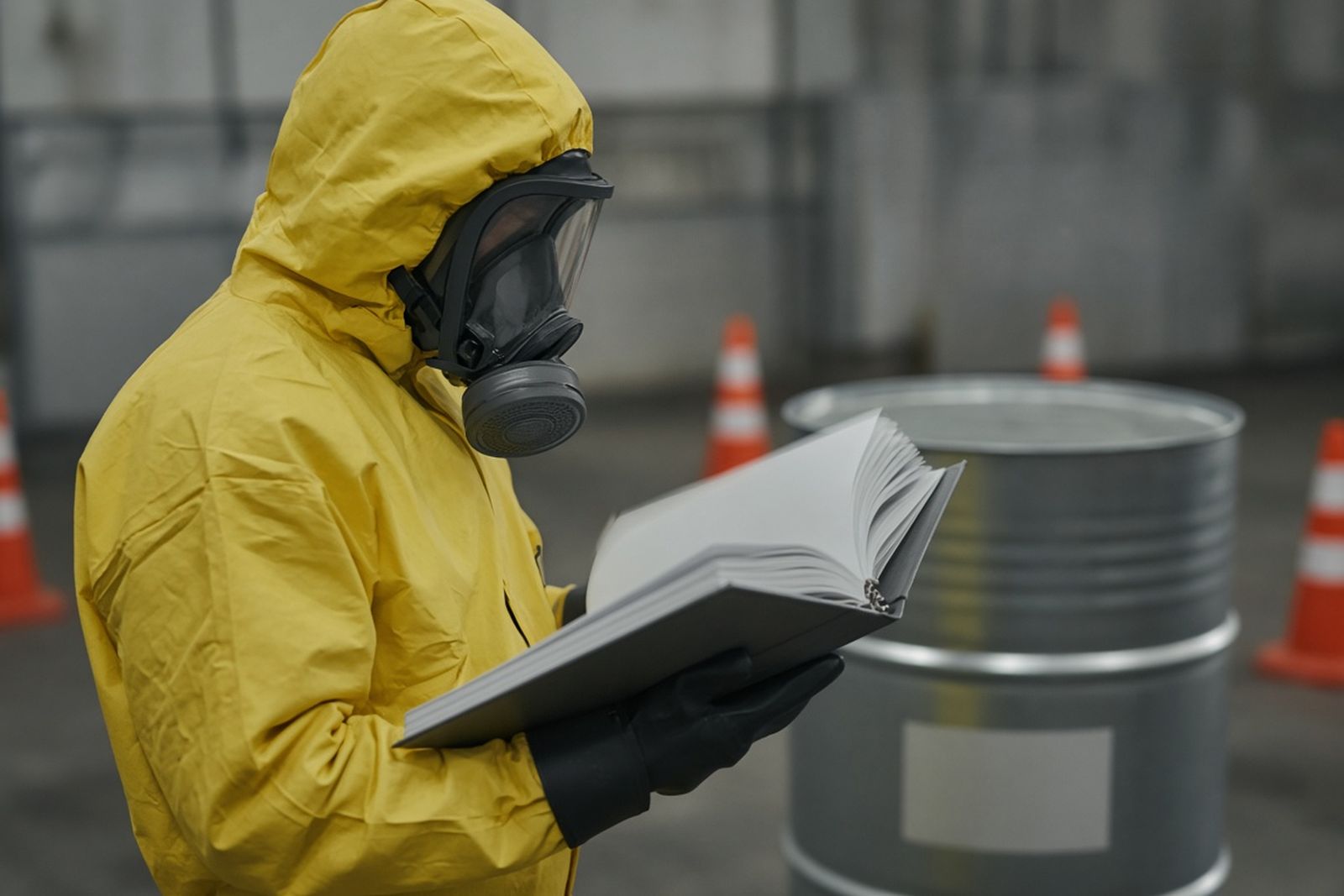
Technician in a yellow suit and respirator reading a safety data sheet binder beside a drum
Illustrative photo, not a job record. Technician in a yellow suit and respirator reading a safety data sheet binder beside a drum.
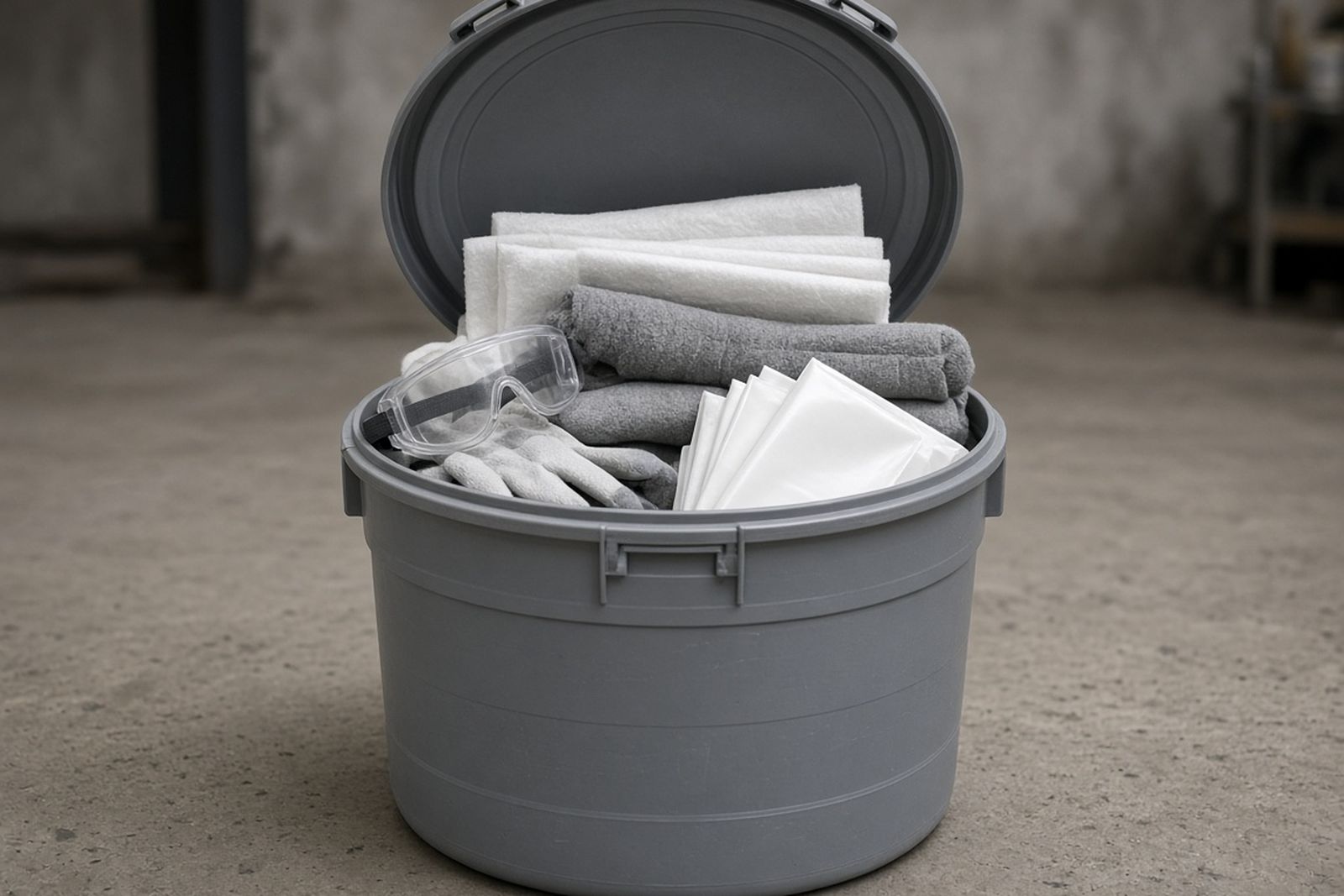
Open spill kit drum holding absorbent pads, goggles, gloves and disposal bags
Illustrative photo, not a job record. Open spill kit drum holding absorbent pads, goggles, gloves and disposal bags.

Hazmat Spill Response figures to keep in mind

National and research figures, not Coral Gables data. Local conditions, rules and providers vary; use these for scale and context only.

10,000 more filings

PHMSA received about 10,000 more hazmat incident filings in 2022 than in prior years after moving to electronic reporting.

Read with care: Reflects reporting changes as much as real incident growth.

Source: PHMSA statement (via Data Liberation Project) (2023)United States, PHMSA Form 5800.1 filings, 2022

97.9%

97.9% in the nearer zone recalled mercaptan odor versus 77.6% in the farther zone.

Read with care: Reported symptoms and odor; not measured individual exposure doses.

Source: Behbod et al. (2014)204 household representatives surveyed in two distance zones, September 2012.

46

The Chemical Safety Board received 46 accidental release reports in the three months ending November 2025, the first time its three-month average exceeded 14 events per month.

Read with care: Short window; CSB attributes part of the rise to better compliance.

Source: U.S. Chemical Safety Board (via Safety+Health) (2025)United States, CSB-reportable releases, Sept-Nov 2025

These figures are public research and agency data, not this network's own job records. Keep each number with its population, year and limits; none of them predicts cost, timing or outcome at a specific property.

Plan before you reach out

Use the first 24 hours planner for immediate steps and the provider vetting checklist to confirm any Coral Gables provider's training, insurance and waste path in writing.

What research has found

Findings from published studies of people and properties in situations like this one. They describe what researchers observed in a specific group; they are not predictions for your case.

Survey and medical reports described adverse effects associated with flushing.
Who was studied: Ten West Virginia homes tested two weeks after the January 2014 spill; linked surveys and bench experiments.Limits: One contaminant/event; not a general flushing protocol or current water standard.Residential tap water contamination following the Freedom Industries chemical spill (2015)
Delayed insurance assessments were described as obstructing timely remediation.
Who was studied: 521 insured, inundated-household respondents from a 2,530-person survey six months after flooding.Limits: Observational and self-selected; negative-comment denominator is comments, not all insured people.Insurance Issues as Secondary Stressors Following Flooding in Rural Australia (2022)

Hazmat Spill Response community polls

Poll results

Every count is a real visitor vote; nothing is seeded or padded. One vote per poll per device, and you can change your answer.

Safety

How prepared is your site for a chemical or fuel spill right now?

No visitor votes yet
Your experience

In your most recent spill, what was the first action taken?

No visitor votes yet

Planning cleanup in Coral Gables?

Send a short message about the property to the follow-up inbox. A coordinator can reply by email with next steps.

Your request is sent to the follow-up inbox. A coordinator can reply by email.

If anyone is hurt or in danger, call 911 first.