Direct answer
The short answer for Naples, FL
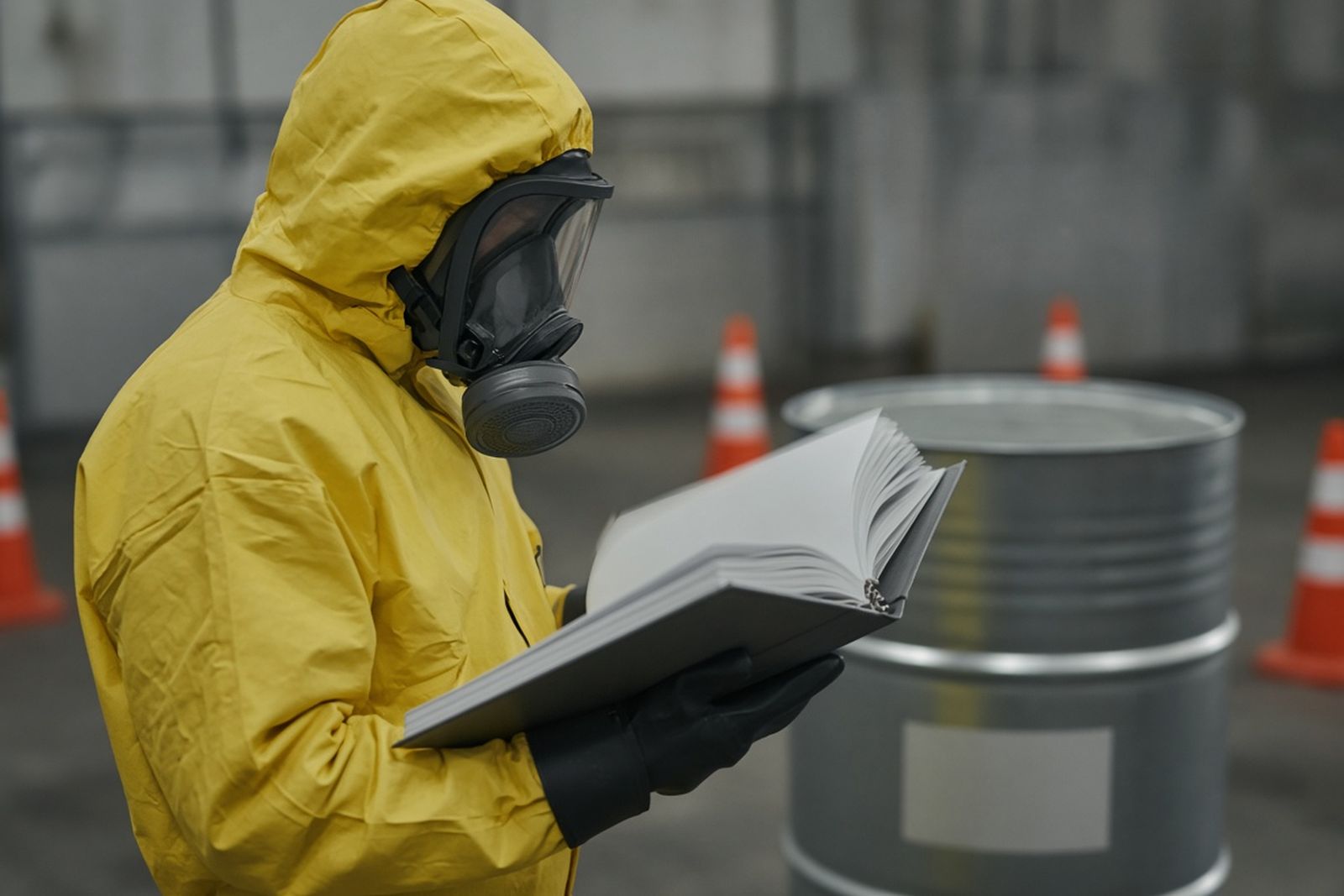
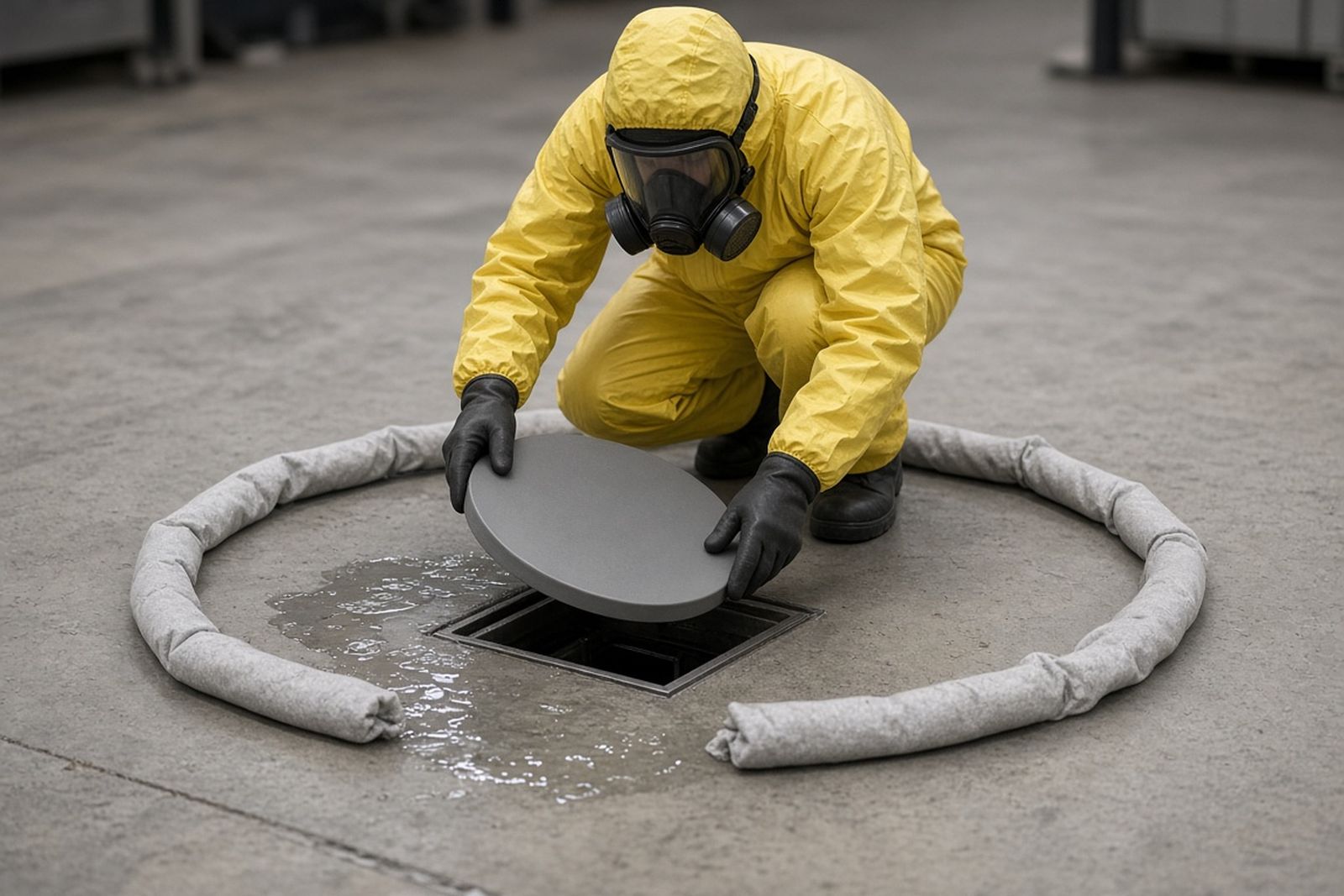
Port Royal bulkheads, fuel islands at the edge of Rookery Bay, back kitchens on Fifth Avenue, and estate pool houses all see spills. Gulf diesel transfers, faded pesticide jugs, restaurant degreasers, and unlabeled remodel totes are common, and mangrove roots make it hard to place booms. People and spark control come first. Managers keep Safety Data Sheet (SDS) packets indoors, since salt ruins jug labels. Stop product from reaching the Gordon River and Naples Bay before squalls hit. Collier County and the Florida Department of Environmental Protection (DEP) may need notice. Federal hazardous waste law (RCRA) may shape how pads are tested. Guest suites reopen only on written air targets.
Editorial guide · Biohazard Remediation NetworkUpdated 2026-07-22Location focus: Naples, FL
Local planning context
Southwest Florida waterfront estates and village shops have a spill pattern unlike port container yards. Low Port Royal bulkheads hold private diesel day tanks. Rookery Bay kayak launches sit beside fuel islands. Fifth Avenue kitchens store degreasers above alley trench drains. Seasonal turnovers leave unlabeled glues in pool houses. Gatehouses often radio about a fuel smell on the cart path before any drum print survives the salt. Move people off the pad, leave carts and boats shut down, and call emergency services. Grounds crews must not scrape crusted cans under the palms while fumes linger.
Shallow mangrove creeks and tidal channels feeding the Gordon River and Naples Bay can carry a sheen under the prop roots within minutes of a hose rinse. County and state staff handle the notices if fuel reaches the water. Follow fire officials on whether to shelter or leave. Keep Safety Data Sheets in air-conditioned management offices, because paper on the dock gets moldy and the print peels within one Gulf season.
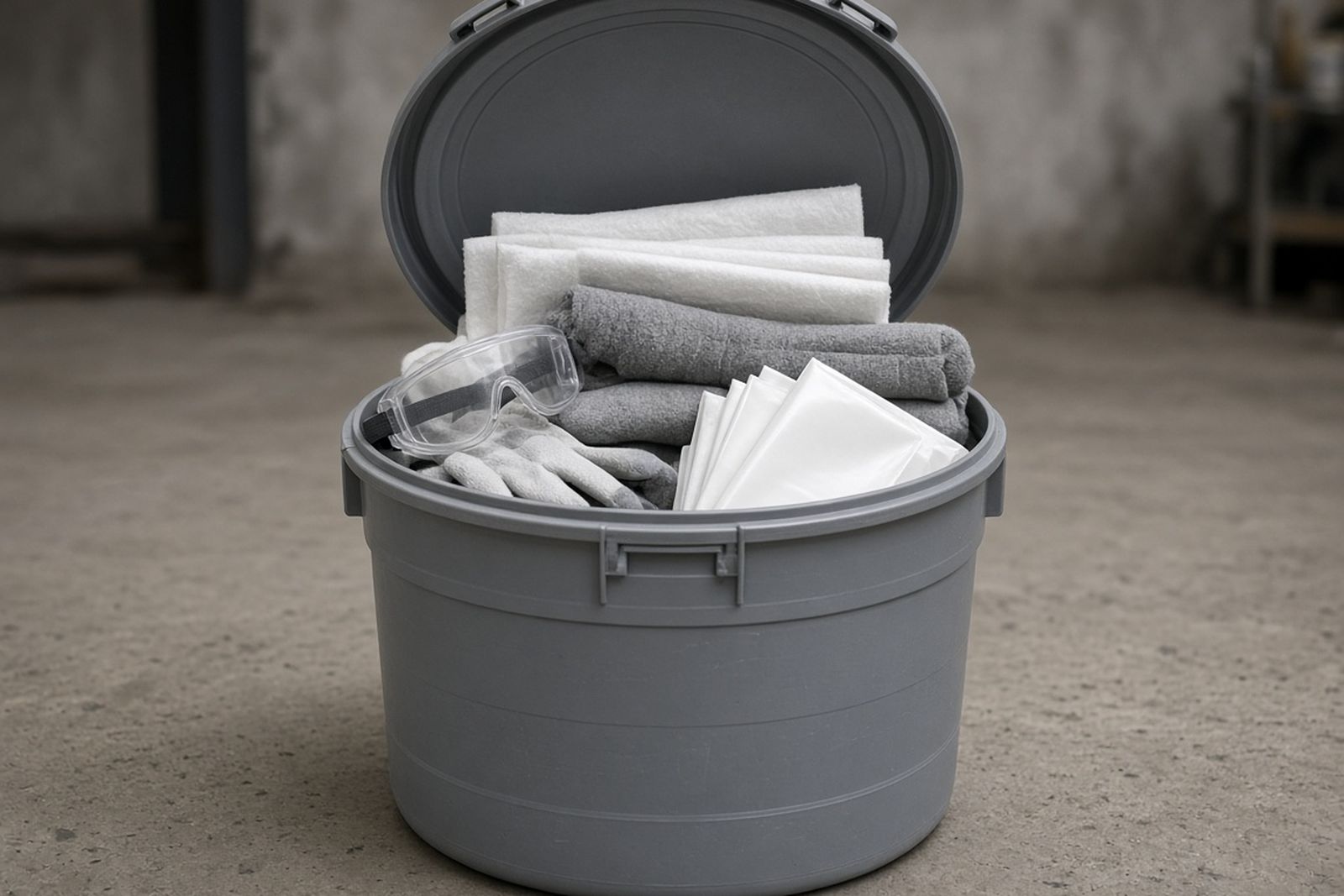
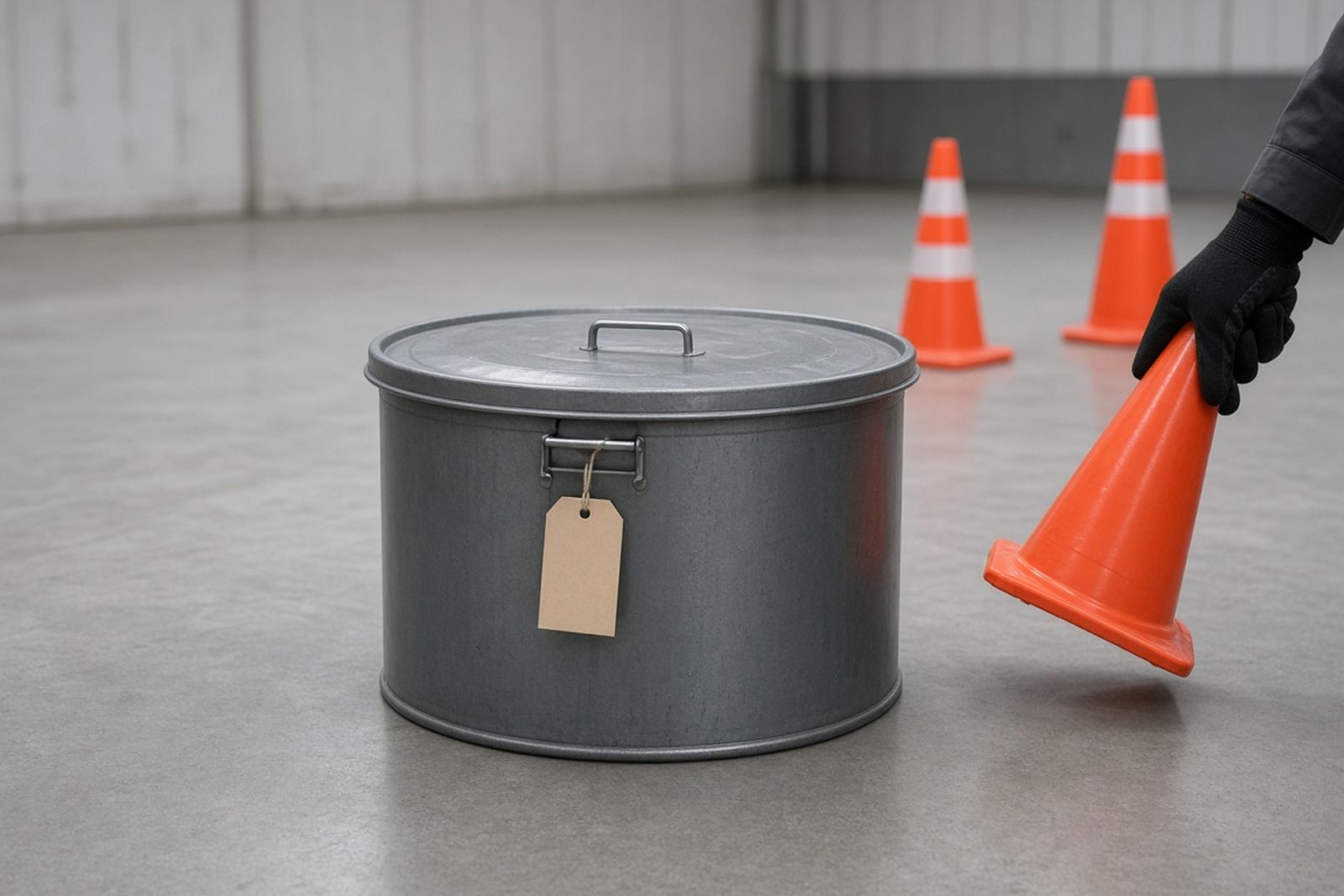
Associations, yacht clubs, and estate managers should agree on roles ahead of time. Who locks the cart gates? Who opens the seawall ladders for boom work? Who meets fire trucks away from beach access lines? Before the afternoon squalls, photograph from a safe landing which way the sheen is heading toward inlets. After recovery, keep the waste test results, the signed waste shipping records for used pads, and reopen targets that fit the hazard before guest wings or locker rooms reopen. Peak season crowds never change the order: close it off, name the product, hold it, ship it legally, and clear it in writing.