If heating oil or generator fuel spills in a Darien garage, what is the first priority?
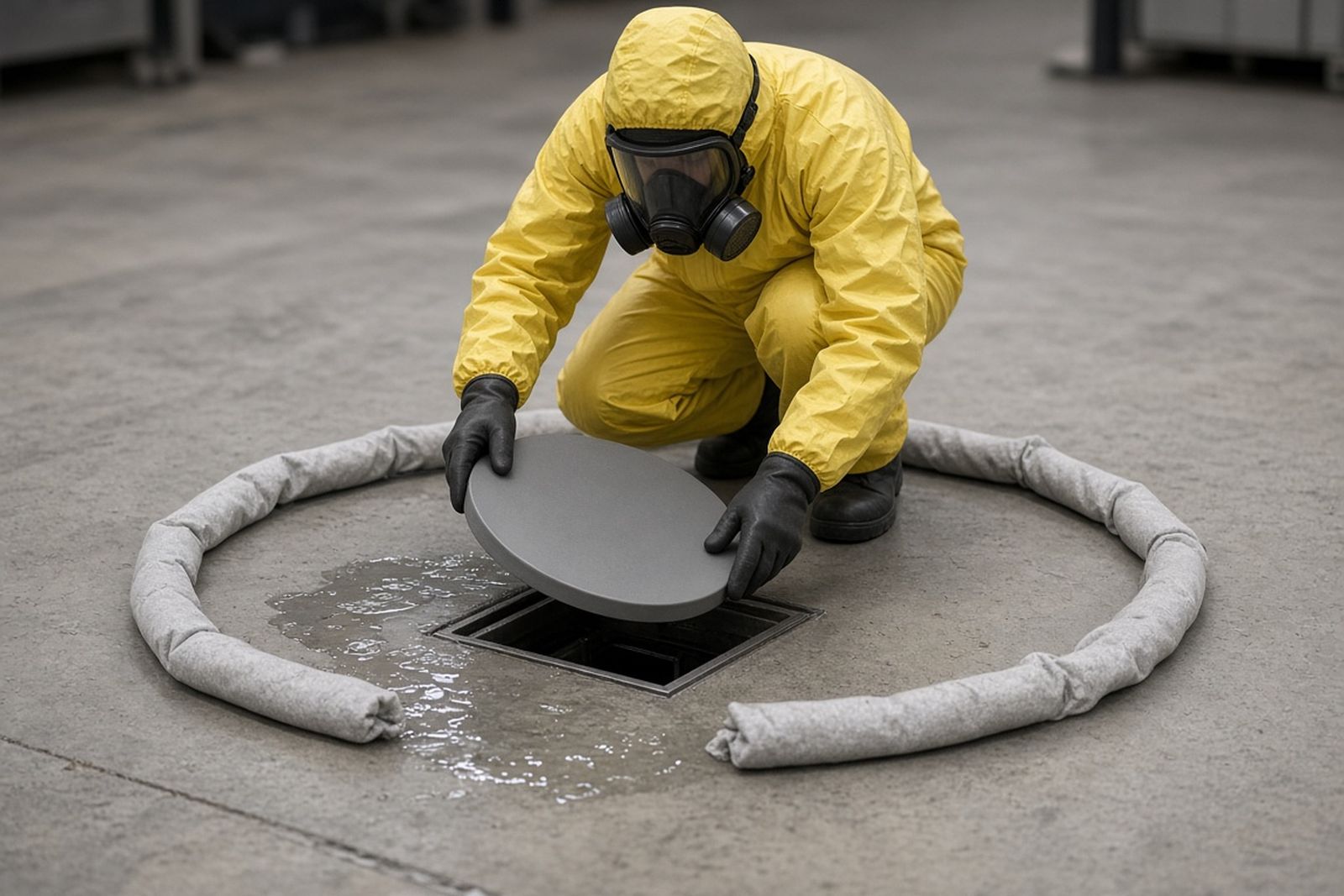
Protect people, and let emergency crews guide how sparks and flames are controlled. Leave the space if fumes are strong. Do not let anyone start a car in the spill. Call emergency services. Do not mop fuel into a floor drain or catch basin. Once you are safe, share any SDS or product papers for the fuel. Trained crews hold the spill, protect storm water, recover the product, and handle absorbents as regulated waste when required. Keep basement doors shut if fumes are spreading. Darien's suburban catch basins make drain protection urgent. Cleanup and checks come after safety and holding the spill, not before. Never treat fuel as a simple oil stain to be cleaned.
Why shouldn’t caretakers neutralize unknown chemicals on estate properties?
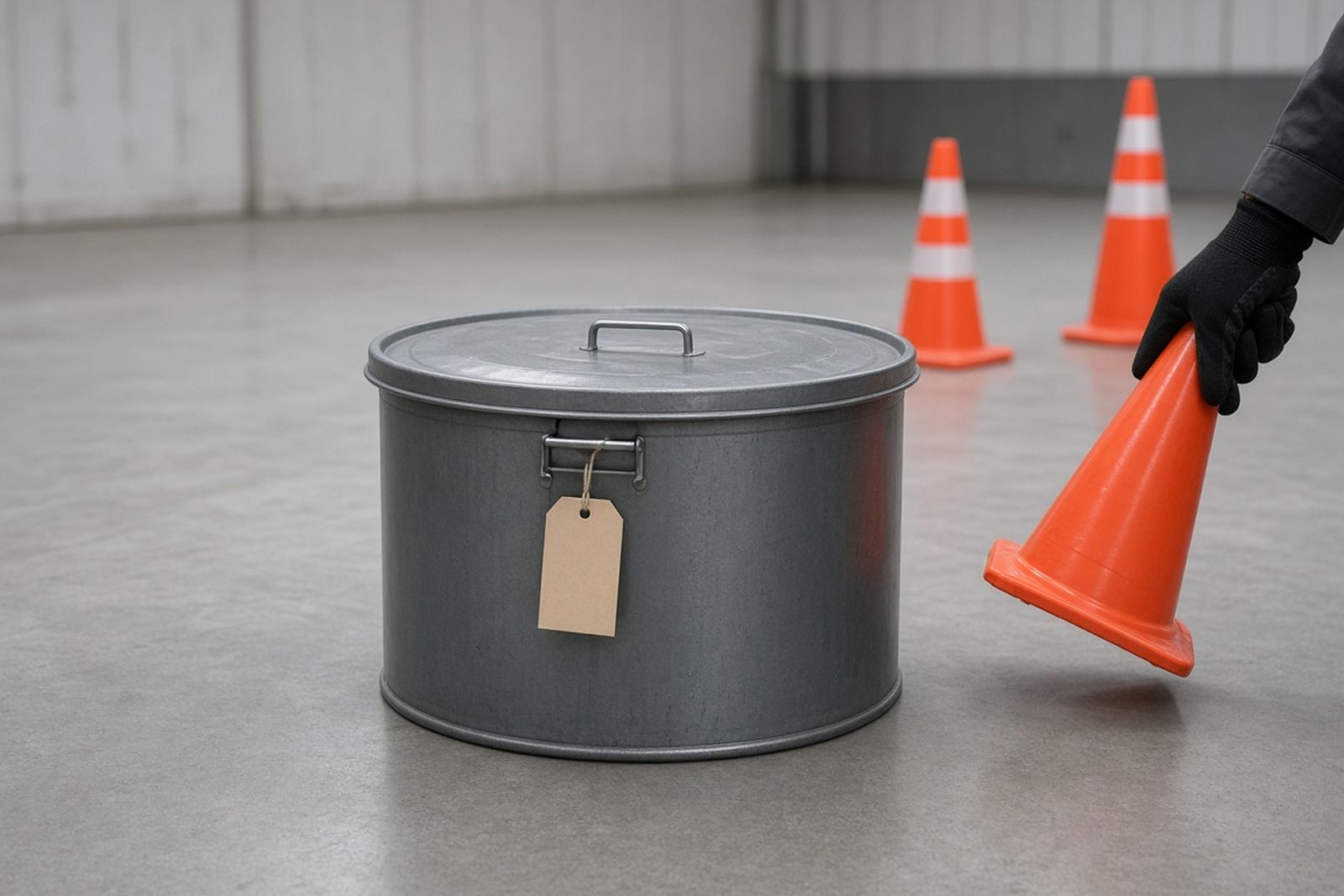
Neutralizing a product you cannot name can make heat, toxic gas, or fire. Household acids, bases, oxidizers, and solvents are often stored together in outbuildings. Caretakers do not have the OSHA hazardous waste and emergency response training, air meters, or the right protective gear for an unknown spill. A caretaker's role is simpler: rope off the spot, phone for help, and hold on to any labels or papers. It is not to do chemistry. The wrong product can also ruin floors and create even more waste. Costly Darien estates follow the same safety order as any workplace. Trained crews name the product from the SDS or label, and then they choose a method. Written caretaker rules should ban home-made neutralizing. They should require an emergency call for any spill beyond a tiny drip of a known, truly harmless product that gives off no fumes. When in doubt, call.
How do stormwater rules affect a driveway spill in Darien?
Driveway runoff often reaches street catch basins that connect to larger drain systems. Pushing product off the pavement can turn a small spill on a pad into an environmental release you must report. Barriers and matching absorbents stop the spread once crews know what the product is. Take photos of the flow paths from a safe distance. Tell officials as directed when product enters drains. Depending on the material and amount, Connecticut environmental agencies and the federal National Response Center (NRC) may need a report. Questions about insurance do not put reporting duties on hold. Keep estimates of how much was recovered. Guarding storm water is a core step in suburbs near New York City with many catch basins. In the rain, Darien's sloped driveways can carry product to the curb faster than owners expect.
What does lawful waste disposal look like after residential spill response?
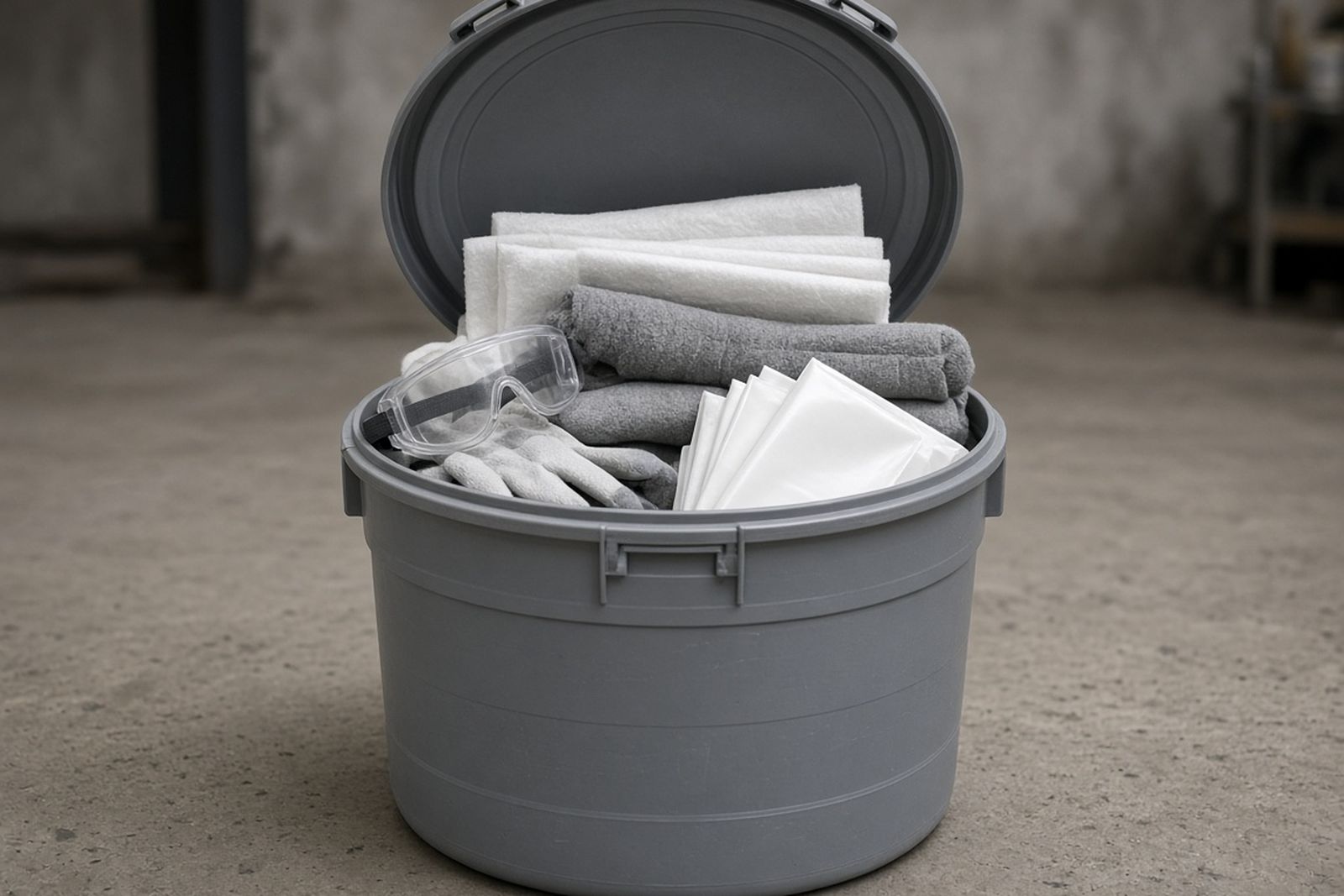
Used absorbents and recovered liquids are checked against the rules for hazardous waste. When they are regulated, they are packed, labeled, and hauled with the waste shipping record to an approved facility. They are not normal household trash. Keep copies of the test results and shipping records. You may later use a town household hazardous waste drop-off for other leftover products. Do not mix that up with the emergency spill waste that already shipped. Federal highway transport rules may also apply. Darien property files should keep these papers with photos and SDS copies. Missing disposal records hurt both rule-following and claims, even when the floors look fixed. Ask for the disposal site names in writing before any load leaves the driveway.
When can a family return to rooms affected by solvent or fuel vapors?
Go back after trained crews, and any air-quality experts, set targets for that type of chemical and those targets are met. Air tests are often part of this. No visible liquid is not enough when soft materials or air ducts were involved. Air freshener cannot replace air testing. Write down who approved going back in. If headaches, stinging eyes, or smells return, leave and have the space checked again. Finished basements, common in Darien homes, may need extra care because fumes settle low. Close out any agency conditions. Moving back in depends on the test results, not on a contractor's schedule. Rugs, fabrics, and other soft items that soaked up product may need to go, even after air readings improve. Keep the written clearance with the waste shipping record. Then the home file shows why the return was approved.
Our Darien basement still smells of heating oil after a delivery overfill. Is that an emergency?
Treat it as urgent if the smell is strong, anyone feels dizzy or sick, or you see oil on the floor. Get people out, stay away from switches and furnace controls, and call emergency services. If there is only a faint smell that lingers and no liquid, call your oil company. Ask them to send trained staff to inspect, and let your insurer know. Do not run a shop vacuum, pour cleaners on the floor, or rinse oil toward a sump or floor drain.
How do Connecticut winters affect spill response on a Darien property?
Cold weather changes a few things. Frozen ground and snowbanks can hide where oil or fuel has gone. Icy driveways make it harder for crews to set up. A closed-up house traps fumes, so a smell can build in a finished basement. During a thaw, salt and meltwater carry residue toward curb drains faster. Keep your driveway clear enough for a truck. Know where your oil tank and fill pipe are. Call for help early instead of waiting for spring.