South · US

Hazmat Spill Response in Tampa, FL

Planning hazmat spill response in Tampa, FL

Tampa FL port and Channelside spill planning: freeze yard gates, trailer SDS support, berm Hillsborough Bay paths, FDEP notice, garage reopen records. This is planning guidance, not a claim of a local office or crew in Tampa.

Get an email reply about hazmat spill response

Send a short message to the follow-up inbox. A coordinator can reply by email. This form does not send emergency help; call 911 first if anyone is in danger.

Tell us what you need help with. Share a short description; please leave out medical details, access codes, and other sensitive information.

A request does not confirm a booking. For immediate danger, contact local emergency services.

Or email info@prompartybuses.com

Direct answer

The short answer for Tampa, FL

Tampa's port approach aprons, Channelside podium tanks, Ybor warehouse renovations, and Davis Islands marina slips see marine diesel, battery fluid, glues from the old cigar district, and unlabeled overnight drums. Yard gates and rail crossings slow fire trucks. Safety leads. Safety Data Sheet (SDS) packets kept in site trailers replace chemistry by porters. Put barriers on paths to Hillsborough Bay and the Ybor Channel. Expect Hillsborough County staff, and possibly the Florida Department of Environmental Protection (DEP), to ask for a report. Port apron pads can be regulated waste under RCRA. Stacked garages reopen on written air targets.

Editorial guide · Biohazard Remediation NetworkUpdated 2026-07-22Location focus: Tampa, FL

Local planning context

Port and waterfront towers on Florida's west-central coast make a different mix than Gulf condo cart paths. Yards on the container approach hold marine fuel residue. Channelside podiums keep day tanks above stacked valet parking. Ybor renovations leave glue stocks in brick warehouses. Davis Islands slips move diesel next to home docks. Security may report a fuel smell at the freight door while labels go unread. Security clears the area and calls 911. Nobody walks into the fumes to snap a photo of a label. List escorts for yard gates and rail crossings ahead of time.

Hillsborough Bay outfalls and Ybor Channel storm lines raise the stakes once product leaves a pad. A quick hose-down before work can send product toward Hillsborough Bay and into state or federal reporting. Follow fire officials on whether to shelter. Garage exhaust stays as is until Tampa Fire Rescue decides. Pull the contractor SDS from the trailer, since heat and salt wipe the print off the apron's drums.

Landlords near the port and Channelside boards should agree on roles. Who freezes which garage levels? Which curb inlets stay off-limits? Who walks engines through the badge-only yards? Before an afternoon storm rolls in, photograph where the sheen is heading. Cruise and stadium calendars never flip the order: name the product, hold it, ship it legally, and clear it in writing.

Property considerations

Rail crossings at port yards delay fire trucks unless escorts are named ahead of time.

Stacked Channelside decks can pull day tank fumes into elevator shafts.

Ybor brick warehouses hide trench drains under renovation debris.

Davis Islands marina slips put diesel next to wooden home docks.

Battery cabinets that bake in a Tampa summer can leak acid near fuel tanks.

Cleaning contracts in Channelside towers should say plainly that porters do not handle chemical spills.

Response-planning framework

Close the yard gate and stop valet movement through sheen

If the port apron has an unknown liquid, people are coughing, or the film is growing, move workers and walkers away and dial 911. Do not aim shop fans at elevator banks.

Trailer SDS packets replace hallway bleach experiments

The dockmaster or Ybor site foreman should carry product sheets out to the arriving engine. Field checks cover the gaps. Absorbent choices wait until the product is known. Overnight porters never neutralize unknowns on port docks.

Hillsborough Bay and channel berms with Florida DEP

Bay-bound grates near the port get covered first, after the product is named. Runoff or soaked soil may bring in county or state environmental staff. Fuel moving down the Ybor Channel may also call for a National Response Center (NRC) report.

Lobby and garage restart waits on multi-tenant air criteria

Channelside lobbies and valet decks reopen only after written air targets are met for the product that spilled, because podium garages can push fumes into elevators. Condo hallways stay closed until those readings clear them. The Channelside board keeps a copy of each lab profile and trucking paper for the pads.

Documentation checklist

  1. 1Photos of the sheen compared to curb inlets that drain to Hillsborough Bay or the channel
  2. 2Ybor renovation SDS and purchase lists gathered without opening drums
  3. 3Yard escort names and a timeline of fire notices
  4. 4Tampa Fire Rescue and state case numbers
  5. 5Barrier notes, absorbent types, and amounts recovered
  6. 6The waste shipping record for drums leaving the tower or marina
  7. 7Air results that allowed the lobby or garage to reopen
  8. 8Dates the marina, tower, or warehouse told its pollution-liability carrier or risk manager

Official resources

Questions for this location

A Channelside day-tank overflows into a valet lane as a stadium crowd arrives. First moves?

Shut the valet lane, keep residents and cars out, and dial 911. Do not hose toward a bay outfall ahead of rain. Hand over tank tickets and the SDS from facilities. Game day traffic may slow the engine. That is still no reason for valets to clean it up.
Why store SDS in a trailer when drums sit on a port apron?

Heat, salt, and wear erase labels within a season, so trying to read them on the apron fails in an emergency. Field checks still cover total unknowns. Sniffing near the port is no help, because bay wind mixes the odors.

A summer storm builds and solvent film points at a channel inlet. Speed-rinse?

No. A storm can wash it straight into the bay and add state and possibly federal reports. Once the product is known, trained crews put up barriers and soak it up ahead of the drains to the bay. Someone photographs the flow direction from a safe spot. Cruise pressure never justifies rinsing.

Which papers should an owner of a brick Ybor warehouse keep once the spill is cleaned?

Keep the waste shipping records, the product sheets from the renovation crew, Tampa Fire Rescue case numbers, and the air readings that cleared the building. Brick warehouses in Ybor can hold smells in their old masonry, so note which rooms were tested. Plan any later soil work near the slips or aprons apart from the emergency shipping papers.

A Tampa condo smelled of generator diesel all night. When can owners move back in?

Once air targets set for that fuel are met, and the elevator shafts above the valet stack that may have pulled up fumes have been checked. Opening the slider to the bay breeze does not count as a test. Log who approved it and the readings. If owners still feel irritation, the units stay closed.

How should Tampa homeowners prepare generator fuel before hurricane season?

Store fuel in approved, labeled containers in a detached shed or an outdoor spot. Keep it away from the house, the water heater, and anything that sparks. Buy only what you expect to use, and rotate old fuel. Never run a generator in a garage, on a lanai, or under an open window. After a storm, check stored cans and the generator for leaks before using them. If you smell fuel inside the house, get everyone out and call emergency services.

What should Tampa residents do if they see a sheen on the water near Davis Islands or Bayshore?

Stay back from the seawall edge, and keep children and pets out of the water. Do not try to scoop up a sample. If the sheen is large, spreading, or has a strong fuel smell, call emergency services and name the nearest cross street or marina. For a small, fading film, you can report it to state or county environmental staff. A photo taken from a safe spot and the time you saw it help them follow up.

Contact

Get help by email

Send a short message for an email reply about hazmat spill response planning questions for the Tampa Bay area.

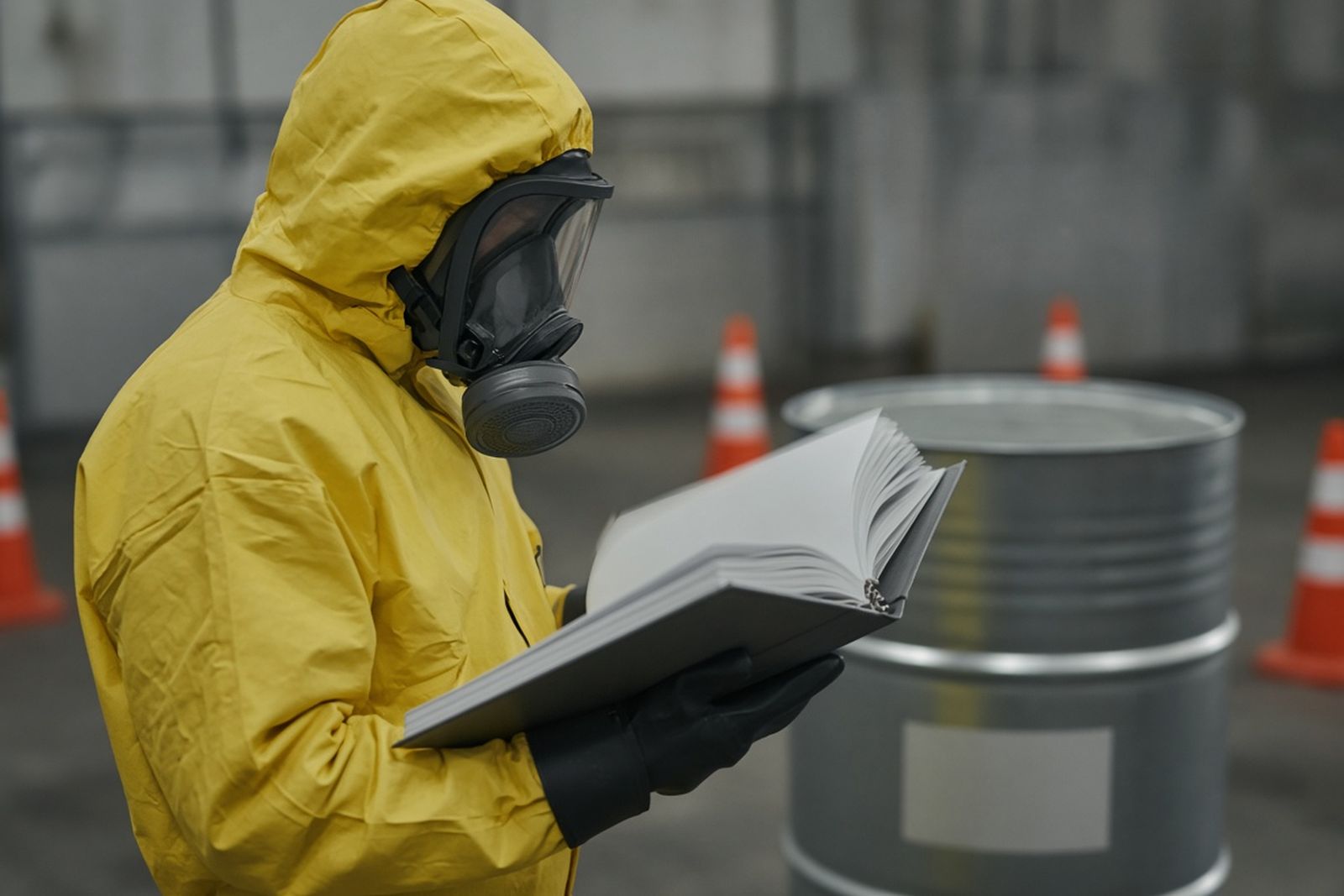
Technician in a yellow suit and respirator reading a safety data sheet binder beside a drum
Illustrative photo, not a job record. Technician in a yellow suit and respirator reading a safety data sheet binder beside a drum.
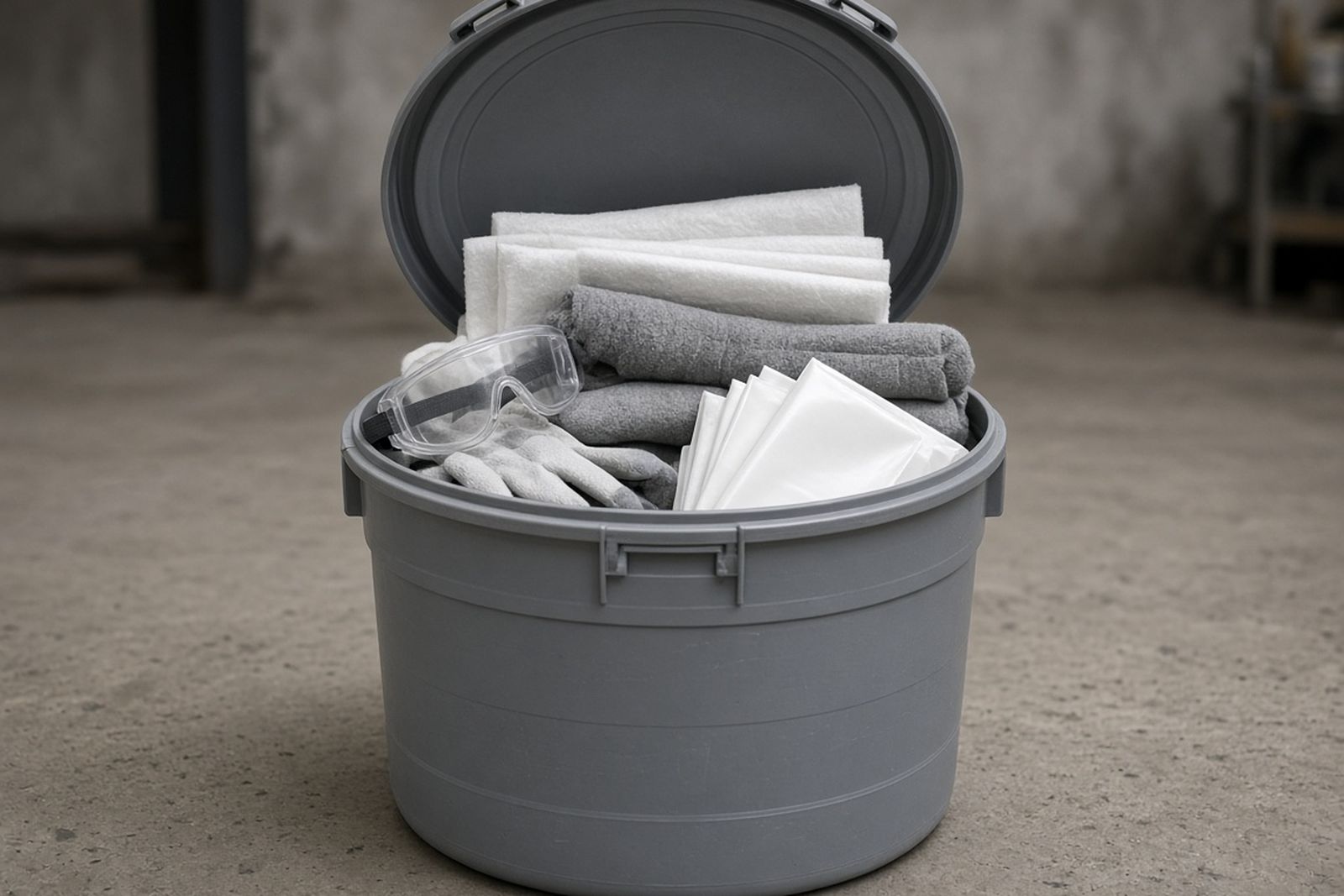
Open spill kit drum holding absorbent pads, goggles, gloves and disposal bags
Illustrative photo, not a job record. Open spill kit drum holding absorbent pads, goggles, gloves and disposal bags.

Hazmat Spill Response figures to keep in mind

National and research figures, not Tampa data. Local conditions, rules and providers vary; use these for scale and context only.

89%

89% in affected counties heard of the spill on the day it occurred.

Read with care: Self-reported behaviour; event-specific communications.

Source: Savoia et al. (2015)690 West Virginia adults surveyed online in February 2014, including affected and unaffected areas.

36.5%

36.5% overall sought medical care for odor-related symptoms.

Read with care: Reported symptoms and odor; not measured individual exposure doses.

Source: Behbod et al. (2014)204 household representatives surveyed in two distance zones, September 2012.

46

The Chemical Safety Board received 46 accidental release reports in the three months ending November 2025, the first time its three-month average exceeded 14 events per month.

Read with care: Short window; CSB attributes part of the rise to better compliance.

Source: U.S. Chemical Safety Board (via Safety+Health) (2025)United States, CSB-reportable releases, Sept-Nov 2025

These figures are public research and agency data, not this network's own job records. Keep each number with its population, year and limits; none of them predicts cost, timing or outcome at a specific property.

Plan before you reach out

Use the first 24 hours planner for immediate steps and the provider vetting checklist to confirm any Tampa provider's training, insurance and waste path in writing.

What research has found

Findings from published studies of people and properties in situations like this one. They describe what researchers observed in a specific group; they are not predictions for your case.

Nearer-zone residents more often reported eye irritation, breathlessness and agitated behaviour attributed to exposure.
Who was studied: 204 household representatives surveyed in two distance zones, September 2012.Limits: Reported symptoms and odor; not measured individual exposure doses.Community health assessment following mercaptan spill: Eight Mile, Alabama (2014)
Greater perceived risk was associated with compliance.
Who was studied: 690 West Virginia adults surveyed online in February 2014, including affected and unaffected areas.Limits: Self-reported behaviour; event-specific communications.Public response to the 2014 chemical spill in West Virginia: knowledge, opinions and beh… (2015)

Hazmat Spill Response community polls

Poll results

Every count is a real visitor vote; nothing is seeded or padded. One vote per poll per device, and you can change your answer.

Safety

How prepared is your site for a chemical or fuel spill right now?

No visitor votes yet
Your experience

In your most recent spill, what was the first action taken?

No visitor votes yet

Planning cleanup in Tampa?

Send a short message about the property to the follow-up inbox. A coordinator can reply by email with next steps.

Your request is sent to the follow-up inbox. A coordinator can reply by email.

If anyone is hurt or in danger, call 911 first.