A solvent odor hits a pier-adjacent garage during a festival weekend. What comes first?
Put crowd safety and a rope line ahead of any festival-day worries. Empty the garage if the odor is heavy, no one can name the product, or a visitor feels ill. Keep tourists and staff out, and call emergency services. Do not ask event vendors to mop or rinse before guests notice. From a safe spot, note labels, which contractors were on site, and whether product is creeping toward a grate that drains to the beach. Hand responders your access notes and any SDS already on file. With so many tourists, a weak perimeter puts more bystanders at risk. Keeping people safe and the beach clean matters more than a spotless garage for the festival. Untrained chemistry to get guest ready can cause fires, toxic gas, or a wider spill.
Why are beach-bound outfalls a bigger deal than a flat inland curb?
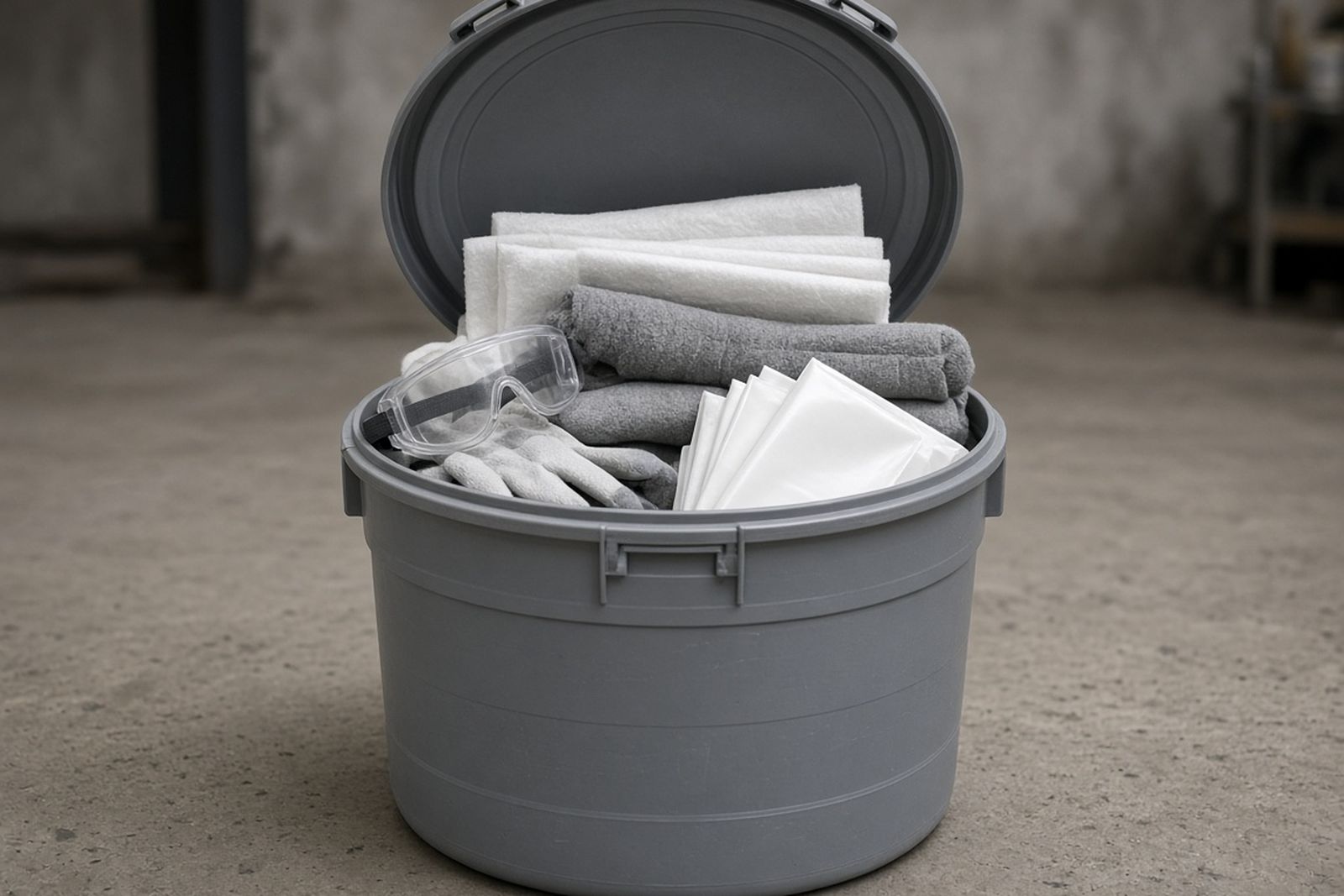
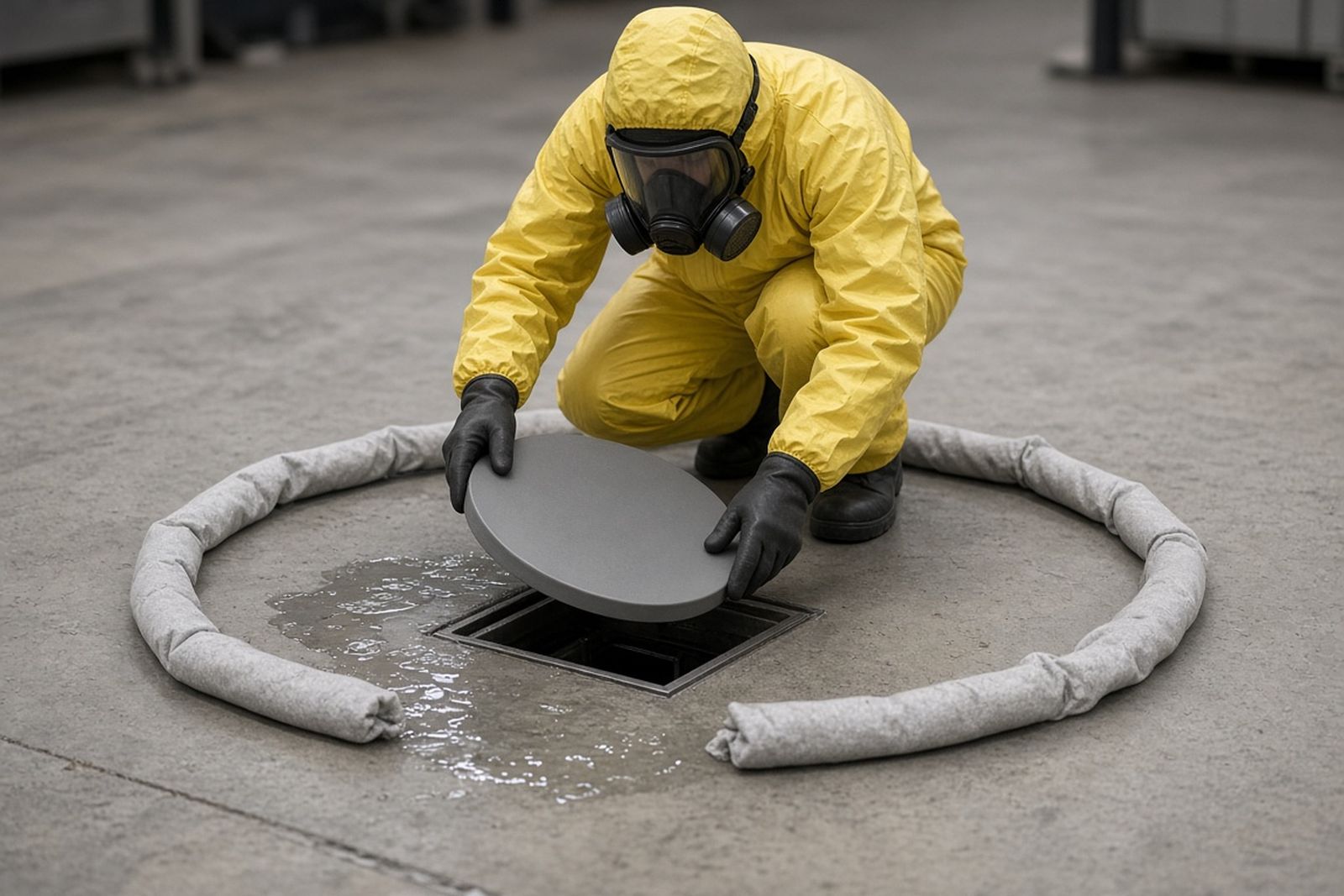
Only a few blocks of pavement separate many Santa Monica courtyards from beach outfalls. So a small spill can turn into a release that must be reported. Never hose a sheen toward the gutter. Closed garages near the coast also trap fuel fumes near things that spark. Notes on where booms went near outfalls, and how much product came back, help both regulators and your insurer. Being close to the beach raises the stakes on drains and reporting. It says nothing about which crews are nearby.
An unlabeled drum appears after construction near the sand. Move it?
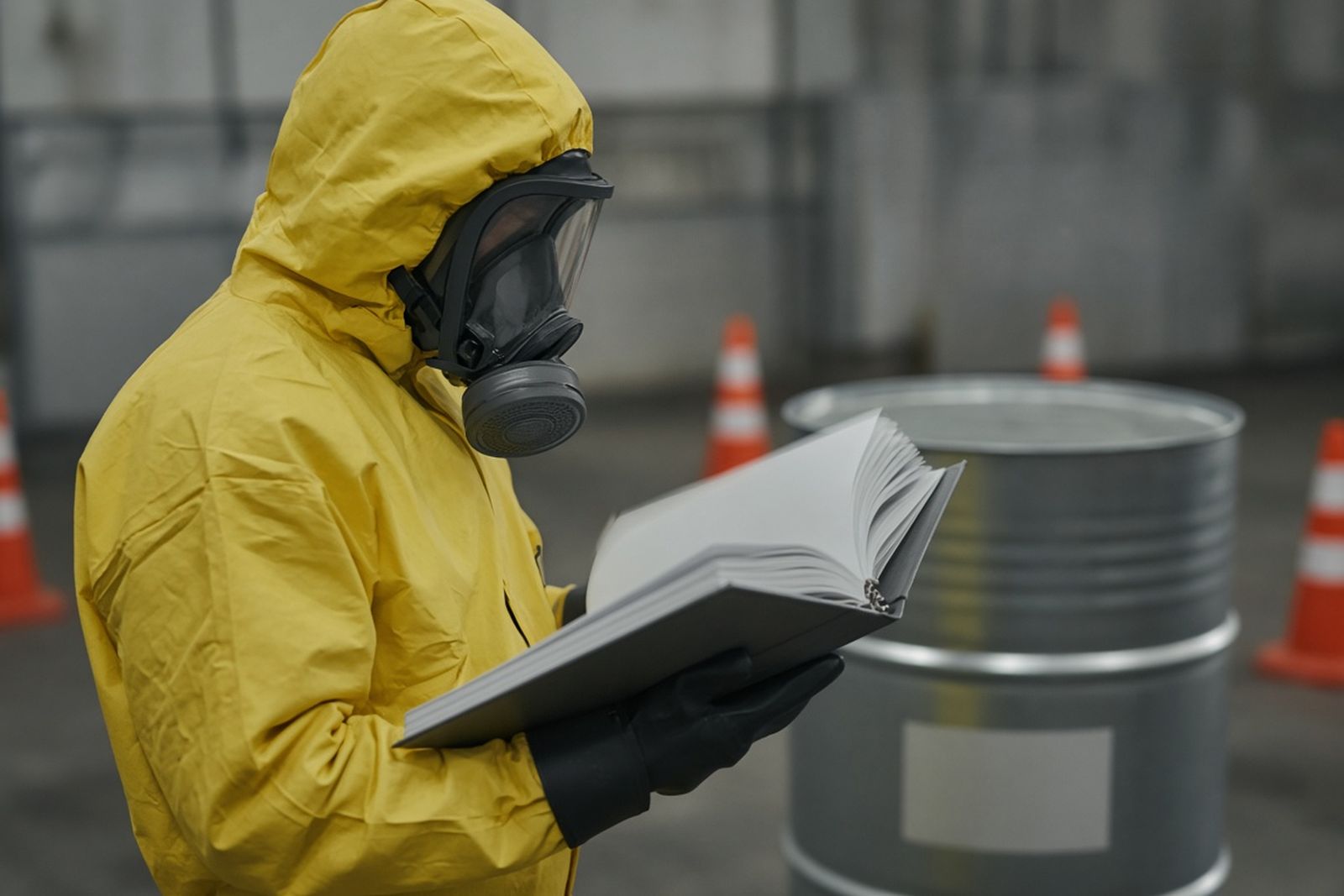
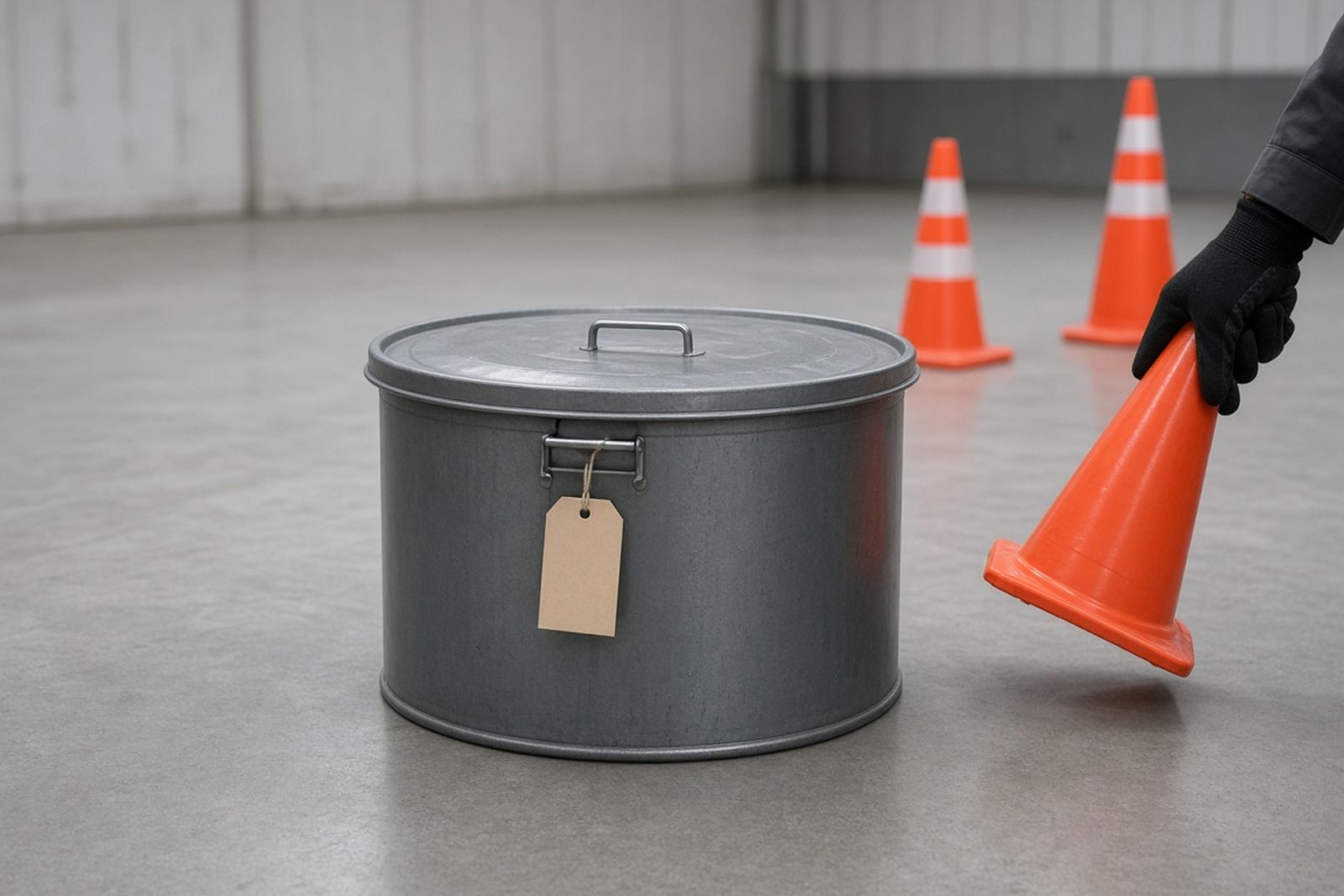
Leave it where it sits, even if beachgoers are walking past. Rope off the spot, keep dogs and people back, and call so trained crews can work out what it is. Take a photo from a distance if it is safe. Tell them when you first saw it and whether a crew was working nearby. A drum left after a storm or a tenant build-out could hold something that burns skin, catches fire, is toxic, or reacts. Dragging it off a courtyard or alley can split a weak seal and send the contents toward beach drains. Keep people back and let trained responders check it before anyone plans a cleanup.
What clearance fits after product may have reached a beach grate?
Clean concrete can hide fuel that soaked into sand or planters near the drain. If product may have soaked into planter beds or sand near the Promenade, trained crews may suggest sampling or removal. Where fumes drifted into courtyard units or ground-floor restaurants, air tests support the choice to let people back in. Ask any agency that set conditions to confirm in writing when they are satisfied. Hotels and rentals should wait for results, not a dry floor, before letting guests back. Clearance depends on the chemical and where it traveled, not on a weekend reopening date.
Who decides notifications when runoff may reach ocean-adjacent water?
Fire and environmental officials decide which notices a spill near the beach needs. A building manager should not guess alone how much must be reported. Share what you actually know: the product name from the SDS if you have it, a rough amount, and which drain or gutter the product was moving toward. Some oil and hazardous substance spills near the Santa Monica shore may need a National Response Center report, along with state and county notice. Telling your insurer is a separate step. Keep reference numbers in the property file. If product is heading into a storm drain that leads to the beach, do not delay calls to keep things quiet for guests. Working with agencies here is a duty under the rules, not a public relations choice.
How should Santa Monica restaurants store cleaning chemicals to avoid dangerous mixing?
Keep bleach, acids, degreasers, and sanitizers in their original containers. Sort them by type and keep them away from floor drains. Never pour one product into another container. Post Safety Data Sheets where staff can find them without going into the storage area. If two products mix and fumes appear, clear the kitchen. Turn off the gas if it is safe to do so, and call emergency services. Train new staff on these steps in their first week.
Can beachgoers or residents report a suspected spill near the sand?
Yes. If you see a sheen, a strange smell, or odd-colored water near a storm drain outlet or on the sand, stay away from it and report it. Call emergency services if people are affected or product is flowing. For a concern that is not an emergency, contact city or county environmental staff. Describe the spot using nearby landmarks, such as a lifeguard tower number. Do not wade in or collect samples. A photo taken from a distance helps.