Hazmat Spill Response articles and resources
Deeper reads on scope, safety, insurance and hiring, written for property owners.
Useful articles on spill kits, guarding storm drains, battery spills, and who must report. Learn to build a spill file that holds up when an insurer or agency checks it.
Get an email reply about hazmat spill response
Send a short message to the follow-up inbox. A coordinator can reply by email. This form does not send emergency help; call 911 first if anyone is in danger.
Browse hazmat spill response articles

Evidence-led educational articles about hazmat spill response. Stay informed about safety standards, best practices, and what to expect from professional remediation.
What to Expect During Professional Hazmat Spill Response
A spill response crew works in zones: assess, contain, clean up, decontaminate, and package waste. Here is what you will see on site from ar...
The Science Behind Hazmat Spill Response
How do responders decide whether to contain, neutralize, or evacuate? The chemistry of vapors, reactivity, and spread explains every step of...
How Long Does Hazmat Spill Response Take?
A hazmat spill can be closed in an afternoon or take months. See how identification, containment, testing, waste shipping, and reporting sha...
How to Evaluate Equipment Proposed for Hazmat Spill Response
Air monitors, chemical suits, respirators, booms, pumps, and drums all appear in hazmat spill proposals. Learn how to check that each item f...
DIY vs Professional Hazmat Spill Response: The Critical Differences
A quart of motor oil on a garage floor is not a hazmat incident. A leaking solvent drum is. Learn where DIY spill cleanup ends and professio...
10 Hazmat Spill Response Safety Risks to Assess Before Work Begins
Unknown chemicals, toxic vapors, fire, reactions, low oxygen, and runoff can turn a spill into an emergency. Review ten hazmat risks to asse...
OSHA Regulations and Hazmat Spill Response
HAZWOPER, chemical warning and respirator rules decide who may go near a chemical spill. See how OSHA frames spill response and the cleanup ...
PPE Planning for Hazmat Spill Response: Start With the Hazard Assessment
Protection Levels A through D, glove permeation data, and respirator limits all depend on what spilled. See how crews turn a hazard assessme...
What Drives Hazmat Spill Response Cost?
Spill response cost depends on the material, the volume, where it traveled, and how the waste is classified. See what moves a chemical or fu...
Does Homeowners Insurance Cover Hazmat Spill Response?
Pollution exclusions shape almost every chemical or fuel spill claim. Learn how carriers view heating oil leaks, garage spills, and business...
How to Compare Low and High Hazmat Spill Response Bids
Spill contractor bids differ on crew size, PPE level, monitoring, and waste pass-through costs. Learn to compare hazmat response rate sheets...
Which Federal, State, and Local Rules Apply to Hazmat Spill Response?
One chemical spill can mean calls to federal, state and local agencies, each with its own triggers and deadlines. Map your spill reporting r...
How to Research Waste Rules for Hazmat Spill Response
Spill cleanups leave used absorbent, soil, rinse water and protective gear that must be sorted before shipping. Here is a way to research EP...
10 Questions to Ask Before Hiring a Hazmat Spill Response Company
Vet a spill contractor before you need one: ask about response coverage, HAZWOPER roles, monitoring gear, waste handling, reporting help, an...
Red Flags When Hiring Hazmat Spill Response Services
Crews without HAZWOPER training, no plan to identify the chemical, and fuzzy answers on disposal and agency reporting are red flags in hazma...
Training, Documentation, and Credentials for Hazmat Spill Response
HAZWOPER levels, supervisor training, respirator programs, and waste documentation explain whether a spill response crew is qualified. Here ...
Managing Stress and Disruption During Hazmat Spill Response
A chemical spill can mean evacuation, strange odors, health worries, and a crew in protective suits on your property. Here is how to cope wi...
How Hazmat Spill Response Practice Has Changed
Spill response grew from firefighters with hoses into a trained field with HAZWOPER, incident command, air testing and waste tracking. Here ...
The Difference Between Cleaning and Disinfection in Hazmat Spill Response
Chemical spills need cleanup and decontamination, not disinfection, unless biological material is involved. Here is how the three approaches...
Hazmat Spill Response for Property Managers: What You Need to Know
Pool chemicals, tenant drums, a leaking delivery truck in the lot: what property managers should do before, during, and after a chemical spi...
When ATP Testing Helps—and When It Does Not—in Hazmat Spill Response
ATP swabs detect biological residue, not solvents, acids, or fuel. Here is where they fit in chemical spill cleanup and where chemical sampl...
Hazmat Spill Response Planning Example: Building a Defensible Scope
A hypothetical basement heating oil leak shows how to build a spill cleanup scope that holds up: hazard map, removal choices, waste path, te...
Urgent Hazmat Spill Response: What to Do Before a Provider Arrives
When fuel, chemicals, or an unknown liquid spills, the first minutes decide how big it gets. Learn how to evacuate, isolate, protect drains,...
Commercial vs Residential Hazmat Spill Response
A leaking tote in a warehouse and a spilled gas can in a garage need different plans, people, and paperwork. Here is how business and home s...
Environmental Responsibility in Hazmat Spill Response
Keeping a chemical spill out of drains, soil, and creeks matters as much as cleaning the floor. Here is what environmentally sound spill res...
How to Evaluate Technology Used in Hazmat Spill Response
Handheld chemical identifiers, gas meters, drones, and plume software all show up at spills. Here is how to tell whether a contractor's tool...
Mental Health Resources During Hazmat Spill Response
Evacuations, lingering odors, and uncertainty about exposure can weigh on you long after a chemical spill. Here is where residents and worke...
When Enzymes or Microbial Products Fit Hazmat Spill Response
Oil-eating microbes can help with some petroleum spills, but not acids, metals, or most solvents. Here is when bioremediation fits a spill a...
How to Compare Local and National Hazmat Spill Response Providers
National spill networks bring scale and 24-hour dispatch; local contractors bring nearby crews and local know-how. Here is how to compare th...
Questions about hazmat spill response?
If the articles did not answer your question, send a short message and a coordinator will reply by email.
Your request is sent to the follow-up inbox. A coordinator can reply by email.
If anyone is hurt or in danger, call 911 first.
Hazmat Spill Response figures our articles draw on
- 2.34
Insurance disputes were associated with depression (aOR 2.34; 95% CI 1.4–3.9).
Read with care: Observational and self-selected; negative-comment denominator is comments, not all insured people.
Source: McKenzie et al. (2022)521 insured, inundated-household respondents from a 2,530-person survey six months after flooding.
- 21%
TRI chemical releases in 2023 were 21 percent lower than in 2014, with air emissions down 32 percent.
Read with care: Trend covers routine permitted releases as well as accidental ones.
Source: EPA (2023)United States TRI facilities, 2014-2023, excluding natural gas processing
- 20 rail cars
In the February 2023 East Palestine, Ohio derailment, 20 of the affected rail cars contained hazardous materials.
Read with care: Single high-profile event; not representative of typical spills.
Source: EPA (2023)Norfolk Southern derailment, East Palestine, Ohio, Feb 3, 2023
These figures are public research and agency data, not this network's own job records. Keep each number with its population, year and limits; none of them predicts cost, timing or outcome at a specific property.
How to use these articles
Where should I start if a spill is happening right now?
Read the article on what to do first during an urgent spill. But read it only after people are safe. If there is vapor, fire risk, injury, or an unknown product, call emergency services first. That article covers the first minute, safe containment steps, and using the safety data sheet. It also covers who to call in what order and what to write down. The rest of the library is better read once the scene is under control.
Which articles help me choose a spill contractor?
Start with the ten questions to ask before hiring. Then read the red flags article to know what to avoid. The piece on comparing bids helps once proposals arrive. The article comparing local and national companies helps you decide which kind of firm fits your sites. The article on why training matters explains which records to ask for and how to check them.
Which articles cover insurance and cleanup costs?
The article on homeowners insurance explains pollution exclusions, policy add-ons, and what to record for a claim. The cost factors article walks through what drives a spill bill. The bid comparison article shows how to line up proposals on equal terms. Together they prepare you for talks with your insurer and contractor. But your insurer always decides coverage itself.
I manage rental or commercial property. Which articles should I read first?
Start with the guide for property managers. It covers inventories, talking with tenants, who must report, and the incident file. The article comparing business and home spills helps if you manage both. For the rules, read the articles on federal, state, and local requirements and on waste disposal. They explain who has to report and how spill waste is handled.
Where can I read about the rules that apply to spills and spill waste?
Three articles focus on the rules. One maps federal, state, and local roles in reporting and response. One explains how workplace safety rules tell small, everyday spills apart from emergencies. One walks through looking up how waste is classified and tracked with waste shipping records after a cleanup. They describe how the systems work. Your state environmental agency and your safety expert confirm what applies at your site.
Is there anything here about the stress of going through a spill?
Yes. One article covers mental health resources for residents, families, and workers, including where to get health answers and emotional support. Another looks at the pressures property owners face, from uncertainty about returning to cost and liability worries. Both include ways to steady yourself and when to seek help. If you are in crisis, call or text 988 at any time.
How do the articles relate to the planning tools, and how do the category buttons work?
The articles explain the reasons. The tools turn them into a checklist or plan you can print, such as a first-day plan or a contractor vetting list. Read an article, then use the matching tool to apply it to your site. The category buttons above the article list sort the library by topic. Pressing the same button again shows every article.
More on hazmat spill response
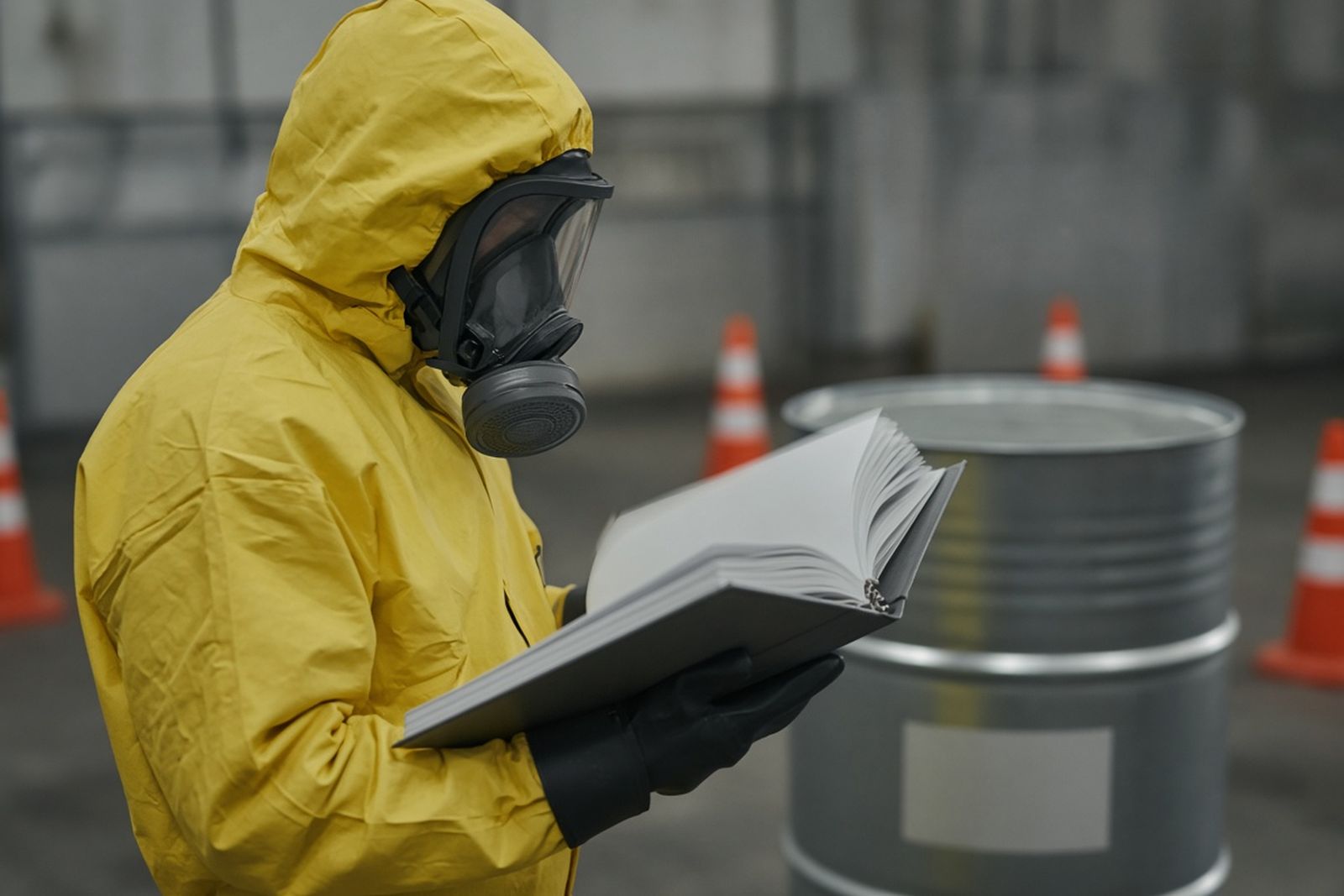
Hazmat Spill Response services
Learn how spill response works for chemicals, fuel, oil, and unknown products. It runs from closing off the area and reading the SDS to waste disposal and reopening.
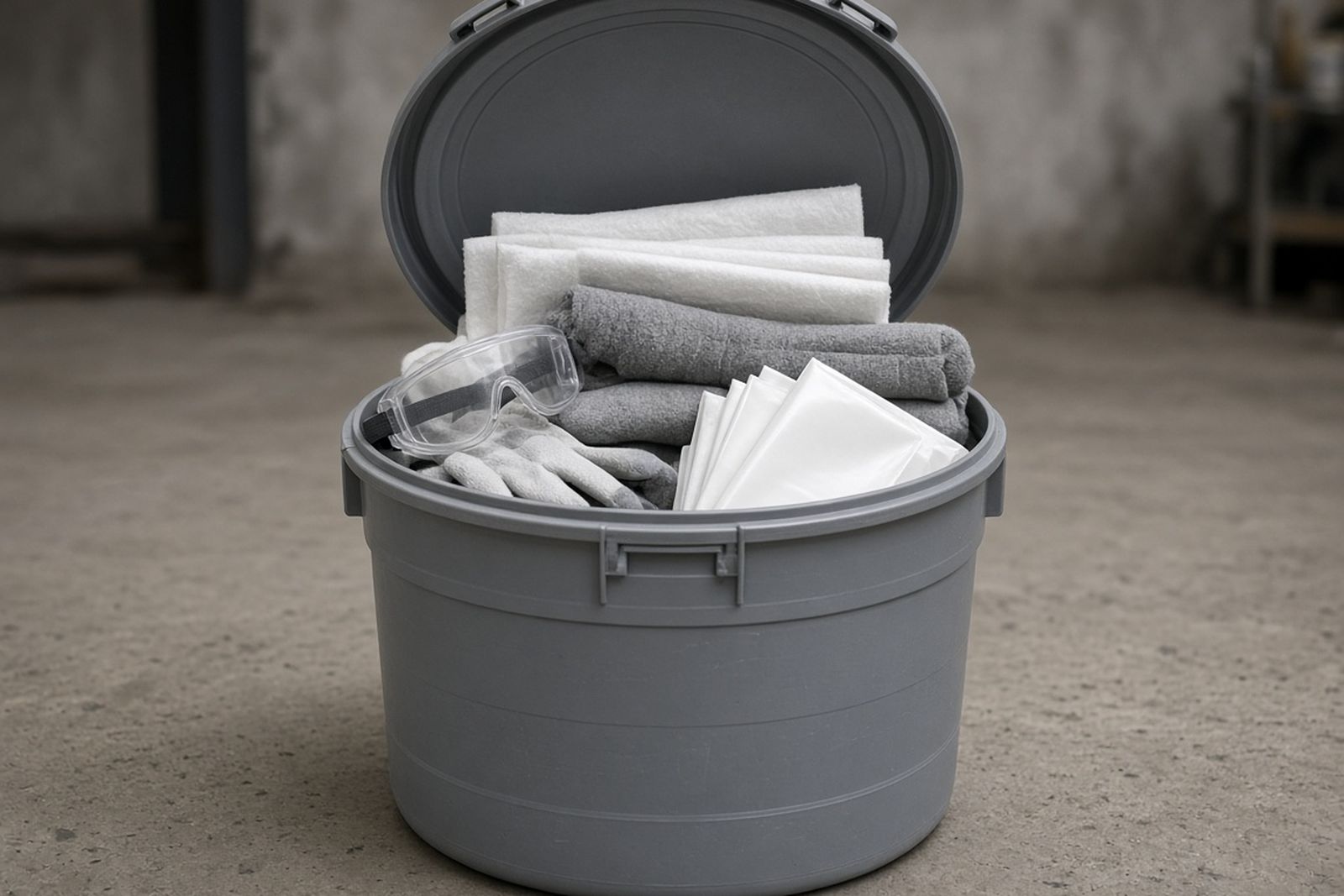
Costs explained
What drives the price, published cost ranges, and how to read a written quote line by line.
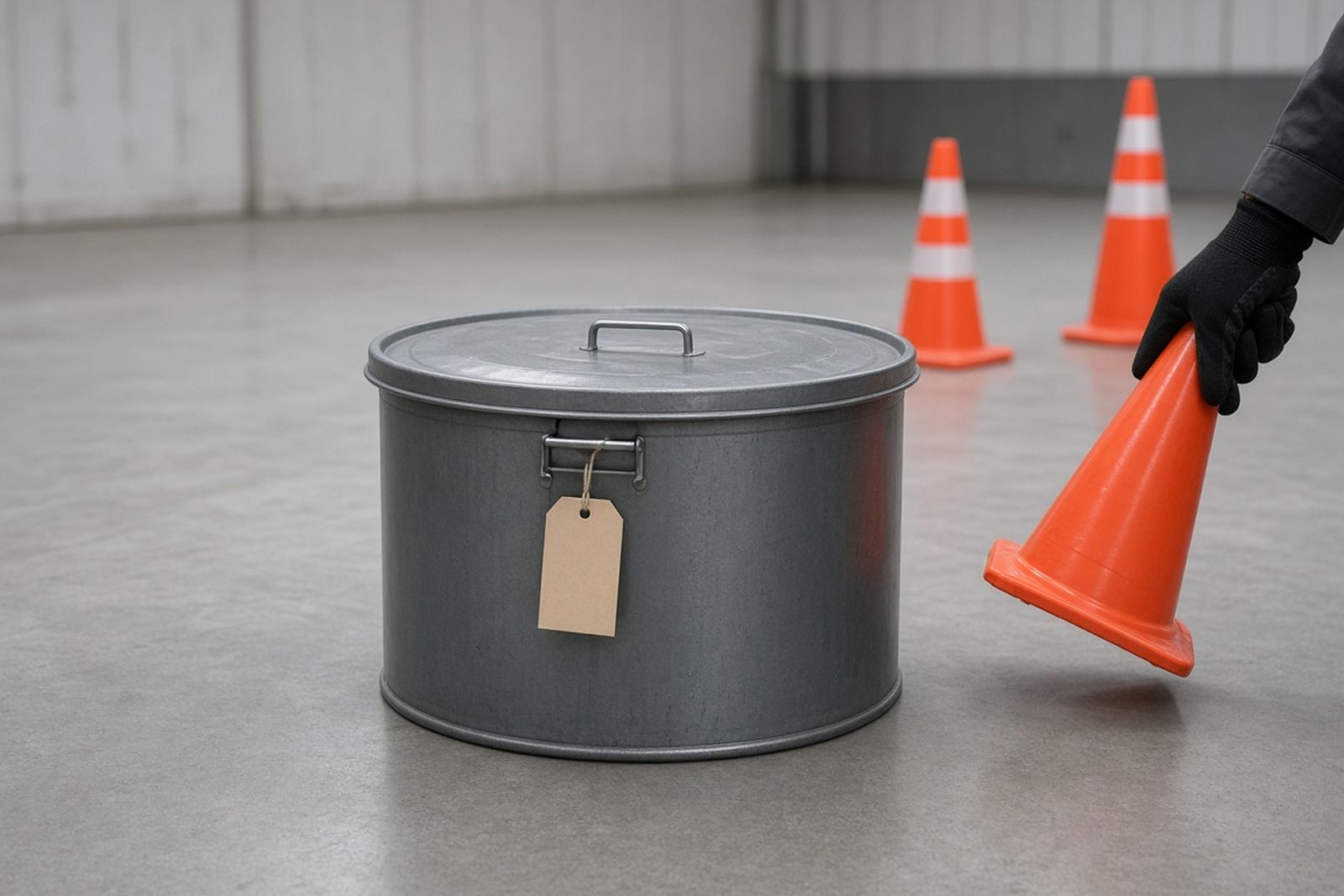
Insurance and payment
Which policies may respond, how to document a claim, and what to do if coverage is denied.
Planning tools
Hands-on planners help you order the first day, judge staff risk, check contractors, sort spill waste, and organize a claim.
Community polls
Compare your spill planning and response choices with facility, fleet, and property managers who faced similar spills and learned from them.
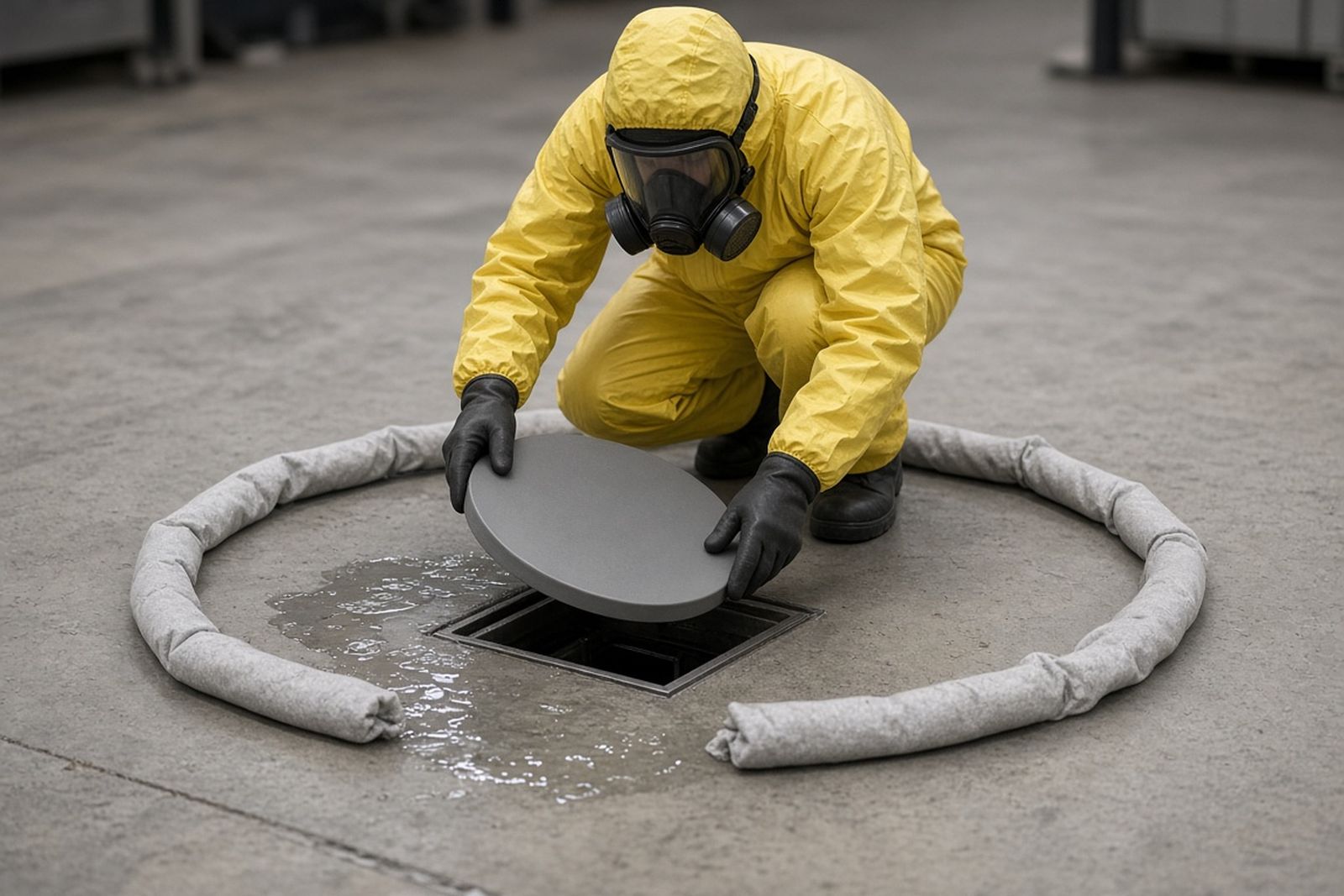
Knowledge quiz
Check what you know about spotting hazards, who is in charge, containment, cleanup, waste, and records with a short quiz for managers.
City guides
Find learning resources and spill response contractor listings for your state, county, and city. See which agencies handle spill reports there, too.