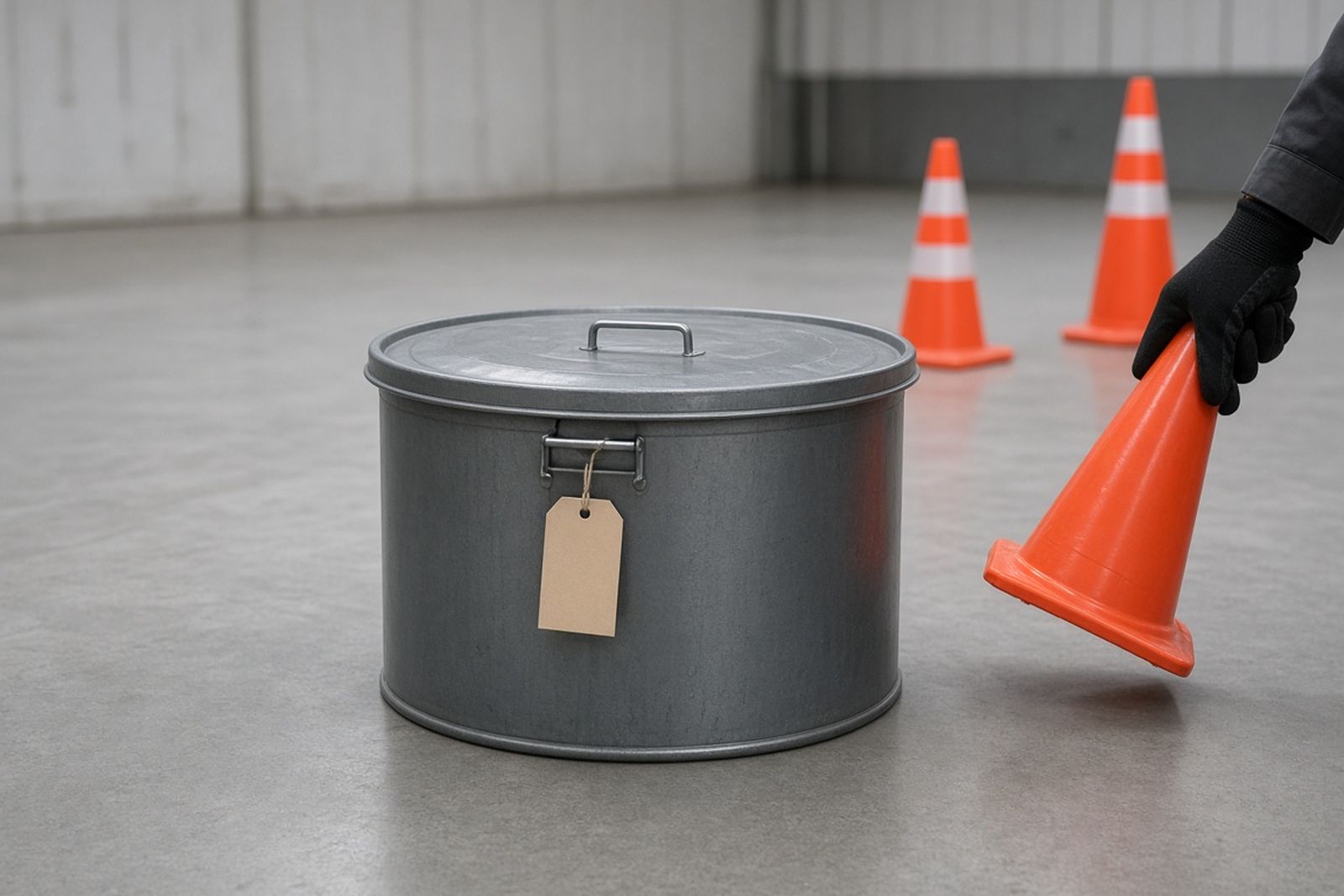
Short answer
Ask ten things before you hire a hazmat spill company. What do you clean up? Who answers at night? How is your crew trained? What gear do you bring? How do you guard drains and handle waste? Will you help with reports? What insurance do you carry? How do you charge? What records will you give me at the end?
Choose before the spill, not during it
The worst time to pick a spill company is while a drum is leaking toward a storm drain. Under pressure, you tend to hire whoever picks up the phone first. That is not always the company that fits your site best.
When you choose ahead of time, you can compare what each company can do. You can agree on rates and walk your site together. You can also put the company's number in your spill plan, on your spill kits, and in the hands of every shift lead.
Spills of hazardous materials are not rare. Reported hazardous materials transport incidents climbed from about 15,000 to just over 21,000 per year between 2011 and 2020, says PHMSA's Incident Statistics Portal as summarized by ICC Compliance Center in 2021. Shops and plants have their own risks at docks, fuel islands, and repair bays.
The ten questions below work for anyone who looks after a building, a shop, a fleet, or a rental property. Use them to interview companies now. Then you will already know whom to call later.
Questions 1 and 2: what they handle and who answers
Question one: What materials and spill sizes do you handle? Some companies work mostly with fuel and oil. Others also handle acids, caustics (strong bases like lye), solvents, batteries, and unknown liquids. Share a list of what you store. Ask which items the company can respond to and which it would send to someone else.
Question two: How do night and weekend calls work, and who covers my area? Ask if a live person answers after hours. Ask where the nearest crew and trucks are based. Ask how the company chooses which call to take first when several come in. Do not treat a promised arrival time as a guarantee. Ask instead how the company decides who goes where.
If you have more than one site, ask if the company covers all of them itself. Some firms hire other companies, called subcontractors, in certain areas. If so, ask how they check the quality of that work.
Ask about recent jobs like yours. A company that often works at warehouses, truck yards, or apartment buildings already knows the usual layouts. It knows where drains tend to be and what blocks access. That saves time in the first hour on site.
Questions 3 and 4: crew and equipment
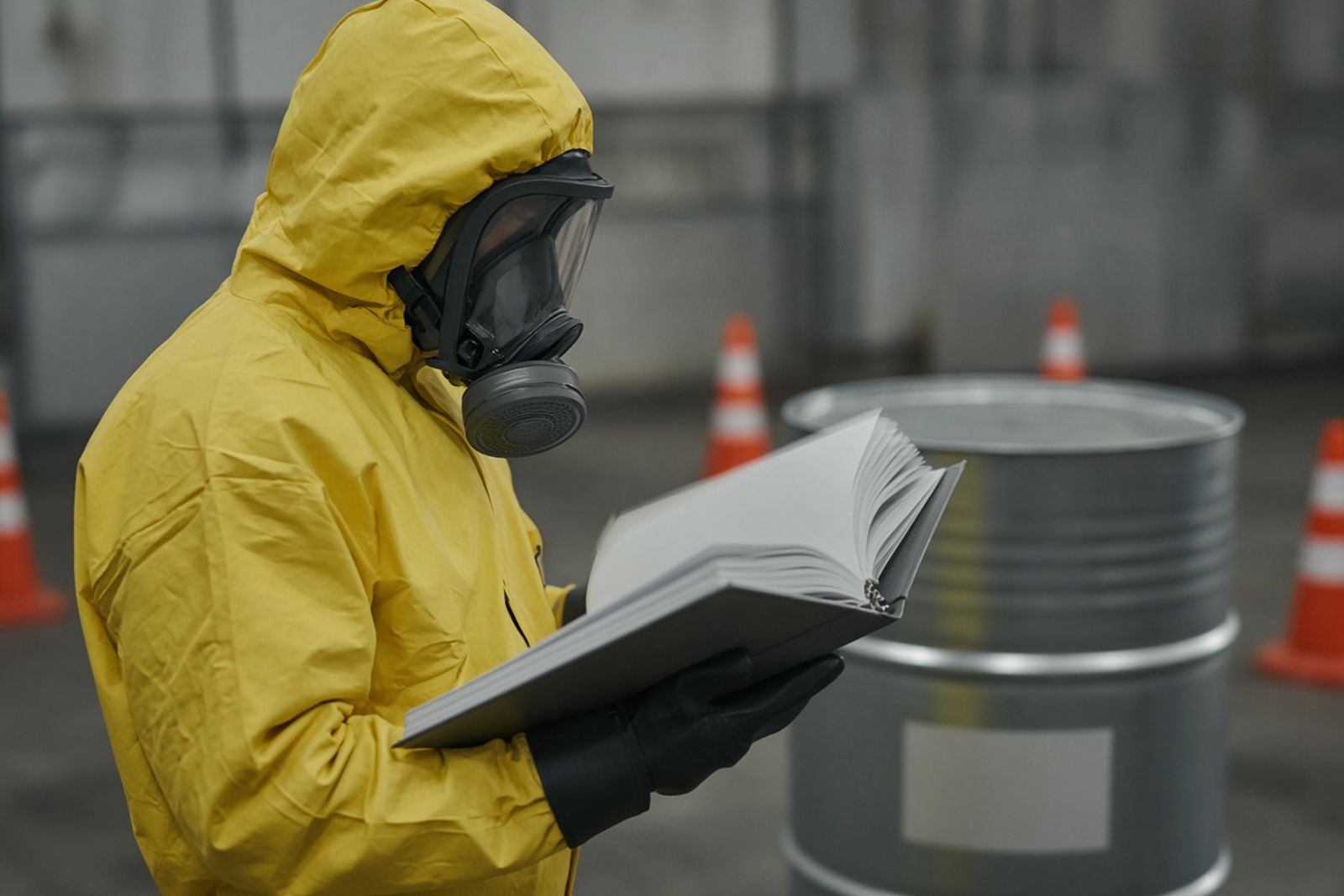
Question three: How is each person on your crew trained? OSHA has a rule for hazardous waste and emergency response work, known as HAZWOPER. It sets different training minimums for site workers, for emergency responders at each level, and for supervisors. Ask which roles the company sends to a typical spill. Ask how each one is trained and how often that training is renewed.
Question four: What testing tools and protective gear will you bring? Air testing for vapors that can burn, for oxygen levels, and for certain chemicals guides every choice on site. Ask what meters the crew carries and how they are checked for accuracy. Ask about the company's program for masks and breathing gear.
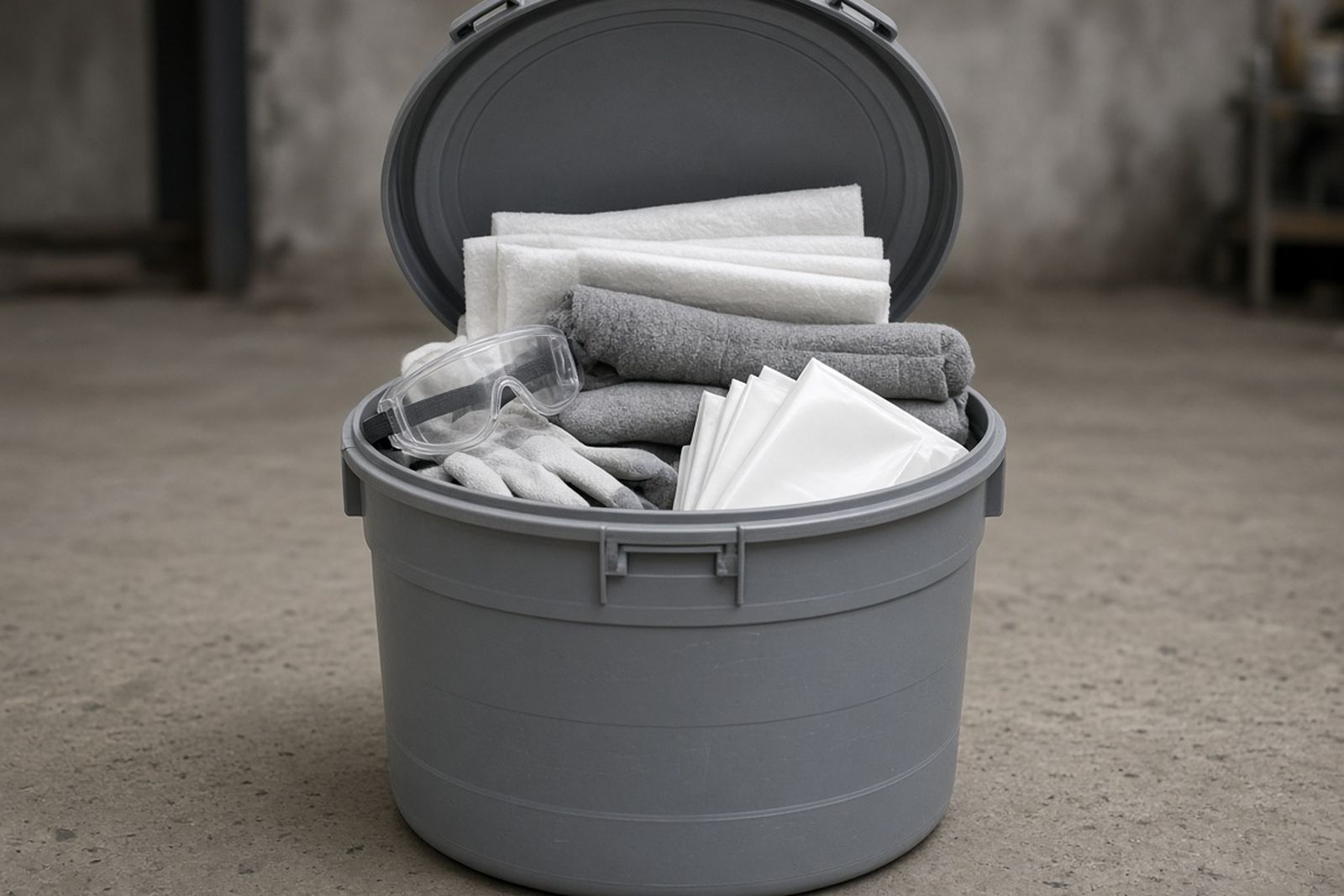
Also ask about the gear that stops and collects a spill. That means absorbent pads, floating barriers called booms, drain covers, pumps, vacuum units, and drums. A company with the right gear on the first truck saves you hours.
Questions 5 and 6: drains and waste
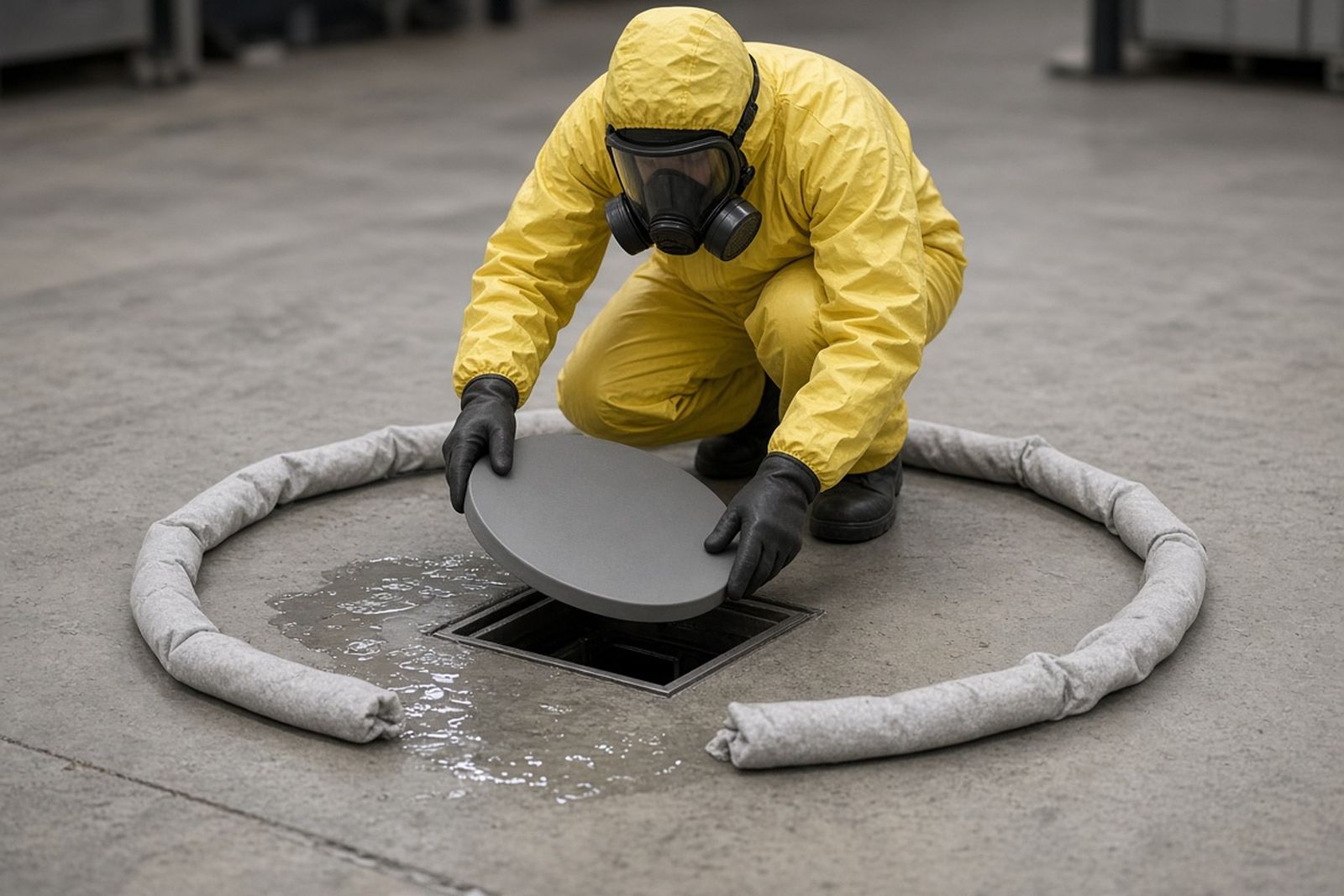
Question five: How do you protect drains and keep the spill from spreading? Once a spill reaches a storm drain or sewer, a small cleanup can turn into a matter for the regulators. Ask how soon after arrival the crew covers drains. Ask if the company will help you map the drains at your site ahead of time.
Question six: How do you test, haul, and get rid of spill waste? Waste has to be tested and described before a disposal site will take it. Ask if the company does that itself or through a partner. Ask which disposal sites it uses and who signs as the generator, the party the waste legally belongs to. Ask for sample copies of the waste shipping records and disposal certificates you would get.
Find out how long waste may sit in drums at your site while it is being tested, and who keeps it secure. If you are not sure how long drums may stay, ask your state environmental agency. Its hazardous waste program can answer that for your site.
Ask how the company works with fire departments and other public responders. On larger spills, the fire department is in charge until the emergency is under control. A company that already works well with local agencies can start cleanup sooner once it is released to do so.
Questions 7 and 8: reporting and insurance
Question seven: Will you help us understand and meet our duty to report? Whether you must report depends on the material, the amount, and where it went. Local, state, and federal agencies may all be involved. The company is not your lawyer. But an experienced one can help you gather the facts agencies ask for and give you records to back them up.
Question eight: What insurance do you carry? Ask for proof of four kinds of cover. These are general liability, auto liability, workers compensation, and contractors pollution liability. Pollution cover matters most. Standard liability policies often leave it out.
Ask if you can be named as an additional insured. That means their policy also protects you. Then go over the certificate with your own insurance agent or risk manager.
Ask, too, if the company can train a few of your staff to handle small spills of products you know. Many sites find that a short class built around their own building cuts how often they need to call for help at all.
Question 9: How do you price emergency response?
Question nine: How do you charge for emergency work? Ask for a rate sheet. It should list the cost to send a crew, labor by role, equipment, supplies, and disposal. Ask how night and holiday rates differ. Ask if a standing agreement locks in your rates for a set period.
Once you have a rate sheet, keep it with your spill plan. No one wants to hunt for prices during an emergency. But having it on hand makes it much easier to check the invoice later.
Question 10: What will I receive at closeout?
Question ten: What records will I get when the job is done? A full closeout package often includes a written account, photos, times, volumes, air test results, waste shipping records, and disposal certificates. Ask for a sample report from a past job with names and addresses removed.
Clear records support your insurance claim, any reports you file with agencies, and your own review. They also show you if the company's work matched its promises.
- A written timeline of the response
- Photos before, during, and after cleanup
- Air test results and any sample results
- Waste test reports, shipping records, and disposal certificates
- A list of the crew and their roles
- Tips for keeping it from happening again
Putting the questions to work
Interview at least two or three companies, at your site if you can. The differences tend to show fast. One may handle only fuel and oil. Another may cover more materials but have no sample closeout report to show you. A stronger company will often offer to walk the property with you. It may mark every storm drain on a site map and suggest drain covers near generators and loading docks. It will hand over a rate sheet and insurance certificates without being chased.
Once you choose, make the choice easy to see. Post the emergency number on each spill kit and add it to your emergency plan. Make sure the people most likely to find a leak know it, such as maintenance staff and on-site engineers. The goal is simple. Whoever finds a leaking truck or drum can cover the nearest drain and call a number they already have. No one should be searching online in the middle of a spill.
What red flags should concern me?
Some answers suggest a company may not be right for your site. Listen to how exact each answer is.
None of these signs rules a company out on its own. But each one calls for a direct follow-up question. How a company reacts when you push back tells you a lot about how it will talk to you in a real emergency.
- Vague answers about crew training, or no wish to describe roles
- No pollution liability coverage
- No clear steps for testing and getting rid of waste
- Promised arrival times with no account of how crews are sent out
- No sample records, or a reluctance to share a closeout report
- Pressure to sign a long-term deal without a site visit
What should I do after choosing a contractor?
Put the agreement to work. Add the company's number to your written spill plan, your spill kits, and your shift lead contact lists. Share your site map with the company. Share your safety data sheets too. Those are the maker's fact sheets for each product you store.
Run a practice drill at a table with your team at least once. Walk through who calls whom and what happens in the first minutes. Invite the company if it offers to take part.
Review the relationship each year. What you store, how your building is laid out, and who works for you all change over time. The company's skills and gear should keep pace.
After any real response, hold a short review with the company. Ask what went well and what slowed the crew down. Ask what you could change on site to make the next response faster and smaller.