Short answer
A spill at a business comes with legal duties. The owner must plan, train staff, and often report. The amounts are larger and agencies may watch the cleanup. A spill at home is usually a household product, heating oil, or pool chemicals. You rely on 911, Poison Control, and a hired crew. In both, find out what the chemical is before anyone cleans.
Same chemistry, different setting
A chemical acts the same in a factory or in your garage. A liquid that can burn gives off vapor either way. An acid burns skin either way. What changes is the setting around the spill. Who is legally responsible? How much spilled? Who is trained to deal with it? Which agencies expect a call?
If your business stores or uses hazardous chemicals, you work under workplace safety, environmental, and fire code rules. Homeowners mostly do not face those rules. They shape everything from the spill kit on your wall to the phone calls you make in the first hour.
At home, you likely have no plan and no training. You may not know which products under your sink are dangerous together. Your best tools are a quick exit, a phone call, and a qualified cleanup company.
What a business needs, from spill kits to Risk Management Plans
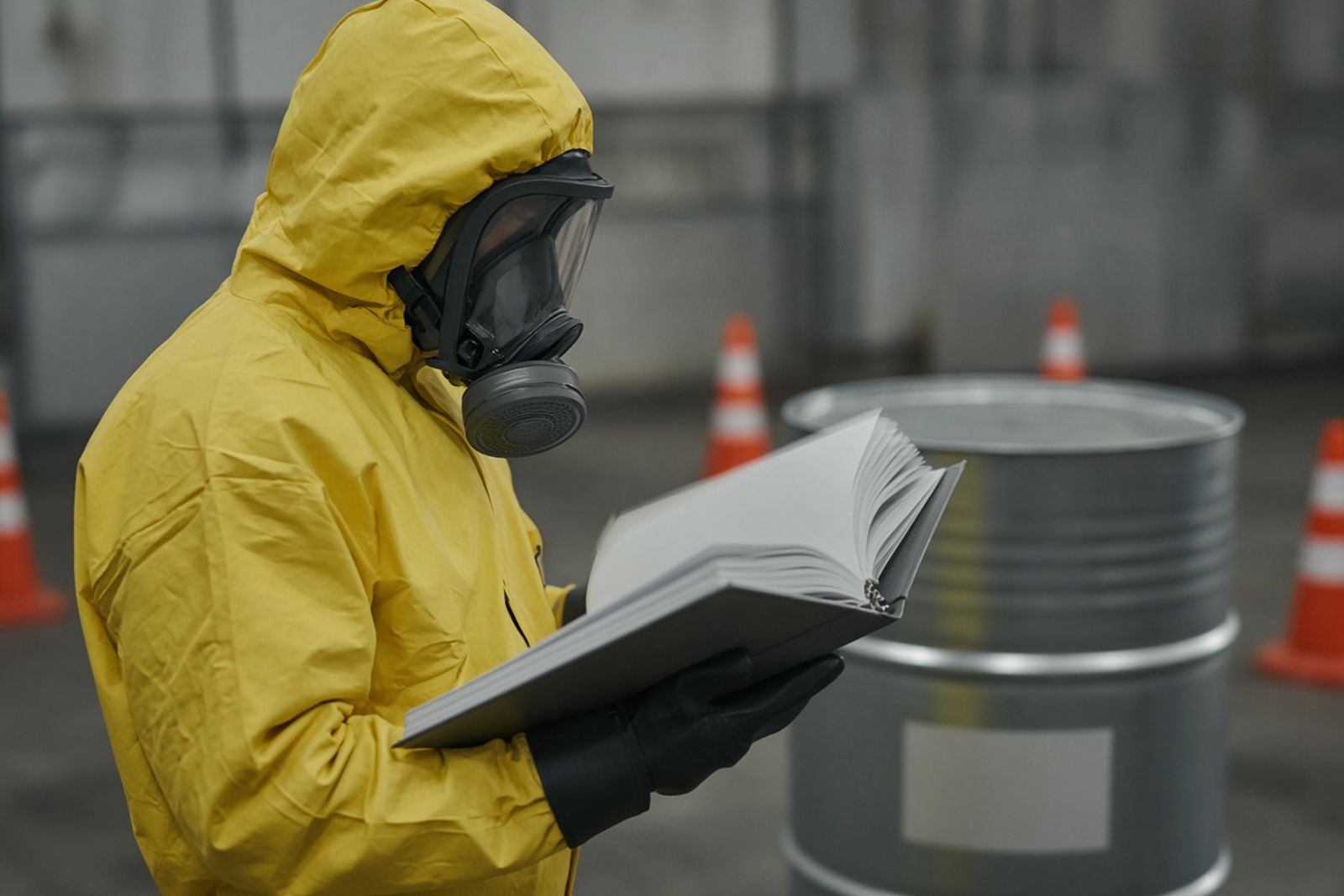
If your workers may respond to a chemical release, you need an emergency plan, trained people, and gear that suits the chemicals on site. OSHA's rule for hazardous waste and emergency response work, known as HAZWOPER, sets training levels for each responder role. Fire codes govern how you store chemicals and keep them apart.
Sites with large amounts of certain very dangerous chemicals face one more layer. EPA reported in its 2024 Federal Register rule on chemical accident prevention that approximately 11,740 facilities hold current Risk Management Plans for handling extremely hazardous substances. Those plans make a site study its risks. They make it run a program to prevent accidents. They also make it plan ahead with local fire and rescue crews.
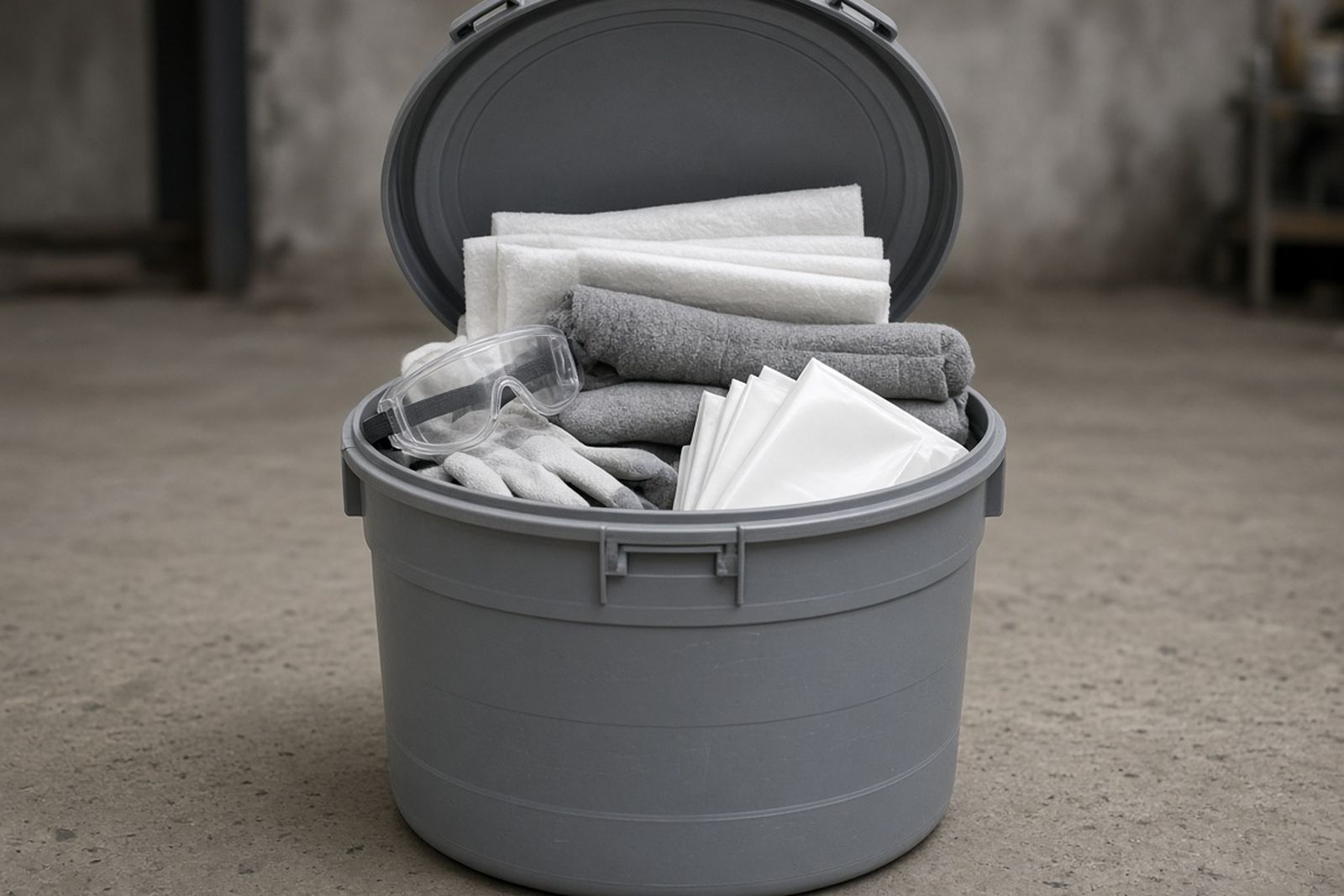
Most businesses are not in that group. But a body shop, a print shop, or a cleaning company still has duties. Your workers need to be able to reach the safety data sheets, the maker's fact sheets for each product. You need labeled containers and products stored so they cannot react with each other. You need a spill kit sized for what you keep. And you need a clear rule for when staff clean up and when they leave and call for help.
Serious accidents at large chemical sites are uncommon next to the number of sites. But they do happen. In its 2024 rule, EPA reported that 382 of 12,855 RMP facilities, about 3 percent of regulated sites, reported at least one accident during 2016-2020.
That figure covers only the sites that hold the most dangerous chemicals. It does not cover the far larger number of ordinary businesses or homes. Still, it is a reminder. Even sites with formal prevention programs have releases. That is why your plan for the response matters as much as preventing the spill.
- A written emergency plan that names who does what and how to get out
- Safety data sheets that every shift can reach
- Spill kits matched to the chemicals you really store
- Training for anyone you expect to contain or clean a spill
- A cleanup company and a waste hauler lined up ahead of time
Common household spills
Home spills usually involve products you know. Think of gasoline or oil in a garage, or heating oil from an indoor tank. Pool and spa chemicals, bug killers, paint thinner, and drain cleaners are common too. So is bleach mixed with other cleaners. An older home may also hold a broken mercury thermometer or thermostat.
The amounts are smaller than at a business, but your home has its own risks. Children and pets are close by. Fresh air is limited. Things that can light vapor, such as water heaters and furnaces, sit near where you store products. People also tend to clean up with whatever is on hand, like water, paper towels, or another cleaner. That can spread the spill or make it worse.
Leave the space and call 911 if a home spill gives off fumes, spreads past a small area, involves a product you cannot name, or makes anyone feel sick. For questions about exposure, call the national Poison Help line at 1-800-222-1222. It connects you with a local poison center.
Who has to report a release in each setting?
Businesses often have a duty to report. It depends on the substance, the amount, and where it went. Your business may need to notify federal, state, or local agencies. Certain accidental releases also trigger a report to the Chemical Safety Board. Most businesses name one person to make those calls. Your cleanup company may help you work out if a reporting limit was met.
If you own a home, you face fewer formal duties, but not none. In some places, a heating oil leak that reaches soil, groundwater, or a storm drain may have to be reported to a state environmental agency. Fuel spilled into a creek or ditch may also require notice.
In either setting, ask when you are in doubt. Fire departments, state spill hotlines, and environmental agencies would much rather hear about a small release than miss a big one. Your state spill hotline or environmental agency can tell you if your release has to be reported.
How does the cleanup itself differ?
Business cleanups tend to be larger and more technical. Crews may set up hot, warm, and cold zones, from the spill itself out to the clean staging area. They may test the air the whole time and pump pooled liquid into drums. They may clean plant equipment and work with your engineers on starting back up. There can be a lot of waste, and each type must be tested before disposal.
Home cleanups are smaller but often reach deeper into your living space. A crew may need to remove carpet, drywall, cabinets, or insulation that soaked up a chemical. Then they air out the space, clean, and check the results before your family returns. Odor matters more in a home because you live with it every day.
In both settings, a good company starts by finding out what the chemical is. It uses protective gear and methods that suit it. And it records where the waste goes.
Timelines differ too. A plant may need to restart a production line or reopen a loading dock. So cleanup is often planned around the work and may run overnight. A home cleanup is usually planned around how long your family can stay somewhere else. The pressure is about getting you back home. Ask any company what order it will work in. You want the space that matters most to you cleared and checked first.
Insurance and cost conversations
Your business may have a pollution liability policy, an environmental add-on, or special coverage for spills. It may also have coverage for lost income while you are shut down. You may have contracts that shift the cost to a supplier, a carrier, or a tenant. Those talks often involve risk managers, brokers, and lawyers.
Home policies differ widely in how they treat chemical and fuel releases. Some cover sudden accidents and exclude slow leaks. Some exclude pollution broadly. Your policy wording and the adjuster decide coverage. The cleanup company does not, and neither do general guesses.
In either setting, tell your insurer right away. Take photos of everything and keep your receipts. Ask the cleanup company for a written work plan the adjuster can review.
Two typical calls, side by side
The contrast is clearest when one company handles a business spill and a home spill in the same week. That is common. In a warehouse, a forklift punctures a large tank of strong floor cleaner. In a garage, a gas can gets knocked off a shelf. Both are routine calls, but they play out differently.
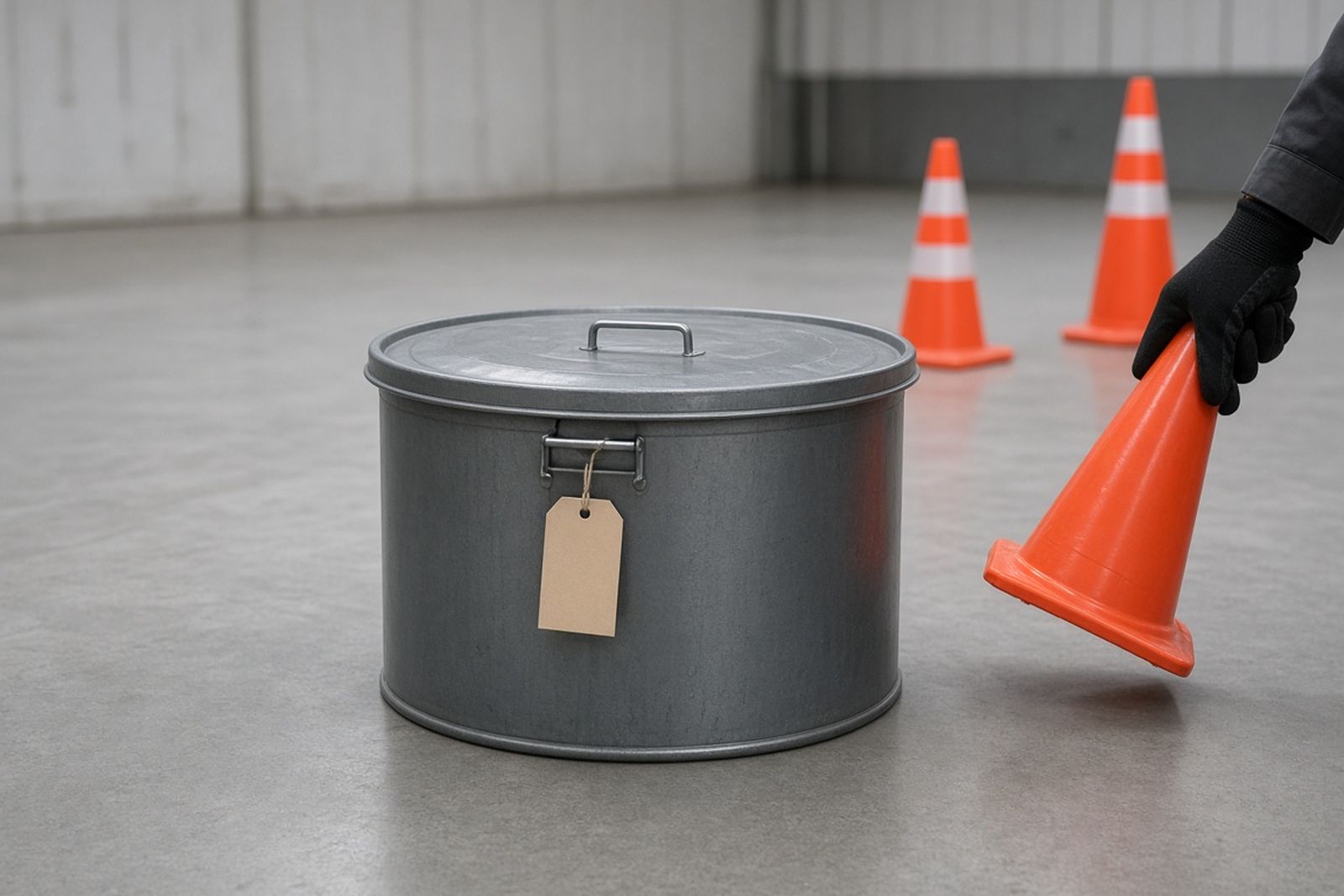
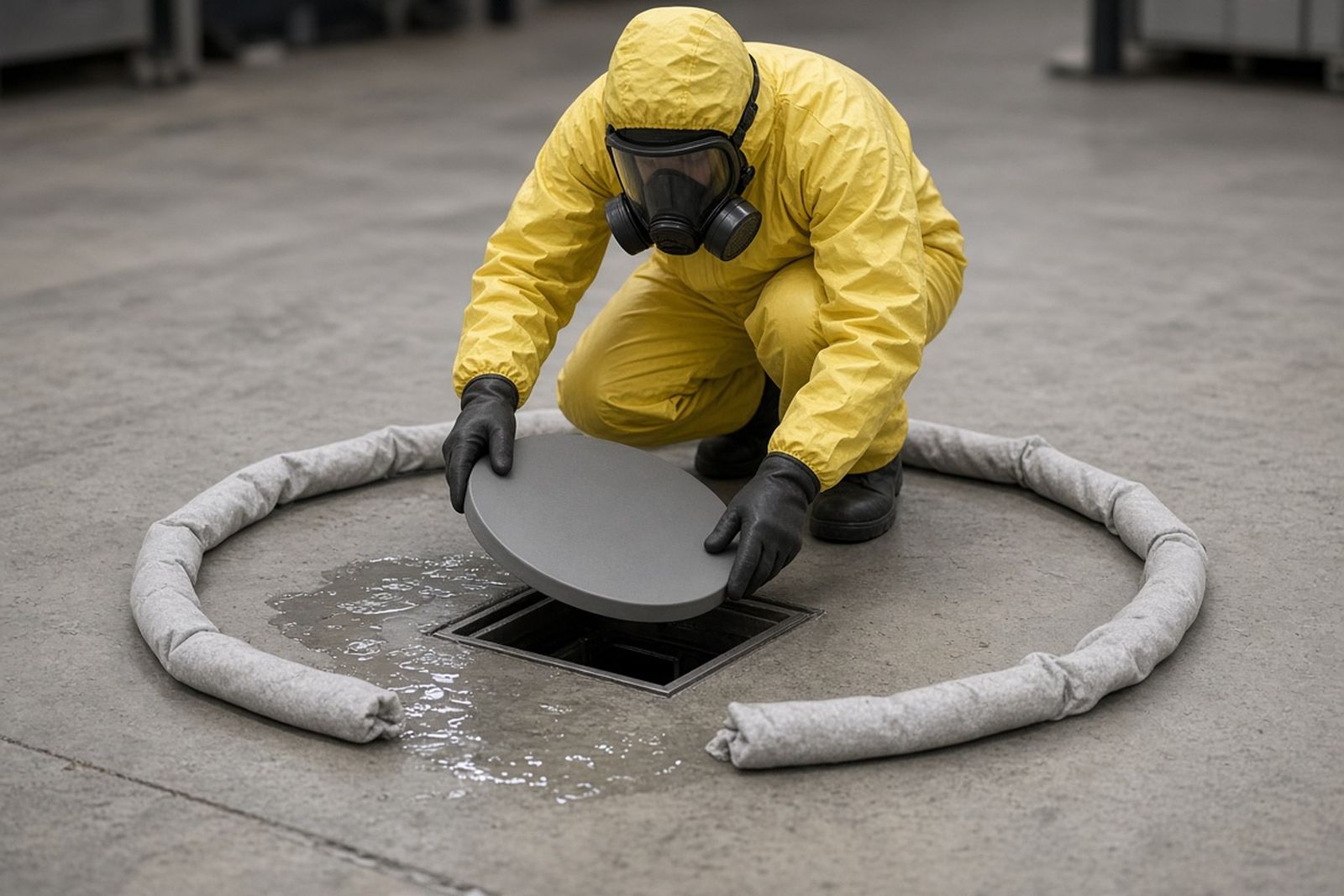
At a business with a plan, the trained team has often closed off the aisle before the crew arrives. They have ringed the edge of the pool with supplies from the spill kit and pulled the safety data sheet. A safety manager meets the crew, confirms if anything reached a floor drain, and asks if the release might need to be reported. The crew neutralizes or collects the material. They put the waste in drums for testing, check the floor, and hand over records for the files.
At a home, the best start is a family that has left the garage and opened the door. That is exactly the right move. The crew shuts off anything that could light the vapor, such as a water heater pilot. They soak up fuel from the concrete with absorbents and remove soaked boxes or rugs. They air out the space and test vapor levels before saying it is safe to use. You usually get a shorter report and a disposal receipt.
The chemistry may be just as simple in both cases. The difference is that the business had a plan and a trained team. The household had good instincts and a phone.
What should I take away if I own a home or run a business?
If you run a business, know your chemicals. Train your people to the level you expect them to act. Keep safety data sheets and spill supplies where they are needed. Have a cleanup company's number ready before you need it.
If you own a home, store chemicals in the containers they came in, away from heat and from each other. Never mix cleaning products. Treat any spill with fumes or an unknown product as a reason to leave and call.
In both cases, find out what the chemical is before anyone cleans. Hire people whose training and methods match the hazard.
Buildings with shops below and homes above need extra thought. A ground-floor dry cleaner, nail salon, or auto shop brings business chemicals into a place where people live. If you live in or manage a building like that, find out what the business stores and where its spill supplies are. Ask how you and your neighbors will be told to leave or stay inside if something goes wrong.