Short answer
Hazmat spill response started with makeshift firefighting and washing chemicals down drains. It grew into a planned, skilled field. Federal cleanup and worker safety laws created HAZWOPER training based on each worker's role. Right-to-know rules gave communities facts about the chemicals near them. Incident command brought order when many agencies responded at once. Better air testing and protective gear made it safer to identify and contain spills. Today the focus is on identifying, containing and writing things down, not just watering spills down.
Before hazmat was a specialty
For many decades, a chemical spill was treated much like any other emergency. Fire departments arrived, and the most common tool was water. Hosing a spill down a drain or into a ditch made the area look safer. Watering it down was widely seen as the answer.
That approach had serious flaws. Some chemicals react violently with water. Others just moved, carrying pollution into sewers, streams and groundwater. Responders often knew little about what they were facing. They had little protective gear beyond their standard fire gear.
Industrial self-cleanup and early contractors
Factories and plants handled their own spills with whatever crews and supplies they had. Records of what spilled, how much and where it went were often incomplete or missing. The long-term effects of those habits still show up today. Many polluted sites needed cleanup years later.
Private cleanup services existed, but many were general contractors or waste haulers without chemical training. They could remove soaked materials and haul them away. But few could say whether the waste was hazardous or where it should legally go.
What pushed the country toward organized spill response?
A series of well-known pollution cases and chemical disasters, at home and abroad, changed what the public paid attention to. Communities found buried waste under neighborhoods. They found rivers polluted by factory waste, and chemical leaks that made people living near plants sick.
Congress answered with a set of environmental laws. These created programs to clean up polluted sites. They set rules for handling hazardous waste from the moment it is made until it is thrown away. They also set up planning for chemical emergencies. Those laws set a basic rule that still guides spill response. Spills must be identified, contained, reported where required and cleaned up by trained people.
They also created the idea of a community right to know. Sites storing certain chemicals had to share facts with local emergency planners. In many cases, they also had to report spills publicly. That data helped responders get ready before an emergency, instead of learning about dangers at the scene.
Where did HAZWOPER training come from?
As cleanup programs grew, it became clear that workers at hazardous waste sites and emergency responders needed special protection. OSHA wrote the Hazardous Waste Operations and Emergency Response standard, often called HAZWOPER. It set rules for training, medical checkups and safety programs.
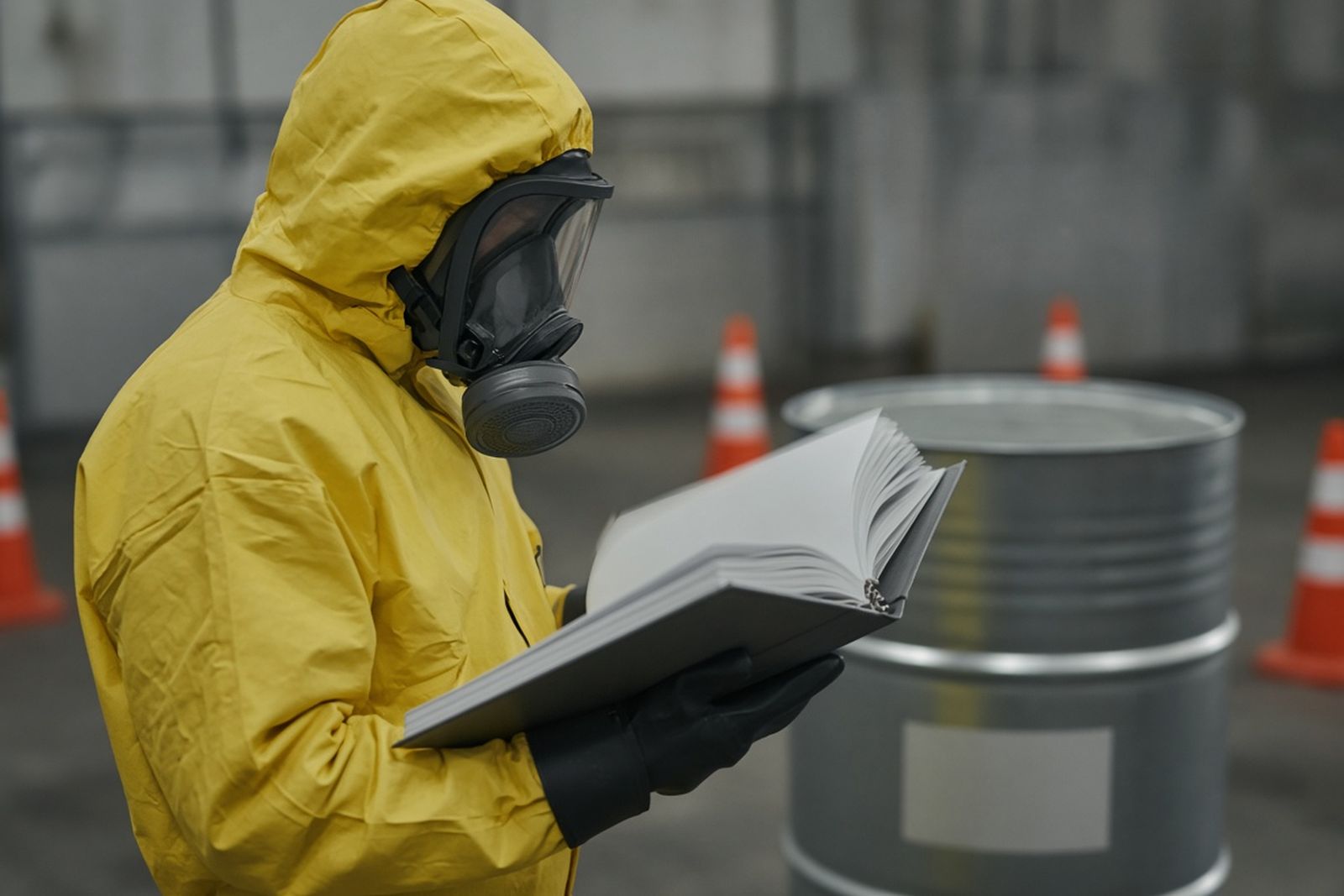
The rule sorted workers by role. Site workers, supervisors and emergency responders at different levels each got set training rules. These range from awareness training for people who might find a spill to technician and specialist levels. Those higher levels are for the people who stop the spill and clean it up.
That role-based approach changed the industry. Spill response companies began building training programs, tracking certificates and staffing jobs by skill level. Customers gained a way to ask whether a crew was trained for the work it was being asked to do.
- Awareness level for workers who may find a spill
- Operations level for defensive steps to hold a spill back
- Technician level for stopping and cleaning up spills
- Specialist and incident commander roles for complex events
- Site worker and supervisor training for cleanup work
Incident command and planning ahead
Big spills rarely involve one agency. A spill from a highway tanker might bring fire departments, police, state environmental staff, the carrier, a spill company and a waste hauler to the same scene. Early responses often suffered from confusion about who was in charge and who was doing what.
The incident command system grew out of wildfire fighting and spread to other emergencies. It gives every response a clear structure. There is a single commander or a unified command, set roles and standard terms. It lets agencies that rarely work together team up quickly.
For property owners, incident command means there is a person you can ask for information. It also means there is a clear process for choices such as when to leave and when to go back in. Spill companies usually work within that structure when public agencies are involved.
Planning moved earlier as well. Local emergency planning committees, site response plans and regular drills mean that many communities and businesses now practice a spill before one happens. When a spill does happen, responders are more likely to know the site, the chemicals stored there and the people they will work with.
From smell to instruments
Early responders often had to identify chemicals by label, warning sign or smell. Smell is not reliable. Some dangerous gases have no smell at all. Others dull your sense of smell at higher levels.
Portable testing tools changed that. Multi-gas meters, vapor detectors and color-change tubes gave responders a far better picture of what they faced. Later came field tools that could identify specific chemicals. Nonstop air testing during cleanup also made decisions about going back in more reliable.
Better suits and formal decontamination
Protective gear improved at the same time. Chemical-resistant suits rated for certain materials gave responders more choices. So did air-supplied and self-contained breathing gear, and better gloves and boots. Reference tools such as the DOT Emergency Response Guidebook helped the first crews on scene choose their first steps. They based those steps on the warning sign or ID number on a vehicle.
Cleaning off responders also became more formal. Responders learned to set up wash-down lines at the edge of the work zone. That way the contamination stayed behind when they left. This protected their vehicles, their families and the people waiting outside the tape.
How reporting became part of the job
In the early years, a spill often ended when the liquid you could see was gone. Today, the paperwork is as much a part of the response as the absorbent. Federal, state and local rules require some spills to be reported, sometimes within hours. Many sites must keep records of spills and how they were handled.
Reporting grew in importance as agencies saw how much they could learn from patterns. Once reports were collected and studied, trends came into view. These included repeat spills at the same site and common causes such as hose failures or forklift punctures. Problems that kept coming back with certain containers also showed up. Federal investigators and state agencies now use that information to shape advice on preventing spills.
For spill companies, this meant building records into every job. That includes daily logs, air test data, photos, waste profiles and shipping records. For property owners, it means a well-run response leaves behind a file. That file can answer questions from regulators, insurers, buyers or neighbors long after the crew is gone.
What recent trends show
Spills during shipping are still a major source of spills. PHMSA data, as summarized by ICC Compliance Center in 2021, show reported hazmat shipping incidents rose from about 15,000 to just over 21,000 per year between 2011 and 2020. Part of that rise may reflect changes in reporting. But it shows how often spills happen on the move.
Spills at sites tell a somewhat different story. EPA's 2023 TRI National Analysis says TRI chemical releases in 2023 were 21 percent lower than in 2014, with air emissions down 32 percent. Those numbers cover reported releases from regulated sites, not emergency spills. But they suggest that prevention and control programs have made progress.
Major events still shape what the public expects. According to EPA, 20 of the rail cars in the February 2023 East Palestine, Ohio derailment held hazardous materials. Events like that keep attention on response planning, talking with the community and long-term cleanup.
Modern practice vs. the old way
Take one made-up event and run it through two eras. A small tanker truck is leaking diesel fuel at a rural gas station after a hose fails.
In the older approach, the local fire department arrives and washes the fuel off the pavement with a hose. The watered-down fuel flows into a roadside ditch and a nearby creek. No one tests the air and no one reports the spill. Months later, a neighbor notices a shiny film on the creek.
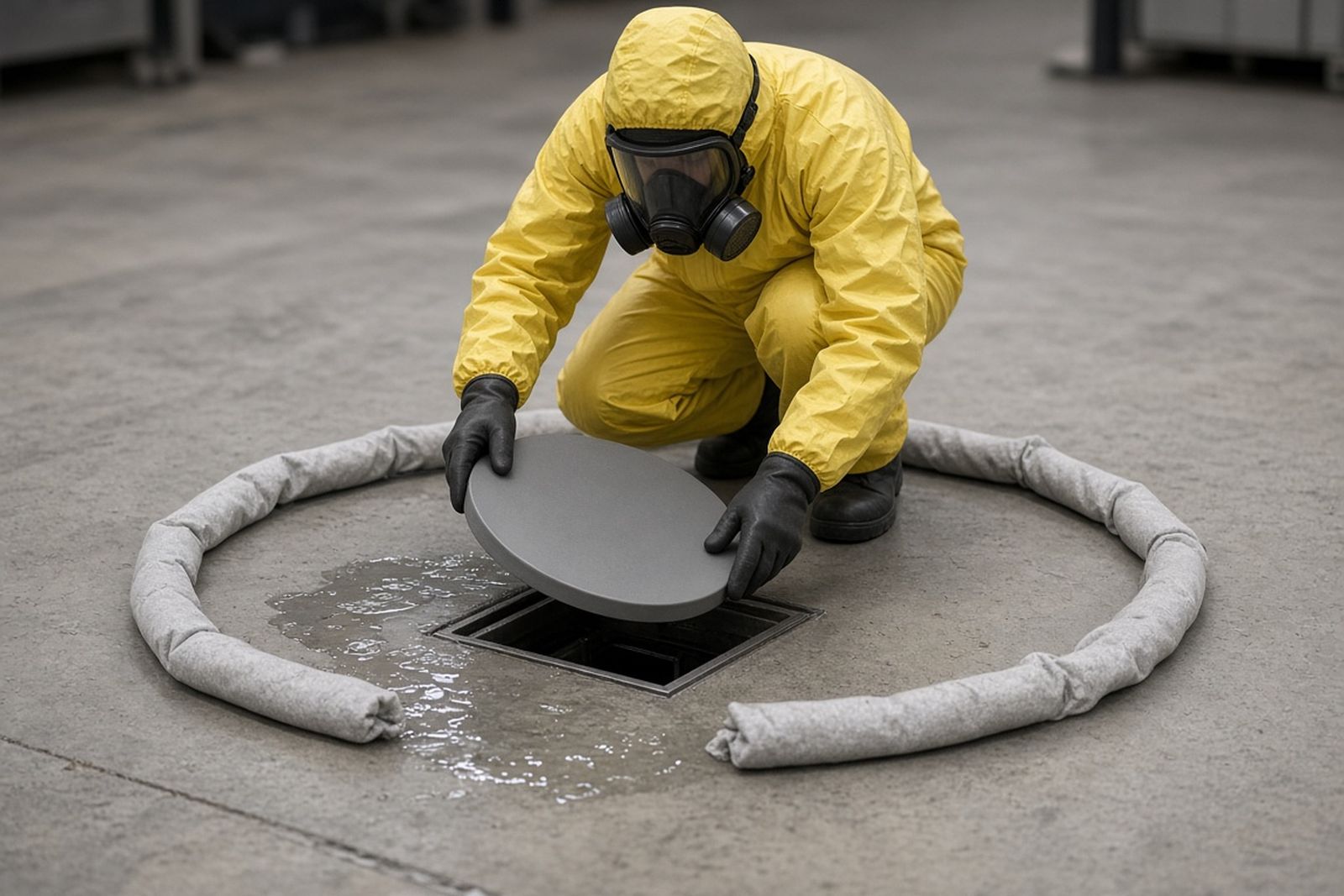
In the modern approach, the fire department secures the scene and removes anything that could spark a fire. A spill company blocks the storm drain and puts floating barriers along the ditch. The crew tests the air for fumes that could catch fire. It collects the fuel with absorbents and a vacuum truck, digs out stained soil if needed and packs the waste for proper disposal. The station owner is told about possible reporting duties. The company provides air test logs, photos and waste shipping records. The difference comes from decades of lessons.
What this history means for the contractor you hire
Knowing how spill response grew helps you spot outdated methods. Watch out for a company that suggests washing a spill down the drain, skips air testing or brushes off reporting questions. It is working from an approach the field dropped long ago.
Look for a company whose habits reflect what the industry has learned. That means training based on roles and respect for incident command. It means identifying a spill before acting, and containing it instead of watering it down. It also means testing the air throughout, handling waste properly and keeping complete records.
You can also use this history as a set of questions. Ask a company how it identifies unknown materials and how it chooses protective gear. Ask how it tests the air and what records it will leave behind. Each answer will tell you whether its methods reflect current practice or an earlier era.