Short answer
Evaluate hazmat spill equipment by matching it to the specific chemicals, quantities, and locations involved. Look for calibrated air monitoring, protective suits and respirators rated for the substance, containment tools for drains and waterways, compatible absorbents or neutralizers, recovery pumps, decontamination supplies, and approved waste containers. Ask how the equipment is maintained and whether crews are trained to use it at the level the job requires.
Equipment has to match the chemical
Hazmat equipment is not one-size-fits-all. A glove that holds up to an acid may fail quickly against a solvent. An absorbent that works for oil may react with an oxidizer. A pump that moves water may not be safe to run in a flammable atmosphere.
That is why a good proposal starts with the substances on your site. The provider should ask for safety data sheets, container sizes, storage locations, and nearby drains or waterways before recommending gear. If you receive a generic equipment list with no reference to your chemicals, ask how it was chosen.
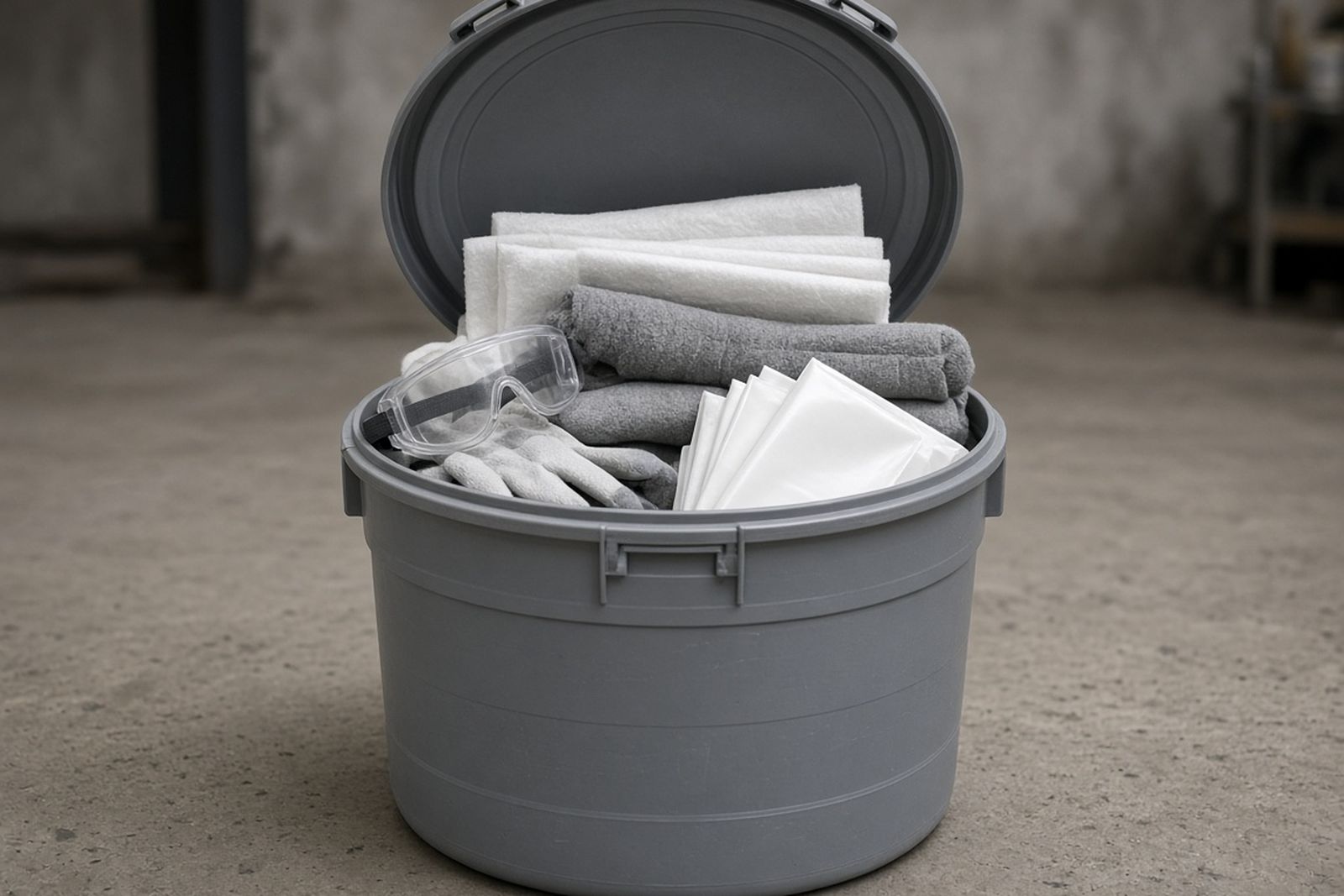
The same logic applies to spill kits you keep on site. A kit designed for a vehicle maintenance shop will not suit a laboratory, a pool supply store, or a farm chemical shed.
Quantity changes the equipment as much as chemistry does. A few quart bottles on a shelf call for a small kit. A tank, a bank of totes, or a delivery tanker parked at your dock calls for pumps, larger containment, and more absorbent than any cabinet kit can hold.
Air monitoring instruments
Air monitoring is the first line of information. Multi-gas meters commonly measure oxygen levels, flammable gases as a percentage of the lower explosive limit, and specific toxic gases such as hydrogen sulfide or carbon monoxide. Photoionization detectors measure many volatile organic compounds.
Some chemicals call for specialized detectors, colorimetric tubes, or sampling pumps that collect air for laboratory analysis. The right instrument depends on what spilled.
Calibration matters. Meters must be bump-tested and calibrated on a schedule so their readings can be trusted. Ask the provider how often their instruments are checked and whether records are available. A reading from an uncalibrated meter can create false confidence.
Monitoring continues throughout the job, not just at entry. Readings change as liquid is disturbed, as temperatures rise during the day, and as containment is moved. Ask whether monitors will be worn by the entry team, placed at the zone boundaries, or both.
- Multi-gas meter for oxygen, flammability, and common toxic gases
- Photoionization detector for many volatile organic compounds
- Colorimetric tubes or chemical-specific sensors where needed
- pH paper or meters for corrosive liquids
- Sampling equipment for laboratory confirmation
How should I judge protective suits and respirators?
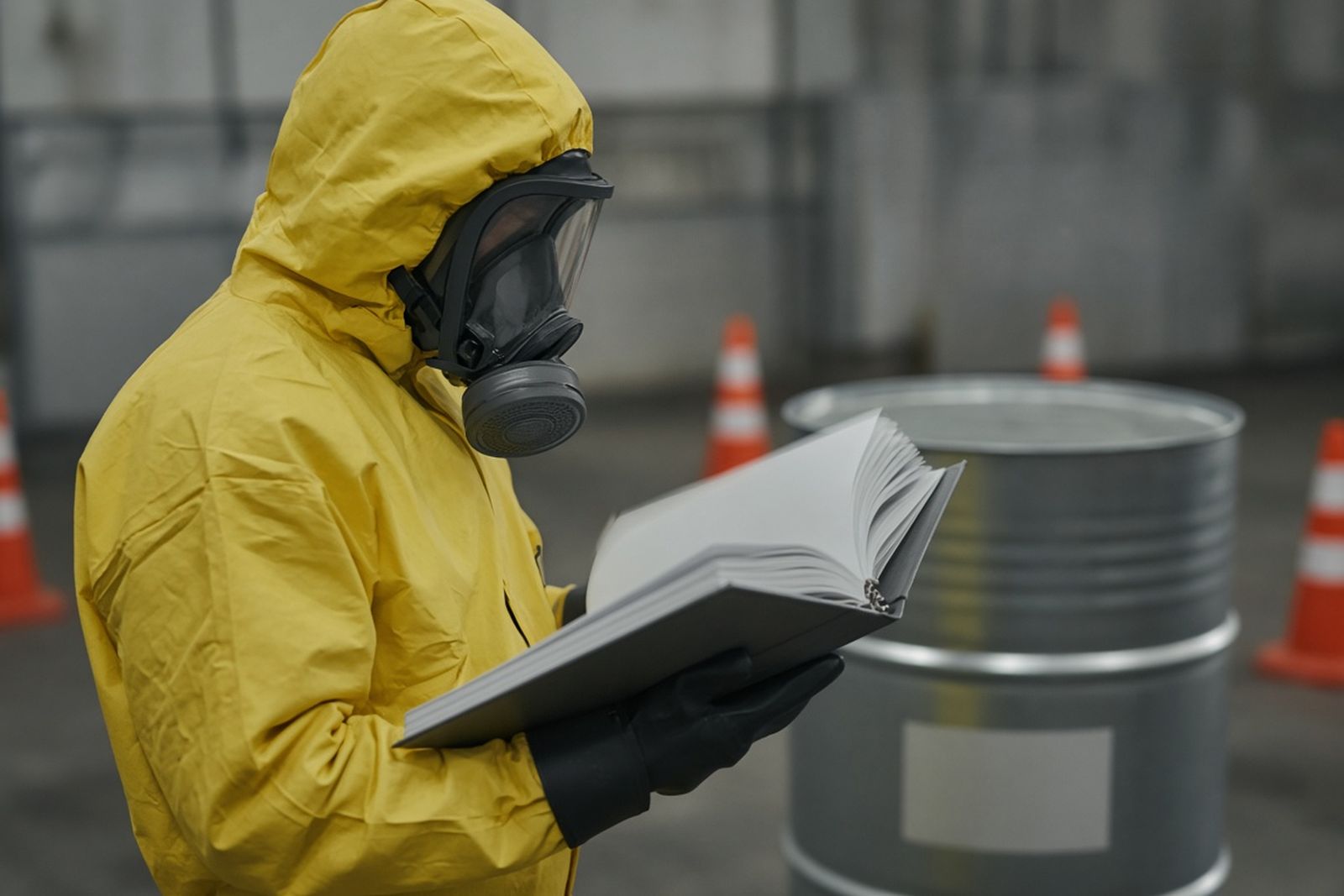
Protective clothing is chosen by chemical and task. Suits range from fully encapsulating gas-tight suits worn with self-contained breathing apparatus to splash-resistant coveralls worn with air-purifying respirators. Gloves and boots are selected separately, often in layers.
Manufacturers publish permeation data showing how long a material resists a specific chemical before it breaks through. A careful provider checks that data for your substances rather than relying on a single suit type for every job.
Respirators must fit the wearer and be rated for the hazard. Air-purifying respirators need cartridges matched to the chemical and are not suitable where oxygen is low or concentrations are unknown. Ask whether crew members are fit-tested and medically cleared for the respirators they will wear.
Heat stress and a quick warning sign
Heat stress is a practical limit. Chemical suits trap body heat, and crews may need rest breaks, cooling vests, and shade or rehab areas, especially outdoors in summer. A provider who plans for that is more likely to finish the job safely.
If a provider proposes only disposable coveralls and dust masks for a chemical spill, that is a warning sign.
Containment for drains and waterways
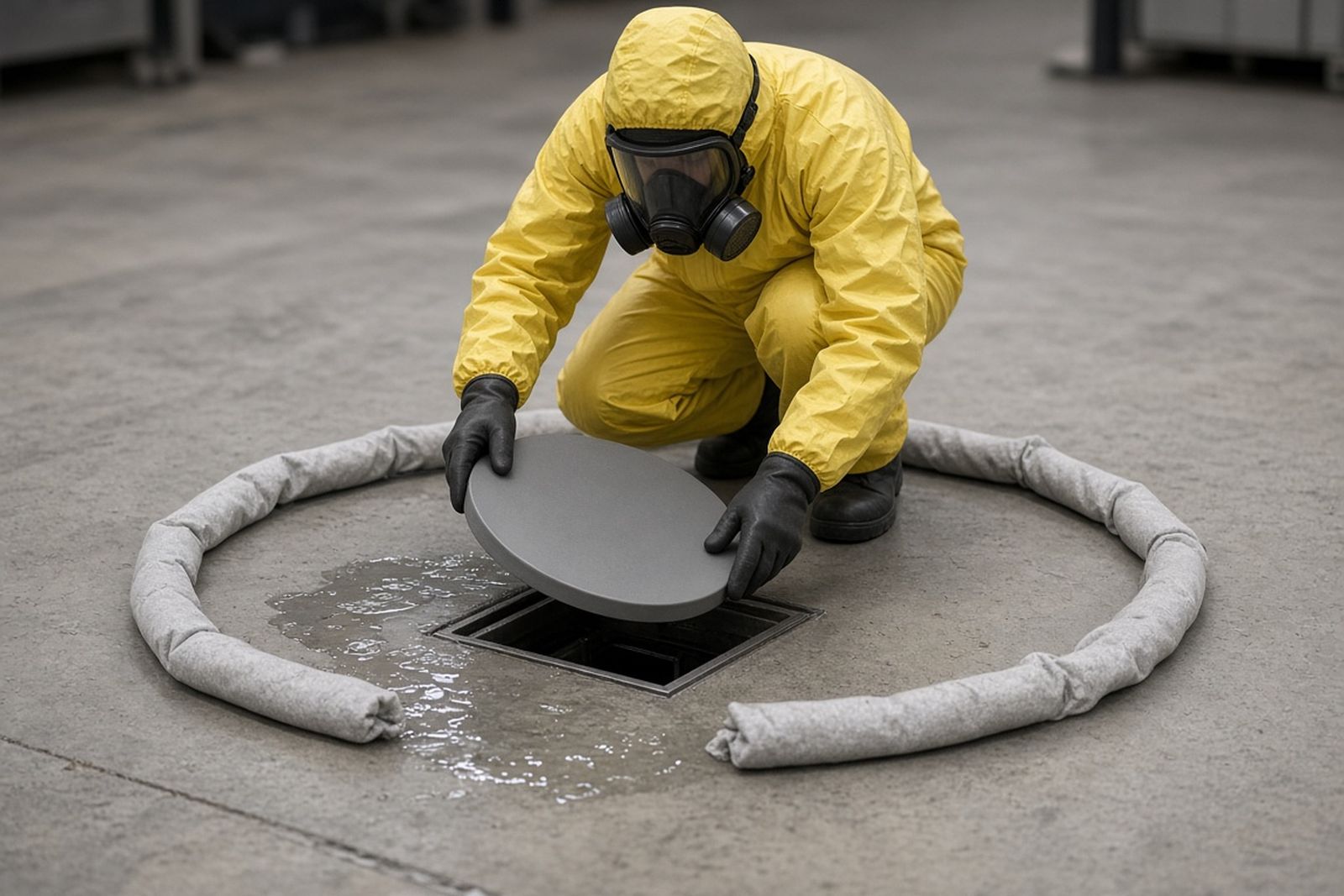
Containment keeps a spill from growing. Drain covers made of polyurethane or similar materials seal storm and floor drains quickly. Drain plugs and inflatable stoppers block pipes. Absorbent socks and booms surround a pool of liquid or stretch across a ditch.
Outdoors, portable berms and dikes create barriers on pavement or soil. For spills that reach water, floating booms contain oil and other floating materials, while other substances may require different strategies because they sink or dissolve.
Ask whether the provider brings enough containment material for the largest container on your site, not just for a small drip. A single burst tote can release more liquid than a basic kit can hold.
Indoors, containment may also mean controlling air. Responders might shut down ventilation that would spread vapors, or set up exhaust fans rated for the atmosphere to move vapor away from occupied areas. Ask how airflow will be managed if the spill is inside a building.
Absorbents, neutralizers, and recovery pumps compared
Absorbents come in pads, rolls, pillows, and loose granules. Universal absorbents handle many liquids. Oil-only absorbents repel water and pick up hydrocarbons. Specialty absorbents are designed for acids, bases, or other aggressive chemicals. The provider should confirm that the absorbent will not react with your material.
Neutralizers are used for acids and bases. Many include color indicators that show when the reaction is complete. They must be applied slowly because neutralization produces heat and sometimes gas.
For larger spills, recovery equipment such as pneumatic diaphragm pumps or vacuum units moves free liquid into drums or tanks. In flammable environments, pumps and hoses must be rated for that use and properly bonded and grounded to prevent static sparks.
Hand tools are part of the kit too. Non-sparking shovels and scoops, spill-rated containers, and tools for righting or overpacking damaged drums all appear in a well-equipped proposal.
Decontamination and waste equipment
Decontamination equipment lets people and tools leave the spill area without spreading contamination. Expect pools or basins, brushes, sprayers, and solutions matched to the chemical, along with bags and drums for used suits and rinse water.
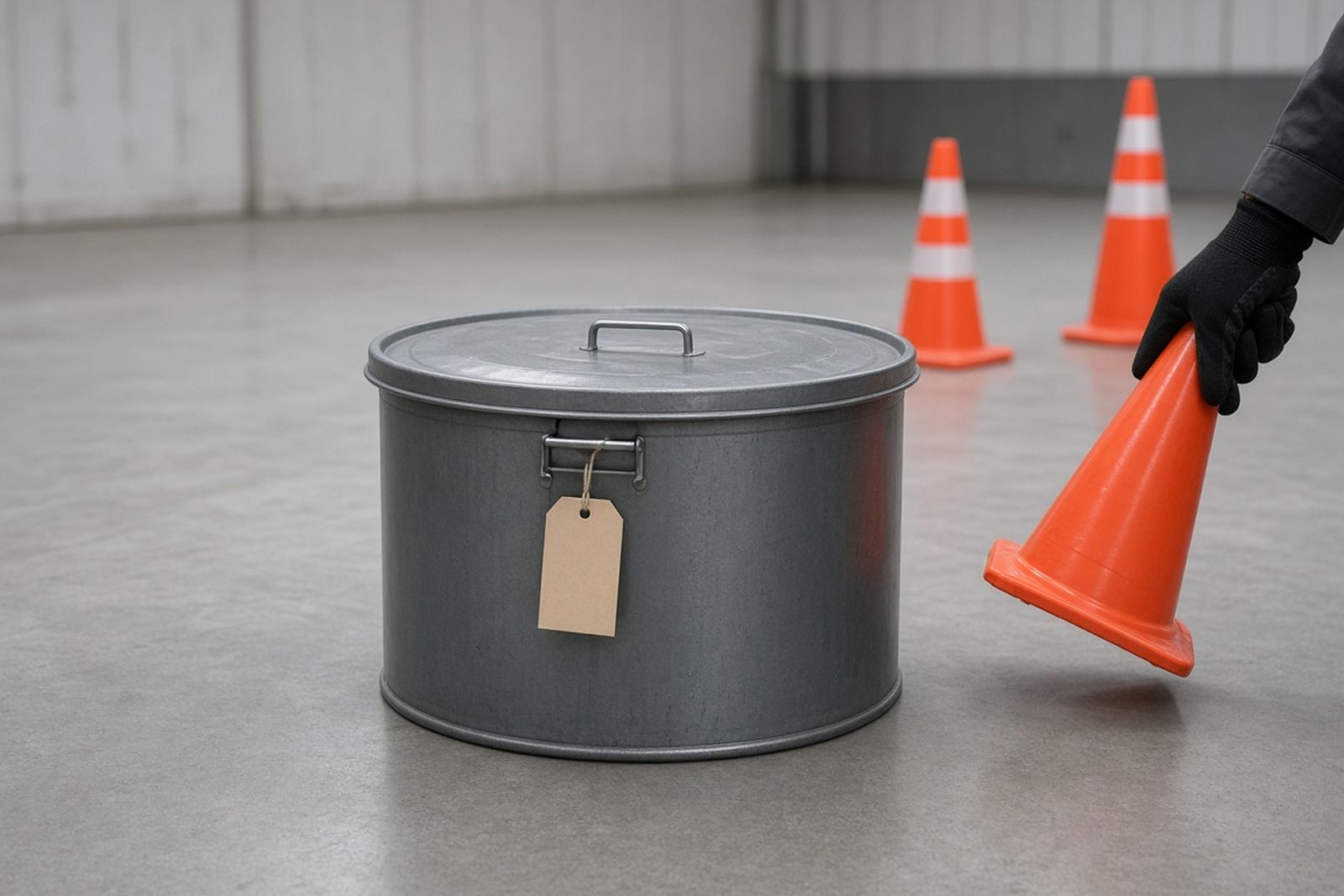
Waste containers include open and closed-top drums, overpack drums that hold a leaking container inside, lined boxes, and roll-off containers for large volumes of soil or debris. Each must be compatible with the material and labeled correctly.
The provider should name the licensed hazardous waste transporter and receiving facility, or explain how those will be arranged once the waste is profiled.
Ask where decontamination will take place and how rinse water will be collected. A decon line set up next to an open drain defeats the purpose of every containment step that came before it.
Does training matter as much as the equipment itself?
Equipment is only as good as the people using it. OSHA's HAZWOPER standard sets minimum training that differs by role, from responders who take defensive actions at a distance to technicians who enter the hot zone and workers who handle cleanup afterward.
Ask what training level the crew holds for the work proposed. Technicians who enter a hot zone and stop a leak need different training from workers who help with cleanup after the area is stabilized.
Refresher training and hands-on practice also matter. A crew that rarely uses encapsulating suits or recovery pumps may struggle with them under pressure.
You can reasonably ask for copies or summaries of training certificates for the crew assigned to your site. A provider confident in its training will not hesitate to share them.
Two kinds of equipment proposal
Proposals for on-call spill service tend to fall into two groups, and the difference is easy to see once you know what to look for. Take a site that stores fertilizers, herbicides, and fuel in a metal building near a creek, which is common at landscaping companies and farms.
A weak proposal offers a universal spill kit in a wheeled bin and says the crew carries whatever else it might need. It lists no air monitoring and never mentions the creek.
A strong proposal starts by asking for the safety data sheets. It recommends separate kits for fuels and for agricultural chemicals, drain covers for the building's floor drain, a boom that can be deployed across the drainage swale toward the creek, and overpack drums sized for the largest containers. It names the monitoring instruments responders carry, such as a multi-gas meter and a PID, and notes the training level of the on-call crew.
Whichever provider you choose, schedule a walk-through so the crew knows the building layout, the drains, and the route to the water before any spill happens.
Questions to ask before approving the list
Before approving, walk through the list with the provider and picture your worst realistic spill. Would the containment hold it? Would the protective gear suit the chemical? Would the monitors detect the hazard? Gaps become obvious quickly when you think about a specific container failing.
Use the same list of questions for every provider and ask for written answers. Keep them with your spill plan so you can check that the equipment on site still matches your chemicals as inventory changes. Your local fire marshal can confirm storage requirements for the quantities you keep.
- Which of our chemicals was this equipment chosen for?
- How are your air monitors calibrated, and can we see records?
- What suits, gloves, and respirators will crews wear for each substance?
- How will drains and nearby waterways be protected?
- Which absorbents or neutralizers will you use, and are they compatible?
- What training level does the crew hold for this work?