Direct answer
The short answer for San Francisco, CA
In San Francisco, tall housing, steep hills, and closely linked drains turn a chemical or fuel spill into a safety and spread problem long before it is a cleaning job. This guide explains how to close off one floor or many. It covers using the Safety Data Sheet (SDS) instead of home-made neutralizing, and controlling sparks in basements and elevator pits. It also covers working with fire and city environmental staff, waste records that may fall under federal hazardous waste law (RCRA), and written final checks. It does not claim any crews are stationed nearby or promise an arrival time.
Editorial guide · Biohazard Remediation NetworkUpdated 2026-07-22Location focus: San Francisco, CA
Local planning context
Hilly streets, basement mechanical rooms, soft-story parking, and shops on the ground floor shape how spills show up here. A small amount on a steep driveway can travel farther and faster than the same amount on a flat inland lot. Elevators, light wells, and shared hallways can carry fumes up through floors where people live. Managers and HOAs often learn of a spill through smell complaints rather than seeing it. Their job is to hold the perimeter and make the emergency call. It is not to name the product or have night staff neutralize it.
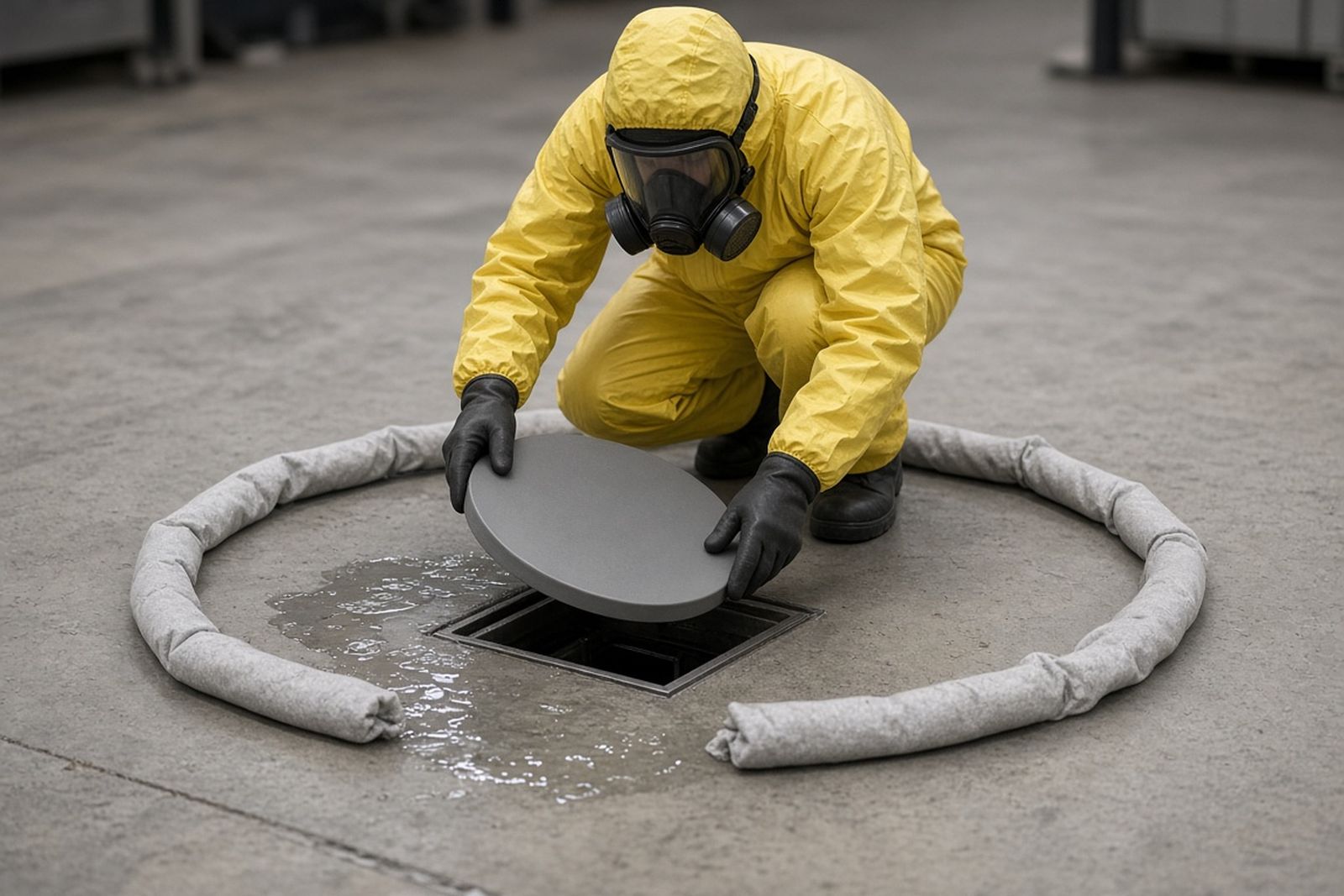
The city's drains are combined or closely linked. So hosing a spill away can send product into systems that empty into the Bay or into treatment plants. That widens both reporting and cleanup. Leave or shelter as directed, and keep untrained vendors out. Avoid shop fans that push unknown fumes into living floors. A paint can label or an SDS page grabbed from the manager's desk, never from the basement itself, gives SFFD a head start. A report to the National Response Center may apply for certain oil and hazardous substance spills that threaten the water. California DTSC and local environmental health programs set the state and city rules for hazardous materials.
Stacked living means more people to keep informed. Note which units, stairwells, and garage levels were closed. Record any air system or garage exhaust steps that responders ordered. From a safe distance, photograph the path a sheen took down a slope. Waste testing, the waste shipping record, and reopen targets matter to insurers and to boards pushed to restore elevators and parking. After solvent or fuel fumes, a space that only looks clean is not cleared. This planning is about the right order and following the rules. It is not about sales claims of stationed teams or fixed response times.