Free hazmat spill response tool
Hazmat Spill Response First 24 Hours Planner
Tell the planner a few facts about the situation and get an ordered list of who to call, what not to touch, and what to photograph.
The first minutes after you find a spill shape everything that follows. The spill may be a chemical, fuel, oil, solvent, battery, or unknown liquid. This planner asks about your situation. Have emergency crews already released the scene? Are workers, tenants, or the public nearby? Is there an odor or visible vapor? Are there sharp pieces, like broken drums or glass? Are animals on site? Do you lease the property? It then gives you an ordered action list. The list shows who to call and in what order, what not to touch, and what to photograph. It puts saving lives first. Then come closing off the area and protecting drains, then reporting, then records. That way your response holds up from the start.
The planner is made for managers who are not hazmat responders. It will not ask you to identify a chemical by sight or smell, neutralize anything, or enter a space with vapors. It will remind you to pull the safety data sheet and to keep people upwind and away. It will remind you to cover storm drains if you can do it safely from outside the spill, and to never wash anything down. It also reminds you that reporting limits exist and vary by substance, state, and county. When you are unsure, the right move is to identify the product and call your state environmental agency or emergency services. Do not wait. Rented property adds a lease review and a call to the landlord.
How to use it
- 1Answer the questions carefully. Include whether responders have released the scene and whether you notice vapors or odor.
- 2Follow the list from the top. Finish clearing the area, closing it off, and removing anything that could spark before anything else.
- 3Take the photographs the planner describes from a safe distance, focusing on the source, the spread, the drains, and any labels or placards.
- 4Make the calls in the order shown. Start with emergency services when needed, then your response contractor, your managers, and the right agency.
Prefer to ask a person?
Your request is sent to the follow-up inbox. A coordinator can reply by email. Not for emergencies; call 911 first if anyone is in danger.
Plan the first 24 hours
Hazmat Spill Response: first 24 hours planner
Answer a few questions and the planner orders the next steps. It does not dispatch help and cannot replace emergency services.
Your ordered plan (6 steps)
- 1
Keep people and pets out of the affected area
Close the door and keep the area sealed until a qualified provider assesses it.
- 2
Photograph from the doorway before anything moves
Take wide shots first, then closer shots of stains, damage and belongings. Do not step into the area to do it. These photos support insurance and estate records.
- 3
Report the loss to your insurer and get a claim number
Ask the adjuster whether they need to inspect before materials are removed, and whether they have a list of approved remediation providers. Coverage depends on the policy and the cause of loss.
- 4
Call a qualified remediation provider for an assessment
Describe what happened, the rooms involved, and any odor, fluids or sharps. Ask which OSHA standards apply to hazmat spill response and for proof of training and insurance before work starts.
- 5
Start a written log
Record who you spoke to, when, and what they said. Keep receipts for lodging, boarding, locks and any emergency purchases.
- 6
Look after the people involved
If a death or violent event is involved, victim assistance programs, hospice bereavement teams and the 988 Suicide & Crisis Lifeline can help. You do not need to manage this alone.
A worked example
Suppose a made-up property manager gets a call from a tenant in a small industrial building. The tenant reports a strong solvent smell and a wet area spreading from under a neighboring unit's door. She opens the planner. She notes that no responders have been called and that tenants are in nearby units. She notes a strong odor, no sharp debris, a tenant's dog in one unit, and a building leased to several businesses. The planner starts with clearing the hallway and nearby units. It says to keep people upwind and away from the door. It says to call emergency services because the material is unknown and vapors are present. It tells her not to open the unit and not to switch anything on or off in the hallway. It also tells her not to try to soak up or wash the liquid. From outside, she photographs the door, how far the liquid spread, the nearest outdoor storm drain, and the tenant's signs. The planner then tells her to notify the building owner, the owner's insurer, and the tenant's emergency contact. It tells her to write down every call. Later, once the scene is released, she calls a response contractor. She also calls the state environmental agency. She asks whether the spill, now named from the tenant's SDS, needs a formal report.
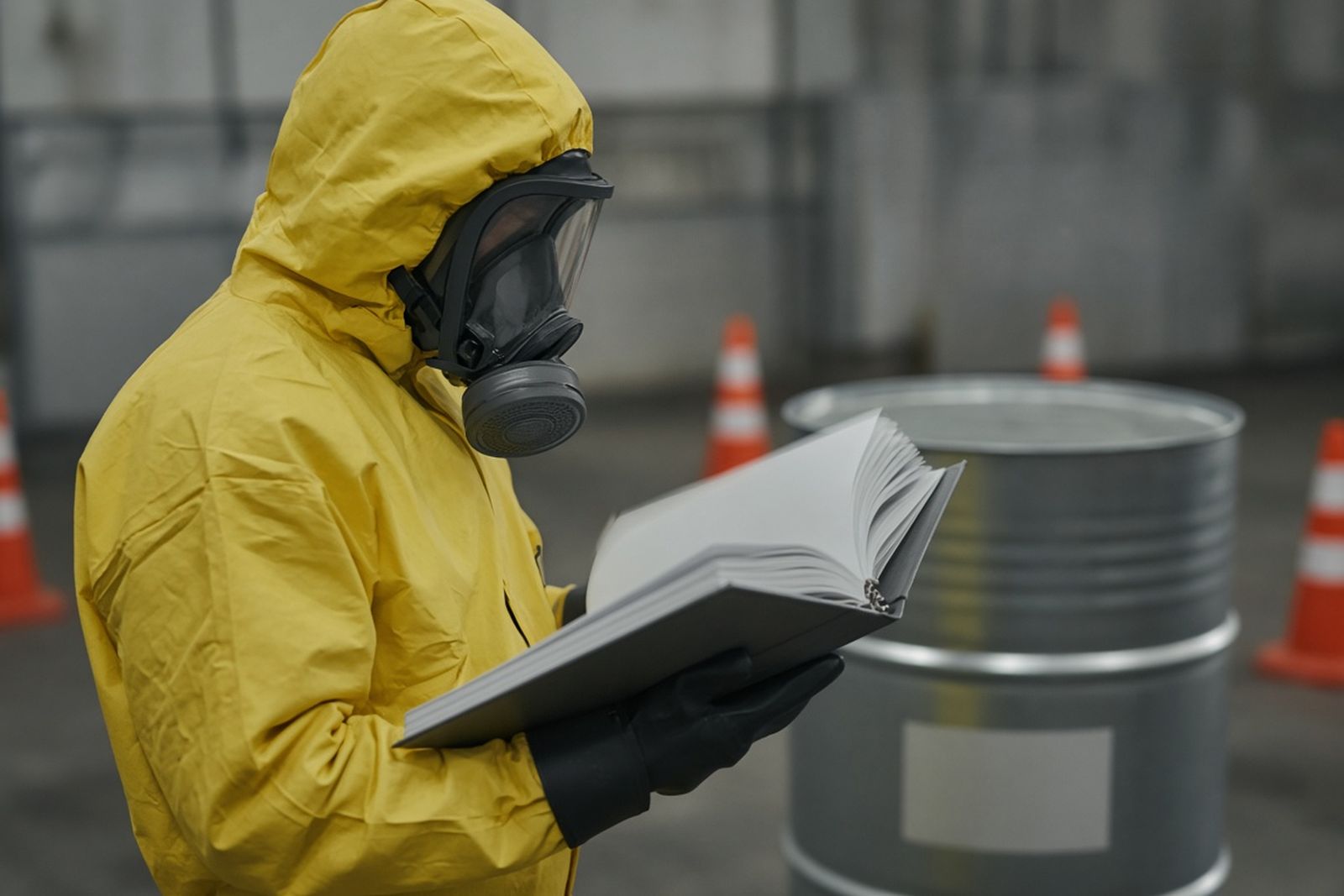
Numbers behind 24-hour planner decisions
- 20.4%
US poison centers received 45,550 exposure calls related to cleaners and disinfectants in January-March 2020, a 20.4% increase over the same period in 2019.
Read with care: Reflects calls, not confirmed poisonings, and covers an unusual pandemic period with surging disinfectant use.
Source: CDC (2020)United States, National Poison Data System, January-March 2020 vs 2019
- 24–48 hours
EPA advises drying water-damaged areas and items within 24 to 48 hours to prevent mold growth.
Read with care: The window is shorter in warm, humid conditions.
Source: US EPA (2026)Residential guidance, United States
- 2–5x
EPA reports that concentrations of some indoor pollutants are often 2 to 5 times higher than typical outdoor concentrations.
Read with care: Refers to common pollutants such as VOCs, not specifically to drug or chemical residues.
Source: US EPA (2026)US indoor environments, general
- 16-21%
Handwashing reduces respiratory illnesses, like colds, in the general population by 16-21%, per the CDC.
Read with care: Effect sizes come from community studies and vary by setting; handwashing alone does not prevent all respiratory infections.
Source: CDC (2024)General population, CDC summary of published studies
These figures are public research and agency data, not this network's own job records. Keep each number with its population, year and limits; none of them predicts cost, timing or outcome at a specific property.
First 24 Hours Planner questions for hazmat spill response
When should I call emergency services rather than a contractor first?
Call emergency services right away in any of these cases. Someone is exposed or hurt. Vapors or odors are present. The material can burn or is unknown. The spill is spreading toward drains or off your property. Or you cannot safely close off the area. A contractor comes after the scene is stable, or when responders tell you to arrange cleanup.
What should I never do in the first hour?
Do not walk into vapor. Do not try to identify a liquid by smell. Do not add water or neutralizers. Do not run fans without first checking the SDS to see if the product can burn. Do not wash the spill toward a drain. Do not put soaked absorbents in regular trash. Each of these can turn a contained spill into an injury or a spill you must report.
How do I protect a storm drain safely?
If a drain cover or absorbent sock can be placed from outside the spill without walking through liquid or vapor, do so early. If reaching the drain means entering the hazard, wait for responders and tell them where the inlet is. Knowing your drain locations before an incident is the most valuable preparation for this step.
Why does the planner ask about animals?
Pets, guard dogs, and livestock can be exposed to vapors or walk through liquid and spread contamination. The planner adds steps to remove or secure animals and to keep them out of the area until the surface is verified clean. Veterinary attention may be needed if an animal was exposed.
What photographs support later decisions?
From a safe distance, photograph the source container and any label or warning sign. Capture how far the liquid spread and which way it is moving. Capture any drains, soil, or plants it reached. Capture any containment you placed and the area around it before cleanup. Photos with time stamps help contractors plan the job. They also help insurers and agencies understand what happened.
What does the scene release toggle mean for a chemical spill?
For spills, it usually refers to the fire department or incident command confirming that the emergency phase is over and cleanup can begin. Until that happens, leave the toggle unchecked so the planner reminds you not to start cleaning. Ask the officer in charge to confirm the release, and write down their name and the time in your incident log.
Can I copy the planner's steps into our written spill procedure?
You can use the copied plan as a starting point, but tailor it before adding it to your procedure. The planner is built for many kinds of cleanup and includes steps, such as handling sharps, that may not apply to your site. Add your own call list, drain locations, and staff roles, and remove anything irrelevant, so the final procedure fits your chemicals and building.
Related community polls
Every count is a real visitor vote; nothing is seeded or padded. One vote per poll per device, and you can change your answer.
How prepared is your site for a chemical or fuel spill right now?
In your most recent spill, what was the first action taken?
Other hazmat spill response tools
Cost Range Estimator
Set the affected area, surface types, severity and extras to see an educational cost range and the factors that move it.
OpenProvider Vetting Checklist
Fifteen questions to ask any remediation provider, a readiness score, and a copyable list of what is still unanswered.
OpenInsurance Claim Organizer
A guided checklist from finding the policy to tracking the carrier decision, with a printable summary of where the claim stands.
OpenWaste & Disposal Classifier
Five questions about the material point to the likely waste category and which authority to confirm the rules with.
OpenDIY or Call a Pro? Risk Check
Eight yes-or-no questions that produce a risk level and explain when professional help is the safer choice.
OpenMore on hazmat spill response
Hazmat Spill Response services
Learn how spill response works for chemicals, fuel, oil, and unknown products. It runs from closing off the area and reading the SDS to waste disposal and reopening.
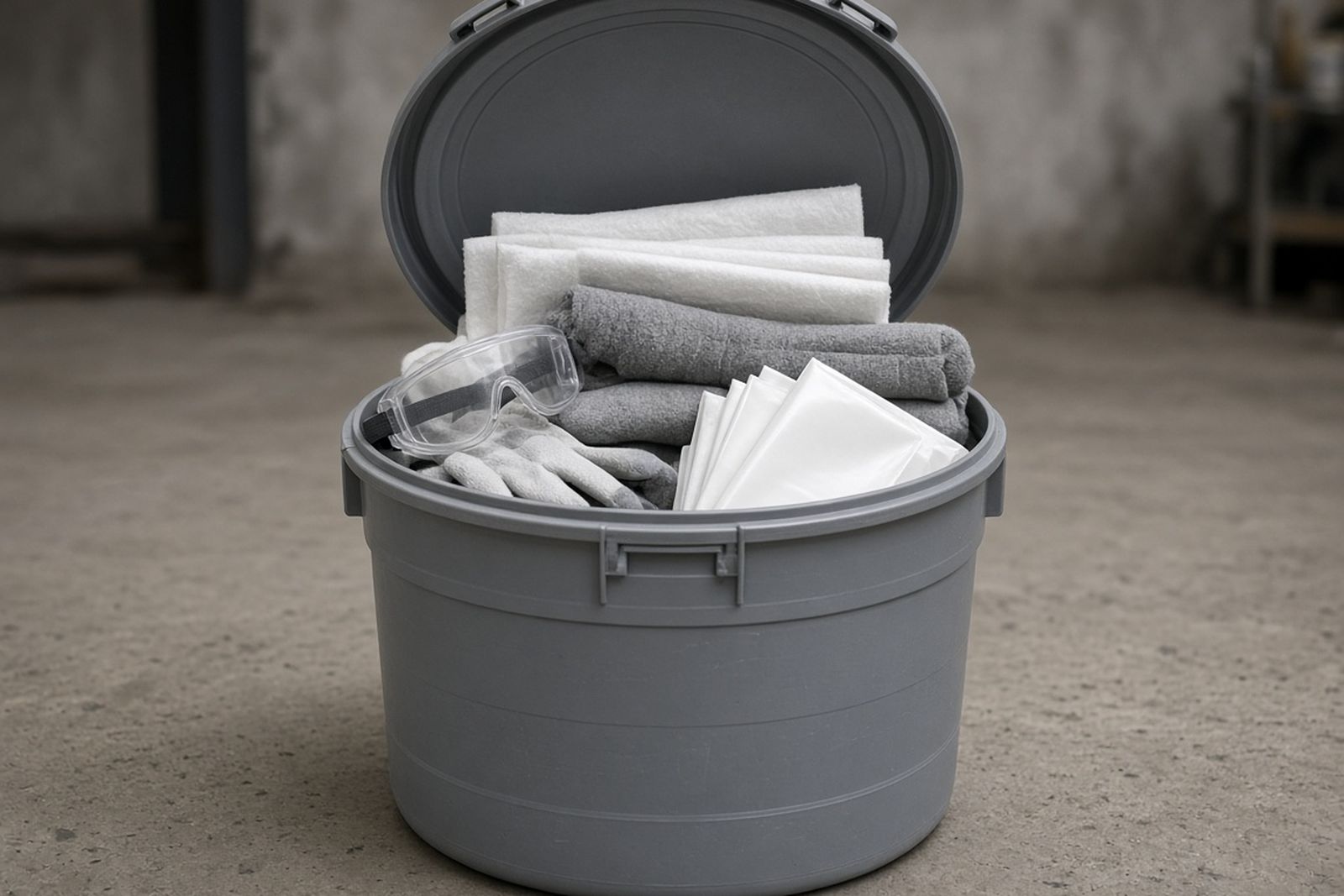
Costs explained
What drives the price, published cost ranges, and how to read a written quote line by line.
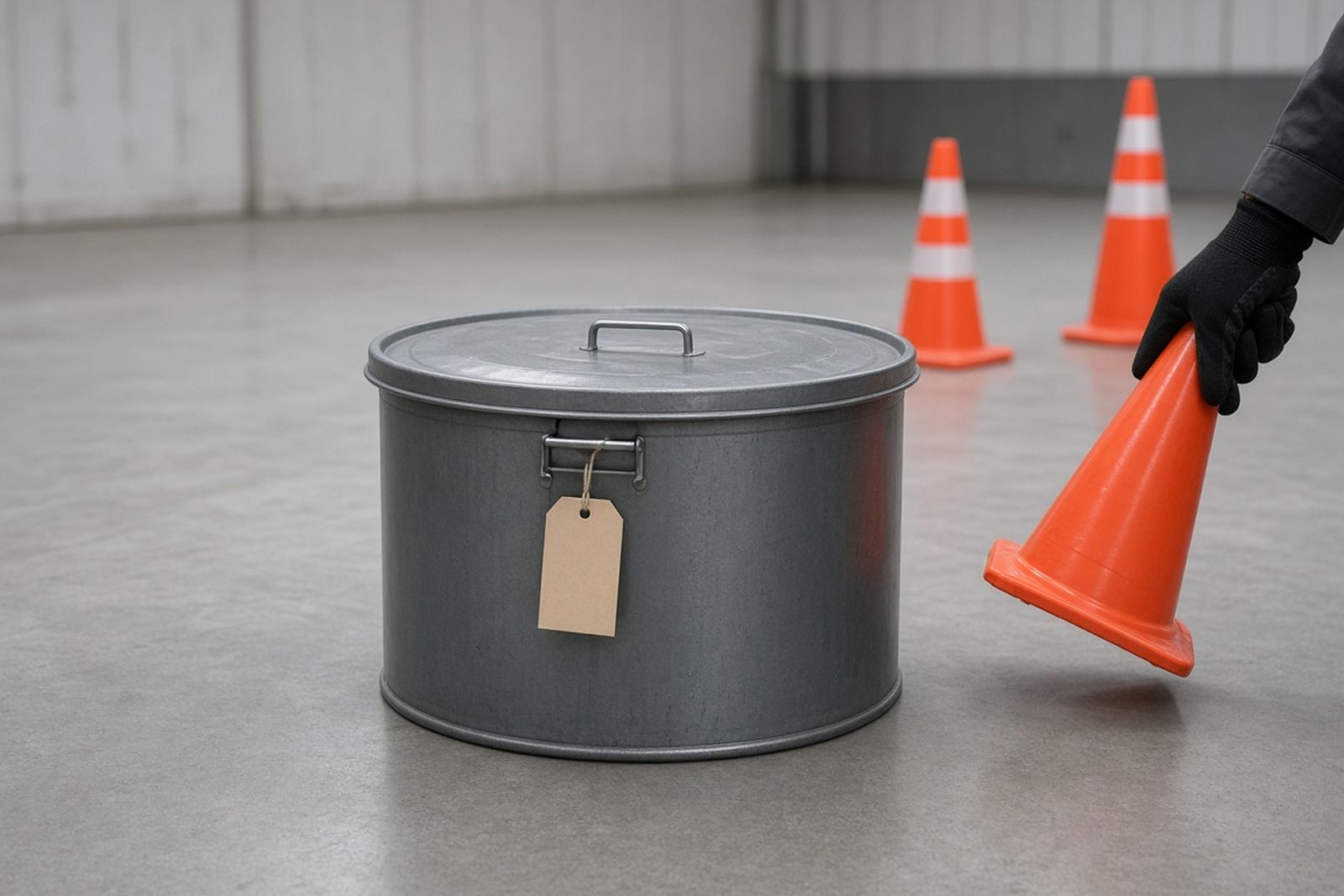
Insurance and payment
Which policies may respond, how to document a claim, and what to do if coverage is denied.
Community polls
Compare your spill planning and response choices with facility, fleet, and property managers who faced similar spills and learned from them.
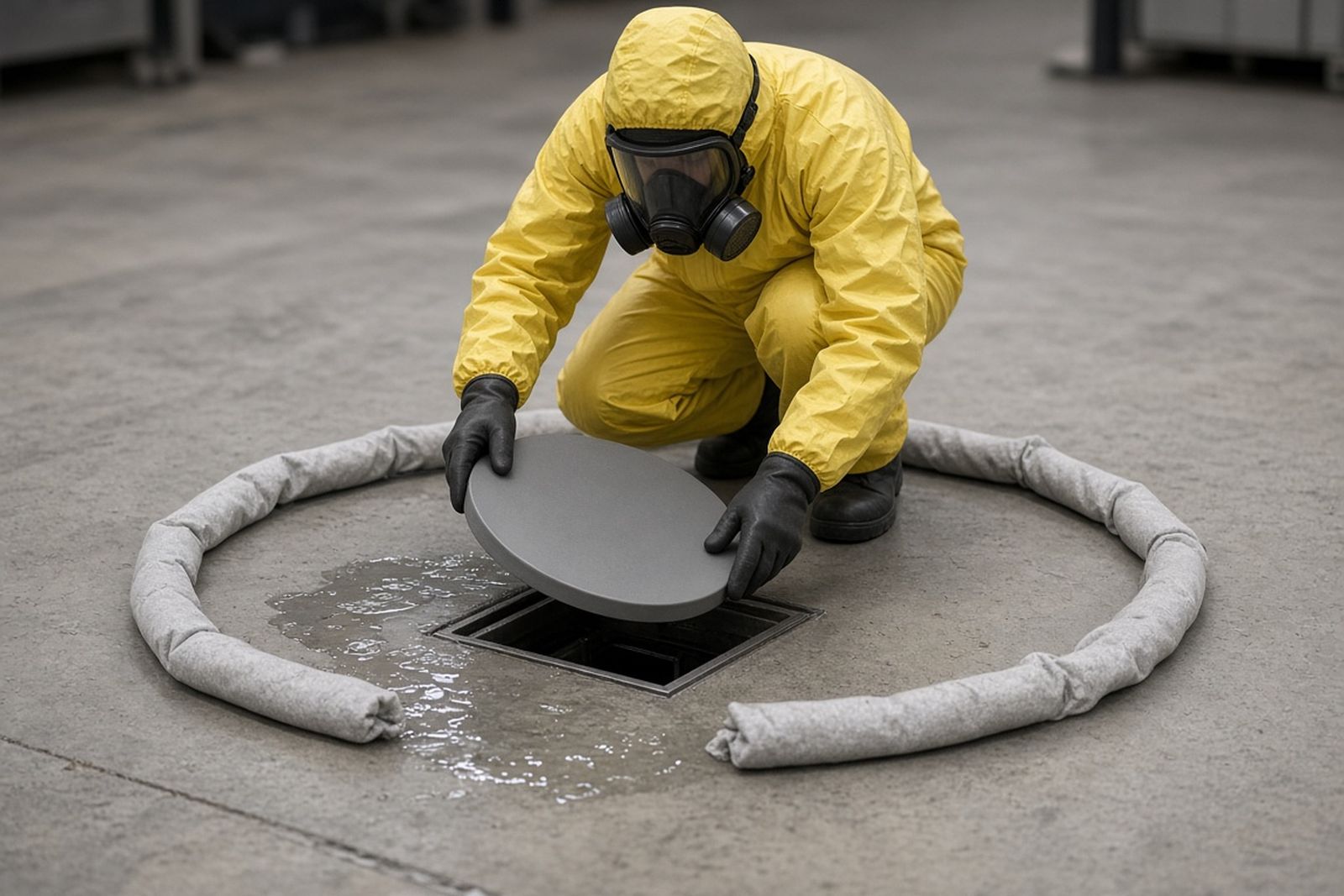
Knowledge quiz
Check what you know about spotting hazards, who is in charge, containment, cleanup, waste, and records with a short quiz for managers.
Articles and resources
Useful articles on spill kits, guarding storm drains, battery spills, and who must report. Learn to build a spill file that holds up when an insurer or agency checks it.
City guides
Find learning resources and spill response contractor listings for your state, county, and city. See which agencies handle spill reports there, too.