Potomac, MD

Hazmat Spill Response in Potomac, MD

What to do, who to contact, and what to ask in Potomac.

Fuel or pesticide spill on your Potomac property? Get people and horses away, call 911, protect your well and the canal, and keep key records.

Get an email reply about hazmat spill response

Send a short message to the follow-up inbox. A coordinator can reply by email. This form does not send emergency help; call 911 first if anyone is in danger.

Tell us what you need help with. Share a short description; please leave out medical details, access codes, and other sensitive information.

A request does not confirm a booking. For immediate danger, contact local emergency services.

Or email info@hazmatspillcleanup.online

The short answer for Potomac, MD

If diesel, weed killer or pool chemicals spill on your Potomac property, get people and horses away and call 911. Do not hose it toward your well, septic field or the C&O Canal. Here is what to hand responders, when Maryland's environment agency (MDE) may be involved, and what to keep.

What to do, step by step

  1. 1

    Empty the barn aisle and meet the engines at your gate

    If anyone has stinging eyes, the liquid is unknown or the film is growing, move horses and guests away from the barn and cottages. Call 911. Give the dispatcher a meeting point at your River Road gate so fire trucks are not stuck on a long drive. Do not run shop fans that push fumes toward the tack room. Open the gate and wait by the road.

  2. 2

    Ask your vendors for Safety Data Sheets

    Call your feed store, landscaper or pool service and ask for the Safety Data Sheets. Read them from a parked car or the house, not beside the spill. Leave a crusty jug by the well capped, even if you cannot read its label. If no one knows what the liquid is, trained responders treat it as unknown. They sort that out before choosing any absorbent. Your pesticide invoices and fuel tickets help too.

  3. 3

    Protect your well and the slope toward the canal

    A good crew protects your well and the slope toward the canal first. Near a well or the C&O Canal, state environmental staff from MDE may join the fire department. Oil or weed killer in the canal can also mean a call to the National Response Center. Ask which of those calls have been made. If anyone rinsed the pad before help came, say so, because it changes where the crew looks.

  4. 4

    Hold the cottage closed until the tests are back

    Used pads from your barn shed or a tractor leak are tested under federal waste rules that may apply. They go to an approved site with a waste shipping record, and you should get a copy. A dry terrace does not clear cushions or rugs that soaked up product. Keep the guest cottage or barn apartment closed until the air or wipe results are in writing. Ask what will happen to soaked bedding.

What cleanup is like in Potomac

Potomac's large lots along River Road hold a mix you would not find in a clinic tower: tractor diesel, barn pesticide concentrates, pool oxidizers, and remodel glue in a guest cottage. Walkers on the towpath and your neighbors may smell weed killer before your caretaker finds the burst jug. Before anything happens, name who can open your long gated drive for fire trucks. No one should walk into fumes to do it. Party plans never come before getting out and calling 911.

C&O Canal culverts, French drains and private wellheads raise the stakes when product leaves a pad. A hose rinse toward the plantings can push your spill into soil, groundwater or a path to the canal, and that brings state and federal duties. Get the Safety Data Sheet (SDS) and delivery tickets from a dry office or vehicle. Never open a sun-faded jug beside the well to read it. The state may need to be told when diesel or weed killer leaves your barn pad.

A simple script for your barn and house staff helps a lot. Write down which barns empty, which paths get blocked, and who waves the engines in at the River Road gate. From a safe distance, photograph which way a sheen is heading, toward a culvert or your septic field. Once the cleanup ends, keep the waste shipping records and the cottage test results together. A party on Saturday does not change the order of the steps, and your guests will understand a closed cottage.

What to expect for your type of home

  • Horse barns: Weed killers often share a shelf with diesel cans. Tell responders both are in the barn, and let the crew sort them using the Safety Data Sheets.
  • Homes on a private well: A hose rinse near the well is a groundwater risk, not a shortcut. Tell the company where your wellhead is before any work begins.
  • Lots with septic fields: A quick rinse toward the flower beds can hide how far product spread into the field. Tell the crew if anyone rinsed, and where the water went.
  • Properties near canal culverts: Write into your landscaping contract that no one mops or hoses near the culverts. Show the crew where each culvert sits.
  • Estates with a pool and farm equipment: Pool oxidizers mixed with tractor fuel are a dangerous pair. Keep them stored apart, and tell responders if both were near the spill.
  • Homes with long gated drives: Choose a meeting point for fire trucks at the gate before you ever need it. Make sure staff know the gate code and who opens it.

Papers and records to keep

  • Photos from a safe distance of the sheen heading toward canal culverts, wells or septic fields
  • Feed store and pool service product sheets, plus pesticide invoices and fuel tickets
  • Notes on the River Road gate meeting point and who cleared which barns
  • Montgomery County fire and state environmental case numbers
  • How close the product got to the canal ditch, and how much was recovered
  • The waste shipping record for pads and jugs hauled down your drive
  • Air or wipe results that allowed the cottage or barn apartment to reopen
  • The date and time you told your insurer about the spill

Local offices and official help

Common questions in Potomac

Weed killer concentrate is leaking next to my private well on a River Road lot. What now?

Treat it as a safety and groundwater problem. Clear the pad, keep people and animals out, and call 911. Do not hose toward the well or the septic field. From upwind, note the container labels and whether the liquid is moving. Give responders the Safety Data Sheet packets and your gate codes. Open the long gate for the engine, then wait by the road until the crew arrives.
Does being next to the C&O Canal change how a spill on my pad is handled?

Yes. Culverts, and water sheeting off the towpath, can carry rinsed product into waterways beside the park. That widens what Maryland's MDE expects and may bring National Response Center notice. Once the product is known, barriers and matching absorbents keep weed killer or diesel away from your well and the ditches that run to the canal. Take photos of the flow paths. Wanting privacy along the towpath does not shrink those contacts.

Can my landscaping crew neutralize barn diesel with pool chlorine before a party?

No. Pool shock tossed onto tractor diesel can get hot or give off chlorine. Your landscapers should keep people away from the barn and save the labels, nothing more. Tell your landscaping company and your pool service in writing that they must never try to neutralize a spill. If a party is planned, move it away from the barn or postpone it until responders are done.

Which records should my household keep once the spill crew leaves?

For a barn or estate spill, keep the waste lab results, a count of the jugs and drums removed, the hauler's name and the signed shipping record. The barn dumpster is not where used pads go. Add the cottage air results, the fire and state case numbers, and a sketch of how far the product traveled toward your well or the canal ditch. Any later soil digging belongs on its own contract.

When can my guest cottage reopen after a solvent smell overnight?

Once the cottage air meets the written targets, and any soaked bedding or rugs have been dealt with. A breeze off the canal is not clearance. If guests still cough or tear up inside, keep the cottage locked and ask for another check. An upcoming party or guest weekend is not a reason to reopen early. Keep the written results with your other Potomac property records.

How should I store barn chemicals away from my well and pastures?

Keep fly sprays, weed killers, fuel and cleaners in their original labeled containers on a raised shelf or tray. Store them well away from the wellhead, water troughs and feed. Keep fuels apart from oxidizers and pool products. Hold a list of products and their Safety Data Sheets in the house or office, not the barn. If something spills near a well or pasture, keep people and horses away and call for help. Do not hose it down.

What should I do if I smell fuel near the C&O Canal towpath?

Move away from the smell, and keep children and dogs back from any sheen on the water or ground. Call 911 if the fuel odor is strong, a film is spreading on the water or trail, or a hiker feels ill. Describe the nearest mile marker or access point. For a faint smell that is not urgent, you can tell park staff. Do not try to trace it into the woods or collect samples.

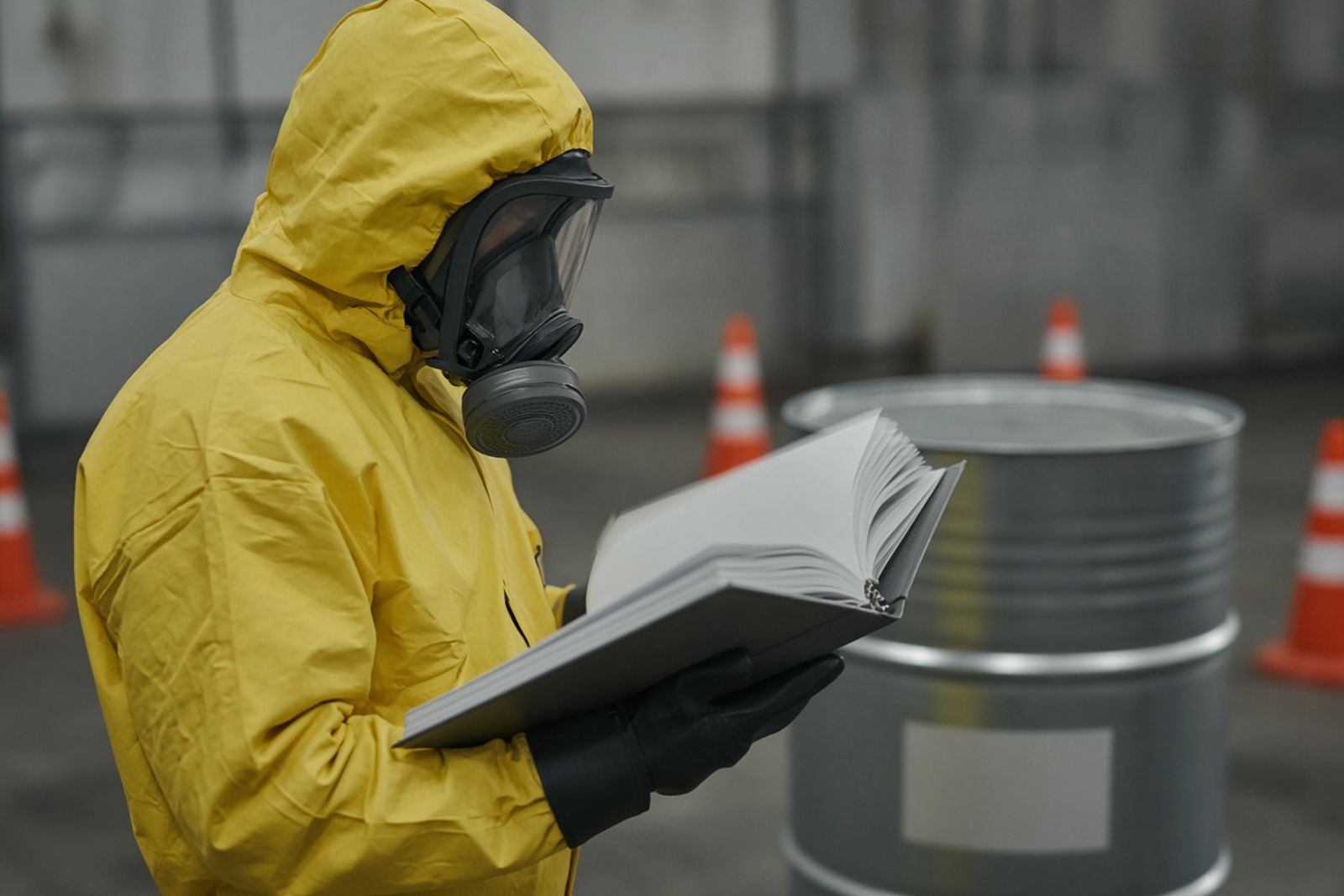
Technician in a yellow suit and respirator reading a safety data sheet binder beside a drum
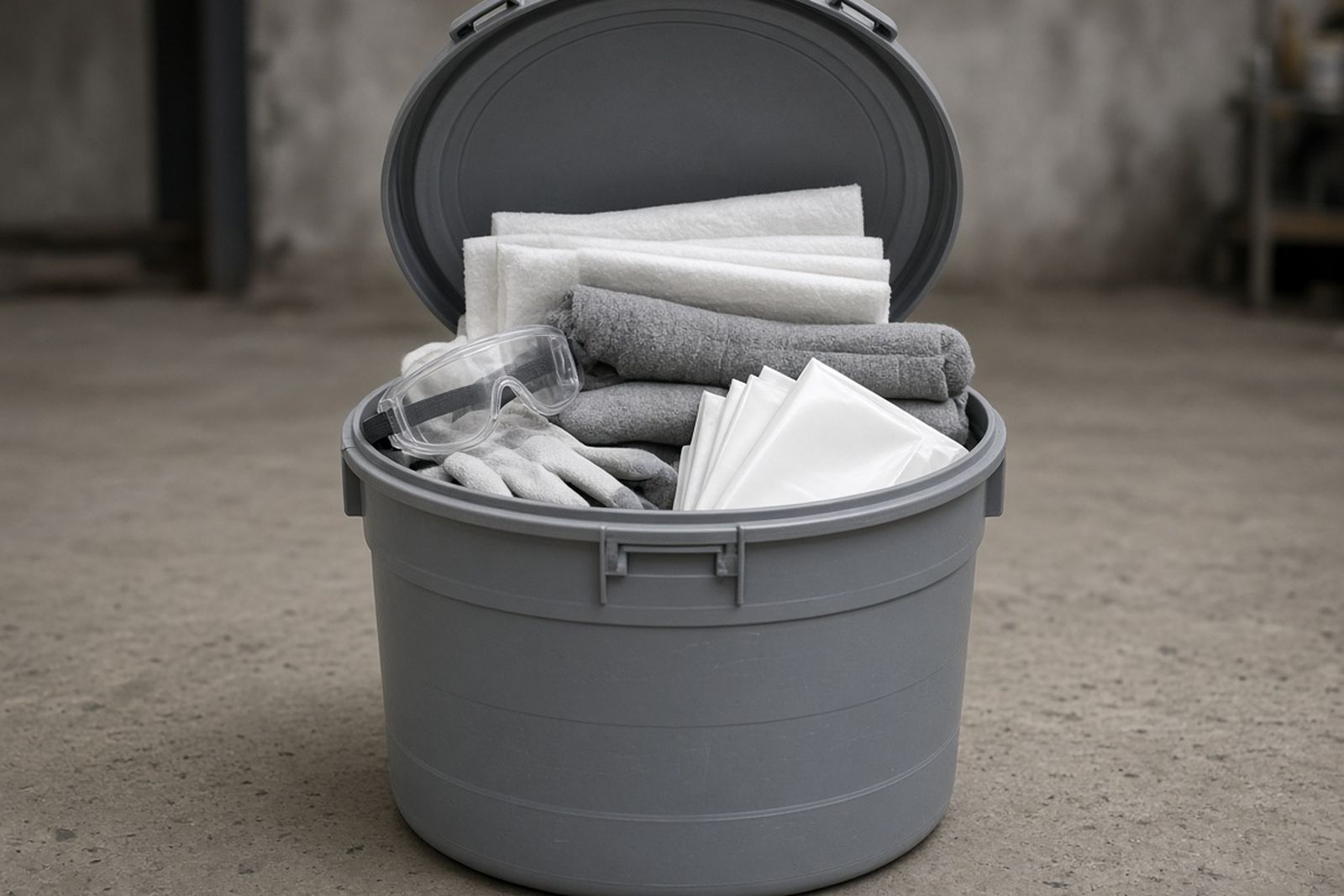
Open spill kit drum holding absorbent pads, goggles, gloves and disposal bags

Facts worth knowing

  • Sites must report qualifying accidental chemical releases to the Chemical Safety Board within 8 hours; PG&E paid a $45,273 penalty in 2025 for reporting late.

    Why it matters: Know before an accident who at your site will make this report, because the deadline is short.

    Source: EPA/CSB (via Spencer Fane), 2025

  • After a 2014 spill in West Virginia, people who got information quickly were more likely to follow the recommended safety steps.

    Why it matters: If your site has a spill, tell affected people fast and clearly; delays may mean fewer follow your safety instructions.

    Source: Savoia et al., 2015

  • In a September 2012 survey of 204 households near a chemical odor incident, 36.5% said they sought medical care for symptoms they linked to the odor.

    Why it matters: If your site releases a strong odor, expect neighbors to seek medical care; tell them quickly what was released and what to do.

    Source: Behbod et al., 2014

Tools that help right now

What would you do?

Poll results

Vote to see how other people answered. You can change your answer at any time.

Safety

How prepared is your site for a chemical or fuel spill right now?

Be the first to vote
Your experience

In your most recent spill, what was the first action taken?

Be the first to vote

Need help in Potomac?

Send a short message about the property to the follow-up inbox. A coordinator can reply by email with next steps.

Your request is sent to the follow-up inbox. A coordinator can reply by email.

If anyone is hurt or in danger, call 911 first.