Northeast · US

Hazmat Spill Response in Great Neck, NY

Planning hazmat spill response in Great Neck, NY

Great Neck hazmat spill response planning for shared driveways, managed buildings, and curb inlets tied to coastal waterways on the Long Island peninsula. This is planning guidance, not a claim of a local office or crew in Great Neck.

Get an email reply about hazmat spill response

Send a short message to the follow-up inbox. A coordinator can reply by email. This form does not send emergency help; call 911 first if anyone is in danger.

Tell us what you need help with. Share a short description; please leave out medical details, access codes, and other sensitive information.

A request does not confirm a booking. For immediate danger, contact local emergency services.

Or email info@prompartybuses.com

Direct answer

The short answer for Great Neck, NY

Great Neck is a smaller, high-value Long Island community in the New York City area. Spills here call for getting people to safety and closing off the area. Naming the product is work for a trained pro, who reads its Safety Data Sheet (SDS). Drains and nearby waterways must be protected, and waste disposal must be written down. This guide skips do-it-yourself chemical steps. It also makes no false claims about local crews.

Editorial guide · Biohazard Remediation NetworkUpdated 2026-07-22Location focus: Great Neck, NY

Local planning context

Great Neck sits on a Long Island peninsula. It has small lots, shared driveways, laundry and maintenance rooms in apartment buildings, and streets near coastal waters. So storm drain control and room for fire trucks matter as much as cleaning the pad. Narrow blocks fill up with parked cars. Stacking absorbents in the travel lane can block a fire truck. Managed buildings need a named person who can shut down elevators and send out plain notices. That person should never make up a chemical name.

Unknown products, and mixed cleaners left by residents or vendors in basement mechanical rooms, must be sorted out by trained crews. No one in the building should name a product by smell or make a bleach mix. Labels and SDS papers, taken safely from the management office, help responders. They work under OSHA's rules on chemical labels and on emergency cleanup training. On these tight lots, fumes and sparks in attached garages and lower-level utility rooms are still the main safety worries.

Catch basins here link quickly to the wider Long Island storm drain and coastal system. So product that runs off a shared driveway can become an environmental problem within the first hour. Record every step with the fire department and NYSDEC, the state environmental agency, by address or unit. Include the federal National Response Center (NRC) when it applies. The waste shipping record and air tests come before reopening laundry rooms, workshops, or units. A spoken "it aired out" is not enough.
Property considerations

Shared driveways and homes built right to the lot line put neighbors closer to smells and runoff. Close off the area early and share only facts.

On the peninsula, storm drains connect fast. So alley and curb drains are top spots for barriers during any liquid spill.

In Great Neck apartment houses, the porter's closet or laundry room may keep cleaners on one shelf that should never mix. Stop porters from mixing products when there is a smell.

Basement mechanical rooms can collect fumes and feed them into shared hallways. Keep people out until air tests allow entry under a response plan.

Plan where vacuum trucks and pallets of absorbent can stand without blocking hydrants or the only route for fire trucks on packed streets.

Lots near coastal drain outfalls need extra care. Never hose a spill toward drains that lead to the water.

Response-planning framework

Evacuate, deny entry, keep apparatus lanes open

Safety first. Dial emergency services whenever the liquid is a mystery, is creeping along the drive, or gives off fumes. Stop cars from driving through the spill on shared drives. Do not run hallway fans that may push burnable fumes toward a spark. Mark the edges of the danger zone for residents and vendors. Keep parked cars from boxing in the path responders will need.

Management SDS file—not hallway field tests

Give the SDS and labels from the management office or a safe unit. Do not take them from open containers in a mechanical room. Trained crews sort out unknowns. No pH tests, no bleach mixes, and no sniff tests by porters. The product must be known before anyone picks an absorbent or waste code. Until then, no one should pour leftover floor cleaner on the spill.

Shared-drive berms and waterway-bound inlets

Build barriers that hold back or soak up liquid near alley catch basins and curb drains that feed the coastal system. If oil reaches a catch basin that drains to the harbor, state environmental staff may join the fire department. Record any National Response Center (NRC) calls. On small lots, a hose-down mistake leaves almost no room before product leaves the property.

Unit-level shipping records and reopen verification

Test the waste, use proper shipping papers, and keep the signed waste shipping record by address or unit. Check indoor air or surfaces before reopening laundry rooms, basements, or apartments. Property managers should file the clearance with the logs of closed areas, drain photos, and factual resident notices. Do not reopen based on smell.

Documentation checklist

  1. 1A log of closed areas for each unit or address (floors, laundry, mechanical rooms)
  2. 2Photos of shared driveways, alley drains, and limits on where fire trucks could stage
  3. 3The SDS and label packet from management files given to responders
  4. 4Any incident numbers given by firefighters, NYSDEC staff, or the National Response Center (NRC)
  5. 5Records of how the spill was held and how much was recovered at each spot
  6. 6Lab profiles of the waste, with each signed shipping record filed under the building address
  7. 7Air test results that support reopening a unit or shared room
  8. 8Management notices and insurance filings

Official resources

Questions for this location

Why is drain protection urgent for Great Neck spill incidents?

On Long Island, small lots drain fast. Liquids can run from driveways and alleys into catch basins that link to the larger storm drain system and coastal waters. Once product gets in, the spill may become an environmental release that must be reported. That brings in agencies beyond a private cleanup. Hosing a spill to clean the concrete is one of the most common and harmful mistakes. Once crews know the product, they block drains on the narrow block before it reaches the water. From a safe distance, take photos showing how close the drains are. Fire and environmental officials need accurate details on where the product is going. Small lots leave less room before a spill reaches shared pipes and drains. So guarding drains is a first-hour task, along with safety. It is not a finishing touch.

How should multi-unit managers handle an unknown chemical odor in a hallway?

Treat a strong, unknown chemical smell as a threat to life. Clear the affected floors as directed and call emergency services. Shut down shared heating and cooling if responders or building rules say fumes are spreading. Do not send porters with fans or air freshener. If you find containers, leave them closed. If it is safe, bring the building's SDS binders for known maintenance chemicals. Keep residents from crowding near the danger zone. After crews sort out the product and clean up, reopen only when written targets are met. Keep copies of notices and agency numbers. Great Neck managed buildings should decide ahead of time who meets the fire department. They should also decide who controls elevators and stairs while the area is closed. An unknown smell is not a cleaning ticket.

What information helps responders without identifying the chemical yourself?

Describe what you can see. Is it a liquid or a solid? Note its color if it is clear from a distance. Note the container type and any markings you can read without getting close. Say where it is flowing, whether anyone feels sick, and what work was going on. Share an SDS or invoice if you already have one on file. Do not taste, touch, or sniff it to add detail. Do not make up a chemical name to be helpful. Note nearby sparks or flames and where the drains are. These facts help trained crews sort it out without putting untrained people at risk. In a smaller community, neighbors may offer their own theories. In official statements, stick to what you saw. Accurate details beat guessed names that lead to the wrong method.

How is the waste shipping record used after spill response on Long Island?

The waste shipping record tracks regulated waste from your site to an approved treatment, storage, or disposal facility. It creates a chain of custody. It lists shipping names, amounts, and everyone who handled the waste. Keep signed copies in the property file with the waste test results and photos of the packed waste. The hauler must be licensed for that type of waste. This record is part of finishing the cleanup for both the rules and your insurance. It is not optional. If a load is turned away because it was tested wrong, delays and costs grow. Great Neck property managers should turn down casual offers to haul the waste away with no paperwork. Federal transport rules may apply on public roads. Ask for the disposal site names in writing.

When is air monitoring needed before reopening a basement?

Air tests, or similar expert targets, are often needed before re-entry in some cases. That includes when fuel, solvent, or unknown fumes were present, or when product got into a basement mechanical area. Fumes that are heavier than air pool in basements, and basements may connect to living spaces. A dry floor does not mean the space is clear. Keep the meter results or the expert's written clearance. If smells return after reopening, clear the space and check again. Any heating or cooling system that may have spread the fumes needs to be checked. Great Neck homes and small apartment buildings often keep utilities on lower levels. Treat those spaces as high risk for trapped fumes. Put the results in writing next to the waste shipping record in the spill file before laundry rooms or workshops go back to normal use.

What should Great Neck renters do if they smell fuel in a shared laundry or boiler room?

Leave the room. Close the door behind you if it is safe, and tell other residents to stay out. Call emergency services if the smell is strong or anyone feels sick. Then call your building manager or super. Do not turn on lights, dryers, or fans in that room. Renters should not try to find the leak or clean it. Write down when you noticed it and who you called. Keep any notices the building sends afterward.

How do tides and nearby coastal water affect spills on the Great Neck peninsula?

Many streets drain toward nearby coastal water. High tides or heavy rain can move residue through the storm drains quickly. That is why responders focus on stopping product before it reaches a drain. If you see a sheen heading toward a grate, report it right away and keep people back. Never hose it off the driveway. Once trained crews know the product, they may use barriers or drain covers. They will also handle any required reports.

Contact

Get help by email

Send a short message for an email reply about hazmat spill response planning questions for the New York City area.

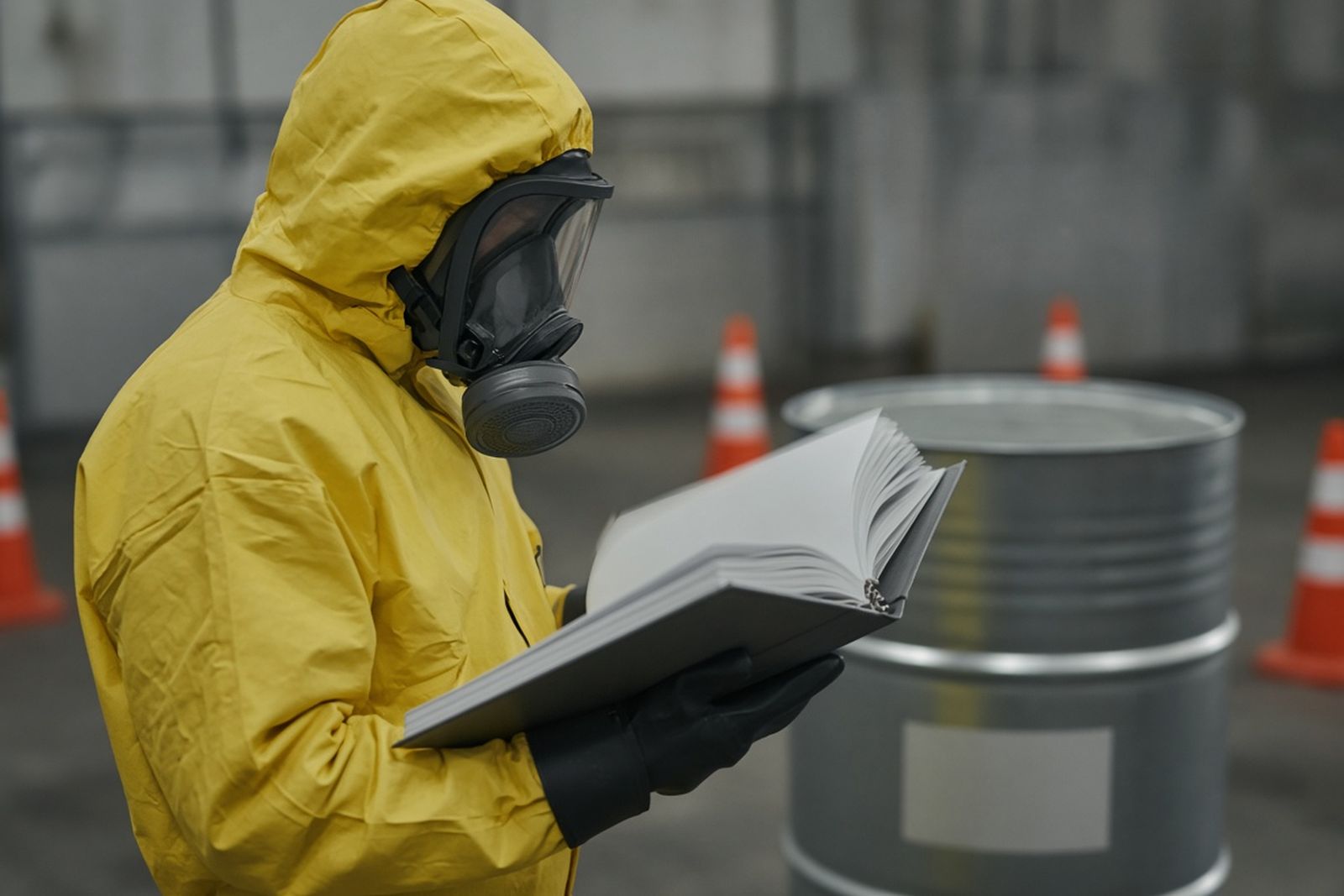
Technician in a yellow suit and respirator reading a safety data sheet binder beside a drum
Illustrative photo, not a job record. Technician in a yellow suit and respirator reading a safety data sheet binder beside a drum.
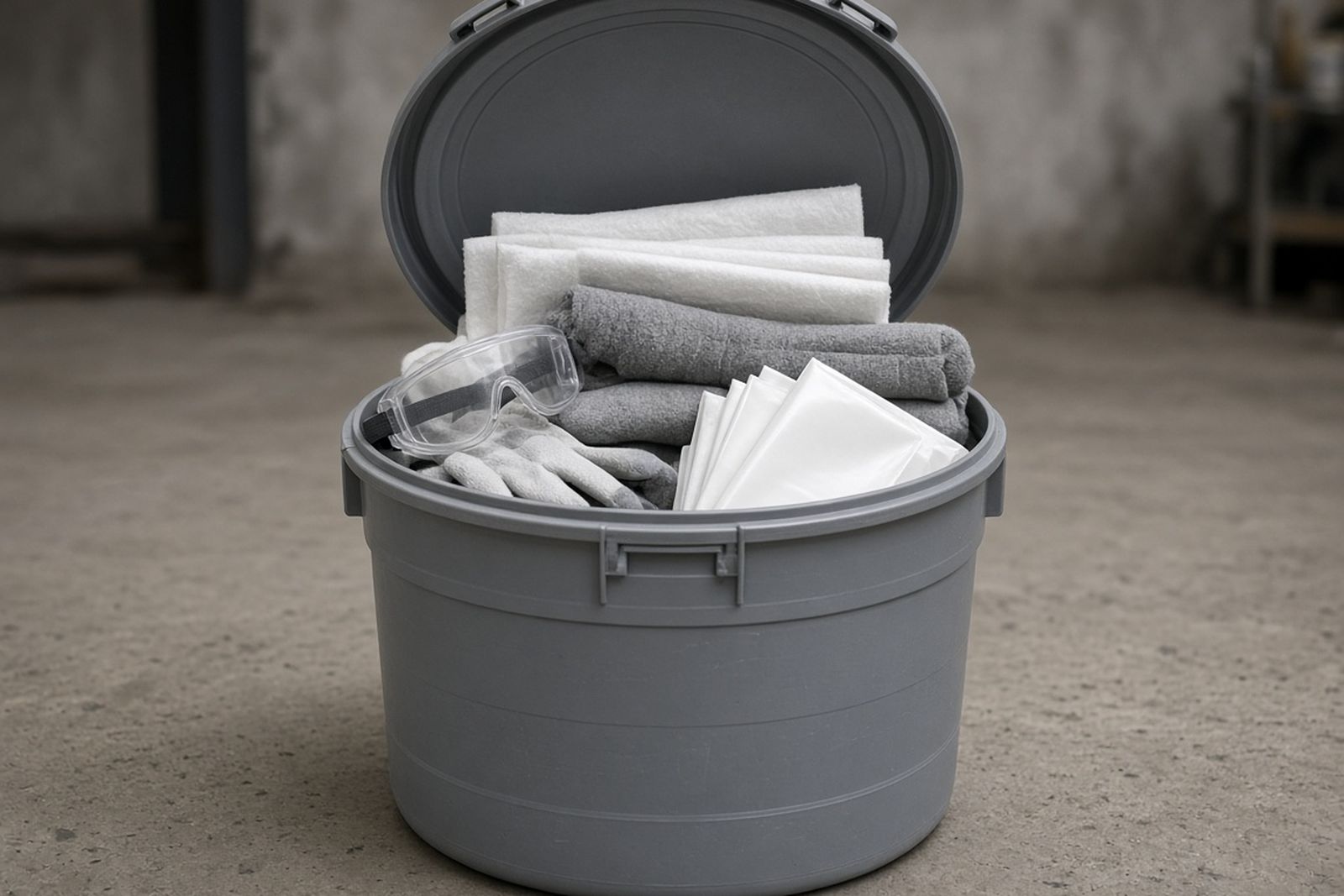
Open spill kit drum holding absorbent pads, goggles, gloves and disposal bags
Illustrative photo, not a job record. Open spill kit drum holding absorbent pads, goggles, gloves and disposal bags.

Hazmat Spill Response figures to keep in mind

National and research figures, not Great Neck data. Local conditions, rules and providers vary; use these for scale and context only.

2.43

Insurance disputes were associated with ongoing distress (aOR 2.43; 95% CI 1.5–3.9).

Read with care: Observational and self-selected; negative-comment denominator is comments, not all insured people.

Source: McKenzie et al. (2022)521 insured, inundated-household respondents from a 2,530-person survey six months after flooding.

54%

54% of respondents expressing a view considered environmental regulation insufficient.

Read with care: Self-reported behaviour; event-specific communications.

Source: Savoia et al. (2015)690 West Virginia adults surveyed online in February 2014, including affected and unaffected areas.

155%

Hazmat incidents involving big rigs rose 155 percent over ten years, and truck incidents outnumber train hazmat incidents 33 to 1, per PHMSA data.

Read with care: News analysis of PHMSA data; part of the rise reflects improved electronic reporting.

Source: PHMSA data (via CBS News) (2023)United States, PHMSA incident reports, roughly 2013-2023

These figures are public research and agency data, not this network's own job records. Keep each number with its population, year and limits; none of them predicts cost, timing or outcome at a specific property.

Plan before you reach out

Use the first 24 hours planner for immediate steps and the provider vetting checklist to confirm any Great Neck provider's training, insurance and waste path in writing.

What research has found

Findings from published studies of people and properties in situations like this one. They describe what researchers observed in a specific group; they are not predictions for your case.

Survey and medical reports described adverse effects associated with flushing.
Who was studied: Ten West Virginia homes tested two weeks after the January 2014 spill; linked surveys and bench experiments.Limits: One contaminant/event; not a general flushing protocol or current water standard.Residential tap water contamination following the Freedom Industries chemical spill (2015)
Delayed insurance assessments were described as obstructing timely remediation.
Who was studied: 521 insured, inundated-household respondents from a 2,530-person survey six months after flooding.Limits: Observational and self-selected; negative-comment denominator is comments, not all insured people.Insurance Issues as Secondary Stressors Following Flooding in Rural Australia (2022)

Hazmat Spill Response community polls

Poll results

Every count is a real visitor vote; nothing is seeded or padded. One vote per poll per device, and you can change your answer.

Safety

How prepared is your site for a chemical or fuel spill right now?

No visitor votes yet
Your experience

In your most recent spill, what was the first action taken?

No visitor votes yet

Planning cleanup in Great Neck?

Send a short message about the property to the follow-up inbox. A coordinator can reply by email with next steps.

Your request is sent to the follow-up inbox. A coordinator can reply by email.

If anyone is hurt or in danger, call 911 first.