Midwest · US

Hazmat Spill Response in Chicago, IL

Planning hazmat spill response in Chicago, IL

Chicago IL Lower Wacker and river spill guide: freeze freight bays, trailer SDS support, berm river outfalls, Illinois EPA notice, lobby reopen files. This is planning guidance, not a claim of a local office or crew in Chicago.

Get an email reply about hazmat spill response

Send a short message to the follow-up inbox. A coordinator can reply by email. This form does not send emergency help; call 911 first if anyone is in danger.

Tell us what you need help with. Share a short description; please leave out medical details, access codes, and other sensitive information.

A request does not confirm a booking. For immediate danger, contact local emergency services.

Or email info@prompartybuses.com

Direct answer

The short answer for Chicago, IL

Chicago has freight bays on Lower Wacker, renovation docks in Fulton Market, generator pads at Navy Pier, and garage stacks tied to the CTA. They see diesel films, glues left in the old meatpacking district, battery fluid, and unlabeled overnight totes. One-way alleys and deep ceiling limits shape how crews stage. Move riders and workers away first. Porters leave the chemistry alone and bring the Safety Data Sheet (SDS) from the site trailer. Put barriers on paths to the Chicago River and lake outfalls. The Illinois Environmental Protection Agency (EPA) may need notice. Loop dock pads can be regulated waste under RCRA. Loop lobbies reopen on written air targets.

Editorial guide · Biohazard Remediation NetworkUpdated 2026-07-22Location focus: Chicago, IL

Local planning context

Freight in a big lakefront city is not like a North Shore estate basement. Lower Wacker freight bays keep generator diesel under the raised streets. Fulton Market renovations leave glue stocks in old packing houses. Navy Pier pads hold event generators. Garage stacks linked to the CTA leak battery fluid after cold snaps. Clear the Lower Wacker bay and call 911. Name who guides engines through the one-way alleys.

Combined sewers, river outfalls, and drains to the lake raise the Illinois EPA stakes when product leaves a pad. Hosing a dock before the morning rush can push product toward the river. That can turn it into a state environmental matter, and for certain oil or hazardous substance spills, a National Response Center (NRC) matter. Follow the Chicago Fire Department's direction. Garage and dock fans stay as they are until the fire department decides. Get the contractor SDS from a trailer or office instead of opening drums in the bay.

Log the low clearances under Wacker and name who guides engines through the one-way alleys. Building managers should agree ahead of time which floors empty during a dock spill and which curb inlets must stay untouched. A show or convention does not change the steps.

Property considerations

Height limits and one-way lanes on Lower Wacker delay fire trucks unless staging is planned.

Floor drains in old packing houses are often buried under construction debris.

Event generators at Navy Pier lead to rushed fuel transfers next to walking routes.

Stairways from a garage to the L need to stay open even when the freight bay below is taped.

Downtown pavement sends spills to the river quickly.

Loop janitorial deals should say that porters never clean up chemicals.

Response-planning framework

Tape Lower Wacker bays and keep pedestrians on upper streets

Burning eyes or a spreading film means you close the dock and call 911. Keep walkers on the upper streets and out of the Lower Wacker bays. Keep fans from blowing toward elevator banks or air intakes linked to the CTA. Let firefighters decide how to air out the space.

Getting product information without guessing

The dock office or contractor trailer should hold the product sheets. Bring them to the fire crew. An unmarked drum in a Loop bay is a job for the firefighters' meters, not a guess. Porters should not pour cleaners on an unknown spill in the bay.

Chicago River and lake-outfall berms with Illinois EPA

Loop pavement sends spills to the river quickly, so crews protect nearby inlets once the product is known. The fire department may bring in Illinois EPA when storm water or soil is involved. Certain oil releases also need a federal report. A convention crowd does not shrink those duties.

Reopening a Loop lobby

Bags of Wacker bay pads get a lab profile and a signed trucking paper. Require written air targets before shared hallways above the bay reopen. A dry Lower Wacker bay after solvent fumes does not clear tenants for the work week.

Documentation checklist

  1. 1Photos of the sheen near street drains
  2. 2Product sheets from the renovation crew
  3. 3Alley escort contacts and a timeline of fire department calls
  4. 4Chicago Fire Department and Illinois EPA reference numbers, with any National Response Center (NRC) report number
  5. 5Where booms or socks went at Lower Wacker grates, which pads were used, and how much came back
  6. 6The waste shipping record for the freight bay pads
  7. 7Air test results that cleared the lobby or the parking stack linked to the CTA
  8. 8When the insurer was told

Official resources

Questions for this location

A weeping tote sits on a Lower Wacker freight bay before morning deliveries. What first?

Empty the freight bay and keep commuters and vendors out. Vapor in the bay or a tote no one can name means a call to emergency services. Do not mop toward a floor drain. Give the facilities SDS to responders. Guiding fire trucks around Lower Wacker height limits and one-way alleys never turns into permission for home hazmat work or a promised arrival time.
How should Loop planning differ from Lake Forest estate basements?

CTA edges, Wacker height limits, Fulton Market renovations, and paved river edges replace scripts for oil in finished basements. Combined sewers and outfalls to the lake change how fast a spill travels. Ticket sales never cancel an Illinois EPA notice if diesel reaches the river.

Can a Loop building crew hose a solvent film into the street drain before commuters arrive?

No. That sends it toward the Chicago River and into state reporting. Some releases also need a federal report. Keep the hose off and people back. Hazmat crews will dam the river-bound grates and lay pads once they know what spilled. If you can do it safely, take a photo of the film's direction from the sidewalk above Lower Wacker.

Which records should a converted packing-house owner in Fulton Market keep after a spill?

Keep every waste shipping record and waste test result, along with the renovation crew's product sheets used to name the spill. Add the Chicago Fire Department case number, any state reference, and the air results that reopened each floor. Old packing house floors can hold smells, so note which rooms were tested.

Solvent fumes filled a West Loop office hallway overnight. When can tenants use it?

After targets that fit the hazard are met, often through air tests. A packing house floor coating that has dried is not enough. Check any shaft paths that may have pulled fumes along. Record who approved it and the readings. If the smell continues, the hallway stays closed.

How do Chicago winters affect spills in parking garages and alleys?

Snow and ice can hide a fuel or chemical spill. Salty meltwater carries residue toward drains during thaws. Plowed snowbanks can also trap a spill against a building. If you see a sheen, stained snow, or a strong smell, keep people away and call for help. Do not shovel stained snow into a storm drain or the river. Tell responders about the cold and any recent thaw.

What should Chicago condo residents do if they smell fuel from the building’s generator?

Move away from the smell. Tell building staff where you noticed it and when. Dial 911 for a heavy smell or if anyone feels sick. Follow building instructions about stairs or elevators. Do not go to the generator room yourself. If fumes enter your unit, close the doors to the hallway and move to a room farther away until staff say it is safe.

Contact

Get help by email

Send a short message for an email reply about hazmat spill response planning questions for the Chicago area.

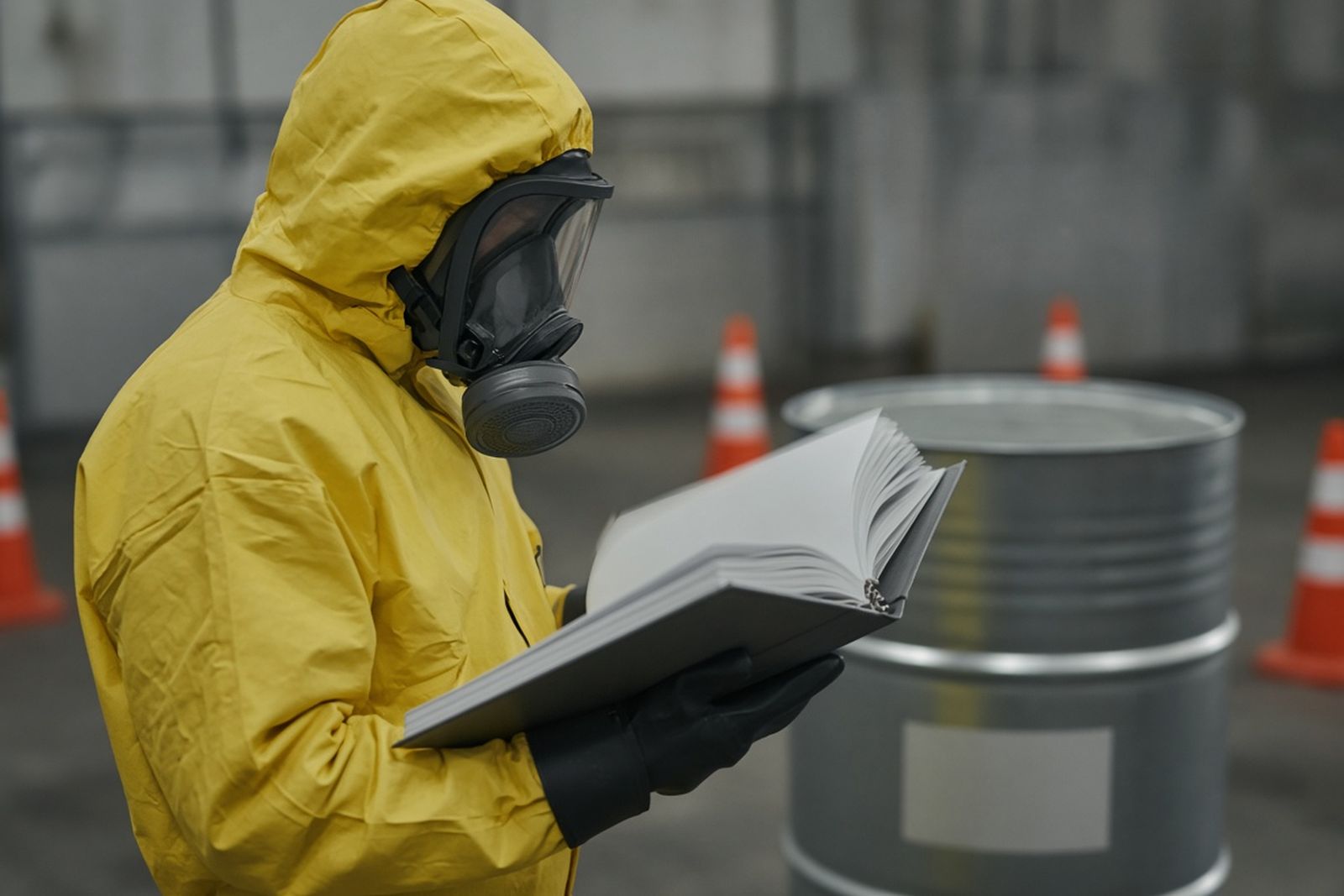
Technician in a yellow suit and respirator reading a safety data sheet binder beside a drum
Illustrative photo, not a job record. Technician in a yellow suit and respirator reading a safety data sheet binder beside a drum.
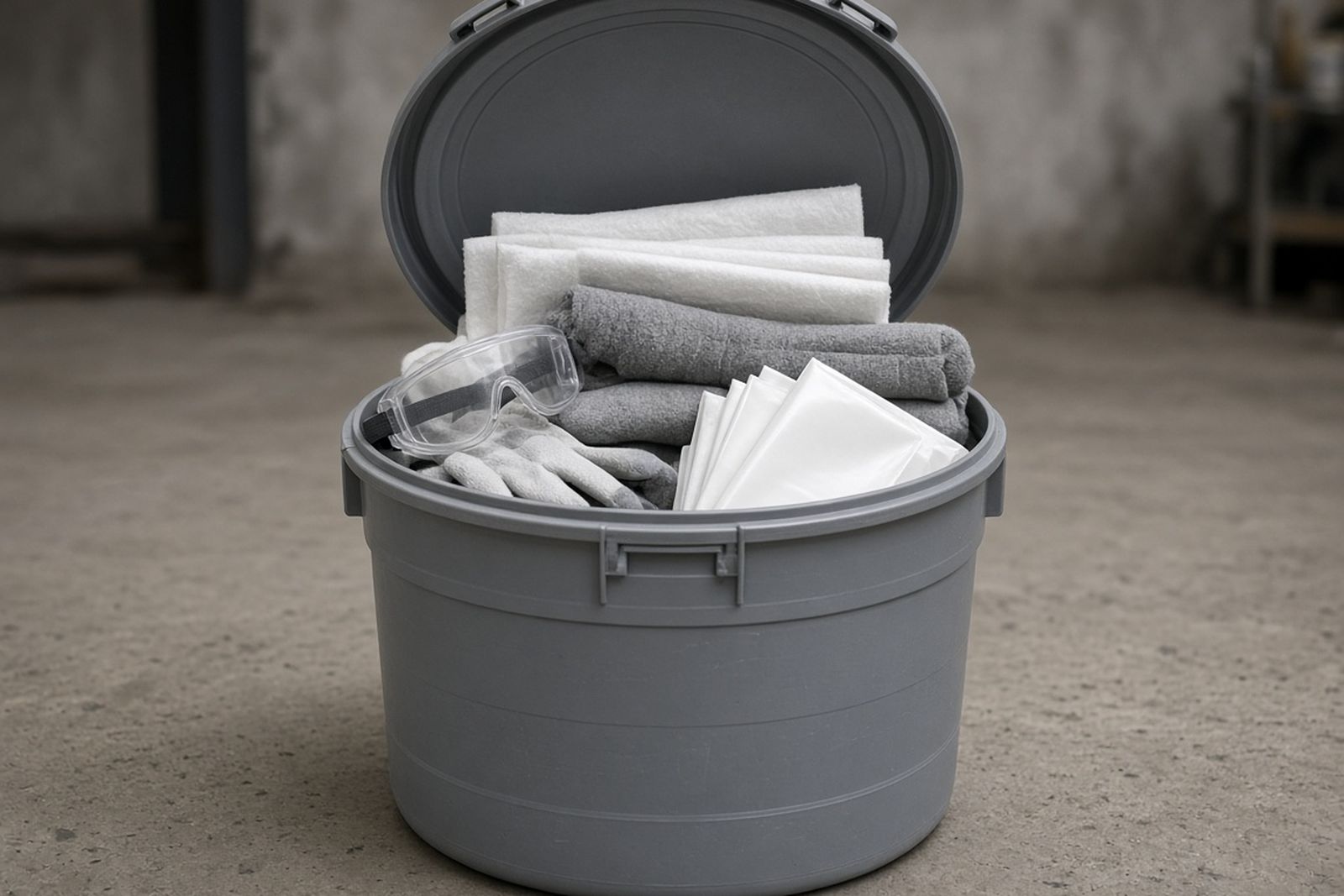
Open spill kit drum holding absorbent pads, goggles, gloves and disposal bags
Illustrative photo, not a job record. Open spill kit drum holding absorbent pads, goggles, gloves and disposal bags.

Hazmat Spill Response figures to keep in mind

National and research figures, not Chicago data. Local conditions, rules and providers vary; use these for scale and context only.

89%

89% in affected counties heard of the spill on the day it occurred.

Read with care: Self-reported behaviour; event-specific communications.

Source: Savoia et al. (2015)690 West Virginia adults surveyed online in February 2014, including affected and unaffected areas.

36.5%

36.5% overall sought medical care for odor-related symptoms.

Read with care: Reported symptoms and odor; not measured individual exposure doses.

Source: Behbod et al. (2014)204 household representatives surveyed in two distance zones, September 2012.

10,000 more filings

PHMSA received about 10,000 more hazmat incident filings in 2022 than in prior years after moving to electronic reporting.

Read with care: Reflects reporting changes as much as real incident growth.

Source: PHMSA statement (via Data Liberation Project) (2023)United States, PHMSA Form 5800.1 filings, 2022

These figures are public research and agency data, not this network's own job records. Keep each number with its population, year and limits; none of them predicts cost, timing or outcome at a specific property.

Plan before you reach out

Use the first 24 hours planner for immediate steps and the provider vetting checklist to confirm any Chicago provider's training, insurance and waste path in writing.

What research has found

Findings from published studies of people and properties in situations like this one. They describe what researchers observed in a specific group; they are not predictions for your case.

Isolation raised concerns about getting to work and reaching emergency medical care.
Who was studied: 20 New Brunswick residents in focus groups and ten community-leader interviews.Limits: Local experiences; no prevalence estimate or fixed recovery timetable.Perceptions of Mental Health and Wellbeing Following Residential Displacement and Damage… (2019)
Timely information was associated with compliance.
Who was studied: 690 West Virginia adults surveyed online in February 2014, including affected and unaffected areas.Limits: Self-reported behaviour; event-specific communications.Public response to the 2014 chemical spill in West Virginia: knowledge, opinions and beh… (2015)

Hazmat Spill Response community polls

Poll results

Every count is a real visitor vote; nothing is seeded or padded. One vote per poll per device, and you can change your answer.

Safety

How prepared is your site for a chemical or fuel spill right now?

No visitor votes yet
Your experience

In your most recent spill, what was the first action taken?

No visitor votes yet

Planning cleanup in Chicago?

Send a short message about the property to the follow-up inbox. A coordinator can reply by email with next steps.

Your request is sent to the follow-up inbox. A coordinator can reply by email.

If anyone is hurt or in danger, call 911 first.