Westport, CT

Hazmat Spill Response in Westport, CT

What to do, who to contact, and what to ask in Westport.

Fuel or heating oil spill in Westport? Leave the boathouse or cottage, call 911, keep it out of marsh culverts, and get clearance per building.

Get an email reply about hazmat spill response

Send a short message to the follow-up inbox. A coordinator can reply by email. This form does not send emergency help; call 911 first if anyone is in danger.

Tell us what you need help with. Share a short description; please leave out medical details, access codes, and other sensitive information.

A request does not confirm a booking. For immediate danger, contact local emergency services.

Or email info@hazmatspillcleanup.online

The short answer for Westport, CT

Along the Saugatuck, at Compo Beach cottages and in marina yards, spills of boat fuel, heating oil, pesticide and remodel solvent sit close to tidal water. If your eyes sting, the liquid is unknown or a sheen is spreading, leave the boathouse or cottage and call 911. No bleach, no hose. Then see how culverts are blocked and each building is cleared.

What to do, step by step

  1. 1

    Leave the boathouse and wave people back from the dock

    Stinging eyes, dizziness, an unknown liquid or a spreading sheen all mean you should leave. Wave beachgoers back from the dock and call 911. Do not start an engine through a fuel film or aim shop fans at dock wiring. Expect the closed zone to cover the pad, the doors downwind and any cellar that shares air with the spill. Meet the fire trucks at the road, since summer traffic near Compo Beach can slow them down.

  2. 2

    Give responders fuel tickets and labels, not experiments

    From a safe spot, give responders your delivery tickets, SDS binders and any labels you can read. Do not crack a faded can to confirm the smell. A brand name still helps. Total unknowns stay closed off until crews check them in the field. Mixing oxidizers and fuels the wrong way can make heat or toxic gas, so keep your pool chlorine well away from the leak and tell the crew it is there.

  3. 3

    Get the marsh culverts blocked and ask about DEEP

    Near the Saugatuck marsh, a good crew lays booms at your bulkhead and pads at the boathouse door once the fuel is known. Fire officials and Connecticut DEEP contacts come in when product enters tidal drains, soil or paths to the Sound. Federal reporting limits and NRC calls may apply no matter what your broker says. Summer crowds do not shrink those duties. Ask for the Westport Fire and state case numbers for your file.

  4. 4

    Get shipping records and a reopen note for each cottage

    Each bag of pads from your boathouse gets a lab profile, because federal hazardous waste rules may reach it. The bags ship with proper names and the waste shipping record, and you should file their final stop. Clearance may need a visual check plus air or wipe data before your guests return. A plank that looks dry is not permission when fumes lingered in a home closed up for winter. Ask for one signed note per cottage or boathouse.

What cleanup is like in Westport

Westport has shore cottages, yacht club service yards and alleys off the Post Road. So a spill at your property most likely starts on a generator pad, a boathouse fuel shelf, a pool chemical closet or remodel staging by guest parking. Factories are rare. Summer beach traffic and neighbors along the marsh mean a sheen or solvent smell at your place rarely stays private. Decide who can open your waterfront gate for fire trucks before anyone walks into fumes to see what leaked. Looking good for guests never comes before getting out and calling 911.

Culverts in the tidal marsh and trench drains at the marina link your pad to Long Island Sound within minutes of a hose rinse. Get your beach guests and staff away from the boathouse, and leave outboard motors and generators off. Do not sniff puddles, taste residue or ask landscapers to pour bleach on unknowns. Labels, fuel tickets and SDS sheets, gathered without exposure, help trained crews sort out the product. If oil or chemicals head for the Saugatuck or the Sound, the National Response Center (NRC) may need a call, whatever your insurer wants.

Keep the kind of file a family office or marina manager would. It holds your photos taken from a safe distance and a note that unread drums stayed closed. It also holds a log of who unlocked gates and the fire or Connecticut DEEP reference numbers. Used absorbents often count as regulated waste, and a curbside dumpster is not the way to get rid of them. Ask that clearance for your boathouse and guest cottages list air or wipe targets when fumes were possible. Being told the dock looks dry is not enough. People come first, then the SDS, then booms, then lawful disposal and last a signed reopen note.

What to expect for your type of home

  • Boathouses: Shelves often mix marine gas, two-stroke oil and battery chargers next to wooden wiring runs. Keep everyone out during a leak, and tell responders what is stored inside.
  • Lawns at the marsh edge: French drains under the grass can hide how far product spread after a quick rinse toward the plantings. Tell the crew where yours run.
  • Homes with a pool and a dock: Pool chlorine stored with dock fuels is a dangerous pairing. Keep staff away from that shelf until responders have the SDS papers.
  • Homes near the Compo paths or Saugatuck inlets: Put a ban on mopping or hosing spills into your landscaping contract. The crew's job is to stop work and call.
  • Homes with seasonal staff: Give them one rule, which is to close off the area and call. They should never make up an absorbent from what is in the garage.
  • Guest cottages on piles or slabs: Heavy fumes can get trapped inside. Ask that the reopen targets name each building, so no cottage is cleared by default.

Papers and records to keep

  • Photos from a safe distance of sheen paths toward marina trenches or marsh culverts
  • Fuel tickets, pesticide labels or SDS copies handed to responders without opening unknowns
  • When the spill was found, who got people out and which waterfront gate codes were shared
  • Westport Fire and state case numbers for the marina or cottage
  • Where booms went along the bulkhead, which pads were used and a rough tally of fuel pulled back
  • A signed waste shipping record for every drum of oily pads leaving the yard
  • Air or sample results that allowed each cottage or boathouse to reopen
  • When you told the yacht club or your insurer, and their replies

Local offices and official help

Common questions in Westport

Two-stroke fuel has spread across my boathouse floor near Compo. What should we do?

Treat it as a matter of safety and spark control, not a weekend tidying job. If there are fumes, anyone feels sick or the liquid has no label, clear the shed. Keep guests off the dock and call 911. Do not mop toward a trench drain or plantings that feed marsh culverts. From outside, note can labels, recent fuel transfers and whether the film is moving. Give responders gate codes and any SDS already on file.
Can my landscaping crew treat an unknown sheen with pool chlorine before guests arrive?

No. Oxidizers mixed into unknown fuels or solvents can make heat, chlorine gas or fire. Guest deadlines do not make any chemistry safe. The crew's role is to guard the perimeter, call for help and keep labels. Once the product is known, trained responders use the SDS and matching absorbents. The wrong chemistry also makes more waste and can damage a wooden dock. Ban field neutralizing in your written vendor rules.

When does a spill on my pad become something that has to be reported?

When product leaves the pad toward marsh culverts, marina drains or waters that flow to the Sound, your duties may grow beyond a private cleanup. Hose rinses are a common way this goes wrong. Booms at the bulkhead and pads suited to the fuel hold it back. If fuel reaches the marsh or river, state and possibly federal notice may be required. Do not delay environmental contacts to keep it quiet for a rental weekend.

What waste papers should I have after the cleanup at my shoreline home?

Ask the yacht club or cleanup firm for the lab sheet on each drum, the trucker and the shipping paper signed by the receiving plant. Fuel-soaked pads from a boathouse do not go in the cottage trash. Keep the SDS copies used for testing, photos of the packed waste and agency numbers with your pollution-liability claim files. If air or wipe targets allowed a cottage to reopen, store those readings next to the shipping records.

My guest cottage smelled of solvent overnight. How is reopening decided?

A cottage on the marsh reopens against numbers set for that exact solvent. Dry floors are a start, not the finish, when fumes got into closed rooms or air returns. Air-quality experts may set air numbers or wipe tests before guests sleep on site. Scent machines do not clear a space. Write down who cleared the cottage and the readings behind it. A lingering odor or a guest with a headache keeps the door locked.

What should I do about heating oil if my basement floods?

Floodwater can lift or tip an oil tank and spread oil through the basement. If you see a sheen on the floodwater or smell oil, stay out of the basement. Turn off power only if you can do it safely from outside the flooded area, and call 911. Do not pump oily water into the yard or street. Tell your oil company and your insurer. Keep photos and receipts for the claim.

The boat next to mine at the marina is leaking fuel. What should I do?

Tell the marina office or dockmaster right away, and keep away from the fuel. If it is spreading on the water, pooling on the dock or the smell is strong, call 911. Do not start your engine or run electric equipment near the leak. Do not use soap or any product to break up the sheen. Note the slip number and time, and let the marina contact the boat owner.

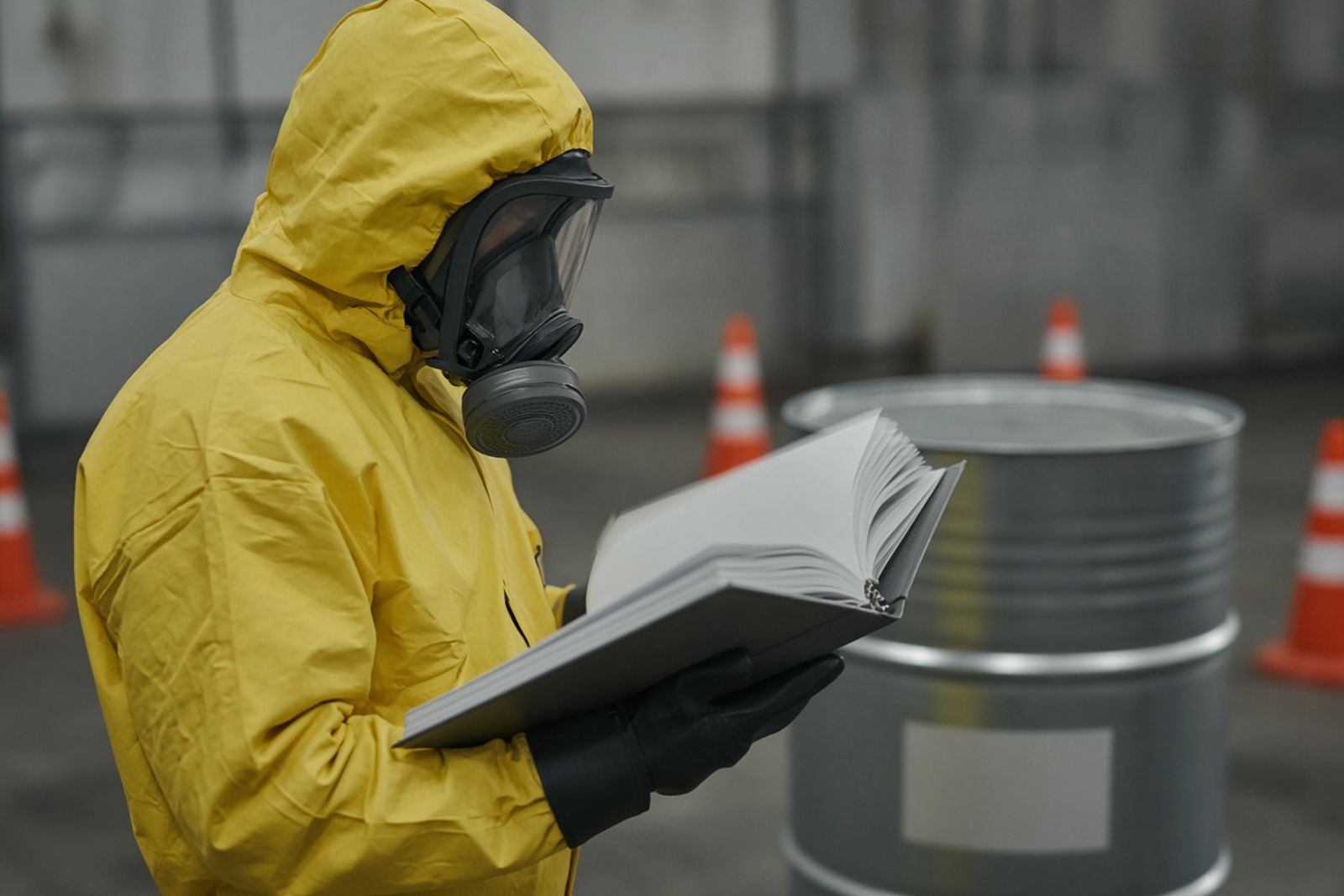
Technician in a yellow suit and respirator reading a safety data sheet binder beside a drum
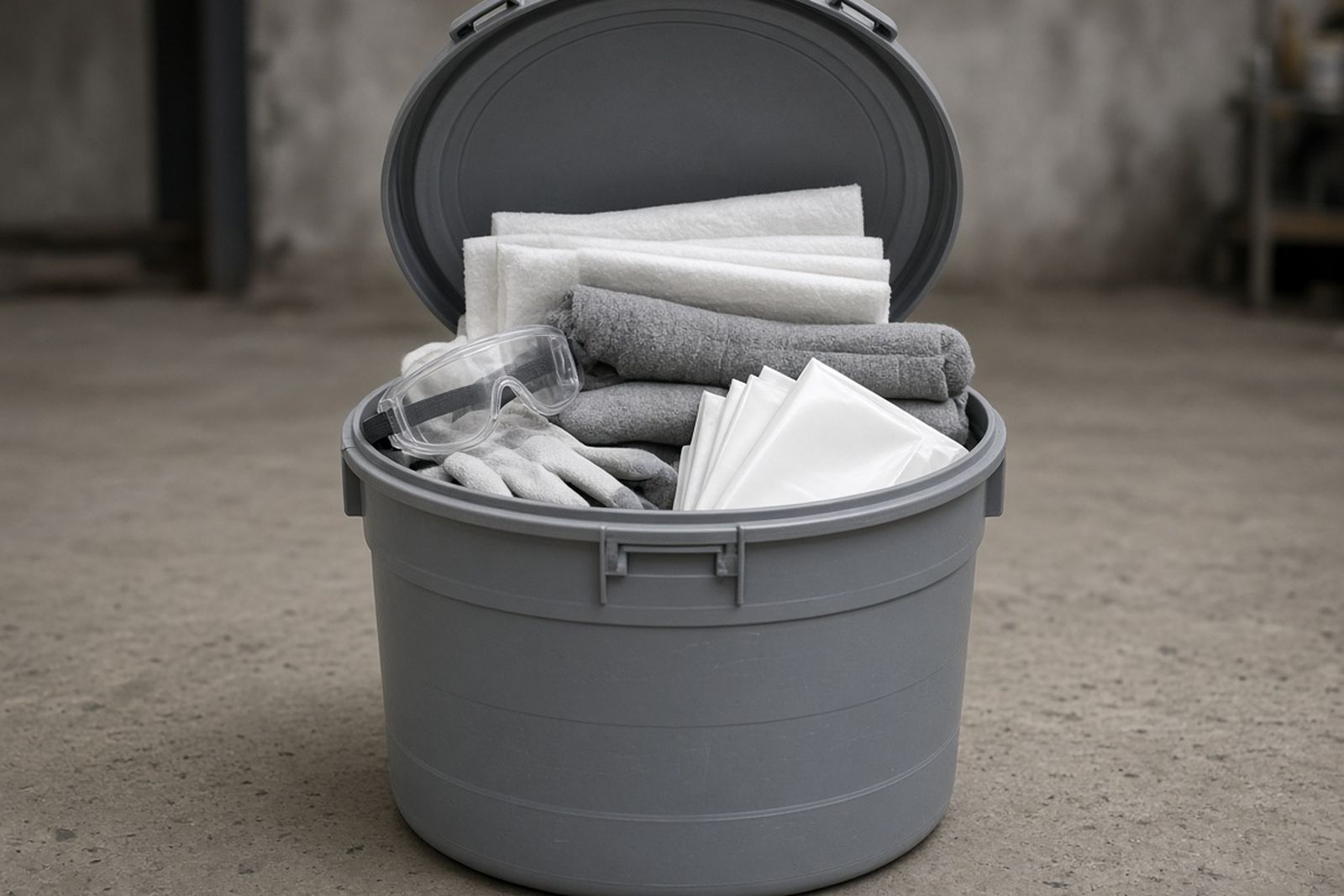
Open spill kit drum holding absorbent pads, goggles, gloves and disposal bags

Facts worth knowing

  • Two weeks after a January 2014 spill in West Virginia, all ten tested homes had water odors both before and after flushing their plumbing.

    Why it matters: Flushing your pipes once may not remove the smell; ask your water provider or health department about testing before normal use.

    Source: Whelton et al., 2015

  • Some insured flood victims in a study published in 2022 said their premiums went up a lot after they made a claim.

    Why it matters: Before you file, you may want to ask your insurer or agent how a claim could affect what you pay later.

    Source: McKenzie et al., 2022

  • Workers at hazardous waste sites must complete at least 40 hours of off-site HAZWOPER training plus three days of supervised field work.

    Why it matters: Ask any cleanup contractor you hire to show proof of this training for crews working at your site.

    Source: OSHA, 2024

Tools that help right now

What would you do?

Poll results

Vote to see how other people answered. You can change your answer at any time.

Safety

How prepared is your site for a chemical or fuel spill right now?

Be the first to vote
Your experience

In your most recent spill, what was the first action taken?

Be the first to vote

Need help in Westport?

Send a short message about the property to the follow-up inbox. A coordinator can reply by email with next steps.

Your request is sent to the follow-up inbox. A coordinator can reply by email.

If anyone is hurt or in danger, call 911 first.