West · US

Hazmat Spill Response in San Jose, CA

Planning hazmat spill response in San Jose, CA

San Jose logistics spill guide: stop floor-cleaner reactions, use SDS and bills of lading, berm creek paths, CUPA notice, lawful outbound waste. This is planning guidance, not a claim of a local office or crew in San Jose.

Get an email reply about hazmat spill response

Send a short message to the follow-up inbox. A coordinator can reply by email. This form does not send emergency help; call 911 first if anyone is in danger.

Tell us what you need help with. Share a short description; please leave out medical details, access codes, and other sensitive information.

A request does not confirm a booking. For immediate danger, contact local emergency services.

Or email info@prompartybuses.com

Direct answer

The short answer for San Jose, CA

San Jose's spills often start at South Bay loading docks, forklift charging rooms, machine shop coolants, and industrial parks along Coyote Creek. The pattern is leaking totes and battery acid, not the retail basements of the Westside. This guide stresses that shift leads should pass problems up, not fix them. Use shipping papers (bills of lading) and the Safety Data Sheet (SDS). Never splash floor cleaner on a spill. It covers creek barriers, notice to the Santa Clara County hazardous materials program (CUPA), and waste testing under federal law (RCRA). It also covers shipping rules for outbound drums and written targets for reopening a bay. It does not invent stationed crews or promise arrival times.

Editorial guide · Biohazard Remediation NetworkUpdated 2026-07-22Location focus: San Jose, CA

Local planning context

Loading docks across the South Bay see pallets dropped overnight, large unlabeled plastic totes, cutting fluid drips, and forklift battery rooms. The sulfuric acid in those batteries is a very different hazard from a diesel spill. HOA parking decks sit nearby. But the habit that must change first is on the warehouse floor. Supervisors pushed to keep freight moving should call for help, not make up a fix. The Guadalupe River and Coyote Creek make runoff from a pad a threat to the water, even when the lot looks industrial and far from the coast. Never tell untrained workers to neutralize unknowns during a shift change. Silicon Valley tool vendors sometimes leave special solvents that look like normal cleaners. Treat unlabeled jugs as unknowns.

Storm lines on the valley floor can carry product from dock sumps into creek drains fast. Barrier kits kept near the doors where corrosive and burnable goods come in matter once responders set safe methods. When there are fumes or unknowns, safety still comes before getting trucks turned around. SDS binders and shipping papers pulled from a clerk's desk are very useful to responders. Get them without walking into the spill bay. California DTSC and the Santa Clara County CUPA set the hazardous materials and waste rules after the fire department's emergency phase ends.

Job campuses and third-party warehouses often push to reopen docks for incoming deliveries. That pressure must not flip the order of sorting out the hazard. Log when the spill was found, the bay numbers, the steps taken to control sparks, and who waved fire trucks through the yard gate. Waste test results, a waste shipping record that follows the load to its final site, and hauler licenses close out the emergency waste when federal hazardous waste rules may apply. After a solvent or acid spill, write down the reopen targets before staff take back the bay. This guide is about following the rules and keeping people safe. It does not invent staging yards.
Property considerations

Dock sumps and trench drains can feed outdoor inlets. Keep barrier kits where acids and burnable goods are received.

Forklift charging nooks carry battery acid hazards. Household degreasers are the wrong tool and can make injuries worse.

Shared storm lines in an industrial park can turn one pad drip into a notice for many tenants along Coyote Creek.

Pallet yards with unlabeled totes must be closed off where they sit. Do not forklift drums out of the way before they are checked.

HOA parking decks in the same metro still need rules that send chemical smells up the chain instead of to a mop crew.

Purchasing systems should tag emergency spill work apart from routine facilities work orders.

Yard security gates and badge readers can slow fire trucks. Set up a phone tree for escorts, run from outside the spill bay.

Response-planning framework

Kill the improvised shift fix; set the yard perimeter

If a tote is still dripping, the bay smells strong, or no one can say what it is, pull the forklift crews out. Shut the bay door behind them and dial 911. Keep untrained workers and temp staff out. Control sparks near vehicles, grinders, and chargers only as responders direct. The perimeter comes before picking an absorbent.

Pull bills of lading and SDS from the clerk desk

Hand responders SDS sheets, shipping papers, or receiving logs from a safe office, not from inside the fumes. Do not crack open unknown totes to confirm what is inside. Trained staff sort out the hazards before choosing absorbents or any neutralizer. Floor cleaner splashed onto battery acid or an unknown coolant can boil, fume, or catch fire on a busy dock.

Creek-corridor berms and Santa Clara CUPA loops

Block the paths to inlets and creek corridors early. Work with fire officials and the Santa Clara County CUPA or other environmental offices when drains, soil, or hazardous waste issues come up. If the drip turns out to be a reportable amount, the National Response Center (NRC) may need a call too. Note each sock and boom set near the creek-bound grates, and the pumped total.

Outbound drum rules and bay reopen science

Used absorbent socks and liquid pumped from the dock are tested before shipping, since federal hazardous waste rules may apply. They are packed for legal transport, knowing that federal hazmat shipping rules can apply on public roads. The receiving yard should keep each load's waste shipping record and the name of the landfill or treatment site with its shipping files. Set air or sample targets before reopening docks or work bays. A dry-looking slab does not mean the bay is clear after fumes.

Documentation checklist

  1. 1Bay numbers, the time the spill was found, and who ordered the yard lockout
  2. 2Photos from a safe distance of dock sumps compared to storm lines
  3. 3Shipping papers, SDS, or receiving logs handed over without opening unknowns
  4. 4Fire and CUPA or environmental reference numbers
  5. 5Absorbent types, barrier steps, and estimates of how much was recovered
  6. 6Waste test results, drum counts, hauler licenses, and each waste shipping record to its final site
  7. 7Air or wipe results used to release the bay back to work
  8. 8Dates of pollution-liability or cargo claim notices

Official resources

Questions for this location

A lead grabs alkaline floor cleaner for an unknown tote drip on a South Bay dock. Why stop them?

Floor cleaner is not a way to treat a hazmat spill, and unknown products can react violently. Lock out the bay, keep workers out, and call emergency services. Hand over the SDS or shipping papers if you can reach them from a safe office. Only after trained staff read the hazard does anyone choose socks, pads, or a neutralizer. The wrong mix can make heat, toxic gas, or fire. It can also push the spill further into storm lines that lead to the creeks. Facilities should train leads to call for help on chemical spills instead of making up a fix to keep freight moving. Write down who stopped the attempt and when emergency services were called. Stopping untrained chemistry in the middle of a shift prevents injuries and keeps you within the rules.

Electrolyte is spreading from a forklift charging alcove. Is that “just acid cleaner” territory?

No. Battery fluid is a corrosive hazard. It has its own protective gear needs and waste rules. It is not everyday dirt for a cleaning crew. Close off the nook, keep traffic away, and call emergency services if the leak is active or making eyes, skin, or throats sting. Do not throw down sawdust or random powders unless trained responders tell you to after the product is known. Keep the SDS for the battery fluid if you can get it from a safe place. After the emergency, crews trained under OSHA's hazardous waste and emergency response rule handle recovery and packing. Used absorbents do not go in the regular trash. From a safe distance, photograph the paths toward floor drains. Written site rules should treat charging rooms as special hazard zones.

A sheen may be entering a shared industrial-park lateral toward Coyote Creek. What next?

Treat shared storm lines as a risk to every tenant. Close off the pad, stop any hosing, and call emergency services. Once responders set safe methods, protect the inlets with barriers. Work with fire officials and the CUPA or other environmental offices. Once a sheen leaves your pad or heads for the creek, reports may be required. Give neighboring tenants plain instructions: avoid the area and do not wash residue away. Do not make up a chemical name. Photograph the flow paths from a safe distance. Log recovered amounts and barrier placement in the spill file. Sharing a storm line does not shrink each company's own duty for waste that may be regulated under federal hazardous waste rules.

Which papers travel with spent sorbents leaving a receiving yard?

The yard office files the lab profile for each drum, how many drums and bags left, and the trucking company. The signed waste shipping record shows which permitted plant took them. Photograph the packed waste before pickup. Keep the SDS copies used for testing. Trucks carrying it out of the industrial park may fall under federal hazmat shipping rules. A missing waste shipping record creates rule and insurance problems long after the floor looks clean. Keep emergency waste records apart from normal trash contracts. If soil digging grows beyond the emergency, write down that handoff. Then no one mistakes the emergency shipping records for the final sign-off on the site.

Inbound appointments are stacking up. When may a solvent-vapor bay reopen?

Only after written targets that fit the hazard are met and recorded. These often include air tests. No visible liquid is not enough when there were fumes. Dock fans that ran during the spill need to be checked, not covered up with fragrance. Facility leaders should not reopen because of delivery pressure before targets exist. Workers who still smell solvent or get headaches mean the dock door stays down. File the dock air readings in one binder with the drum paperwork and CUPA numbers. Reopening is a decision based on test results. It is not a schedule deal or a fast cleanup time promised in an ad.

Should a San Jose warehouse train forklift operators on battery-room spills?

Operators should learn to spot a battery room leak and what to do next. Stop charging, leave the room, and keep others out. Call the supervisor, and call emergency services if liquid is spreading or the smell is strong. Hands-on cleanup of battery fluid is for people with special training and gear. Post a simple sign in the charging area with those steps and where the SDS is kept. Go over it at shift meetings.

What should neighbors in homes near San Jose industrial parks do if they smell chemicals?

Go inside and close the windows. Turn off air conditioning or fans that pull in outside air. A heavy odor, or a family member who feels ill, is reason to dial emergency services. Describe what you notice and where it seems to come from. Do not drive toward the industrial park to look. Local officials will tell you whether to stay in or leave. Keep children and pets indoors until you hear it is clear.

Contact

Get help by email

Send a short message for an email reply about hazmat spill response planning questions for the San Francisco Bay Area area.

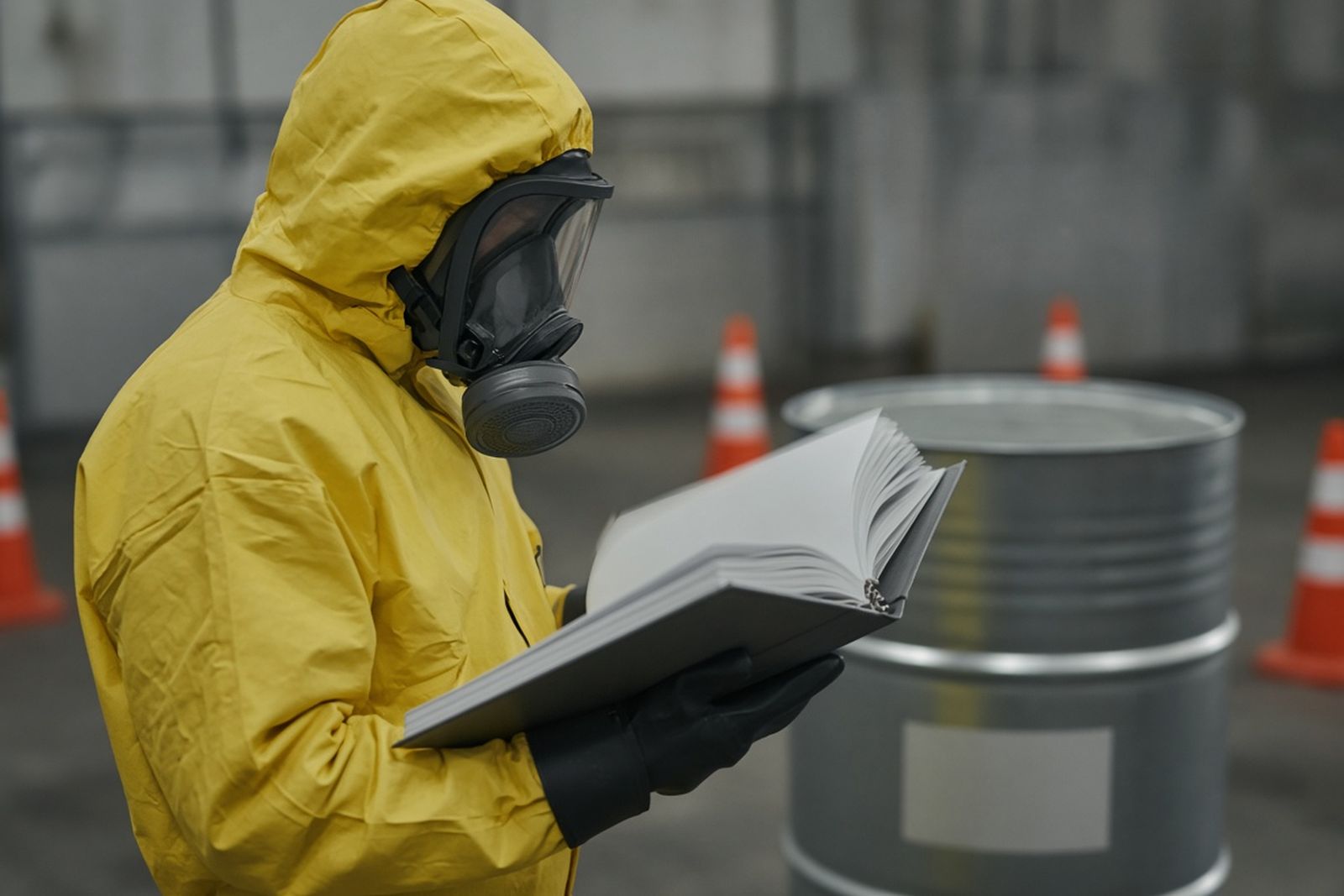
Technician in a yellow suit and respirator reading a safety data sheet binder beside a drum
Illustrative photo, not a job record. Technician in a yellow suit and respirator reading a safety data sheet binder beside a drum.
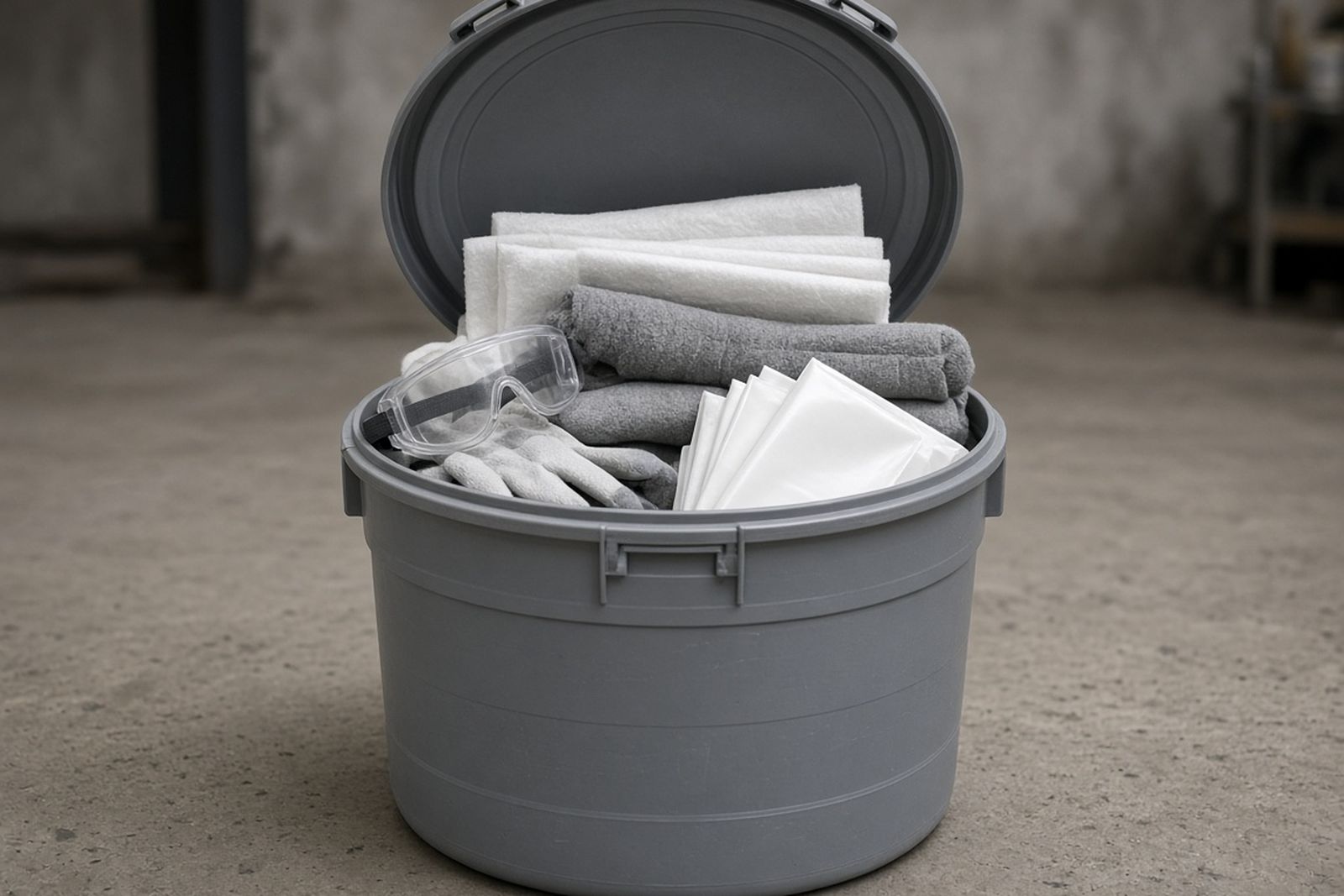
Open spill kit drum holding absorbent pads, goggles, gloves and disposal bags
Illustrative photo, not a job record. Open spill kit drum holding absorbent pads, goggles, gloves and disposal bags.

Hazmat Spill Response figures to keep in mind

National and research figures, not San Jose data. Local conditions, rules and providers vary; use these for scale and context only.

54%

54% of respondents expressing a view considered environmental regulation insufficient.

Read with care: Self-reported behaviour; event-specific communications.

Source: Savoia et al. (2015)690 West Virginia adults surveyed online in February 2014, including affected and unaffected areas.

2.43

Insurance disputes were associated with ongoing distress (aOR 2.43; 95% CI 1.5–3.9).

Read with care: Observational and self-selected; negative-comment denominator is comments, not all insured people.

Source: McKenzie et al. (2022)521 insured, inundated-household respondents from a 2,530-person survey six months after flooding.

155%

Hazmat incidents involving big rigs rose 155 percent over ten years, and truck incidents outnumber train hazmat incidents 33 to 1, per PHMSA data.

Read with care: News analysis of PHMSA data; part of the rise reflects improved electronic reporting.

Source: PHMSA data (via CBS News) (2023)United States, PHMSA incident reports, roughly 2013-2023

These figures are public research and agency data, not this network's own job records. Keep each number with its population, year and limits; none of them predicts cost, timing or outcome at a specific property.

Plan before you reach out

Use the first 24 hours planner for immediate steps and the provider vetting checklist to confirm any San Jose provider's training, insurance and waste path in writing.

What research has found

Findings from published studies of people and properties in situations like this one. They describe what researchers observed in a specific group; they are not predictions for your case.

Loss of a community centre removed a valued place to gather after the disaster.
Who was studied: 20 New Brunswick residents in focus groups and ten community-leader interviews.Limits: Local experiences; no prevalence estimate or fixed recovery timetable.Perceptions of Mental Health and Wellbeing Following Residential Displacement and Damage… (2019)
Nearer-zone residents more often reported eye irritation, breathlessness and agitated behaviour attributed to exposure.
Who was studied: 204 household representatives surveyed in two distance zones, September 2012.Limits: Reported symptoms and odor; not measured individual exposure doses.Community health assessment following mercaptan spill: Eight Mile, Alabama (2014)

Hazmat Spill Response community polls

Poll results

Every count is a real visitor vote; nothing is seeded or padded. One vote per poll per device, and you can change your answer.

Safety

How prepared is your site for a chemical or fuel spill right now?

No visitor votes yet
Your experience

In your most recent spill, what was the first action taken?

No visitor votes yet

Planning cleanup in San Jose?

Send a short message about the property to the follow-up inbox. A coordinator can reply by email with next steps.

Your request is sent to the follow-up inbox. A coordinator can reply by email.

If anyone is hurt or in danger, call 911 first.