How do Palm Beach coastal drainage patterns change spill response priorities?
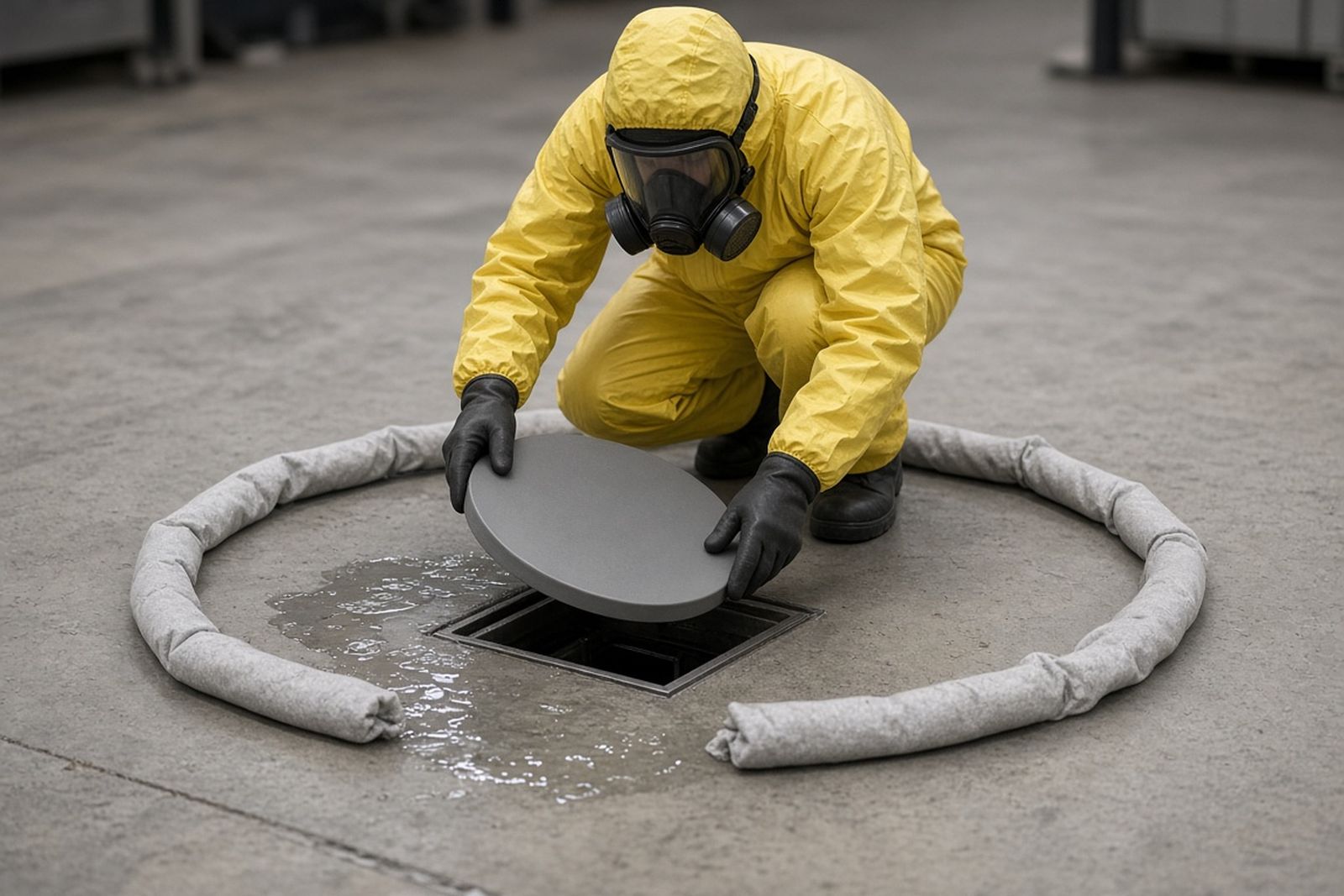
Coastal estates often have grated drains close to equipment pads. Those drains can carry water toward the lagoon or the ocean. South Florida rain can move product before any cleanup starts. So barriers and drain protection come right after safety. They are not a finishing touch. Never hose a sheen toward garden beds that drain to inlets. Tell the fire crew which way the fuel was running, toward the lake or the ocean side. Records of where barriers went during storms help show you followed the rules. On a small island, a second load of absorbent can take time to arrive. Holding the spill early buys that time. Coastal risk is about where the water goes and what must be reported. It is not about sales claims.
What should estate staff do if a generator fuel line leaks?
Shut the equipment down only if it is safe and staff are trained to do it. If not, leave the area and call emergency services. Keep sparks and flames away, stop cars from driving through the spill, and keep people out. Do not throw down random absorbents without a responder's say-so. They may be the wrong type or create a disposal problem. Share the fuel's SDS or supplier details if you have them. Trained crews hold the spill, recover it, and handle the waste. Take photos of the leak from a safe distance for insurance. Palm Beach homes rely on generators in storms, so fuel spills happen more often. Written emergency rules should forbid washing fuel into drains. Before calling the pad clear, crews may check whether fuel reached the soil or drains.
Why is mixing pool chemicals during a spill emergency dangerous?
Pool oxidizers, acids, and chlorine products can react violently with fuels, solvents, ammonia cleaners, or each other if mixed the wrong way. Untrained attempts to neutralize a spill are a classic cause of toxic gas and fires. If a pool chemical container is leaking, close off the area and call for trained help. Do not add another chemical to balance it. The SDS explains what the product must not touch, and responders use that. Store products that react badly apart, before anything happens. Costly coastal homes often keep large stocks of pool chemicals, so keeping track of them helps prevent spills. During a spill, leave the chemistry to qualified people. Advice from a pool store never replaces the methods crews trained under OSHA's hazardous waste rule use for unknown mixes.
Which Florida and federal contacts matter for reportable releases?
Fire departments protect lives and often take charge at first. The Florida Department of Environmental Protection handles environmental releases and waste issues. At the federal level, the National Response Center is the desk for some oil and chemical release calls. Property staff should give the facts they have: the product name from the SDS if known, rough amounts, and where it flowed. Do not delay calls to gather perfect data. Keep every reference number. Telling your insurer is a separate step. Palm Beach spills that touch water deserve quick, accurate reports. Do not assume a private cleanup means no one needs to be told when product enters drains or water. Ask responders which reports they are making and write down the answers. Then the estate file shows one clear timeline of agency contacts.
What does cleanup verification look like before guests return?
The checks fit the hazard. A visual check comes first. Add air tests or samples when there were fumes, soft materials that soak things up, or spread outdoors. Guest wings and cabanas stay closed until the targets are met and written down. Air freshener and ozone gadgets do not replace air testing. The waste shipping record should already show that used absorbents went to an approved site. Close out any agency conditions in writing. High Palm Beach hosting standards do not override the science. Give owners a written reopen note that lists the targets and results. If rain spread residue outdoors again, check again before outdoor dining areas reopen. Keep the test file with photos and SDS copies.
How should Palm Beach estates prepare fuel and chemical storage before hurricane season?
Before storms, make sure generator fuel, pool chemicals, and boat products are sealed, labeled, and stored where a flood cannot tip them over or float them away. Keep acids and chlorine products apart from fuels. Move SDS copies and vendor phone lists to a dry spot in the main house. After a storm, treat any leaking or moved container as unknown until trained crews confirm what it is. Do not let staff drain floodwater with a sheen toward the Intracoastal or the ocean-side drains.
Our estate staff speaks several languages. How do we keep spill instructions clear?
Write short, plain instructions in each language your staff uses: leave the area, keep others out, call 911, and call the estate manager. Post them near fuel storage, the pool equipment room, and the generator. Practice once with new staff each season. Keep the message the same in every language so no one hears mixed advice. When responders arrive, have one person talk with them and pass their instructions to the rest of the team.