South · US

Hazmat Spill Response in McLean, VA

Planning hazmat spill response in McLean, VA

McLean VA estate-and-park spill guide: isolate oil wings and badge docks, SDS not caretaker DIY, tributary berms, DEQ notice, wing reopen files. This is planning guidance, not a claim of a local office or crew in McLean.

Get an email reply about hazmat spill response

Send a short message to the follow-up inbox. A coordinator can reply by email. This form does not send emergency help; call 911 first if anyone is in danger.

Tell us what you need help with. Share a short description; please leave out medical details, access codes, and other sensitive information.

A request does not confirm a booking. For immediate danger, contact local emergency services.

Or email info@prompartybuses.com

Direct answer

The short answer for McLean, VA

McLean mixes estates on Dolley Madison Boulevard, office parks at the edge of Langley, drives near the Chain Bridge approach, and podium buildings on the Tysons fringe. Spills here include heating oil in basements, landscaping spray tanks, remodel solvents, and diesel on docks behind badge readers. Neighbors and security notice smells at different speeds. Getting people clear leads. Safety Data Sheets (SDS) and spray tank labels replace caretaker experiments. Barriers near streams that feed the Potomac, and notice to the Virginia Department of Environmental Quality (DEQ), go with federal hazardous waste law (RCRA) where it may apply. Wings and lobbies reopen only on air test results.

Editorial guide · Biohazard Remediation NetworkUpdated 2026-07-22Location focus: McLean, VA

Local planning context

This corridor blends gated homes with secure office parks. It is neither clinic towers nor Kendall labs. Common spills include No. 2 oil under sleeping wings, burst landscaping spray tanks on steep lawns, glue stocks during kitchen renovations, and diesel films on docks with badge access. A neighbor may call about a weed killer smell before security sees a sheen on the dock. Treat both as threats to life. Map the fire truck routes via Chain Bridge and Dolley Madison. Narrow shoulders slow engines.

French drains and campus trenches can feed streams that flow to the Potomac once someone rinses to tidy up before guests. Virginia DEQ gets involved when soil, groundwater, or waterways are affected. Certain oil or hazardous substance spills may also need a National Response Center report. Get spray tank labels and the SDS from a garage office without walking through fumes. Landscapers and night cleaners help hold the perimeter. They are not a hazmat team.

Family offices and corporate facilities should keep two scripts. One is for clearing a home's wing. The other is for freezing a badge-access dock. From safe terraces or stair landings, photograph the sheen heading toward drains. After recovery, file the waste shipping records for used pads, plus air targets, before guest wings or lobbies reopen. A dinner party or board meeting does not change the steps.

Property considerations

Spray tanks on steep lawns near French drains put groundwater and streams at risk if anyone rinses them.

Sleeping wings above oil tanks need their own reopen targets. Do not assume what holds for the whole house.

Badge-access docks need a named escort to walk fire trucks through the gate arms.

Kitchen remodel glues stored with garage fuels are an unsafe mix until crews sort them out.

Traffic on the Chain Bridge approach forces a meeting point away from the site on some evenings.

Landscaping agreements should ban neutralizing unknown films on the spot.

Response-planning framework

Split residential wing holds from badge-dock freezes

Pick the script that fits the scene. Stinging eyes or unknown liquids mean people leave the danger zone and someone calls emergency services. Do not run attic fans that pull basement oil fumes into bedrooms. For a film on a dock, responders and engineers decide on freight and elevator holds.

Spray-tank labels and oil tickets beat smell tests

From a safe garage office, provide weed killer labels, heating oil tickets, and Safety Data Sheets. Do not open burst tanks to see the color. Field checks fill the gaps. Caretakers never mix pool oxidizers into diesel to cancel a smell.

Tributary and French-drain berms with Virginia DEQ

After the product is named, barriers and matching pads stop the film before it reaches streams that feed the Potomac. Fairfax fire works with Virginia DEQ when the paths widen. Oil that reaches a Potomac stream may need a federal National Response Center (NRC) report. Guest lists do not shrink those duties.

Wing-level and lobby-level reopen packages

Used pads are tested and leave with a waste shipping record. When both were exposed, write separate reopen notes for sleeping wings and office lobbies. Dry bluestone does not mean a space is clear after an overnight solvent or oil smell.

Documentation checklist

  1. 1Which wings or docks were emptied, and at what times
  2. 2Spray tank labels, oil tickets, or remodel SDS given without opening unknowns
  3. 3Gate arm codes and meeting points near Chain Bridge shared with responders
  4. 4Fairfax fire and Virginia DEQ numbers, and the NRC number if contacted
  5. 5Photos of drain paths taken from safe terraces, plus notes on barriers
  6. 6The waste shipping record for pads hauled from the estate or dock
  7. 7Air or wipe results that allowed each wing or lobby to reopen
  8. 8Pollution-liability notices for estate or corporate claim files

Official resources

Questions for this location

A landscaping spray tank ruptures on a Dolley Madison hillside above a French drain. Steps?

Keep people and pets off the slope. Do not rinse downhill. If weed killer fumes drift, a neighbor feels ill, or the tank lacks a label, phone emergency services. From upwind, note the tank markings. Give the SDS and gate codes to responders. Tell dispatch about the steep drive, then wait at the top.
Why keep separate reopen notes for a guest wing and a badge lobby?

The exposure paths differ. Basement oil fumes rise into bedrooms, while dock solvent climbs elevator shafts. The targets should match each space. A single note saying "the house looks fine" fails both a home buyer's review and the company safety office's files. Log who approved each space and the readings for it.

Can night cleaners cancel badge-dock diesel odor with bleach before executives arrive?

No. Bleach on diesel can give off fumes, and a badge-access dock is a poor place to find out. An executive's arrival time is no reason to experiment. Night cleaners should keep the label intact, hold people back from the dock, and call security, who calls 911. Once responders identify the product, they choose pads that will not react with it.

What makes a Potomac-tributary rinse reportable?

Product that leaves the pad toward drains, soil, or waterways can widen Virginia DEQ duties. Certain oil or hazardous substance spills may also need NRC notice. Once the product is known, put up barriers first. Photograph the flow direction from a safe spot. Insurance deadlines are a separate matter.

Which estate files matter after professional recovery of basement oil?

Keep the waste shipping records, the waste test results, the oil delivery tickets used to identify the product, and Fairfax County fire and state reference numbers. Add the air results that cleared the bedrooms above the basement. If soil around a buried tank needs more work later, keep that contract separate from the emergency shipping papers. Then a future buyer can follow the history.

How should McLean estate managers coordinate with office-park security during a spill near a property line?

Where estates and office campuses share roads or drains, agree ahead of time on who calls whom. If a spill starts on one side, the first person to notice should call emergency services. Then they should alert the neighboring security desk or estate manager. Share access details for gates and badge-controlled drives so responders are not held up. Do not send staff from either property into the spill to check on it.

What should McLean families do with leftover paints and solvents after a kitchen renovation?

Ask your contractor to take leftover products away. Or keep them sealed and labeled until you can drop them at a Fairfax County household hazardous waste site. Do not pour them into sinks, storm drains, or the yard. Store them away from the furnace, water heater, and children. If a can leaks or the smell is strong, call for help instead of moving it.

Contact

Get help by email

Send a short message for an email reply about hazmat spill response planning questions for the Washington DC area.

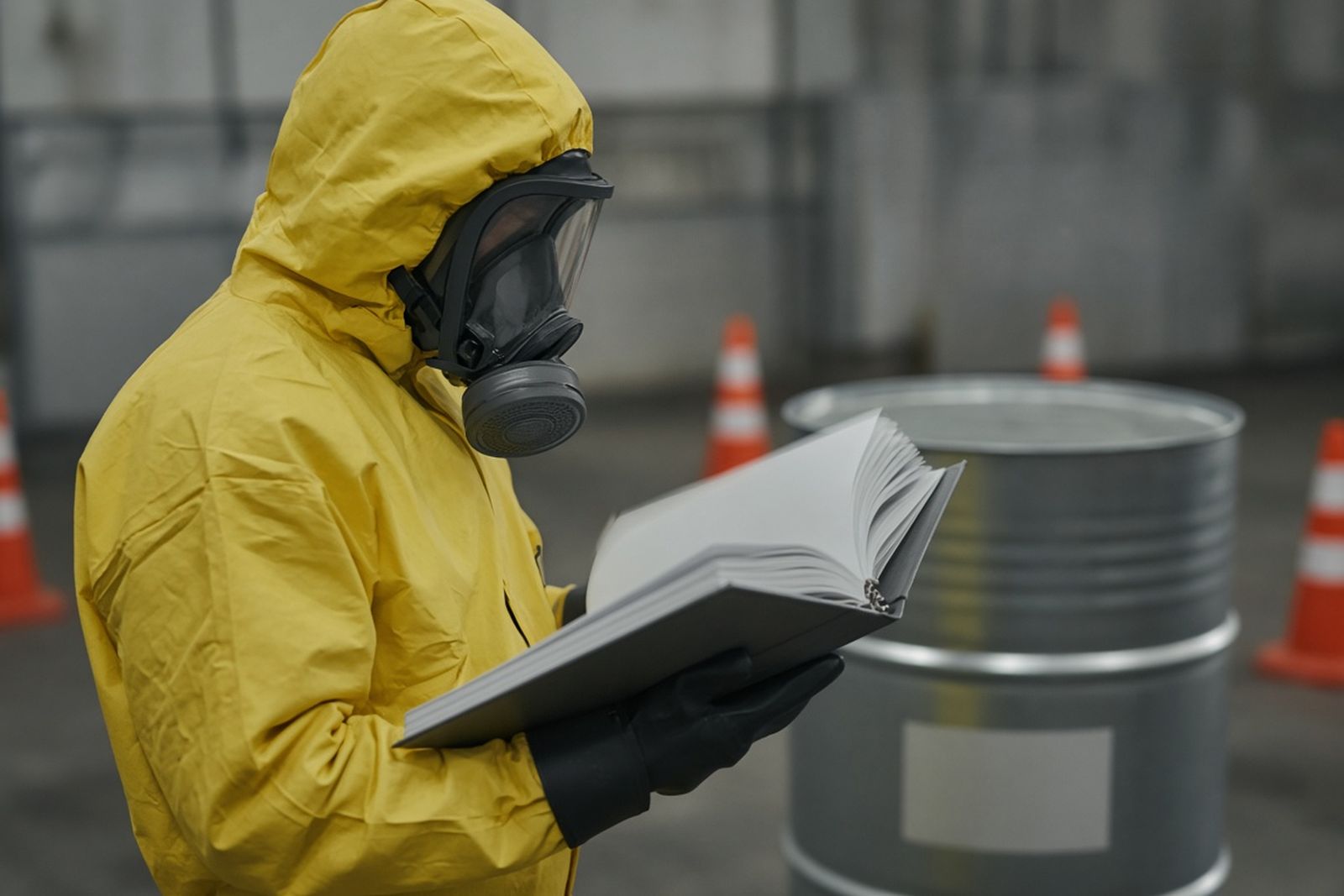
Technician in a yellow suit and respirator reading a safety data sheet binder beside a drum
Illustrative photo, not a job record. Technician in a yellow suit and respirator reading a safety data sheet binder beside a drum.
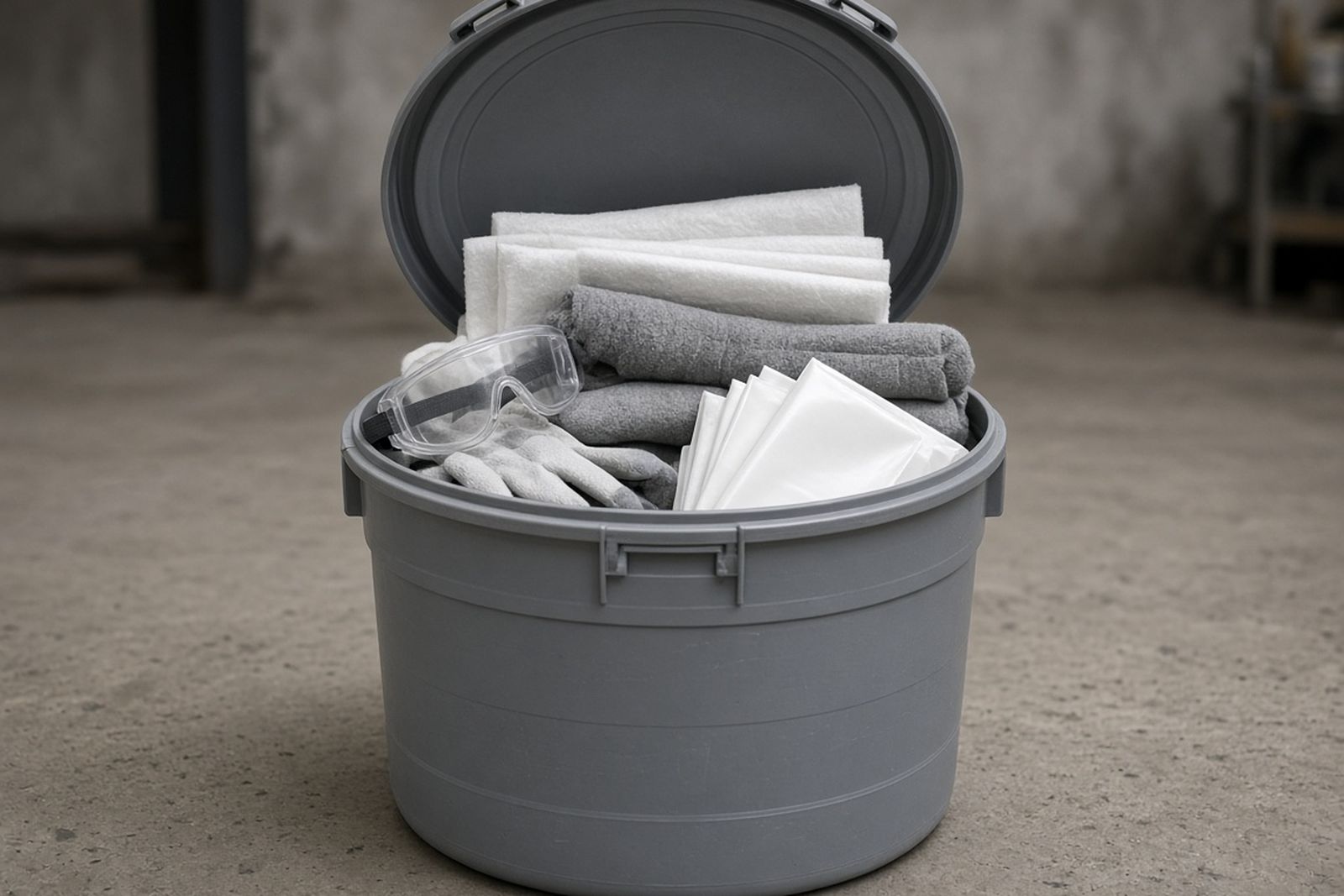
Open spill kit drum holding absorbent pads, goggles, gloves and disposal bags
Illustrative photo, not a job record. Open spill kit drum holding absorbent pads, goggles, gloves and disposal bags.

Hazmat Spill Response figures to keep in mind

National and research figures, not McLean data. Local conditions, rules and providers vary; use these for scale and context only.

12

Displaced residents without advance warning had higher depression and PTSD scores than those warned over 12 hours ahead.

Read with care: Related cohort to S059; associations, not proof displacement caused symptoms.

Source: Munro et al. (2017)622 English respondents whose homes flooded in 2013–2014; one-year survey.

2.43

Insurance disputes were associated with ongoing distress (aOR 2.43; 95% CI 1.5–3.9).

Read with care: Observational and self-selected; negative-comment denominator is comments, not all insured people.

Source: McKenzie et al. (2022)521 insured, inundated-household respondents from a 2,530-person survey six months after flooding.

54%

54% of respondents expressing a view considered environmental regulation insufficient.

Read with care: Self-reported behaviour; event-specific communications.

Source: Savoia et al. (2015)690 West Virginia adults surveyed online in February 2014, including affected and unaffected areas.

These figures are public research and agency data, not this network's own job records. Keep each number with its population, year and limits; none of them predicts cost, timing or outcome at a specific property.

Plan before you reach out

Use the first 24 hours planner for immediate steps and the provider vetting checklist to confirm any McLean provider's training, insurance and waste path in writing.

What research has found

Findings from published studies of people and properties in situations like this one. They describe what researchers observed in a specific group; they are not predictions for your case.

Some felt relief when evacuating, while others felt guilty about leaving neighbours.
Who was studied: 20 New Brunswick residents in focus groups and ten community-leader interviews.Limits: Local experiences; no prevalence estimate or fixed recovery timetable.Perceptions of Mental Health and Wellbeing Following Residential Displacement and Damage… (2019)
Delayed insurance assessments were described as obstructing timely remediation.
Who was studied: 521 insured, inundated-household respondents from a 2,530-person survey six months after flooding.Limits: Observational and self-selected; negative-comment denominator is comments, not all insured people.Insurance Issues as Secondary Stressors Following Flooding in Rural Australia (2022)

Hazmat Spill Response community polls

Poll results

Every count is a real visitor vote; nothing is seeded or padded. One vote per poll per device, and you can change your answer.

Safety

How prepared is your site for a chemical or fuel spill right now?

No visitor votes yet
Your experience

In your most recent spill, what was the first action taken?

No visitor votes yet

Planning cleanup in McLean?

Send a short message about the property to the follow-up inbox. A coordinator can reply by email with next steps.

Your request is sent to the follow-up inbox. A coordinator can reply by email.

If anyone is hurt or in danger, call 911 first.